56-Member Indian Squad Ready for Asian U15 & U17 Boxing Championships in Tashkent
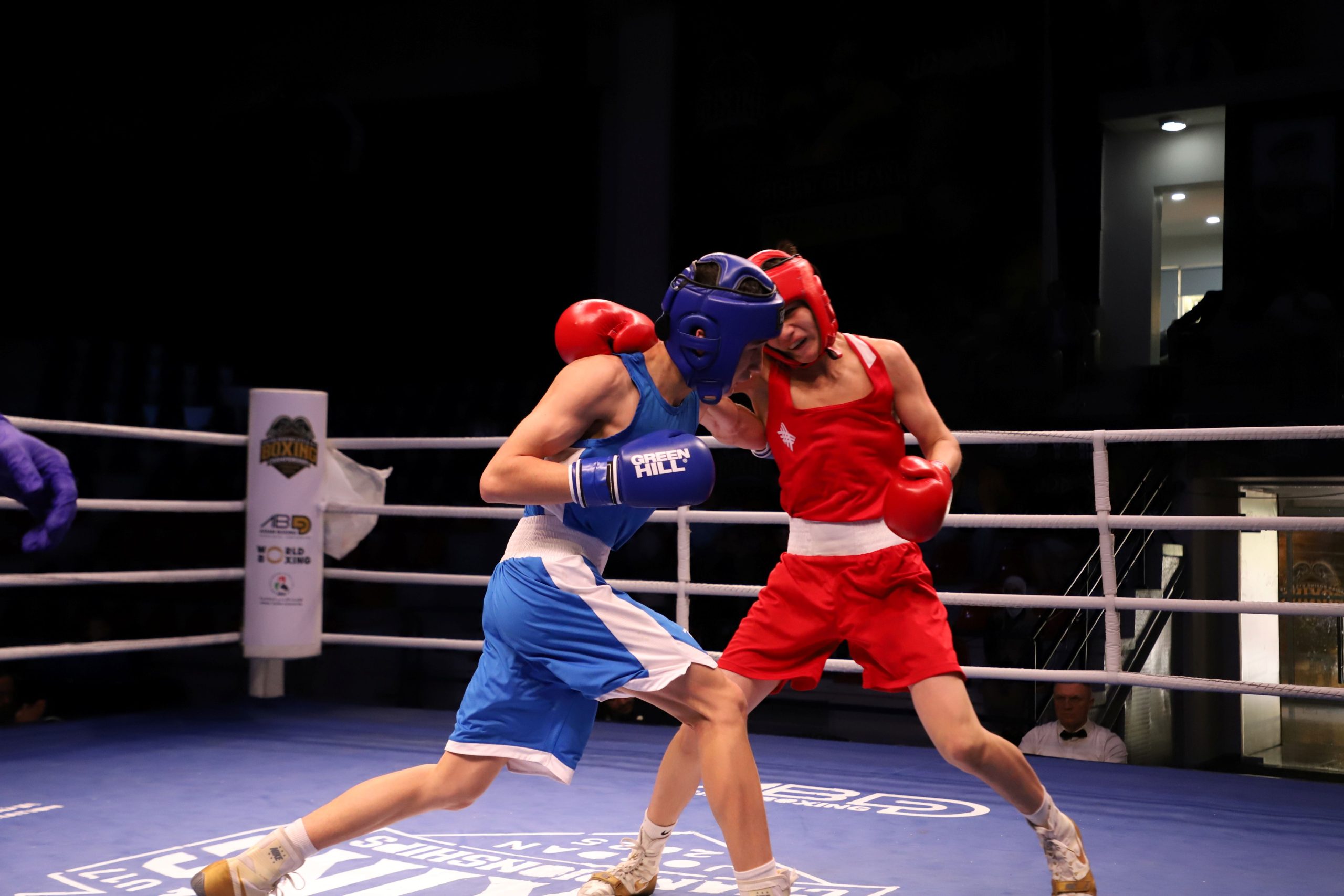
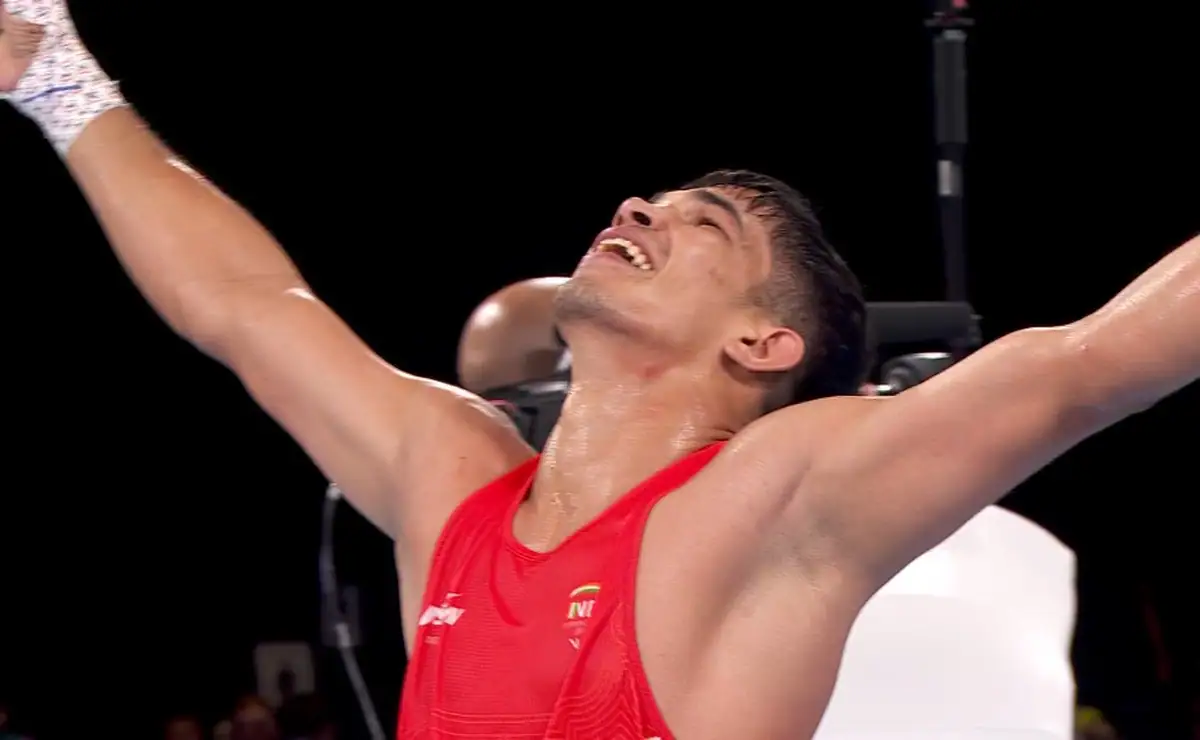
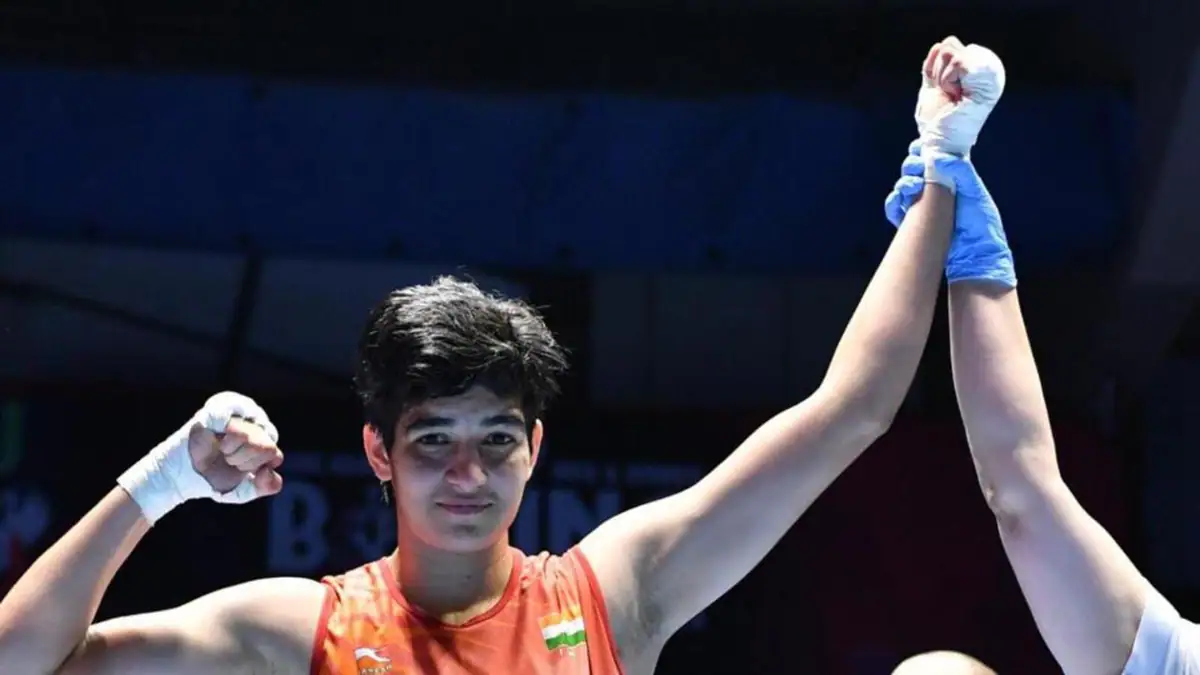
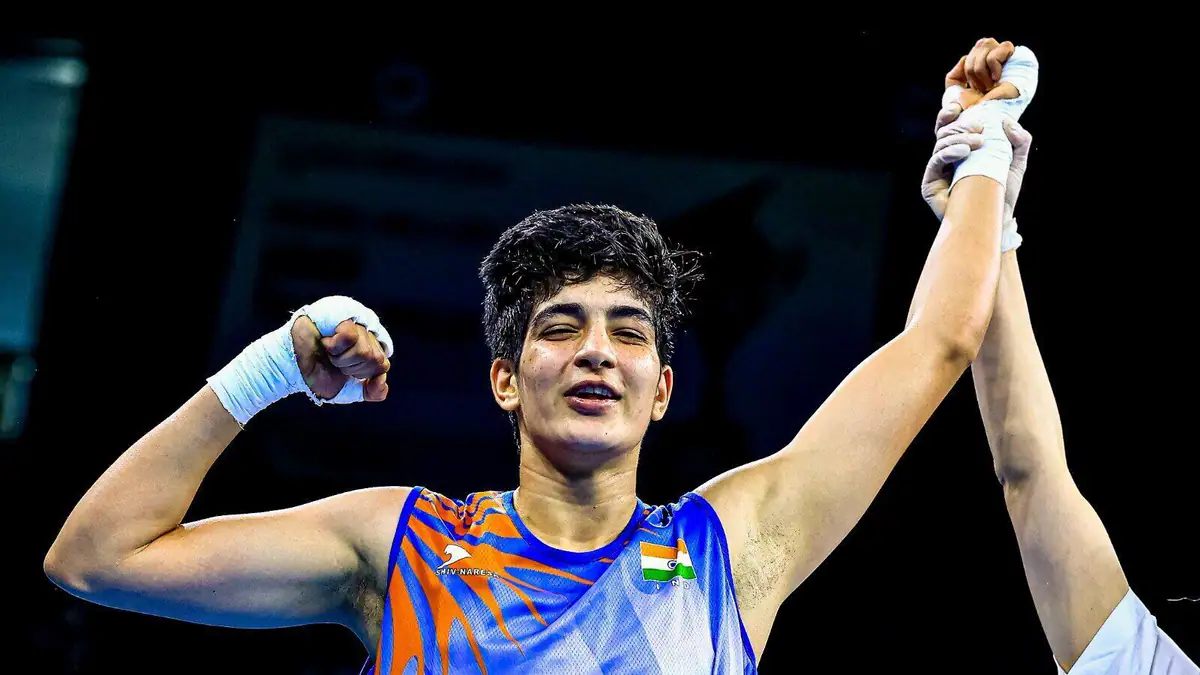
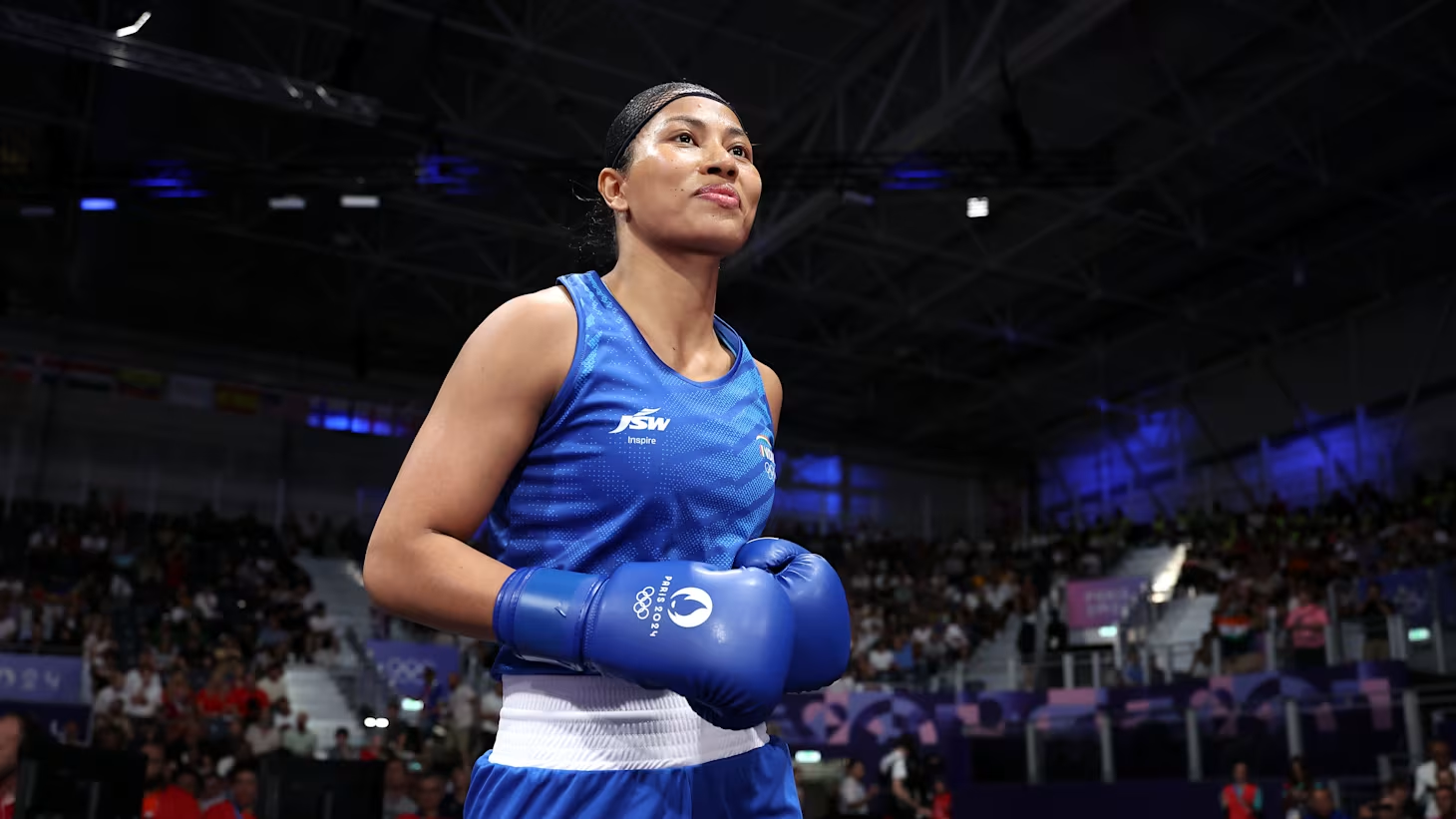
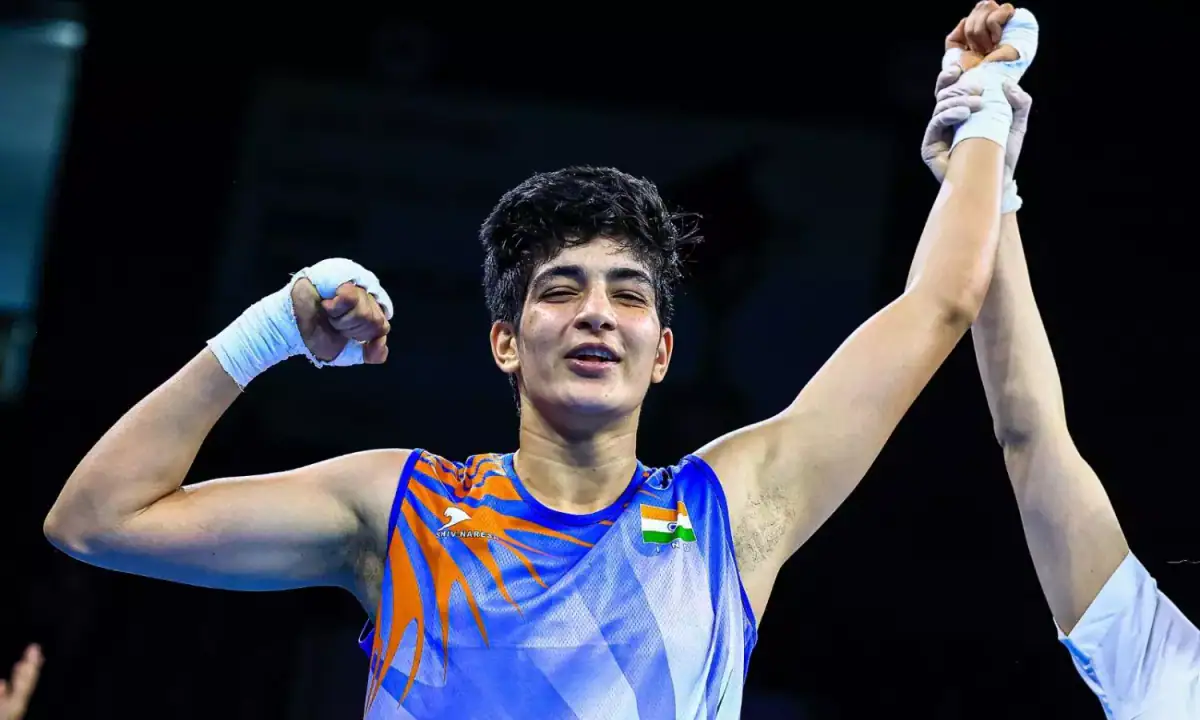
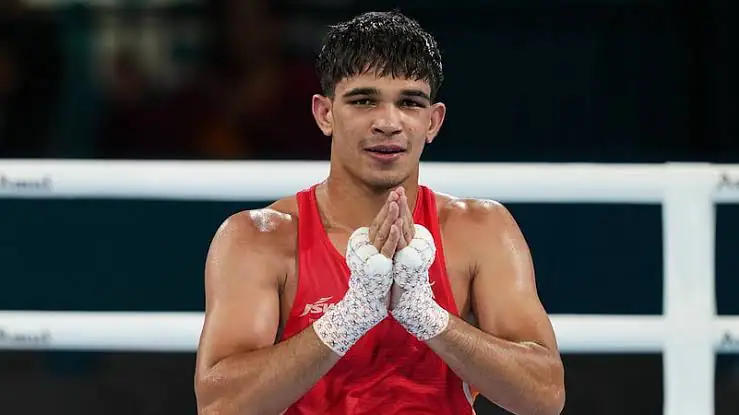
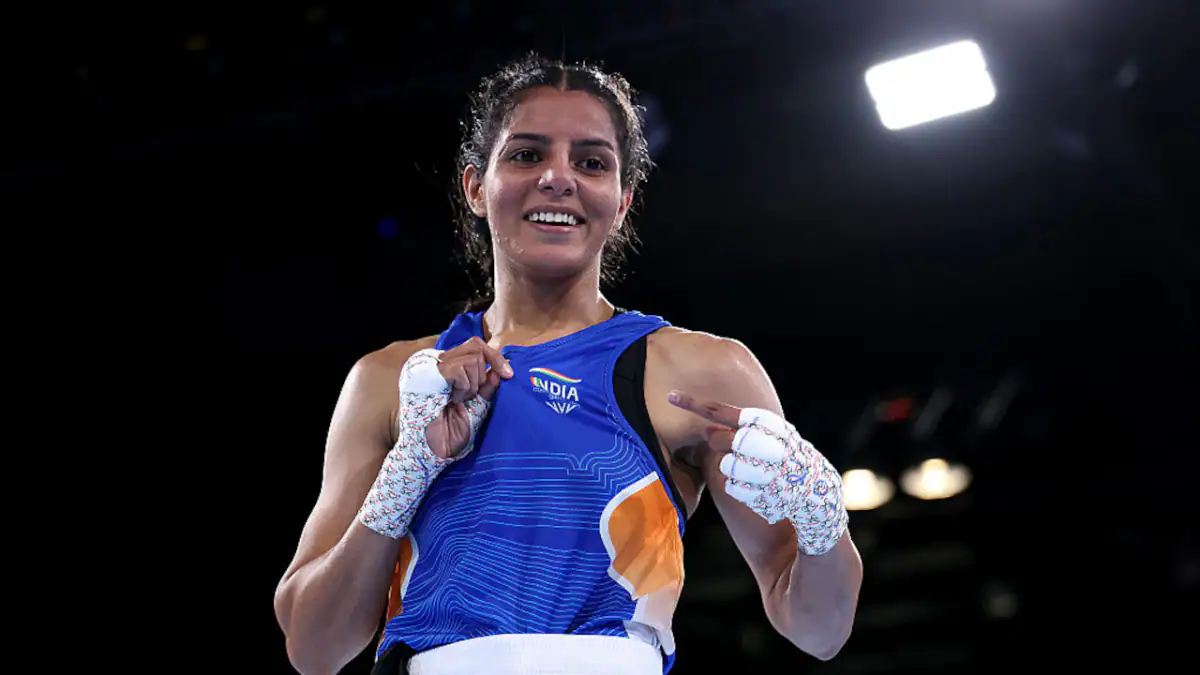
India’s next generation of boxing talent is set to step onto the continental stage as a 56-member Indian contingent prepares to begin its campaign at the Asian U15 & U17 Boxing Championships 2026 in Tashkent, Uzbekistan.
The prestigious youth tournament, which begins on Thursday, will bring together some of Asia’s brightest young boxers across multiple weight divisions and is expected to provide a strong indicator of the emerging talent pipeline across the continent. India enters the competition with one of its largest and most balanced age-group squads in recent years, reflecting the country’s growing investment in grassroots boxing development and long-term athlete progression.
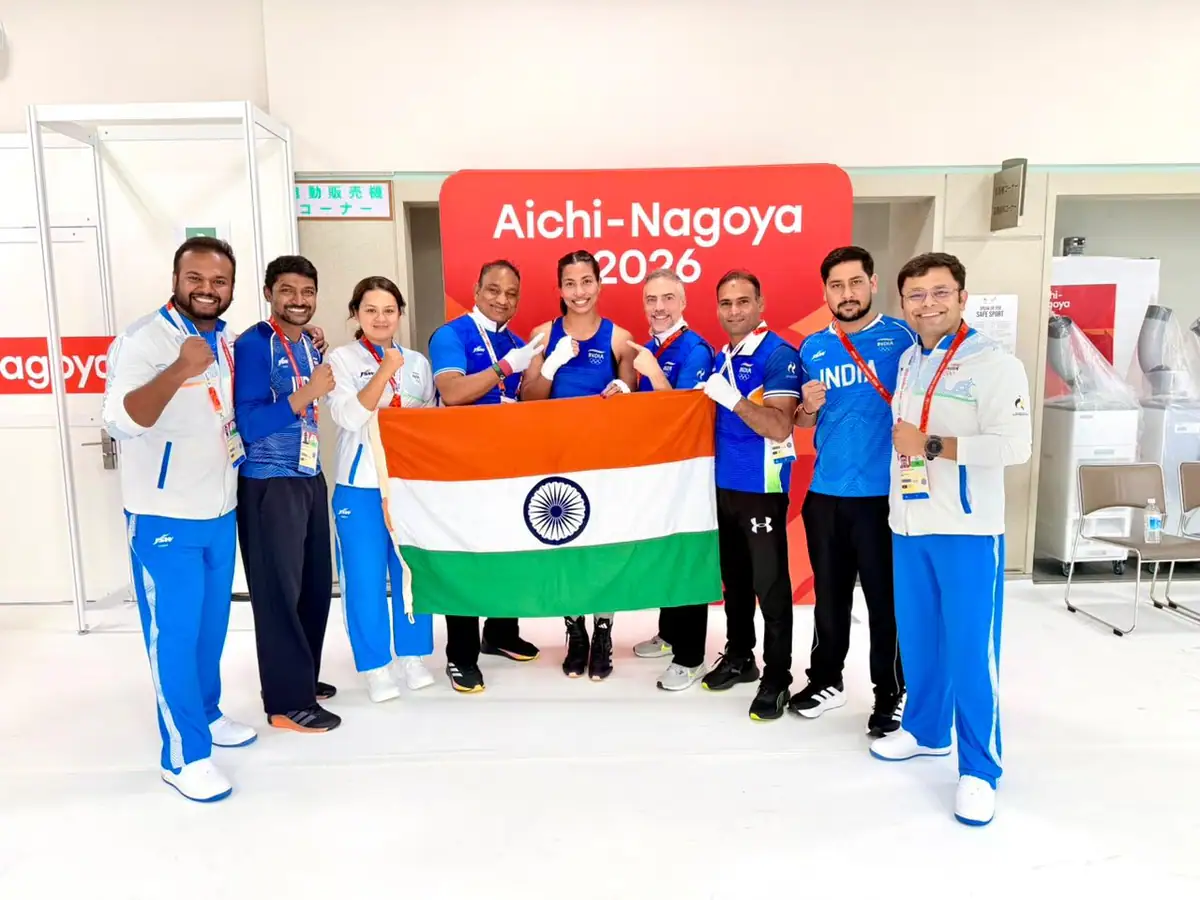
The Indian contingent has been divided across U15 and U17 categories for both boys and girls, ensuring representation across nearly every weight class. The U17 setup includes 13 boys and 13 girls competing in weight divisions ranging from 44-46kg to above 80kg. Each squad will be supported by four coaches and a physiotherapist as part of the preparation and recovery structure during the tournament.
Meanwhile, the U15 squads include 15 boys and 15 girls competing in categories ranging from 30-33kg to above 70kg. These teams will travel with five coaches and a physiotherapist each, highlighting the emphasis being placed on athlete support and structured development. The depth across all four squads underlines India’s increasing focus on creating sustainable pathways from junior boxing into elite international competition. For many of these athletes, the Asian Championships represent their first major international tournament outside India. Competing at continental level is often viewed as one of the most important stages in a young boxer’s development because it exposes athletes to unfamiliar styles, higher-pressure environments, and stronger tactical demands. The tournament is also historically significant in identifying future stars.
Several Indian boxers who later succeeded at senior international level including at Asian Championships, World Championships, Commonwealth Games, and the Olympics first gained recognition through strong performances at junior continental events. The Boxing Federation of India (BFI) views tournaments like these as a key part of building long-term success.
Speaking ahead of the competition, Boxing Federation of India President Ajay Singh highlighted how consistently Indian boxing has performed across recent international competitions. According to Singh, boxing has emerged as India’s most successful medal-producing sport over the last two years, especially at youth and age-group level. Indian boxers have regularly delivered strong results at the Youth Asian Games, continental championships, and junior world-level events, showcasing the increasing depth within the system.
“This sustained success reflects the growing depth of our grassroots program,” Singh said while expressing confidence in the current batch of young athletes.
His comments also reflected the broader transformation Indian boxing has undergone over the past decade. Where earlier success was heavily dependent on a few standout individuals, India now increasingly possesses depth across multiple age categories and weight divisions.
India’s recent rise in youth boxing has not happened accidentally. Over the last several years, the sport has benefited from stronger domestic competition structures, increased scouting, better access to coaching, and improved sports science support at junior level. National camps and sub-junior competitions have become more competitive, while state federations have also contributed significantly to talent identification. The result has been a wider talent pool emerging from across the country rather than from a handful of traditional boxing centres alone.
The Tashkent championships now provide another opportunity to assess how effectively that development system is translating into international competitiveness.
The Asian Championships traditionally feature some of the toughest age-group competition in world boxing. Nations such as Kazakhstan, Uzbekistan, Kazakhstan, Thailand, Mongolia, and Kyrgyzstan have historically produced technically strong and physically demanding boxers at junior level. Host nation Uzbekistan, in particular, remains one of the dominant forces in amateur boxing globally and is expected to field a powerful squad across categories.
That level of opposition makes the tournament especially valuable for India’s young athletes. Even beyond medal outcomes, the experience of facing elite Asian competition can accelerate technical growth and tactical maturity for developing boxers.
While medal expectations naturally exist, the larger objective for Indian boxing remains long-term athlete progression. Age-group tournaments are often less about immediate podium finishes and more about preparing athletes for future senior-level success. Exposure to international competition at an early stage helps athletes improve decision-making, ring management, recovery under pressure, and adaptability against unfamiliar opponents. The support structure travelling with the Indian contingent also reflects that broader philosophy.
Coaches, physiotherapists, and support staff now play a far more integrated role in youth athlete preparation than in previous generations, helping ensure young boxers are managed professionally from the beginning of their careers.
The Asian U15 & U17 Championships come at an important moment for Indian boxing. The country already possesses an established senior-level presence internationally, but maintaining that success requires a steady flow of young athletes capable of transitioning successfully into elite competition. This 56-member squad represents the next stage of that process.
For some, Tashkent may become the beginning of future international careers. For others, it will serve as an invaluable learning experience against Asia’s best. Either way, the championships offer another important glimpse into the future of Indian boxing a future the federation increasingly believes can sustain the country’s rise as a global boxing force.
Comments (0)
to post comments, replies, and votes.
Loading comments…