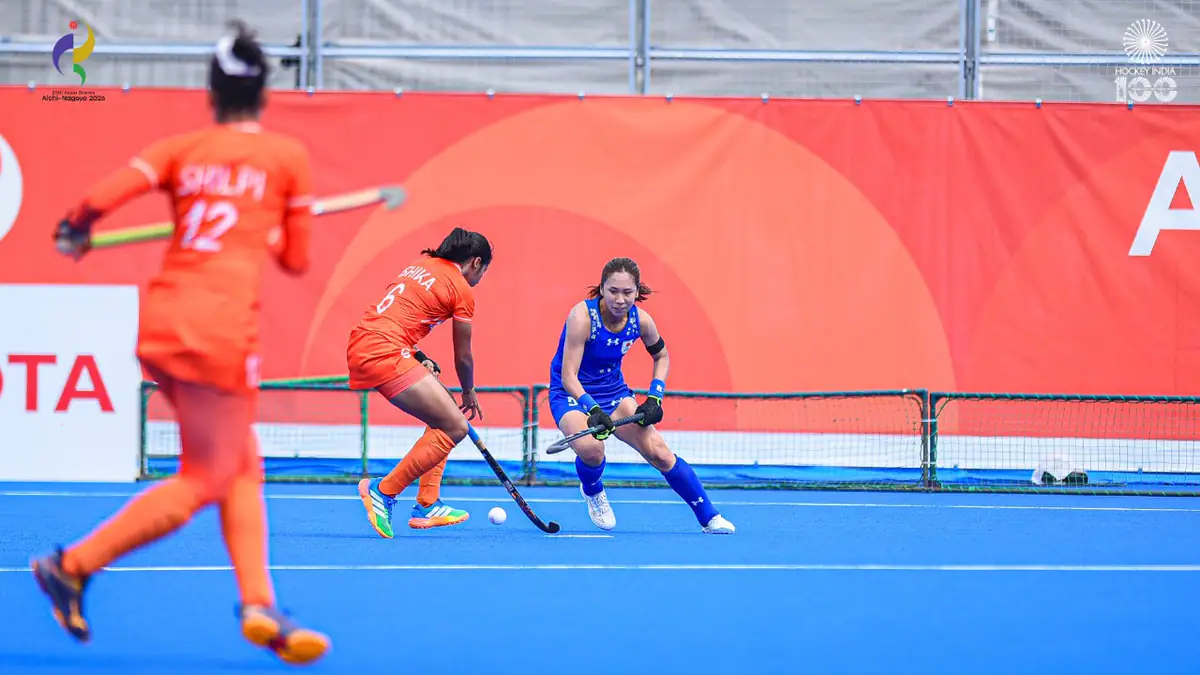
Asian Games 2026: Indian Fencers’ Individual Campaign Ends Without Quarterfinalist as Teams Carry Medal Hopes
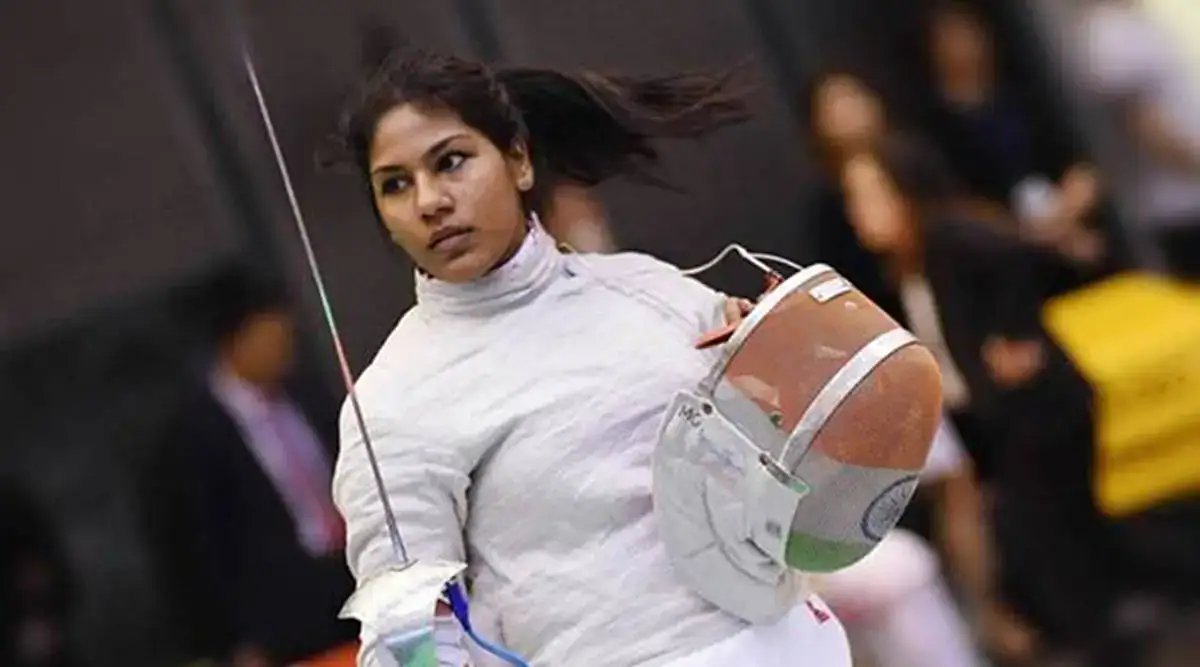
India’s individual fencing campaign at the Asian Games 2026 has come to an end without a single Indian fencer reaching the quarterfinals, leaving the country’s hopes of securing its first Asian Games fencing medal firmly in the hands of its five team events.
The Indian fencers have largely operated away from the spotlight during the Games, but the conclusion of the individual competitions brings into focus a familiar challenge for the sport. India has made progress in fencing over the years, producing Olympians and Asian Championship medallists, yet a podium finish at the Asian Games has remained elusive.
With all 10 individual entrants now eliminated before the quarterfinal stage, attention turns to the team competitions.
India entered the individual competitions across the three fencing weapons — foil, épée and sabre. However, none of the 10 Indian entries managed to make it into the last eight.
The exits came at different stages of the competition, but the overall outcome was the same: India will not have an individual medal in fencing at these Asian Games. The result is particularly significant because individual fencing provides the most direct route to a continental podium. Once the last Indian competitor was eliminated, the country's medal hopes shifted entirely towards the team competitions.
The team events offer a different competitive dynamic. Unlike individual bouts, team fencing requires three active fencers and a reserve to navigate multiple bouts, making squad depth, tactical adaptability and consistency crucial.
India still has five opportunities to chase its first fencing medal at the Asian Games. The contingent has entered teams in men's épée, men's foil, men's sabre, women's épée and women's foil. The team format can potentially provide a different opportunity for Indian fencing because the outcome depends on the combined performance of the squad rather than one athlete navigating the entire draw individually.
Each team match is also a test of depth. The format requires three fencers to contest nine bouts, with each athlete facing the opponents from the opposing team. A reserve can also become important depending on the tactical and competitive circumstances. For India, the objective is now straightforward: translate the experience gained from the individual competitions into a stronger team performance.
The Bigger Asian Challenge
India's difficulties at the Asian Games also need to be viewed against the strength of fencing across the continent. Countries such as South Korea, China and Japan have established high-performance systems with extensive international exposure. Kazakhstan, Uzbekistan, Hong Kong and Iran have also developed strong programmes in particular weapons.
This creates a significant competitive gap. India has traditionally enjoyed considerable success at the South Asian level. At the 2019 South Asian Games, for example, Indian fencers won 11 of the 12 available gold medals and 17 medals overall. But success within the subcontinent does not automatically translate to results at the Asian Games, where Indian athletes encounter opponents who regularly compete on the international FIE circuit.
The difference is particularly visible in bouts requiring rapid tactical adjustments, unfamiliar opponents and sustained exposure to different fencing styles.
One of India's strongest examples of international progression in fencing is C.A. Bhavani Devi. She became the first Indian fencer to qualify for the Olympic Games when she competed at Tokyo 2020. Her development involved moving her training base to Europe and working with international coaches, giving her exposure to a higher level of competition and sparring.
Bhavani later won bronze at the 2023 Asian Fencing Championships, India's first medal at the Senior Asian Fencing Championships. She also reached the quarterfinals at the Hangzhou Asian Games, coming within one bout of a medal. Her career illustrates the importance of regular international competition and specialised coaching in closing the gap with Asia's established fencing programmes.
Indian fencing has also developed through multiple institutional routes. The Army Sports Institute in Pune has played an important role in men's fencing, providing athletes with facilities, professional support and structured training. Meanwhile, programmes such as TOPS and Khelo India, along with the SAI National Centres of Excellence, have supported a newer generation of athletes.
The challenge now is to convert that growing infrastructure into consistent continental results.
International exposure remains particularly important. Fencing is a highly technical sport in which athletes need regular competition against different styles, weapons, and tactical approaches. The source analysis identifies limited overseas competition, equipment costs, a narrow domestic sparring pool and gaps in specialised coaching as some of the structural challenges facing Indian fencing.
For now, however, the focus is firmly on the competition still ahead. The individual campaign has produced no Indian quarterfinalist, meaning there will be no individual fencing medal for India at these Asian Games. But the country's fencing campaign is not over.
Five Indian teams remain in contention, carrying the responsibility of ending the country's wait for a first Asian Games fencing medal. The team events will therefore be more than another phase of competition. They represent India's remaining opportunity to turn its growing presence in Asian fencing into a podium finish.
After the disappointment of the individual competitions, the Indian fencers now have to regroup, rely on their collective experience and compete as units. The medal target that eluded the individual competitors remains alive — but from here, it will have to be achieved together.
Comments (0)
to post comments, replies, and votes.
Loading comments…