IndiaSportsHub

Equity in Indian Para-Sports: Karnataka High Court Order
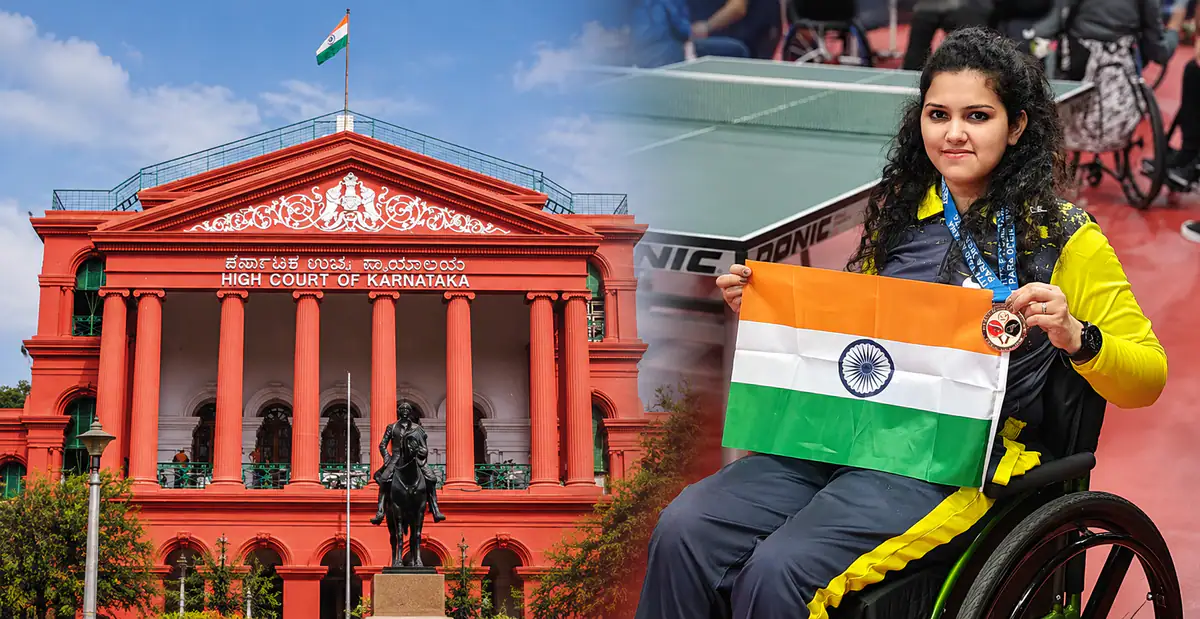
karnataka high court
Para-SportsAsian Para Games

Explore the Karnataka High Court ruling championing equity in Indian para-sports, mandating fair selection criteria for the 2026 Asian Para Games.

The Dispute and Factual Background

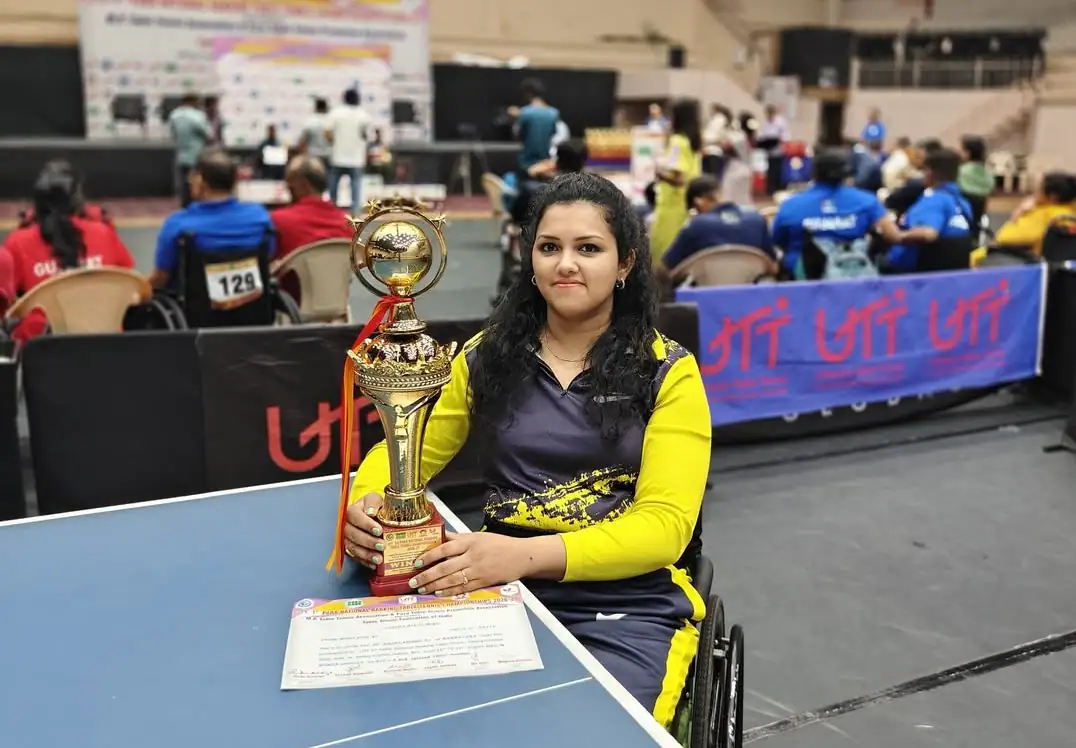
Dr. Rajalakshmi Shankar Janardhana Murthy, an accomplished dental surgeon, university professor, and wheelchair-bound para table tennis athlete with eighty percent permanent locomotor disability, brought a vital legal challenge before the High Court of Karnataka. Dr. Rajalakshmi, a distinguished academic gold medalist, motivational speaker, and former Miss Wheelchair India, has continuously overcome systemic barriers both professionally and athletically. In Writ Petition Number 26896 of 2026, she challenged the actions of the Paralympic Committee of India and the Ministry of Youth Affairs and Sports for excluding her from the national contingent representing India at the Aichi-Nagoya 2026 Asian Para Games. The petitioner invoked the writ jurisdiction [the constitutional authority of higher courts to issue binding legal orders to protect rights] under Article 226 of the Constitution of India, praying for a writ of mandamus [a judicial order commanding a public body to fulfill a mandatory statutory or public duty] to secure the lawful consideration of her national representation.

The Flawed Selection Mechanism

The administrative rift emerged from the selection policy issued by the Ministry of Youth Affairs and Sports on September 24, 2025. The government guidelines delineated separate qualifying pathways for individual disciplines and team disciplines. For individual non-measurable sports, an athlete was required to achieve a top six finish at the recent Asian Championship or hold a top six Asian ranking. In her individual events, Dr. Rajalakshmi was placed at Asian rank eleven as of the qualifying cut-off date, rendering her ineligible in singles competition.

However, the team criteria governed doubles events differently by requiring a top 8 Asian ranking. Dr. Rajalakshmi, in partnership with Sonalben Patel, held the 6th rank in Asia in Women's Doubles Class 5, comfortably surpassing the qualifying threshold. The central ministry conceded in its counter affidavit that the petitioner met all formal qualifications and that official policy did not favor singles over doubles. Despite this, the Paralympic Committee of India arbitrarily allocated every available female slot exclusively to singles competitors, proposing that these singles players could choose partners among themselves after arriving at the tournament.

Justice C.M. Poonacha observed that this administrative mechanism was ex-facie [clear and self-evident on the face of the record] contrary to the established norms of competitive sports. A doubles partnership is founded upon prolonged synergy, mutual tactical understanding, and specialized teamwork developed over years of competitive play. Assembling makeshift pairings from singles specialists ignored technical realities and prejudiced qualified athletes. Compounding this disparity, the committee had duly selected specialized pairs for the men's doubles table tennis events while completely bypassing women's doubles pairings.

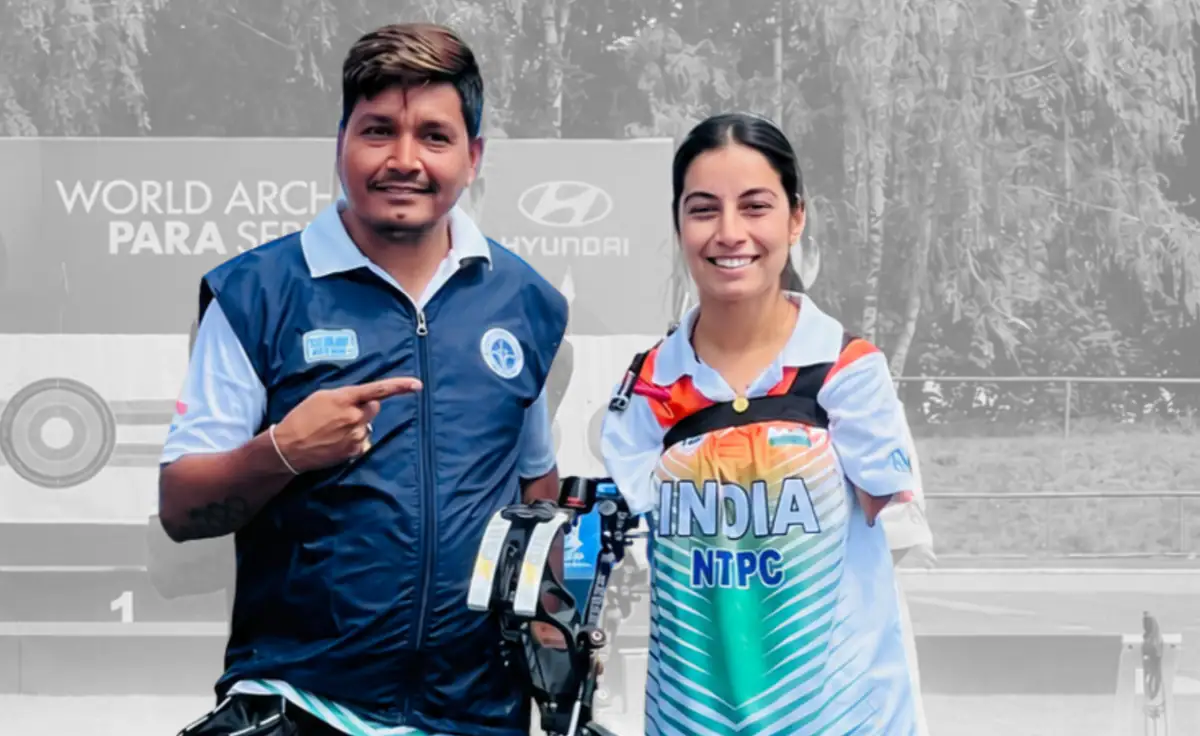
Rajlakshmi
Source: Dr. Rajalakshmi Instagram


Precedential Landscape and Statutory Safeguards

Historically, constitutional courts exercise judicial restraint [the principle where judges refrain from substituting their own opinions for those of specialized technical authorities] in sporting matters. Precedents such as Neha Rathi v. Union of India establish that selector discretion should not be lightly disturbed. Nevertheless, judicial intervention is obligatory when an administrative body acts with manifest arbitrariness [an irrational action executed without reasonable grounds or in breach of published guidelines].

  • In Naresh Kumar Sharma v. Paralympic Committee of India, the Delhi High Court and Supreme Court of India intervened after the committee departed from published qualification scores for shooting events at the Tokyo Paralympics

  • Similarly, Rahul Mehra v. Union of India mandated strict adherence to the National Sports Development Code of India, establishing that national federations perform public duties subject to transparency and fairness

  • Furthermore, Sections 29 and 30 of the Rights of Persons with Disabilities Act, 2016 place a statutory obligation upon government authorities to foster para-sports, guarantee equal opportunity, and eliminate discriminatory practices.

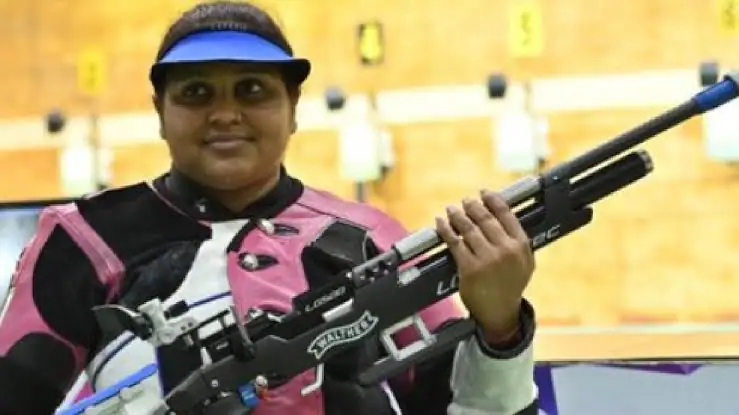
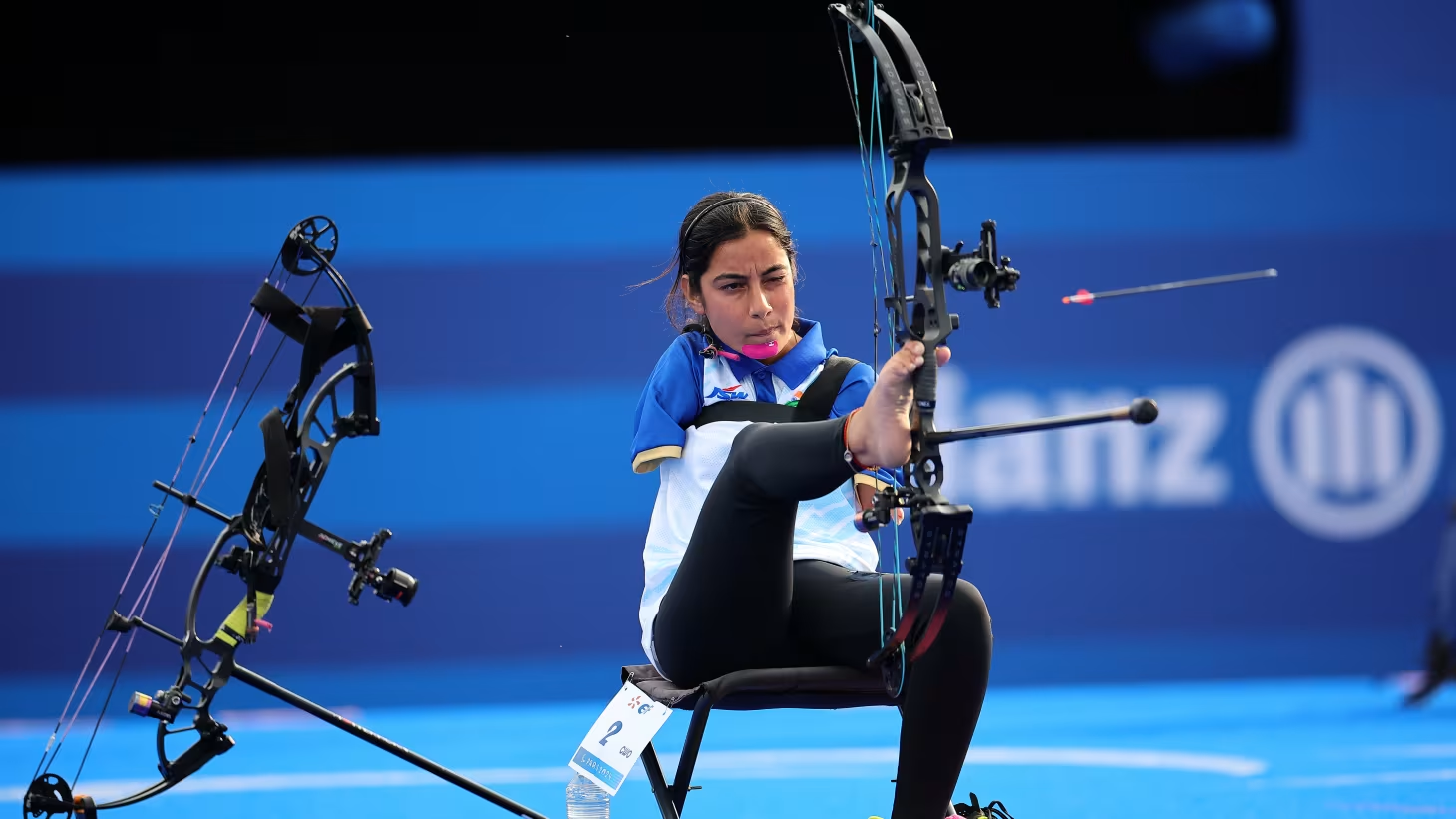
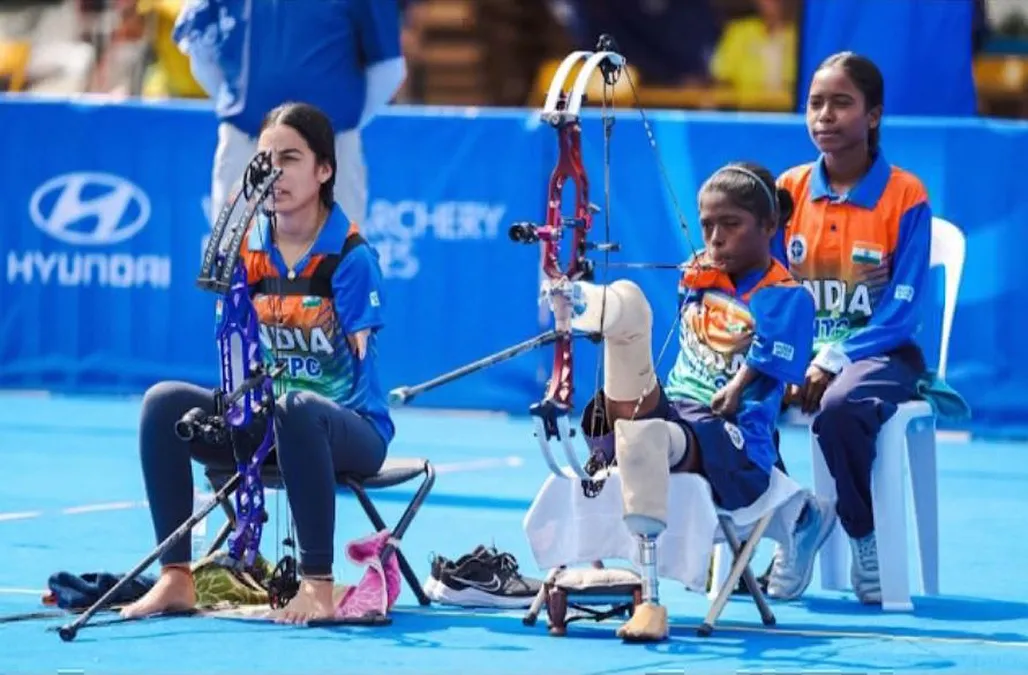
PCI - Para Asian Games selection

Legal Directives and Future Implications

Disposing of the writ petition, the Karnataka High Court ordered the respondents to re-examine team selection for women's doubles table tennis within 7 days, expressly evaluating Dr. Rajalakshmi's lawful entitlement. Crucially, the court directed the central government and the Sports Authority of India to enforce systemic corrective measures across all governing federations to guarantee that national representation reflects merit and transparency.

This ruling creates an influential precedent for Indian sports governance. With the National Sports Governance Act introducing specialized frameworks like the National Sports Tribunal, federations can no longer treat doubles disciplines as incidental afterthoughts to individual events. By rebuking administrative convenience, the court affirmed that the fundamental rights of para-athletes to fair procedure and dignified representation cannot be compromised by bureaucratic neglect.

Enjoyed this story? A small contribution helps us cover more of Indian sport.200+ unlocks 1 year Premium · tap anywhere to paySupport · ₹501

Comments (0)

to post comments, replies, and votes.

GU

Loading comments…

Download the IndiaSportsHub app
Asian Games 2026 — Aichi-Nagoya, Japan. Live scores on the IndiaSportsHub app
Loading related stories…