
Indian Surfing Eyes Historic Asian Games Push As NMPA Indian Open Of Surfing 2026 Begins In Mangalore
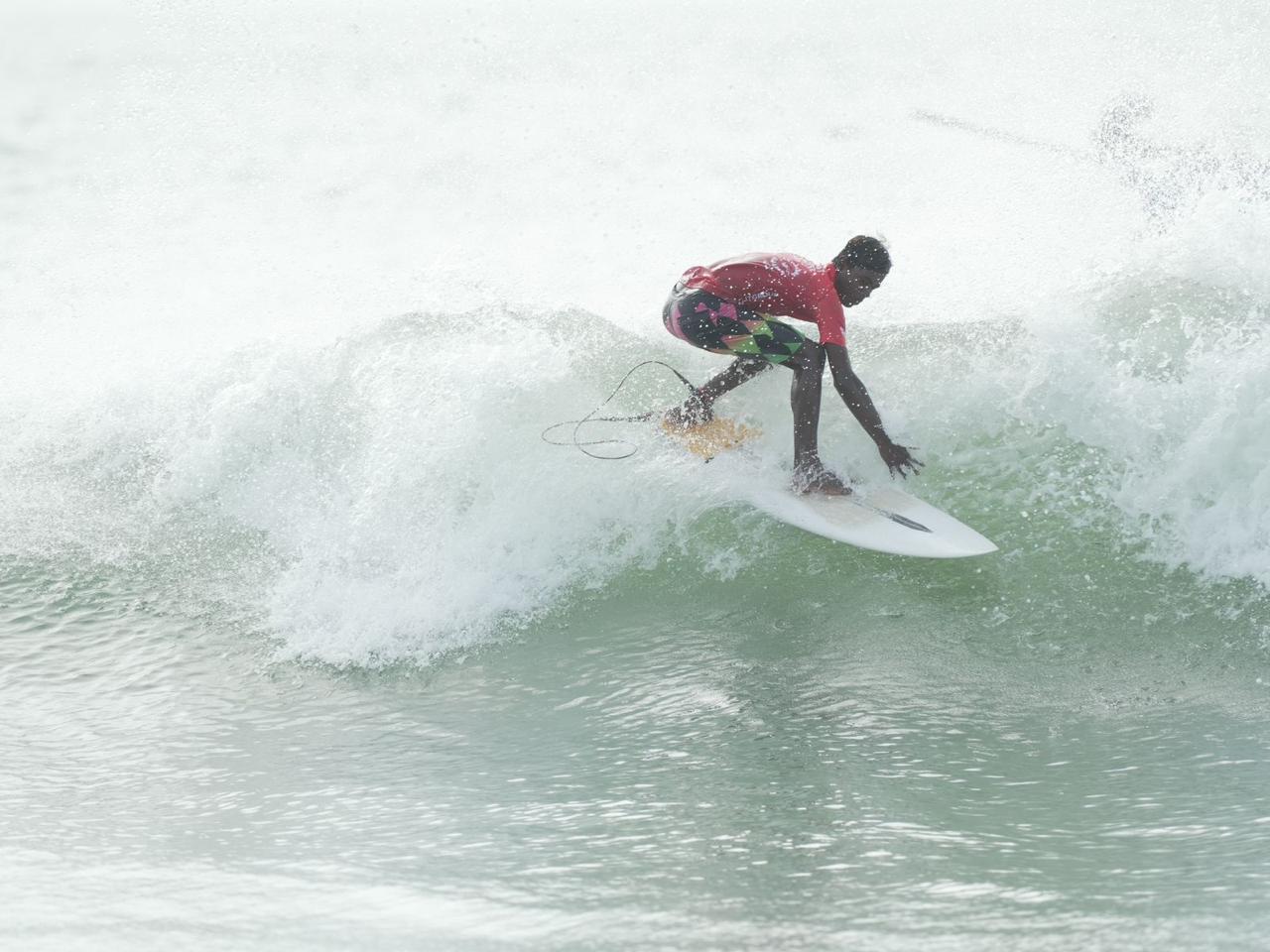
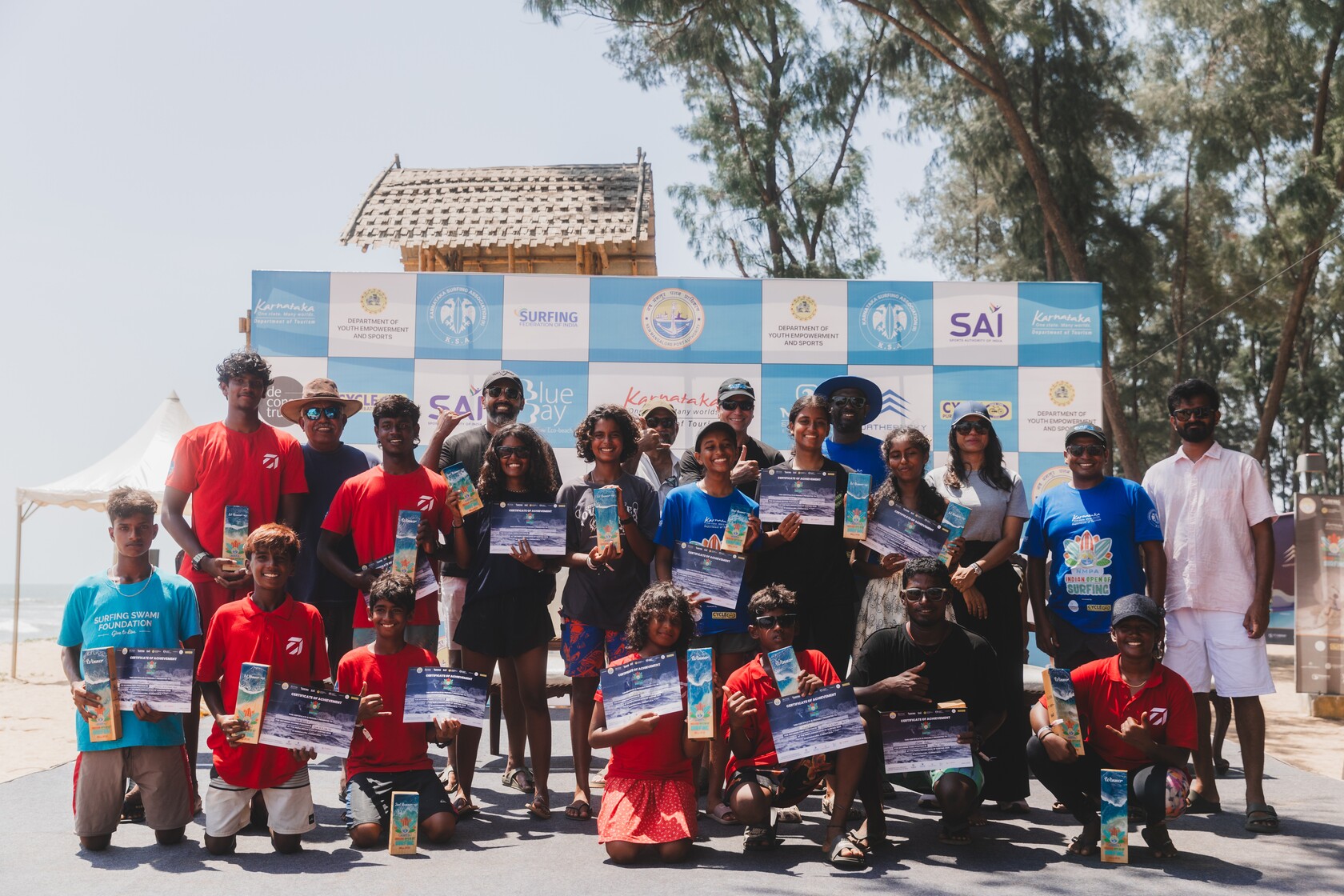
Indian surfing enters one of the most important weeks in its domestic history as the seventh edition of the NMPA Indian Open of Surfing 2026 gets underway at the Blue Bay Tannirbhavi Eco Beach in Mangalore from May 29 to 31.
More than 80 surfers from six states Karnataka, Tamil Nadu, Kerala, Telangana, Andhra Pradesh and Goa are set to compete across multiple categories in what is expected to become a defining tournament ahead of surfing’s historic debut at the Aichi-Nagoya Asian Games later this year.
For years, Indian surfing largely remained a niche coastal sport followed passionately within select communities. But with surfing now officially included in the Asian Games programme, the sport suddenly finds itself entering an entirely new phase of visibility, competitiveness and national significance.
That shift has dramatically raised the stakes surrounding this year’s Indian Open.
Far beyond domestic medals and rankings, performances in Mangalore could heavily influence India’s eventual Asian Games squad selection. As a result, every heat across the three-day competition is expected to carry added pressure for athletes hoping to represent the country on one of Asia’s biggest sporting stages.
The championship, organised by the Mantra Surf Club and Surfing Swami Foundation under the aegis of the Surfing Federation of India, has steadily evolved into one of the country’s flagship surfing events. The Karnataka Government continues supporting the tournament for a seventh straight year, while the New Mangalore Port Authority (NMPA) returns as title sponsor for the third consecutive edition.
This year’s event also serves as the second stop of the National Championship Series following the Little Andaman Pro earlier this season, making it even more important within the national rankings structure.
Much of the spotlight in Mangalore will naturally fall on India’s leading surfers who have consistently dominated the domestic circuit in recent years.
Among them, few names currently carry greater momentum than Ramesh Budihal.
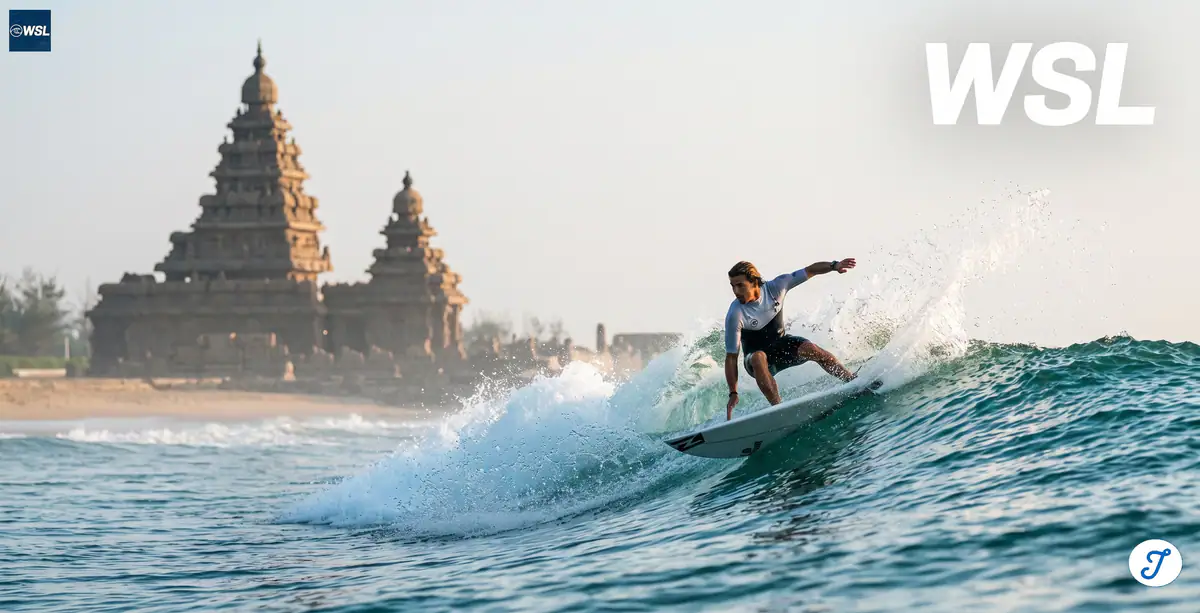
Ramesh recently created history at the Asian Surfing Championships in Mahabalipuram by becoming the first Indian surfer ever to reach the Open Men’s final before eventually securing a bronze medal. That breakthrough performance marked one of the biggest international achievements in Indian surfing history and firmly established him among the country’s strongest medal hopes heading into the Asian Games cycle.
His ability to handle pressure situations and perform consistently in high-level heats makes him one of the biggest favourites entering the competition. Tamil Nadu’s Shivaraj Babu will also attract significant attention after winning the Men’s Open title at the inaugural Little Andaman Pro earlier this year.
Known for his tactical discipline and intelligent wave selection, Shivaraj has emerged as one of the most reliable performers on the Indian circuit. Another strong showing in Mangalore could significantly strengthen his Asian Games selection prospects.
Youngster Kishore Kumar is another surfer expected to make a strong impact.
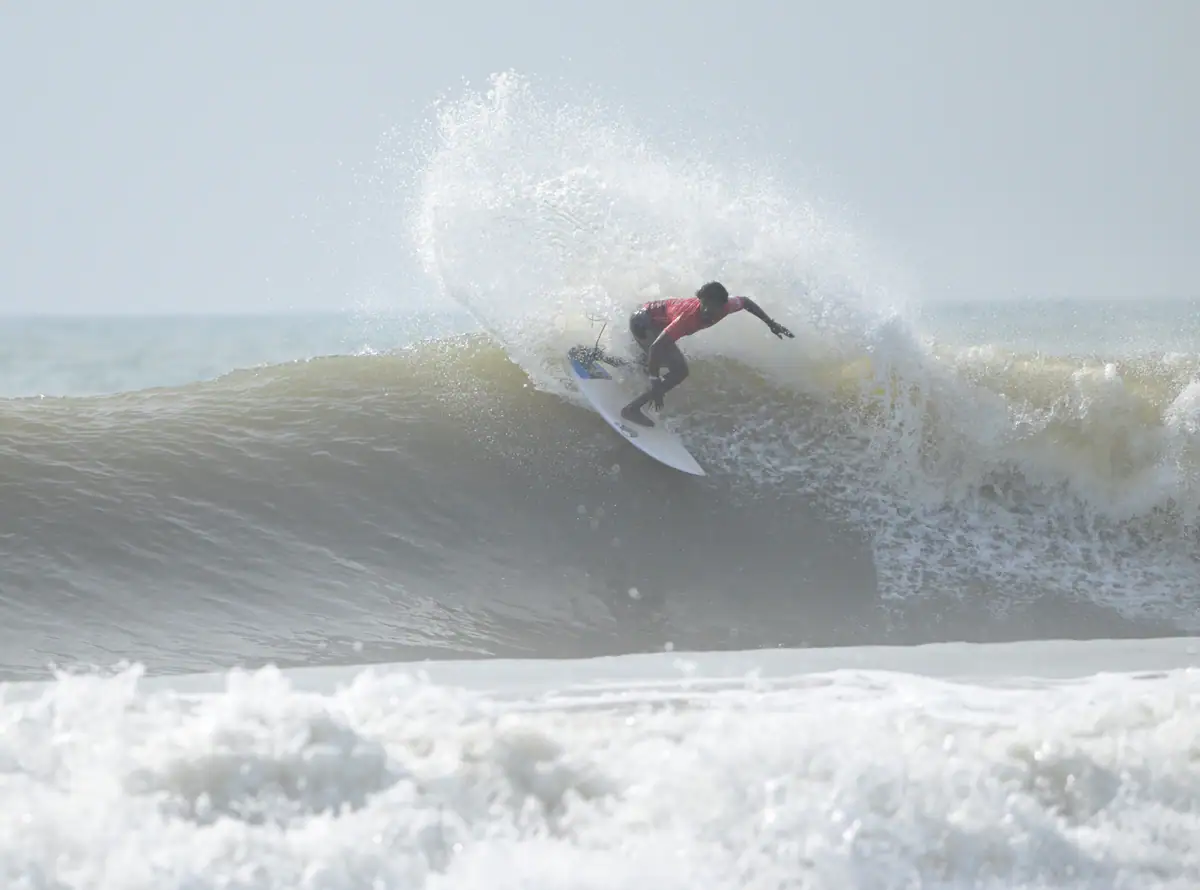
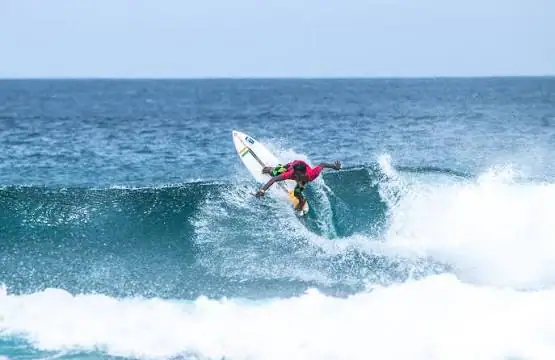
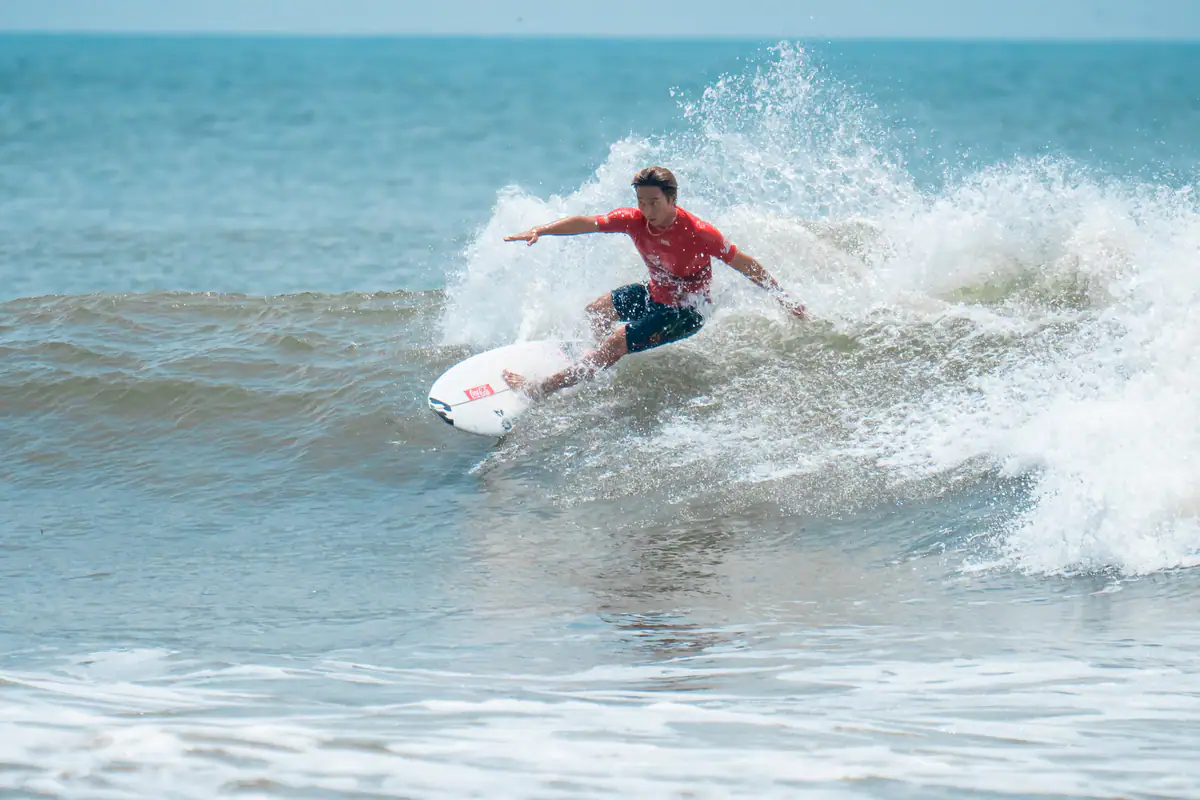
Over the last few seasons, Kishore has steadily developed into one of India’s brightest emerging talents through a series of impressive domestic performances. His technical precision and composure under pressure have already earned widespread recognition within Indian surfing circles. Meanwhile, Srikanth D enters the tournament as another serious contender after several consistent national-level performances. Unlike some of the more aggressive surfers on the circuit, Srikanth often relies on rhythm, clean execution and tactical awareness during closely contested heats.
The women’s competition promises to be equally competitive.
Kamali P remains one of the defining figures in Indian women’s surfing and continues to play a hugely influential role both competitively and culturally within the sport. Emerging from the Mahabalipuram surfing ecosystem, Kamali has represented India internationally and helped increase the visibility of women’s surfing nationally over the years. Her experience and tactical maturity make her one of the favourites in Mangalore.
Goa’s Sugar Shanti Banarse will also enter the event carrying strong expectations. Known for her fearless style and adaptability across varying surf conditions, Sugar has built an impressive reputation through multiple standout domestic performances in recent years. The depth in the women’s field reflects how rapidly Indian surfing has evolved, especially over the last decade.
While Tamil Nadu continues producing several of the country’s strongest surfers, Karnataka athletes will hope local familiarity with Tannirbhavi’s conditions can provide an advantage during the championship.
Beyond competition itself, the Indian Open has also played an important role in strengthening Mangalore and Dakshina Kannada’s identity as emerging hubs for surfing and ocean sports in India. The Blue Bay Tannirbhavi Eco Beach has steadily become one of the country’s key surfing venues, contributing not only to sport but also coastal tourism and youth engagement around ocean-based activities.
The timing of this year’s championship makes it especially significant. For the first time, Indian surfers are no longer competing solely for domestic recognition. The possibility of representing India at the Asian Games has fundamentally altered the competitive landscape. That reality will be visible across every heat in Mangalore.
Because for many surfers this week, the Indian Open is no longer just another domestic event.
It could become the gateway to Indian surfing history.
Comments (0)
to post comments, replies, and votes.
Loading comments…


 - Srikanth D.jpg)