Karman Kaur Thandi Ends India’s Grand Slam Singles Drought with French Open 2026 Qualifying Entry
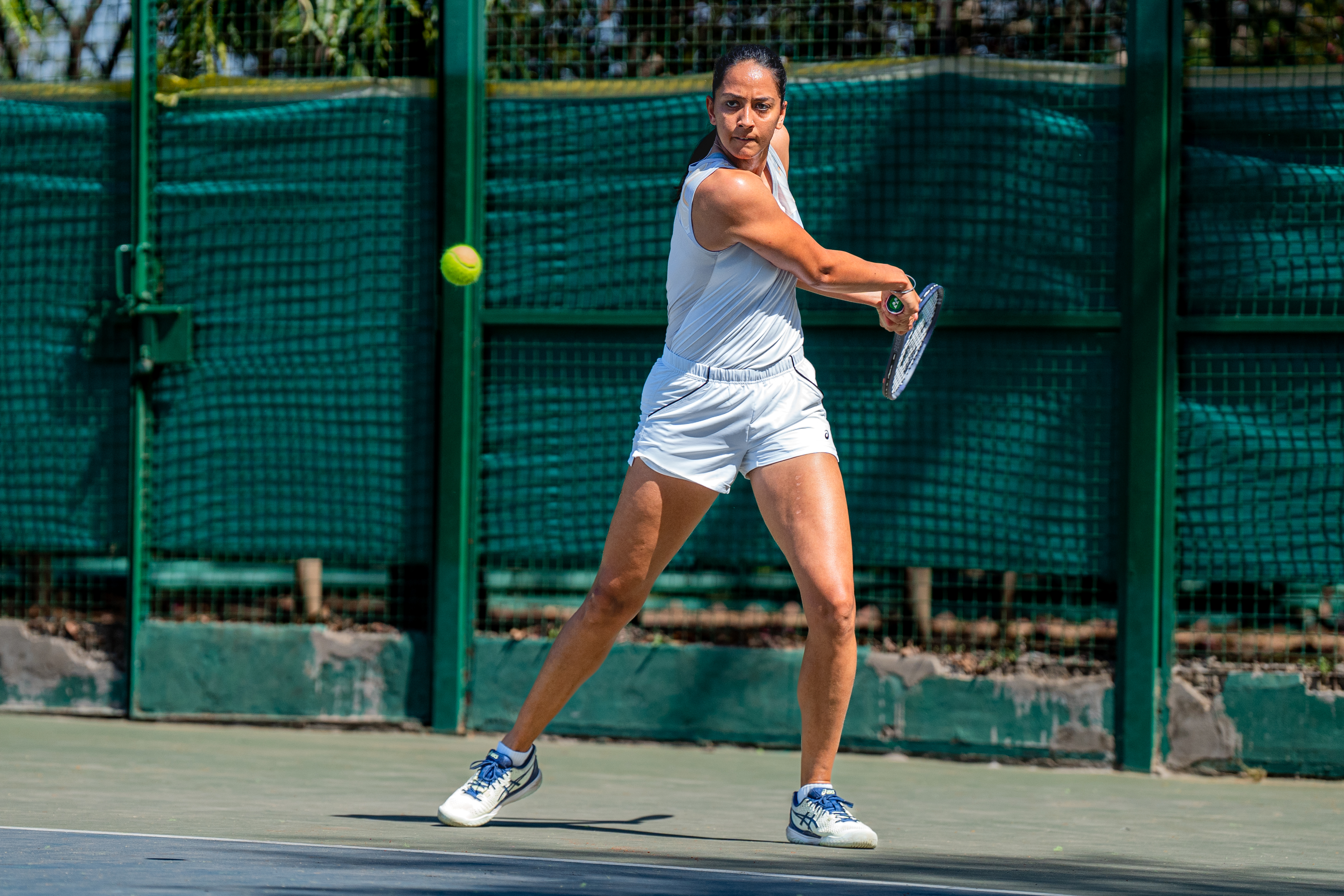
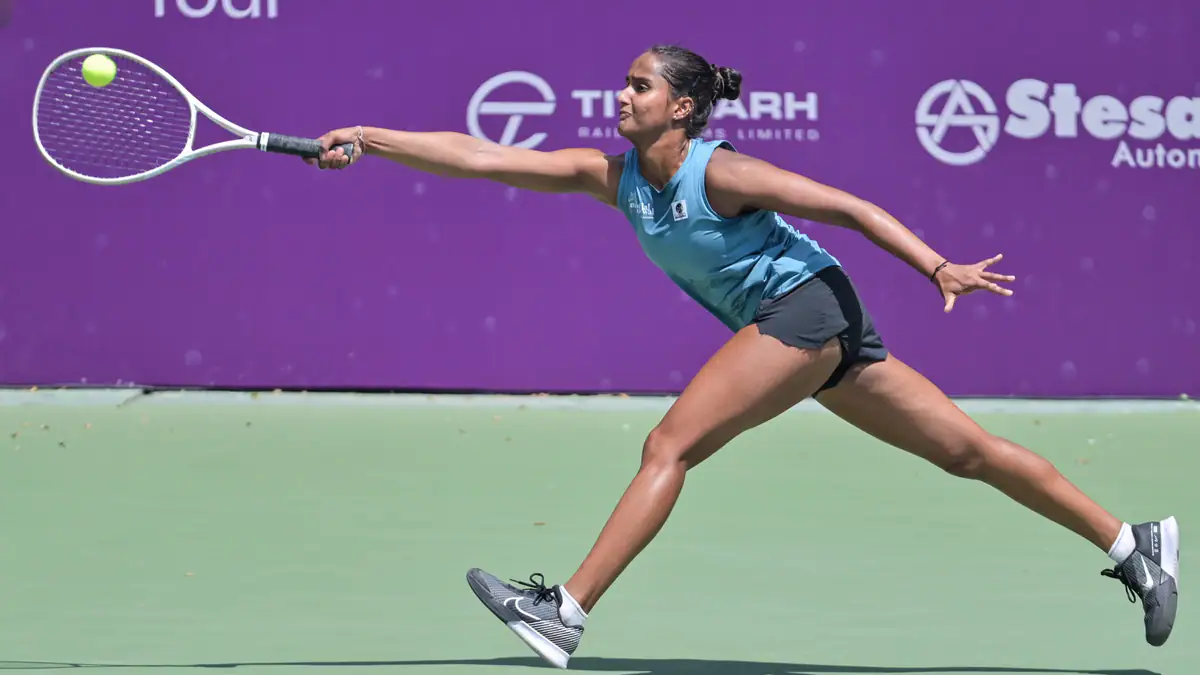
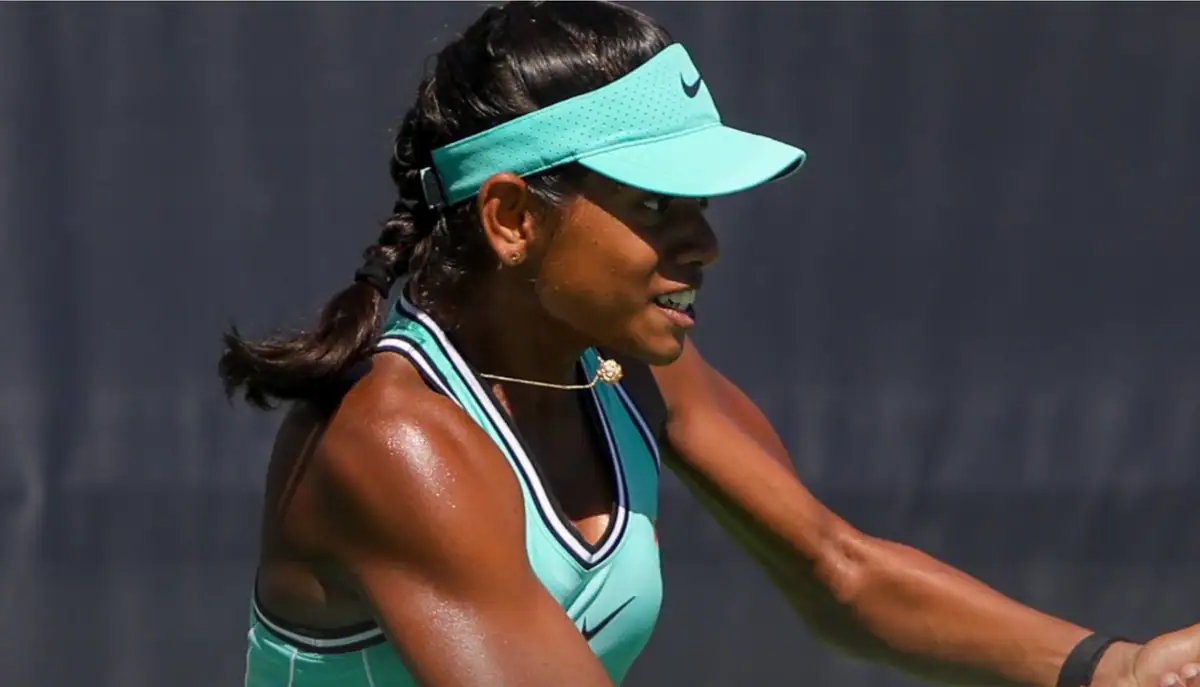
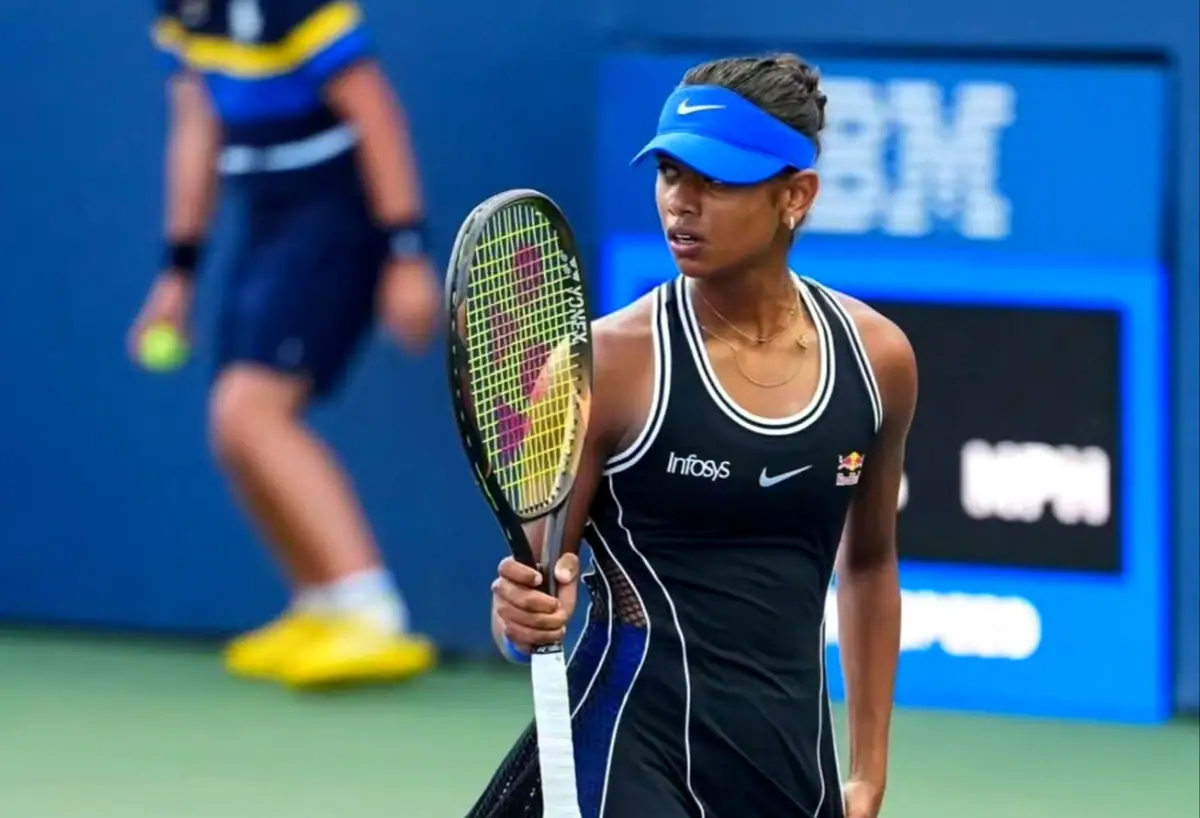
Indian tennis player Karman Kaur Thandi has secured her place in the women’s singles qualifying draw for the 2026 French Open, marking a significant moment for Indian singles tennis after a prolonged absence from Grand Slam main qualifying events.
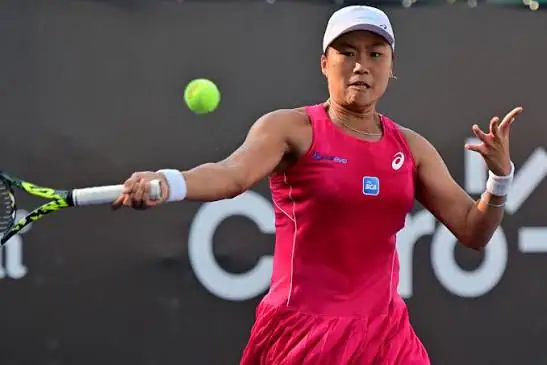
The 27-year-old will face France’s Harmony Tan in the opening round of qualifiers at Roland Garros, with both players entering the draw unseeded. More importantly, Karman’s participation officially ends India’s recent drought of representation in Grand Slam singles competition, offering a much-needed positive moment for Indian tennis.
Karman earned entry into the qualifying draw through her Protected Ranking (PR) of 238, which secured her a place among the official entrants. The Protected Ranking system exists to help players return to elite-level competition after extended injury layoffs. It allows injured athletes to enter tournaments using the ranking they held before being sidelined for a prolonged period. For Karman, the PR system has become a critical bridge back into top-tier tennis after injury interruptions severely disrupted her momentum over the past few seasons.
The Indian had once climbed steadily through the rankings and established herself as the country’s leading women’s singles player. However, recurring injuries halted that progress at a crucial stage of her career, limiting her ability to compete consistently on the international circuit.
Now, Roland Garros represents both a comeback opportunity and a symbolic return to the highest level of the sport.
Perhaps the most significant aspect of Karman’s entry lies in what it represents for Indian tennis structurally. India has historically struggled to sustain singles representation at Grand Slam events, especially on the women’s side. While the country has produced world-class doubles players over multiple generations, consistent singles success has remained elusive.
In recent years, the absence of Indian singles players in Grand Slam qualifying draws had become increasingly noticeable. Karman’s return therefore carries significance beyond her own career. It restores an Indian presence at one of tennis’ biggest stages and provides visibility for a struggling singles ecosystem.
Karman’s comeback journey has not been straightforward. Injuries forced her away from regular competition during key developmental years, making the process of rebuilding rankings and match fitness particularly demanding. Unlike players from stronger tennis systems with extensive federation-backed support, Indian professionals often face greater financial and logistical challenges during injury recovery periods.
That context makes Karman’s return to Grand Slam qualifying even more impressive. Speaking ahead of her opening-round match, the Indian reflected on the emotional significance of returning to Roland Garros.
“Roland Garros for me is a reminder that setbacks don't define you, the courage to return does. I'm proud to carry India onto one of the sport's biggest stages,” Karman said.
Her comments underline the psychological side of elite sport recovery where returning to competition can often feel as difficult as reaching it for the first time.
Karman currently trains at the Roundglass Tennis Academy in Chandigarh, which has increasingly positioned itself as one of India’s more structured high-performance tennis programs. The academy’s support during her rehabilitation and competitive return has been repeatedly acknowledged by Karman and her team. Beyond immediate results, her comeback also serves as a valuable example for younger Indian players navigating the transition into professional tennis.
In Indian sport, where injury setbacks frequently derail careers due to limited long-term support systems, successful returns at the elite level remain relatively uncommon. Karman’s ability to use her Protected Ranking effectively and re-enter Grand Slam competition highlights both personal resilience and the importance of stable developmental environments.
Her first-round opponent, Harmony Tan, presents a difficult opening test. The French player possesses significantly greater experience at the WTA and Grand Slam level, including notable performances at Wimbledon in previous seasons. Playing in home conditions also gives Tan a clear advantage.
However, qualifying draws at Grand Slams often produce unpredictable matches, particularly when players are rebuilding confidence after injuries or ranking drops. For Karman, the immediate objective will likely focus less on rankings and more on rediscovering rhythm against elite competition.
Even before stepping onto court, Karman Kaur Thandi’s presence in Paris already carries symbolic weight. At a time when Indian singles tennis continues searching for consistent international relevance, her return to Grand Slam qualifying offers a reminder that pathways back remain possible despite setbacks.
Whether she progresses deep into qualifying or not, the broader significance remains clear: India once again has representation in Grand Slam singles competition.
And for Karman Kaur Thandi, that journey back may ultimately become as meaningful as any result itself.
Comments (0)
to post comments, replies, and votes.
Loading comments…