Why Satwik-Chirag Losing to Leo-Marthin Was Not a ‘Shock Upset’
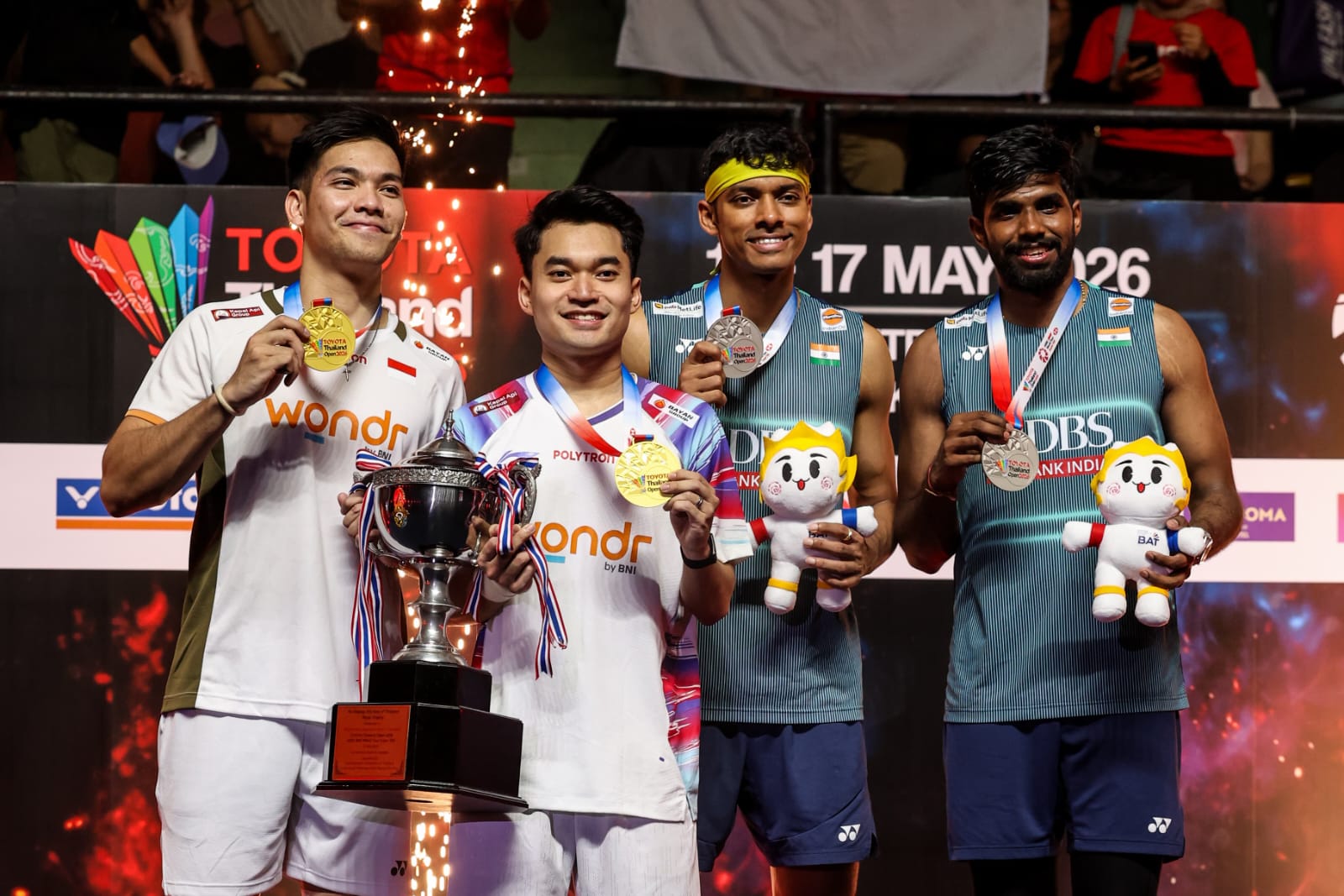
The criticism directed at Satwiksairaj Rankireddy and Chirag Shetty after their Thailand Open 2026 final defeat says more about the lack of understanding around men’s doubles badminton than the result itself.
A large section labelled Indonesia’s Leo Rolly Carnando and Daniel Marthin as a “random unseeded pair” after the Indians lost the title clash. But anyone who has followed international badminton closely over the last few years knows that description could not be further from reality. Leo and Marthin were among the most exciting young men’s doubles pairs in the world before injuries and partnership disruptions affected their rankings. At their peak, the Indonesians had already climbed into the world top 10, won multiple BWF titles and established themselves as one of Indonesia’s next major doubles combinations.
They were world junior champions, Asian junior champions and widely viewed as future medal contenders at the senior level. Their unseeded status in Bangkok had little to do with their actual quality.
The biggest reason behind their ranking drop was Daniel Marthin’s serious knee injury in 2025. The injury required surgery and kept him away from the circuit for an extended period. During that phase, Indonesia reshuffled several partnerships, meaning Leo and Marthin were no longer playing consistently together. As a result, their ranking points disappeared and they slipped down the standings. That is the reality of modern badminton rankings. Seedings often reflect continuity more than pure ability.
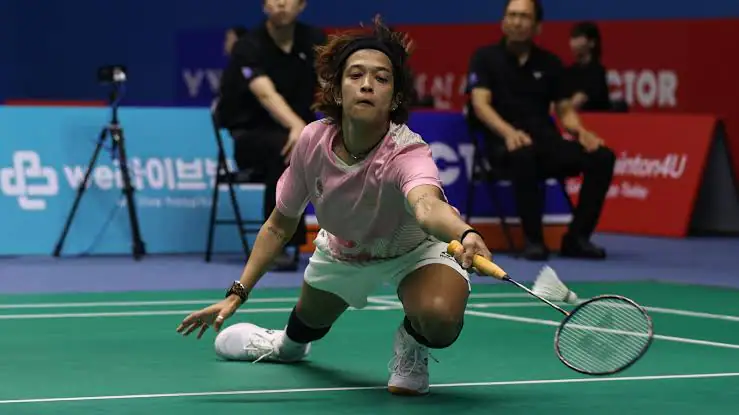
Anyone watching the Thailand Open draw carefully already knew Leo-Marthin were among the most dangerous floaters in the tournament. In fact, most top pairs would have preferred avoiding them altogether in the early rounds. By the time the final arrived, the Indonesians were clearly rediscovering their rhythm. Marthin looked physically sharp again, while Leo’s aggressive front-court play and fast interceptions were back to their best.
The final itself showed exactly why they remain such a dangerous pair.
The Indonesians never allowed Satwik and Chirag to settle into their preferred attacking rhythm. They kept the exchanges flat, reduced lifting opportunities and forced quick drive battles where they consistently held the initiative. Marthin’s steep jump smashes also created constant pressure from the rear court. Satwik and Chirag struggled badly in the opening game as Leo-Marthin raced away to a dominant 21-12 win. The Indians looked slightly rushed in rallies and committed several uncharacteristic errors under pressure.
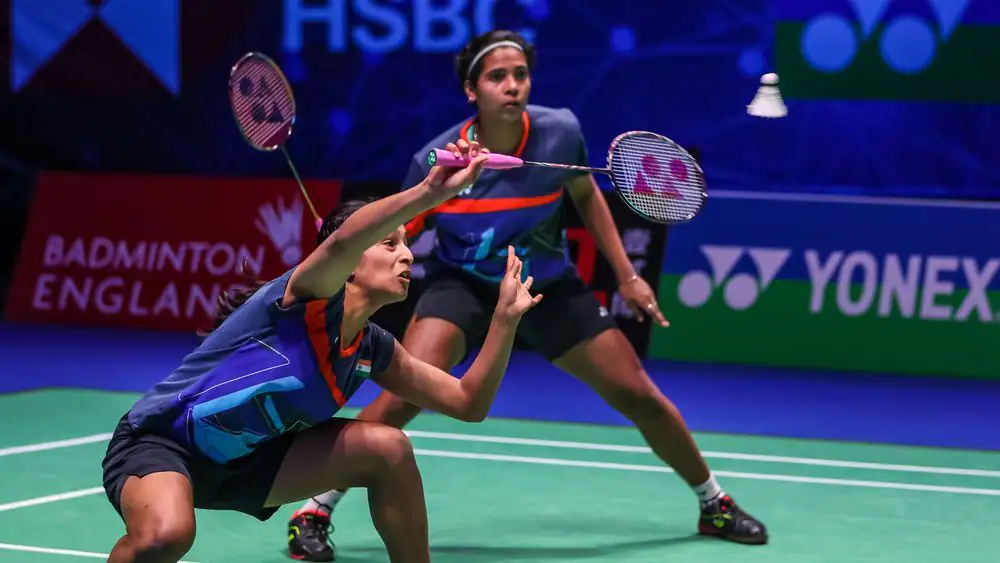
To their credit though, SatChi responded strongly in the second game. The Indian pair slowed certain rallies, improved their defensive structure and started creating better attacking angles. Their resilience became evident as they saved four championship points and pushed the game deep into extra points territory.
But at the crucial moments, the Indonesians remained calmer and executed better under pressure, eventually sealing the title 25-23. There is also important context around Satwik and Chirag’s own condition entering the final. This was their first final of the 2026 season after a difficult phase disrupted by injuries and inconsistent form. Satwik, in particular, had dealt with shoulder issues earlier in the year, affecting the pair’s continuity on tour.
Across the Thailand Open week, the Indians had already played several physically demanding matches, including an exhausting 82-minute semifinal against Malaysia’s Goh Sze Fei and Nur Izzuddin. That comeback victory required enormous physical and mental energy. By the final, fatigue was visible at certain stages of the match.
That does not take away from Leo-Marthin’s performance, but it adds perspective to the contest.
Ironically, the reaction after the defeat only reinforced a point Satwik and Chirag themselves have spoken about previously. Indian badminton players have often highlighted how many fans judge performances only through rankings, medals or seed numbers without understanding the deeper tactical and physical aspects of the sport. Men’s doubles badminton today is incredibly competitive. Former champions and elite pairs can easily become unseeded after injuries, temporary splits or inconsistent scheduling. That does not suddenly make them weak opponents.
Leo-Marthin were never ordinary players. Indonesia, after all, remains one of the greatest badminton nations in history, especially in men’s doubles. Their depth in the discipline is unmatched, and new partnerships constantly emerge from an extremely strong domestic system.
Viewed in that context, Satwik and Chirag’s loss was not some disastrous collapse against unknown opposition. It was a high-level battle between two elite pairs, one of whom happened to be rebuilding their ranking after injury setbacks. Despite the disappointment of missing the title, the Thailand Open still represented a positive week overall for the Indian duo.
They reached their first final of the season, defeated several strong opponents and showed signs of regaining rhythm ahead of bigger tournaments later in the year. Most importantly, they looked physically sharper and mentally more resilient compared to earlier events this season.
For Indian badminton, the bigger takeaway should perhaps be patience rather than panic.
Satwik and Chirag remain among the strongest men’s doubles pairs in the world. One close defeat against a returning top-quality Indonesian combination does not suddenly change that reality.
Comments (0)
to post comments, replies, and votes.
Loading comments…