2030 FIFA World Cup Qualifiers: India in Pot 3 as AFC Draw Set to Shape Road to Morocco, Portugal and Spain
India are projected to be in Pot 3 for the 2030 FIFA World Cup Asian qualifiers draw on December 15, 2026. Explore the expected format, pots and qualification route.
The Asian qualifying draw is scheduled for December 15, 2026, with India placed in Pot 3. The Blue Tigers could face a challenging group featuring one of Asia’s top-ranked sides, while the revised format offers a clear route towards the third round.
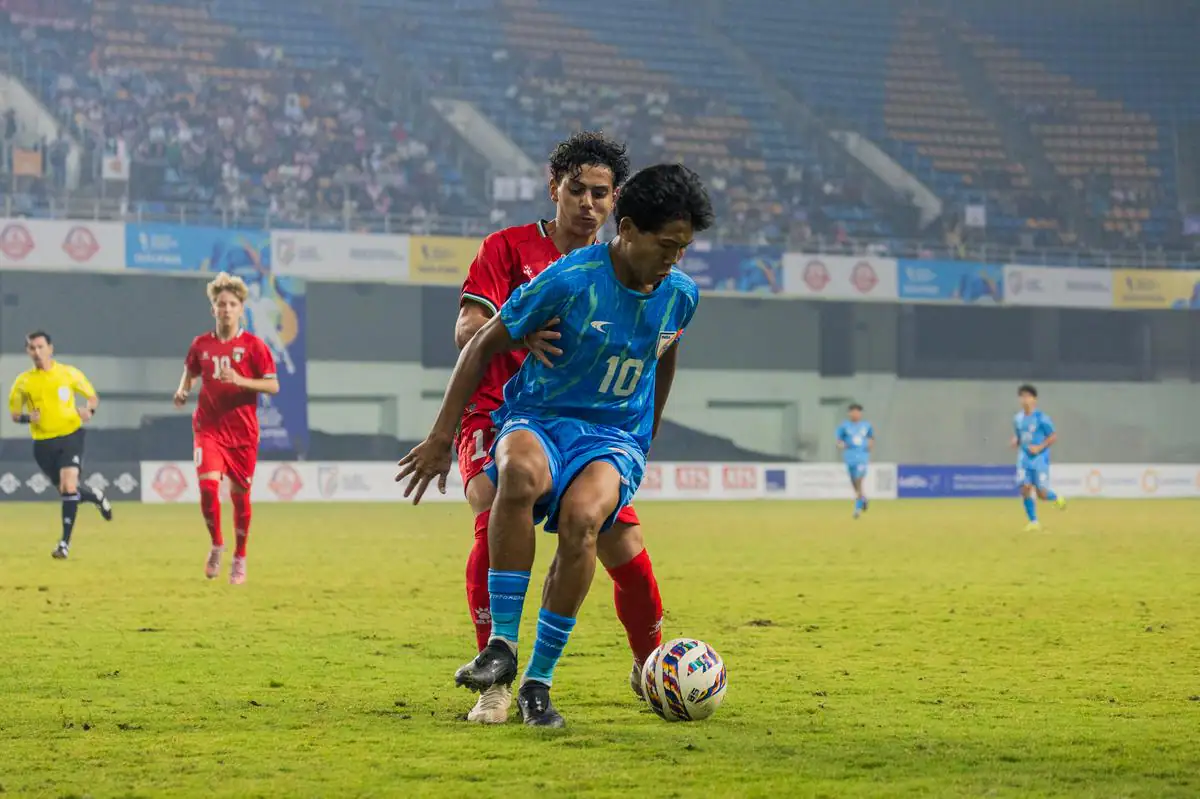
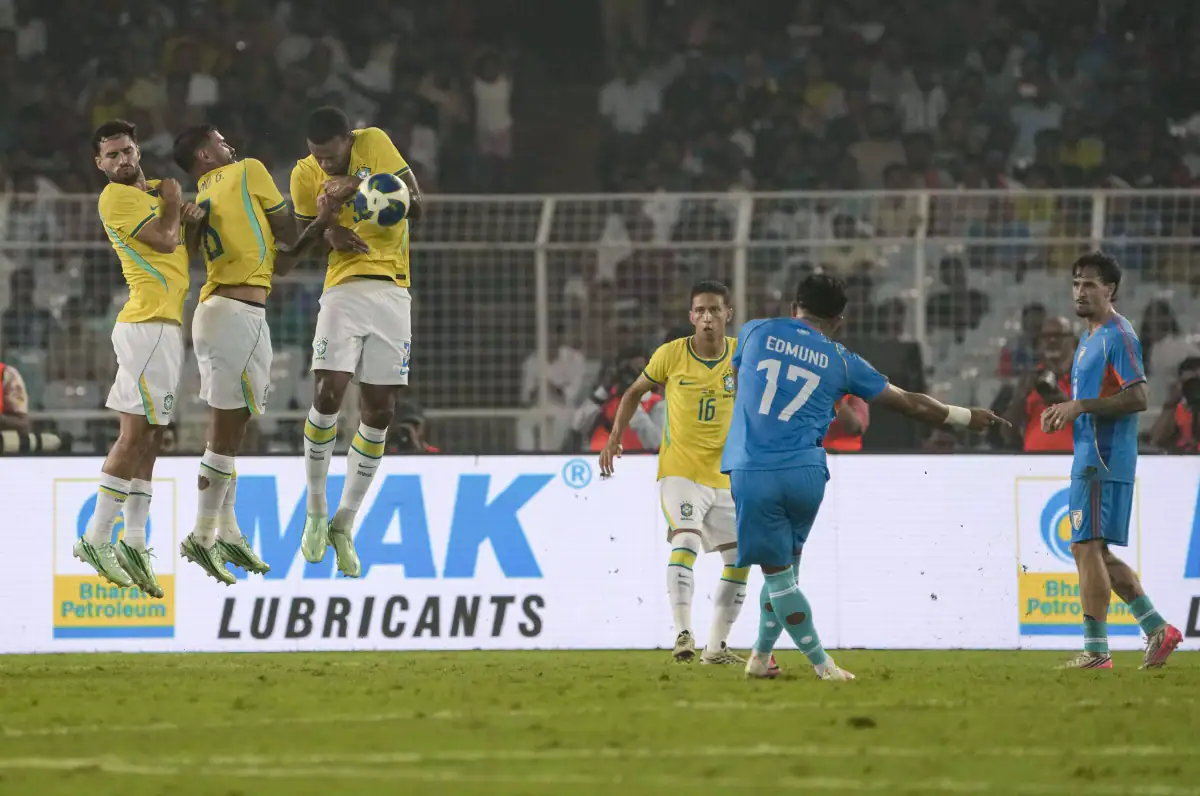
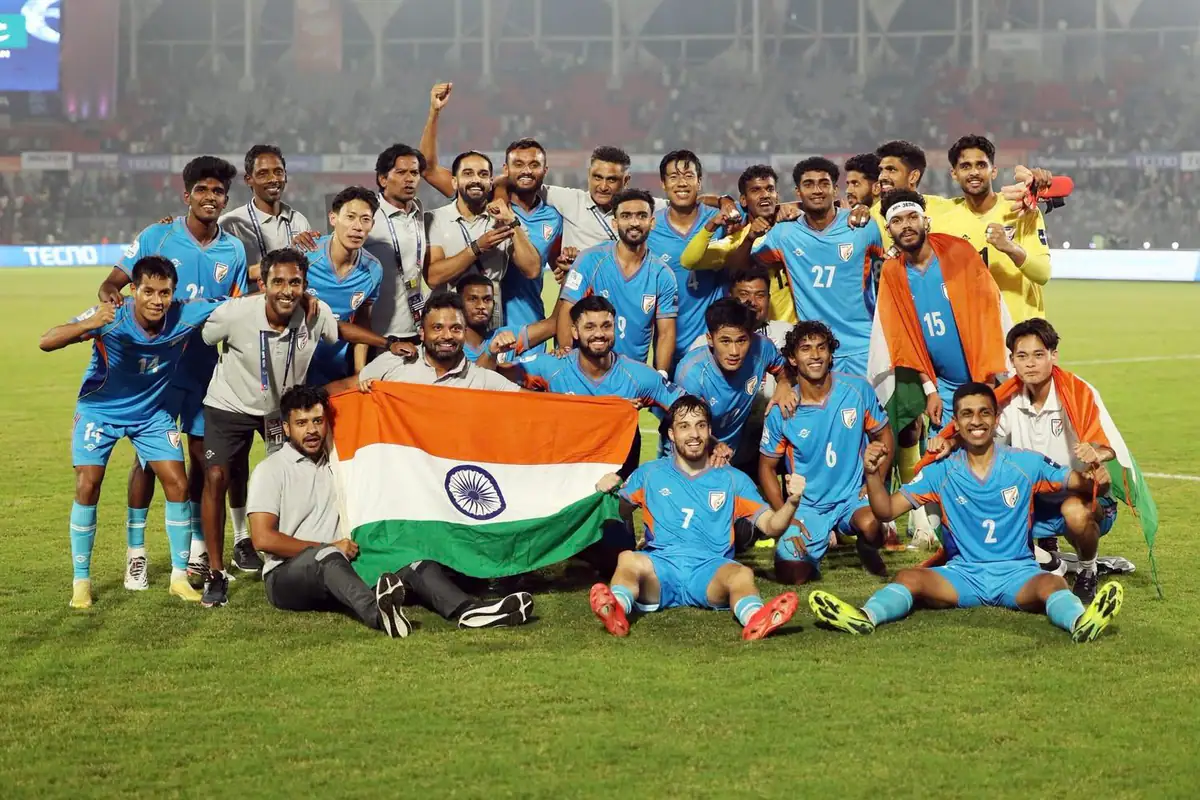
The road to the 2030 FIFA World Cup is beginning to take shape for Asian national teams, with the draw for the opening stages of the AFC qualification campaign scheduled for December 15, 2026. For India, the draw will be an important moment as the Blue Tigers look to understand the challenge ahead and identify the opponents standing between them and a place at football’s biggest tournament.
India has been placed in Pot 3 alongside the Kyrgyz Republic, Lebanon, Indonesia, North Korea, Malaysia, Kuwait and the Philippines. This means India could be drawn against a Pot 1 heavyweight such as Japan, Iran, Australia or South Korea, as well as a Pot 2 opponent including Jordan, Oman, China or Palestine.
The proposed group-stage structure features nine groups of four teams, with each side playing six matches three at home and three away. The top two teams from every group will progress to the third round.
The proposed second-round format will feature 36 teams divided into nine groups of four. Each team will play six matches, with three at home and three away. The top two teams from every group 18 in total will advance to the third round.
The first round is expected to feature the lower-ranked AFC nations competing in two-legged play-offs. The 10 winners will join 26 directly seeded teams in the second round. This structure gives lower-ranked nations a route into the main qualifying competition while allowing the continent's higher-ranked teams to enter directly.
The reported schedule points to the first round beginning in March 2027, followed by the second round in September 2027. The December 15 draw is expected to cover both opening rounds and determine the initial group-stage match-ups.
There are nine teams in each of the first three pots, with the remaining nine positions in Pot 4 reserved for first-round winners.
Pot | Teams |
|---|---|
Pot 1 | Japan, Iran, Australia, South Korea, Saudi Arabia, Uzbekistan, Qatar, Iraq, UAE |
Pot 2 | Jordan, Oman, Syria, Thailand, Palestine, China, Bahrain, Vietnam, Tajikistan |
Pot 3 | Kyrgyz Republic, Lebanon, Indonesia, North Korea, Malaysia, Kuwait, Philippines, India, one first-round winner |
Pot 4 | Nine first-round winners |
For India, Pot 3 placement means a potentially demanding group. The Blue Tigers could be drawn against one of Asia's established footballing powers from Pot 1 and a competitive opponent from Pot 2. They would also face a Pot 4 team that has progressed through the opening play-off round.
Australia among the top seeds, but no easy groups
Australia's placement in Pot 1 is significant, but it does not guarantee a straightforward qualification campaign. The Socceroos could face a difficult combination from the other pots, particularly if they draw a strong Pot 2 side and an emerging team from Pot 3.
The same challenge applies to other top seeds. Japan, Iran and South Korea will be expected to progress, but the single round-robin format makes every match important. With only six fixtures, a poor result can have a significant impact on the final standings.
Teams such as Jordan, Oman, China, Palestine and Vietnam could also make life difficult for the top seeds. Meanwhile, Indonesia, Malaysia and the Philippines are among the Pot 3 sides capable of making their presence felt.
For India, avoiding one of the strongest combinations will be important, but the priority must be to build a team capable of competing consistently against higher-ranked opposition. The group stage offers six matches to establish that standard.
India's placement in Pot 3 gives the December draw considerable importance. A favourable group could provide the Blue Tigers with a realistic opportunity to reach the third round, but the challenge will remain substantial regardless of the opponents.
Progression from the second round would mean finishing among the top two in a group of four a target that requires consistency across home and away fixtures. India's home matches could be particularly important, with the team needing to turn home advantage into points before facing difficult away assignments.
The wider objective is to move deeper into the Asian qualification structure and compete for a place at the 2030 World Cup, which will be hosted by Morocco, Portugal and Spain, with centenary matches also scheduled in South America.
The December 15 draw will provide the first clearer picture of India's route. Until then, the projected pots offer an indication of the possible challenges rather than a confirmed group-stage allocation.
For Indian football, the immediate target is clear: secure a place among the 18 teams advancing from the second round. The road to 2030 will be long, but the first major step begins with the draw.
Comments (0)
to post comments, replies, and votes.
Loading comments…