All Roads Lead to New Delhi: The Badminton World Championships Come Home
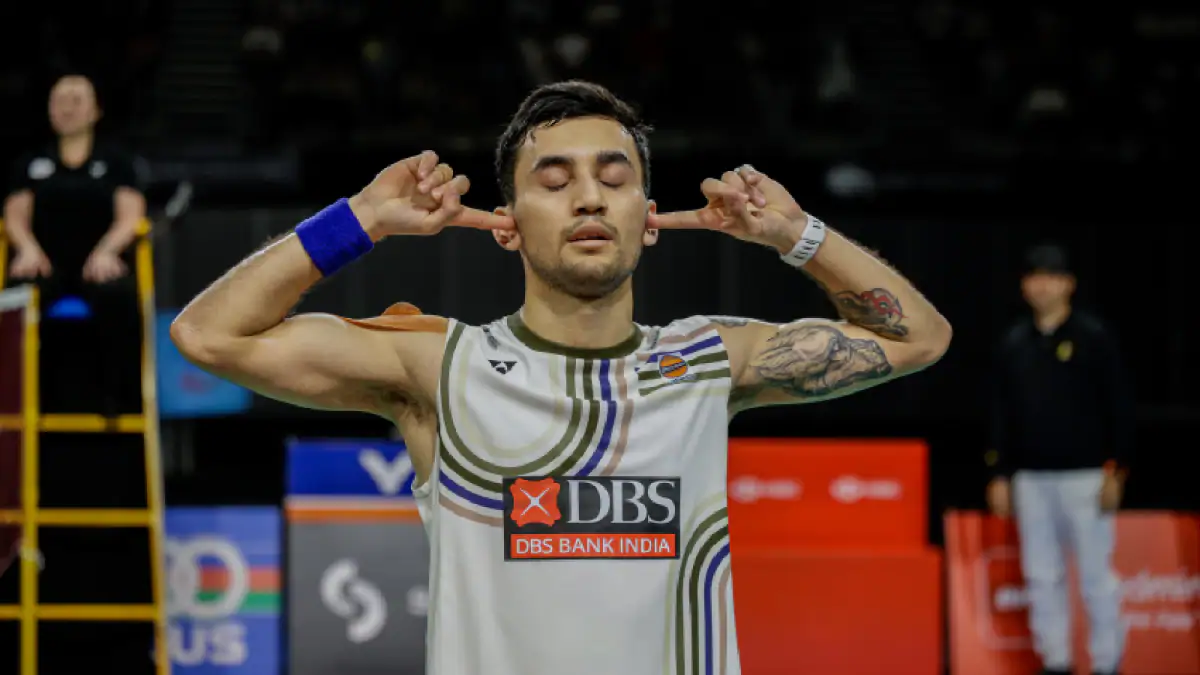
From 17 to 23 August, the center of the badminton world will be New Delhi.
For one week, the Indira Gandhi Indoor Stadium will become the stage for the 30th BWF World Championships, bringing the sport's best players to India nearly half a century after the tournament began in Malmö in 1977 and 17 years after New Delhi last hosted the event.
This is not simply another stop on the badminton calendar. There is no league table to climb. No franchise contract waiting at the end of the week. No tomorrow for the player who loses at the wrong moment. There are five world titles, official medals, 14,500 ranking points for the champions, and something far more valuable than either.
A place in history. That is what makes the World Championships different. You arrive as a contender.
You leave as a world champion. Or you leave without the title.
The World Championships have always had a brutal way of separating outstanding players from those who become part of badminton history. China has dominated the competition like no other nation. Its players have swept all five gold medals at the same edition on three occasions in 1987, 2010 and 2011.
But the history of the tournament extends far beyond China's dominance. Indonesia brought its unmistakable flair and fighting spirit. Denmark carried the European challenge for generations. South Korea built an extraordinary tradition in the doubles events. Japan developed into one of badminton's major powers, while Chinese Taipei produced players capable of turning matches into spectacles.
Every era has created its own stars. Some remained at the top for years. Others arrived at precisely the right moment, won a major title and disappeared from the centre of the story. A select few became legends. India's journey has followed a more difficult path.
India's World Championships story began with Prakash Padukone. At Copenhagen in 1983, Padukone won bronze in men's singles, becoming the first Indian to win a World Championships medal. Then came a long wait.
It took 28 years for India to return to the podium.
In 2011, Jwala Gutta and Ashwini Ponnappa ended that drought with bronze in women's doubles. Four years later, Saina Nehwal went further, becoming the first Indian woman to reach a World Championships final. Her silver medal in Jakarta in 2015, followed by bronze in 2017, changed the expectations around Indian women's badminton.
Then came P.V. Sindhu.
And the story changed again.
Sindhu has won five World Championships medals: two silver, two bronze, and the gold medal in Basel in 2019. That victory remains historic. Sindhu is still the only Indian badminton player to become a World Champion. But her impact extends beyond her own medal collection.
A generation of Indian players began approaching the biggest tournaments with a different mindset. Men's singles developed regular contenders. Doubles gained greater visibility. Younger players began growing up believing that the world's best were not unreachable. The journey from Padukone to Sindhu was not straightforward.
There were defeats, near misses, and careers that came agonizingly close to the biggest prize.
But eventually, Indian badminton established itself as a force. Now the World Championships return to Delhi. Five disciplines. Five world champions. And a field in which the margins between winning and losing will be extraordinarily small.
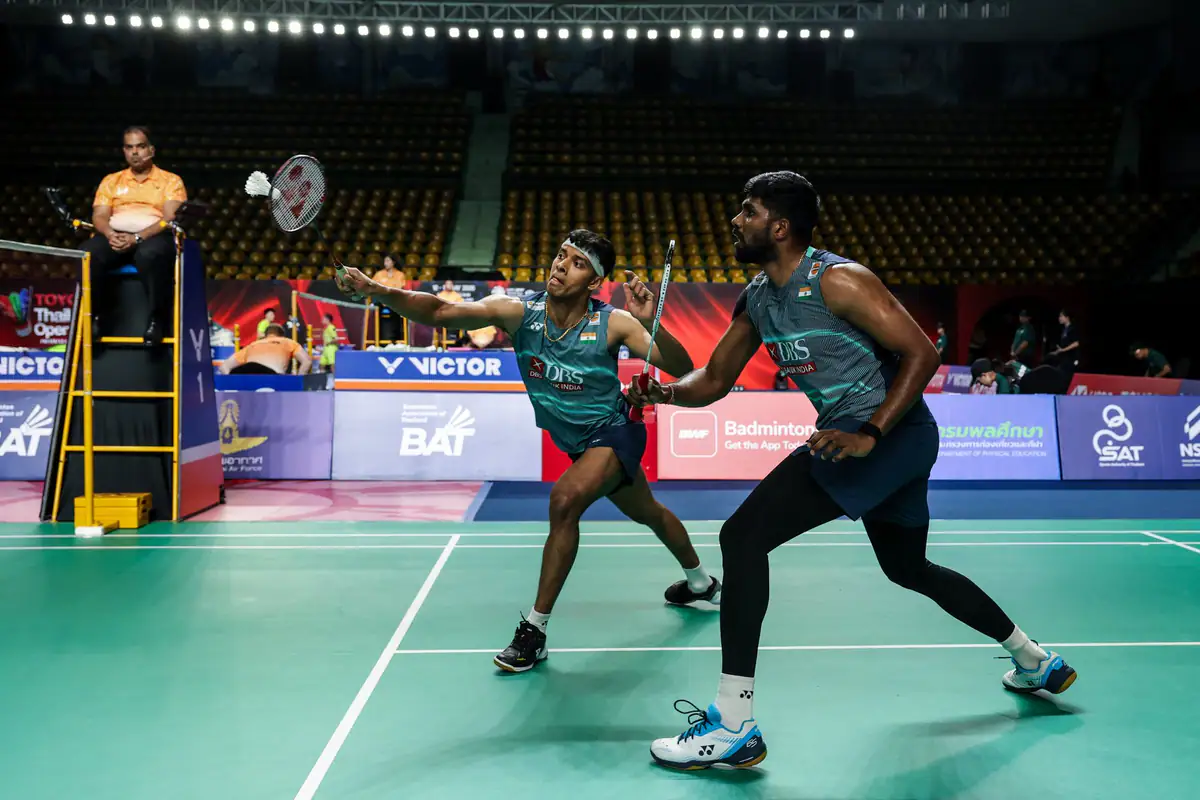
India enters the tournament with genuine medal ambitions. In men's doubles, Satwiksairaj Rankireddy and Chirag Shetty, seeded fifth, will carry significant expectations. The Indian pair will have the advantage of playing in front of a home crowd that has followed their rise closely.
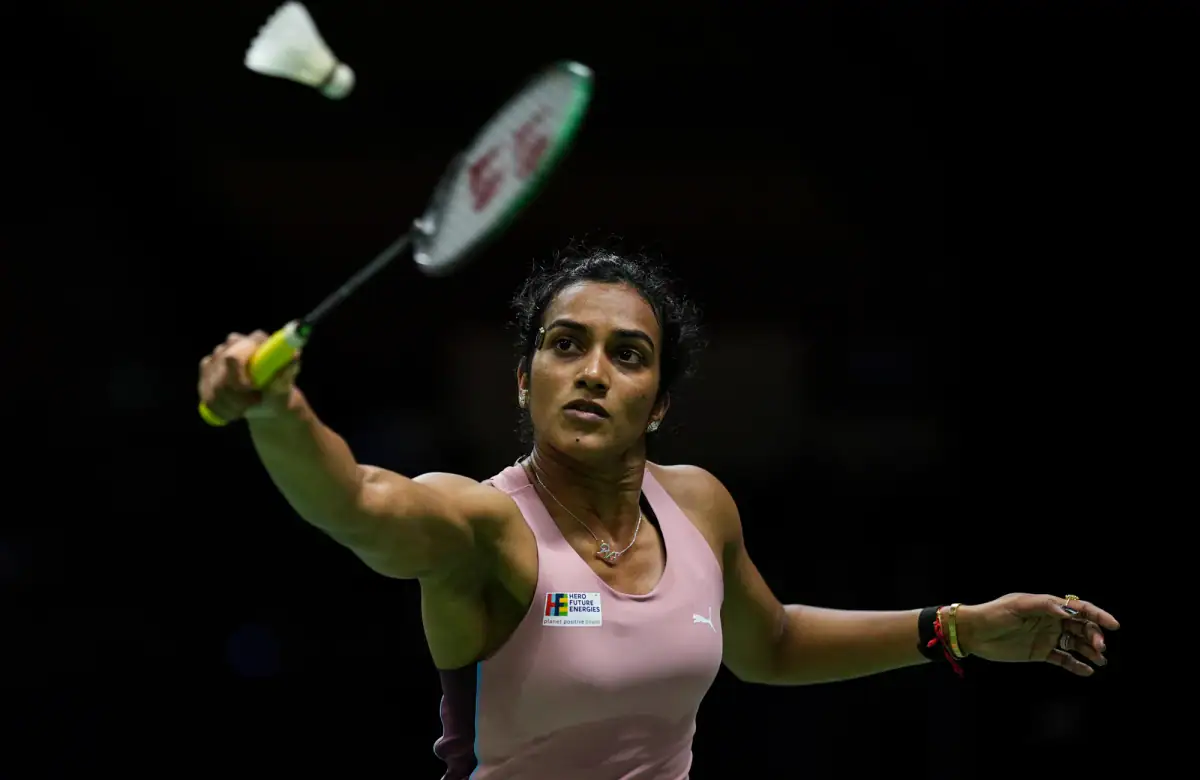
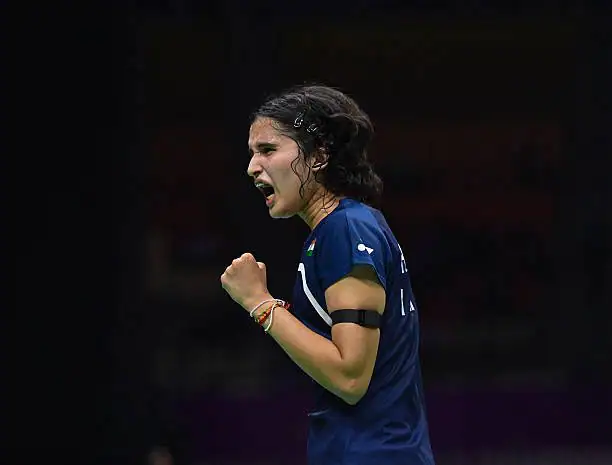
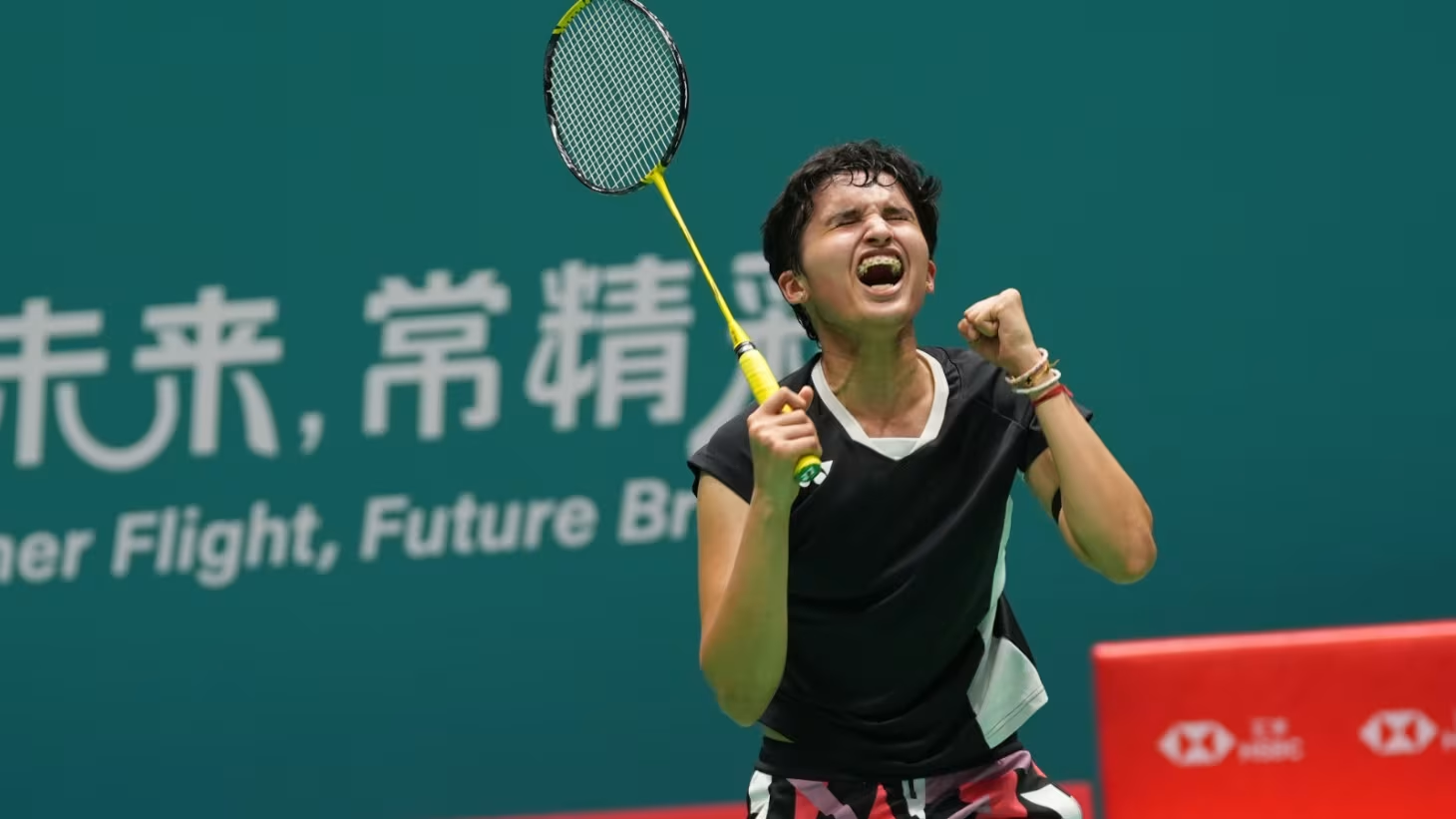
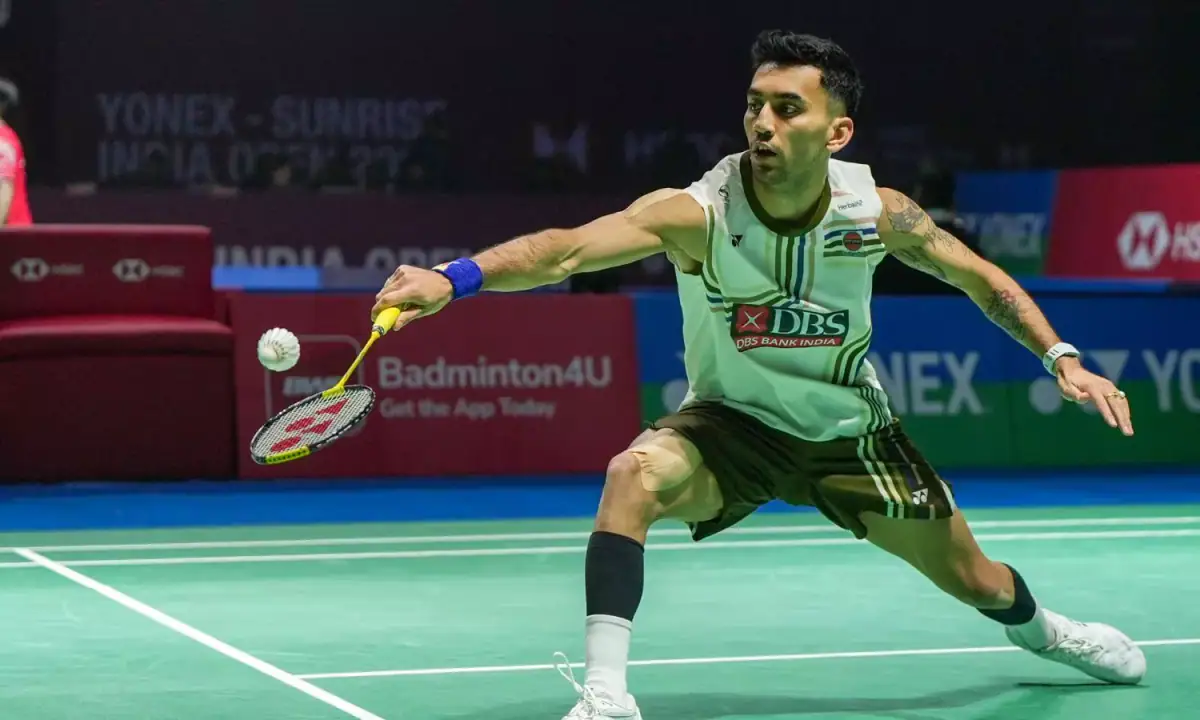
P.V. Sindhu, seeded ninth, returns to the tournament where she has already created some of the most important moments in Indian badminton history. In men's singles, Lakshya Sen, the 14th seed, has already shown that he can challenge the world's best when he finds his rhythm.
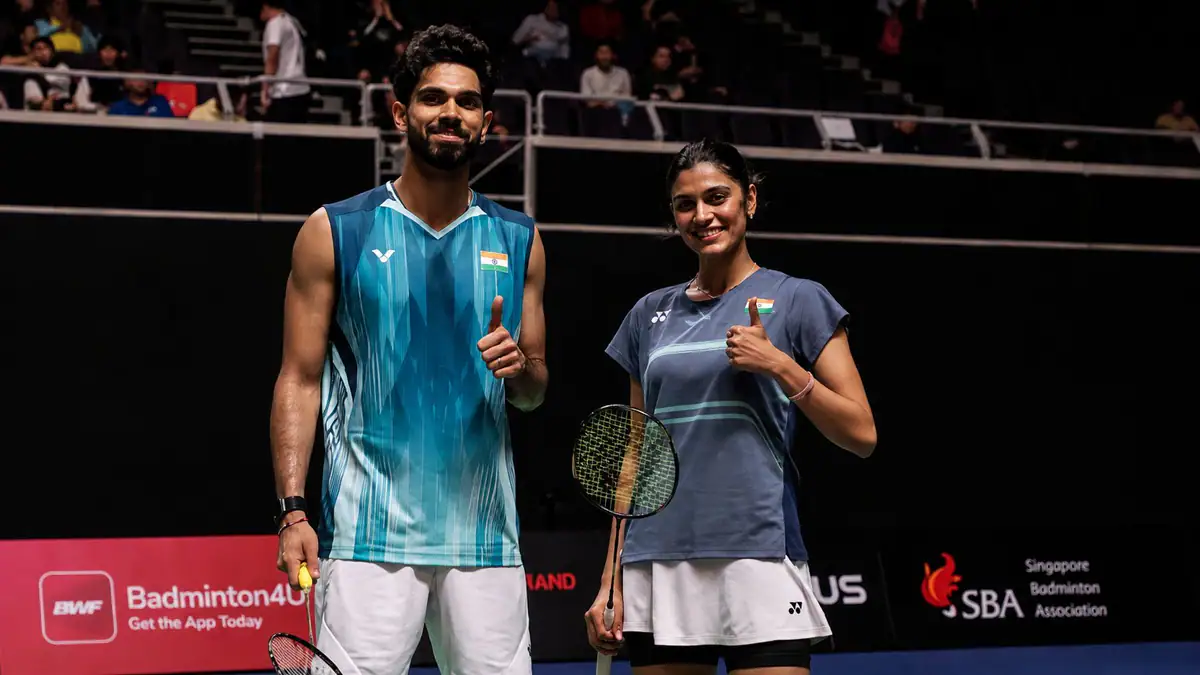
And in mixed doubles, Dhruv Kapila and Tanisha Crasto, seeded 15th, will be looking to create their own run deep into the tournament. But at the World Championships, seeds are only numbers beside names.
A favorite can disappear before the weekend. A lower-ranked player can suddenly discover the form of a lifetime. A veteran can find one final burst of brilliance. That uncertainty is part of the attraction.
Why New Delhi Matters
Hosting the World Championships is significant because badminton's biggest tournament is returning to a country where the sport has grown from a popular pastime into one of India's major sporting pursuits.
For Indian supporters, the experience will be different this time. The world's best players will not be thousands of kilometers away. They will be in New Delhi, competing just a few rows away from the spectators watching from the stands. For Indian players, however, a home world championship brings another dimension.
Pressure.
A home crowd can carry a player through moments when the legs become heavy and the breathing gets harder. But the same crowd also brings expectations.
Every winner will be celebrated. Every mistake will be noticed. And when a third game reaches 19-all, the noise inside the stadium can feel like another force on the court. The Indira Gandhi Indoor Stadium will therefore be more than a venue.
For seven days, it will become part of the contest.
The tournament will bring together the best stories in badminton. There will be favorites trying to justify their status. Young players looking for their breakthrough. Experienced champions attempting another run at glory. There will be long rallies, unexpected upsets, dramatic comebacks, and moments that cannot be predicted before the first shuttle is struck.
There will also be heartbreak. For every player who wins a world title, another contender will walk away knowing how close they came. That is the nature of a World Championship. The draw may tell us who can meet whom. Rankings may tell us who should win. Form may offer clues.
But once the shuttle goes into the air, none of it guarantees anything. From 17 to 23 August, New Delhi becomes the crossroads of world badminton.
The best players will arrive. The first shuttle will be served. And seven days later, five players or pairs will have something the rest of the field can only dream about.
They will be world champions.
For everyone else, the wait begins again.
The shuttles are coming home.
Follow the Author on Substack
Comments (0)
to post comments, replies, and votes.
Loading comments…