Anahat Singh’s London Classic Run Ends in Quarterfinals Against Sivasangari

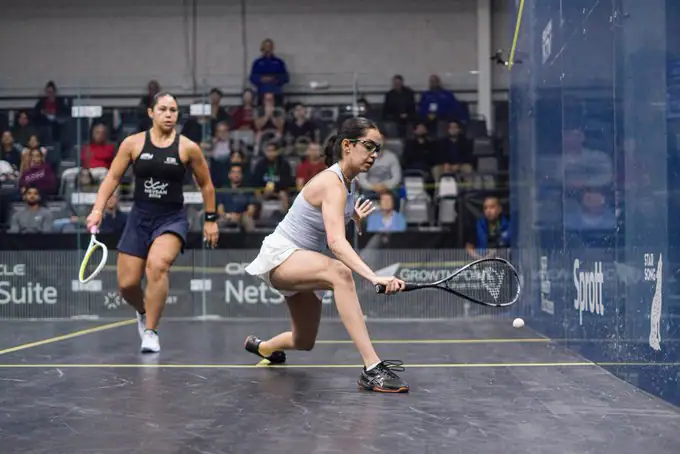
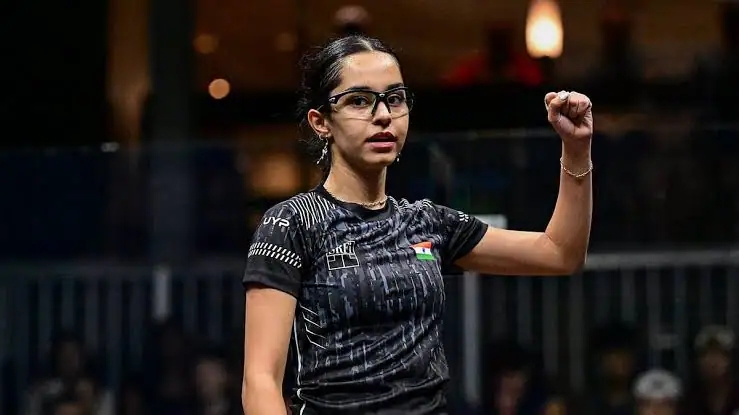
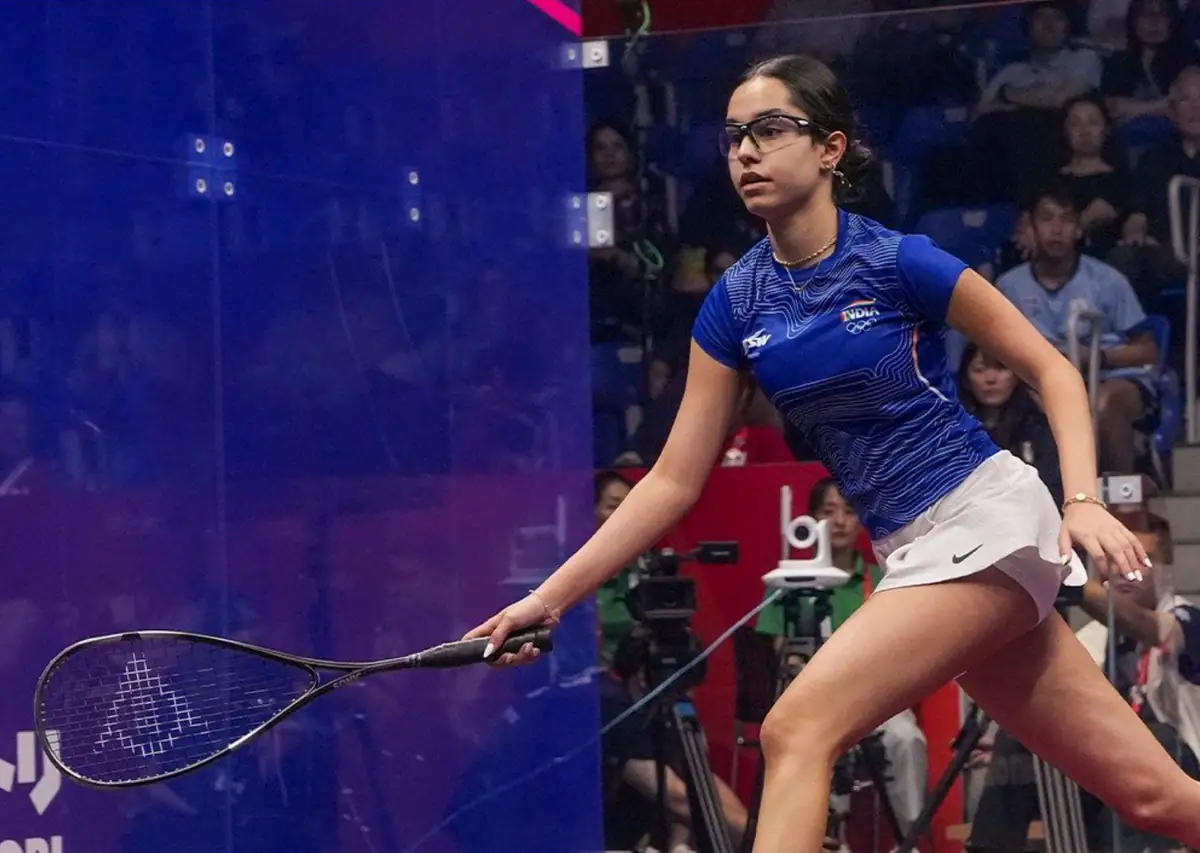
Anahat Singh’s impressive run at the London Squash Classic came to an end in the quarterfinals as the Indian teenager was beaten 11-4, 11-4 by Malaysia’s Sivasangari Subramaniam in the PSA World Tour Gold event.
The defeat brought Anahat’s campaign to a close after a breakthrough victory against world No. 11 Nele Gilis in the previous round. Up against the tournament’s No. 3 seed and world No. 5 Sivasangari, however, Anahat was unable to produce another upset, with the Malaysian controlling the contest from the outset and completing a 2-0 victory in just 17 minutes.
For Anahat, the result marked a quarterfinal finish at one of the biggest events on the PSA Squash Tour, but the manner of her run offered plenty of encouragement ahead of an important period in her season.
Anahat’s Biggest Win of the Tournament
Anahat entered the quarterfinal with considerable momentum after producing one of the standout results of the London Classic.
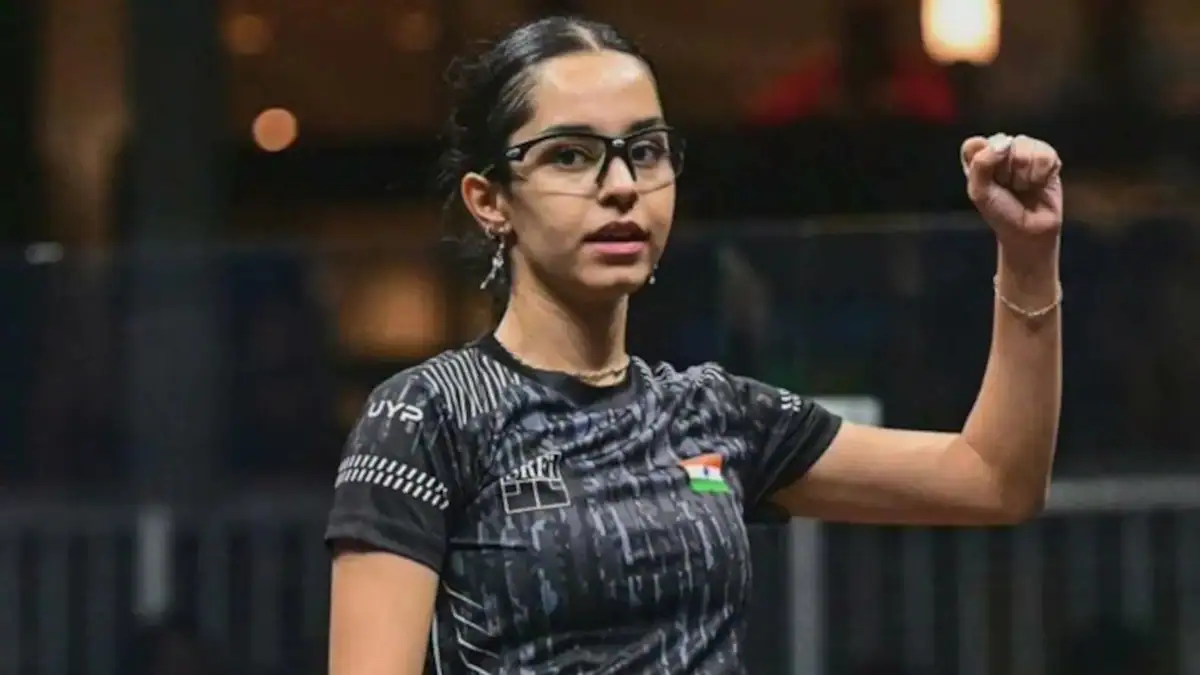
The Indian, ranked world No. 20, stunned fourth seed Nele Gilis, the world No. 11, to book her place in the last eight. It was a significant victory for the reigning World Junior Champion and World Cup winner, particularly against a player ranked nine places higher. That win demonstrated Anahat’s ability to compete with established players at the highest level and gave her an opportunity to make an even deeper run in London.
But Sivasangari represented a completely different challenge. The Malaysian came into the contest ranked fifth in the world and as the Asian No. 1. She also arrived with a strong record against Anahat and immediately imposed her game on the Indian.
Sivasangari Dominates From the Start
There was little separating the two players in terms of ambition, but on the day Sivasangari was clearly the superior performer.
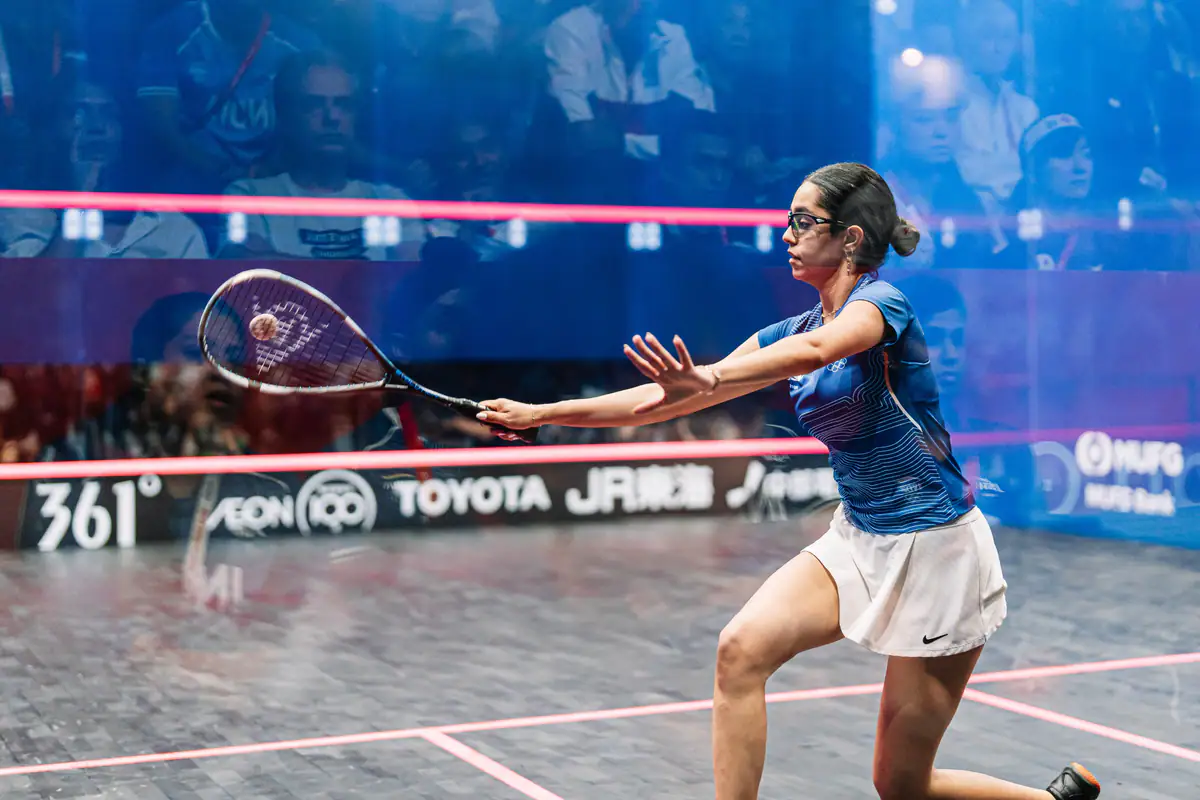
The Malaysian took control of the opening game and never allowed Anahat to settle into the contest. Sivasangari's accuracy, movement and ability to dictate rallies ensured that the Indian was constantly under pressure.
The first game ended 11-4 in favour of Sivasangari. Anahat needed a strong response in the second game, but the Malaysian continued to dictate the pace. Rather than allowing the Indian to build momentum, Sivasangari maintained her intensity and once again raced to an 11-4 scoreline.
After only 17 minutes, the match was over.
The result also extended Sivasangari’s winning run against Anahat, making it the Indian’s third consecutive defeat against the Malaysian.
Despite the disappointing quarterfinal loss, Anahat’s London campaign remains a positive one. At just 18 years of age, she continues to make significant progress on the international circuit and is increasingly finding herself competing deep into major PSA events.
Her victory over Nele Gilis was particularly important in that context. Beating a top-15 player at a PSA Gold event provides another indication of the level Anahat can reach when she is able to execute her game under pressure. The quarterfinal also provided a valuable lesson. Facing a world No. 5 player with greater experience at this level exposed the margins Anahat still needs to close if she is to consistently challenge the very top players in women's squash.
There is therefore little reason for the defeat to overshadow what was otherwise a superb campaign.
Focus Now Turns to the Asian Games
With the London Classic campaign complete, Anahat’s attention can now turn towards the Asian Games, where she will be among India’s important squash players.
The timing of the London experience could prove valuable. She leaves England having beaten a significantly higher-ranked opponent and having experienced the intensity of a quarterfinal against one of the world's leading players. The Asian Games will present another opportunity for Anahat to test herself against the best players in Asia, including Sivasangari.
For now, the London Classic has provided another chapter in the young Indian’s rapid development. The quarterfinal defeat was a reminder of the gap that remains between Anahat and the very top of the world rankings, but her victory over Gilis showed that she is increasingly capable of closing that gap.
Anahat Singh may have bowed out in London, but this was another important step in her journey. With the Asian Games now on the horizon, the focus shifts from what went wrong against Sivasangari to how much the experience can contribute to what comes next.
Comments (0)
to post comments, replies, and votes.
Loading comments…