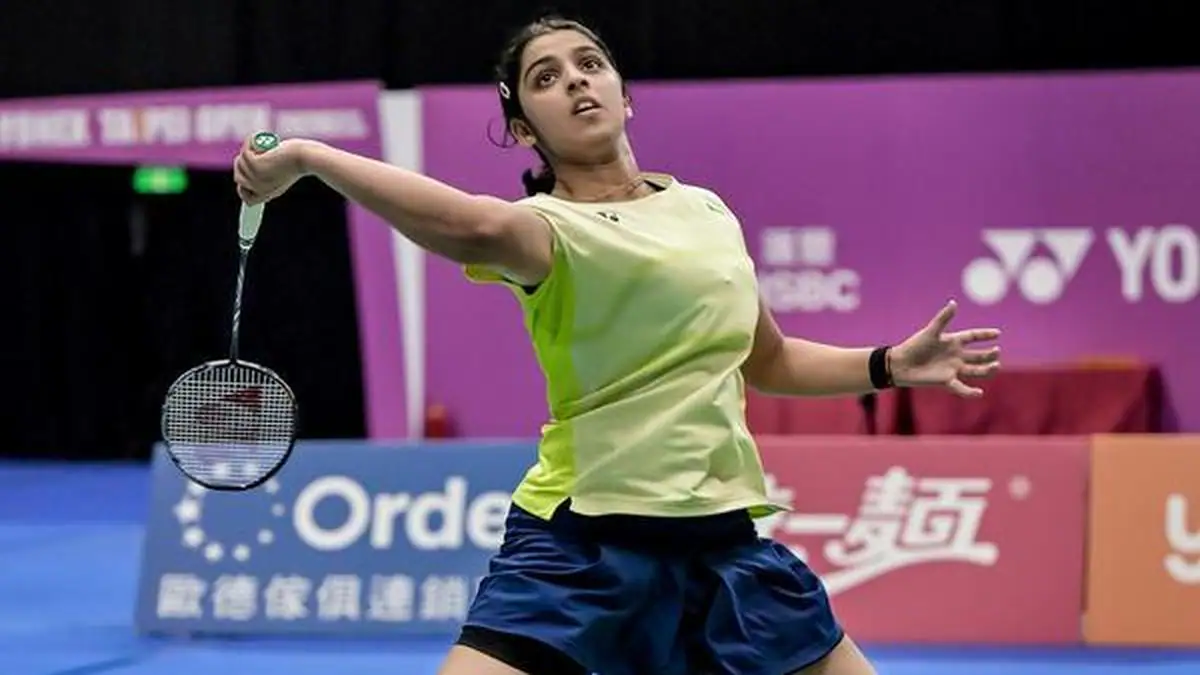
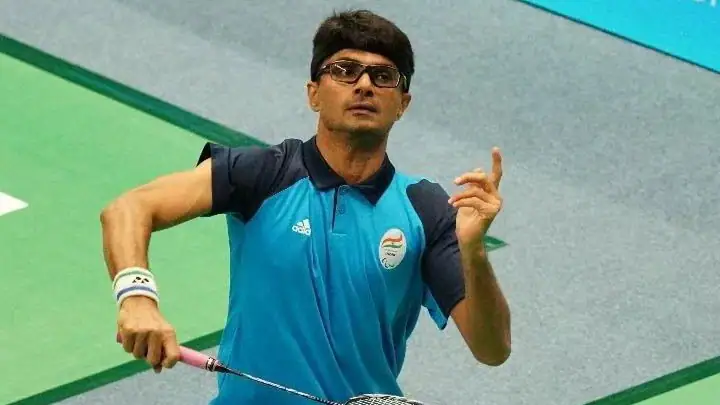
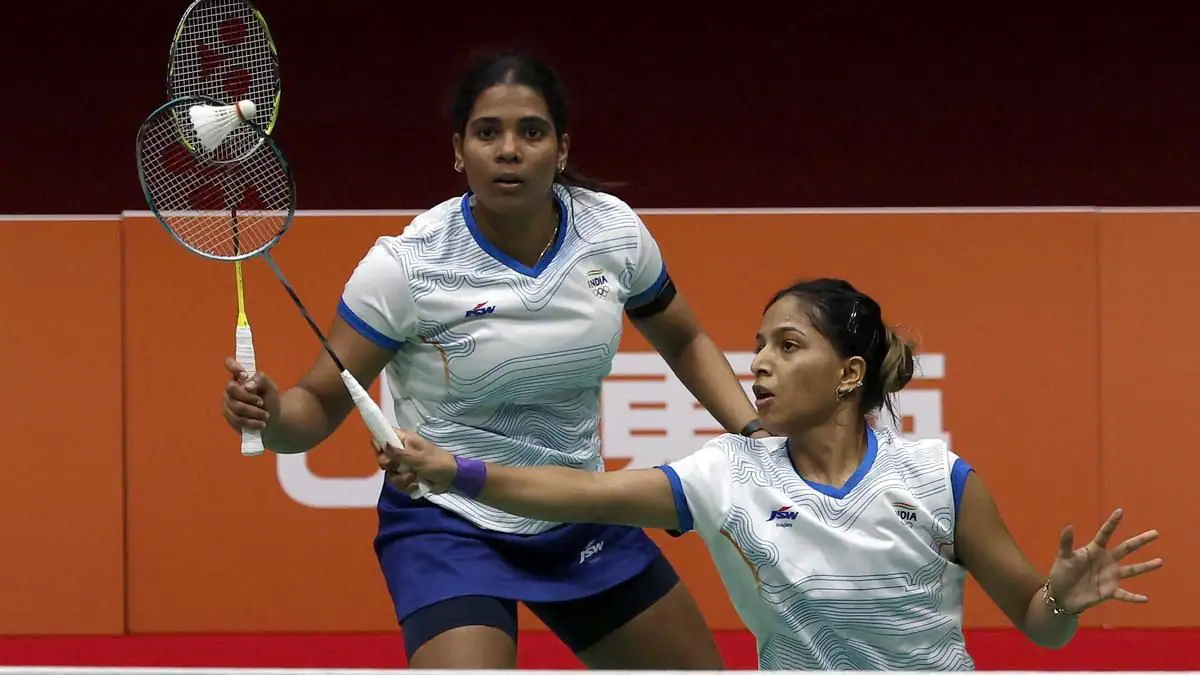
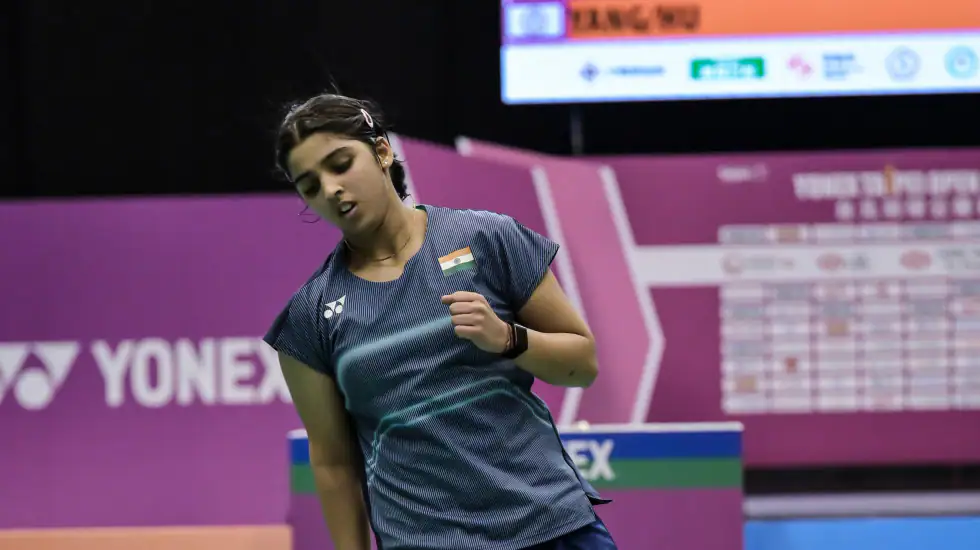
BAI Adopts New 3x15 Scoring System from July 2026 to Prepare Indian Shuttlers for Global Transition
The Badminton Association of India (BAI) has announced a significant change to the country's domestic badminton structure by introducing the Badminton World Federation's (BWF) new 3x15 scoring system across all major domestic tournaments from July 2026.
The decision makes India one of the first badminton nations to fully embrace the revised format well ahead of its proposed international implementation in January 2027, giving Indian players valuable competitive experience before the rest of the world transitions to the new system. The new scoring format will make its debut at the Yonex-Sunrise All India Senior Ranking Badminton Tournament, scheduled to be held at the Regional Sports Centre, Ernakulam, from July 7 to 14, 2026.
The revised format retains the familiar best-of-three games structure but reduces the number of points required to win each game. Instead of the current race to 21 points, each game will now be played to 15 points under the rally-point scoring system. However, several important rules remain unchanged.
A player or pair must still win by at least two points if the score reaches 14-14. If the game continues to 20-20, the next point becomes decisive, with the maximum score capped at 21. The shorter format is expected to produce faster matches, more frequent momentum swings and greater emphasis on tactical execution from the very first rally.
Rather than waiting for the BWF's official global implementation in January 2027, BAI has opted to introduce the system six months earlier. The objective is simple to ensure Indian players, coaches, umpires and technical officials become fully familiar with the new format before it becomes mandatory at the international level. Over the past decade, India has established itself as one of the world's leading badminton nations through consistent performances at the Olympics, World Championships and BWF World Tour events.
BAI believes early adoption of the scoring system will help maintain that competitive edge. By allowing athletes to gain months of practical experience under the revised rules, India hopes to minimise the adjustment period once international tournaments switch to the new format.
The scoring system is not the only aspect being modified. Several match procedures have also been updated under the new regulations. The traditional mid-game interval will now occur when the leading player or pair reaches eight points, replacing the previous interval at 11 points. As before, players will change ends during the third game after the interval, while the 60-second break at the interval remains in place.
The 120-second break between games remains unchanged, and the winner of the previous game will continue to serve first in the next game. Although these adjustments may appear minor, they are expected to influence match rhythm, recovery strategies and coaching interventions.
BAI has confirmed that the new system will be implemented uniformly across India's domestic badminton calendar.
The revised scoring format will be used in:
Zonal Championships
All India Ranking Tournaments
National Championships
Under-11 competitions
Under-13 competitions
Under-15 competitions
Under-17 competitions
Under-19 competitions
Senior tournaments
Masters (Veterans) events
By applying the same rules across every age category, BAI aims to ensure a smooth transition throughout the Indian badminton ecosystem.
Young players entering the national circuit will therefore develop under the same format expected to be used internationally in the coming years.
Explaining the reasoning behind the move, BAI General Secretary Sanjay Mishra said the association wanted to ensure that every stakeholder including players, coaches and technical officials becomes fully accustomed to the revised format before the BWF introduces it globally. He added that early implementation would help athletes across all age groups develop familiarity with the tactical and competitive demands of the new scoring system, ensuring a seamless transition once it becomes the international standard.
The move from 21-point games to 15-point games is expected to significantly change the dynamics of badminton matches. With fewer points available, every rally carries greater importance. Slow starts become much harder to recover from, placing increased emphasis on aggressive openings and consistent execution throughout the match. Players will have less time to recover from unforced errors, while coaches may need to rethink match strategies, game management and risk-taking.
Mental resilience will also become even more important, as momentum shifts are likely to have a greater impact in shorter games.
The format is expected to reward players capable of making quick tactical adjustments under pressure.
The decision comes at an important time for Indian badminton. Apart from preparing athletes for the scoring transition, India is also set to host the 2026 BWF World Championships in New Delhi from August 17 to 23, marking the tournament's return to the country after 17 years. Hosting one of badminton's biggest global events further underlines India's growing influence in the sport, making it even more important for domestic players to adapt quickly to changes introduced by the BWF.
The introduction of the 3x15 scoring system marks one of the biggest changes to Indian badminton in recent years. While players will initially require time to adjust to the shorter format, the early rollout demonstrates BAI's proactive approach towards athlete preparation. Rather than reacting after international implementation, India has chosen to prepare months in advance, ensuring its players enter the new era of badminton with valuable competitive experience already behind them.
As the first major domestic tournament under the revised rules begins in Ernakulam next week, all eyes will be on how India's top shuttlers adapt to a format that could reshape the future of the sport.
Comments (0)
to post comments, replies, and votes.
Loading comments…