From Lin Dan to Sindhu: The Legends Who Shaped Badminton World Championships
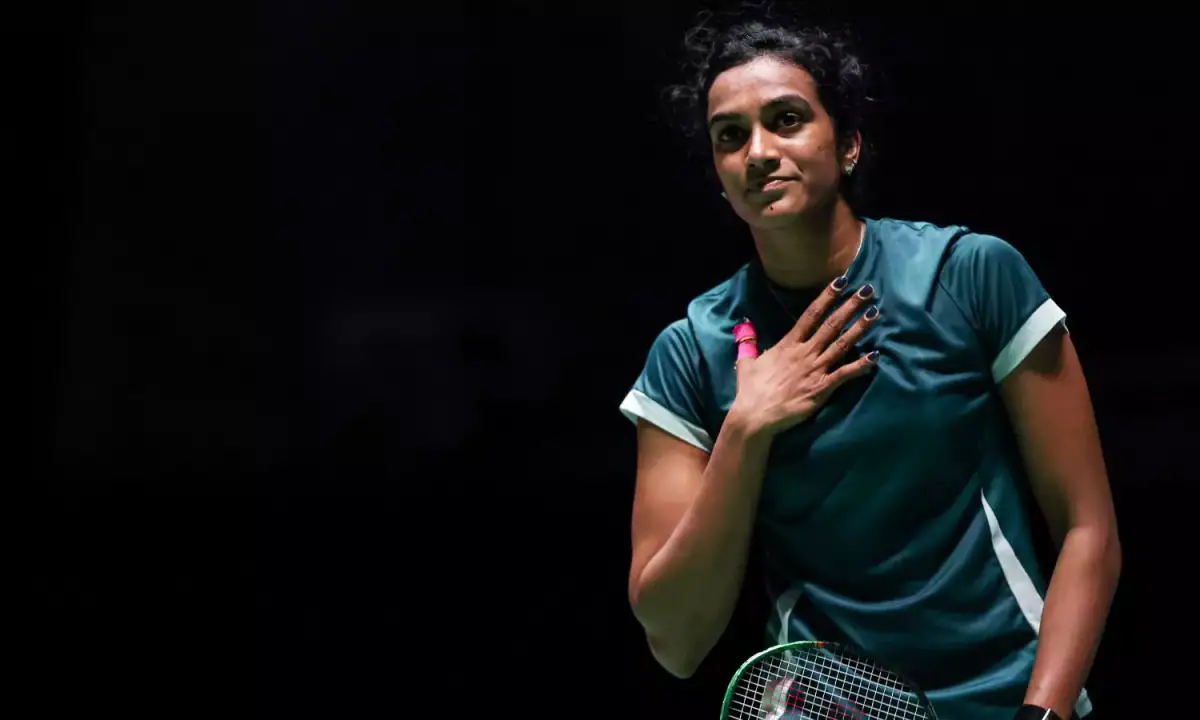
From Lin Dan and Carolina Marin to P.V. Sindhu and Satwik-Chirag, the World Championships have created generations of badminton legends.
The World Championships have never been short of stars. Some came, dominated, and left with a bouquet of medals.
Some became famous for the titles they won. Others became famous for the ones that got away. And some simply made badminton look different. The record books tell us who won. They do not always tell us why we remember them. For that, you have to look beyond the medals.
The best place to start is Lin Dan. Five World Championship titles in men's singles. Nobody has done better. For an entire generation of badminton fans, the question before a major tournament was often not who would win, but who could stop Lin Dan.
The player who tried hardest was Lee Chong Wei.
Again and again.
Their rivalry became one of the defining stories of men's badminton. Yet the World Championship gold remained one of the great absences from Lee's extraordinary career. He won silver three times, but never the title. That is one of sport's cruel little ironies: sometimes greatness is measured not only by what a player wins, but by what remains just beyond reach.
Then there was Taufik Hidayat, all elegance and effortless wrist work, the Indonesian who could make a backhand look like a magician's trick. Peter Gade represented the Danish school at its finest. Chen Long eventually inherited China's throne. Kento Momota arrived as Japan's next great hope and, for a while, looked almost unbeatable.
And then came Viktor Axelsen, showing that the European challenge had not disappeared.
Different eras. Different countries. Same court.
A women's game transformed
The women's story is equally rich. Zhang Ning won two World Championship titles and two Olympic gold medals. Xie Xingfang was one of China's great elegant left-handers. Li Xuerui and Wang Yihan carried Chinese dominance into another generation.
Susi Susanti, although her defining Olympic triumph came outside the World Championships, belongs in any conversation about the women who changed the sport.
And then came Carolina Marin. Three World Championship titles. The first woman in history to win that many singles crowns.
She did not merely enter an era dominated by Asian players. She kicked the door open. Her 2014 title made her Spain's first World Champion, and by 2018 she had rewritten the record books. Then there was the extraordinary 2017 final in Glasgow, where Nozomi Okuhara defeated P.V. Sindhu after 110 minutes of extraordinary badminton.
Tai Tzu-ying brought imagination that sometimes seemed to defy the laws of geometry. Ratchanok Intanon became a world champion at just 18. Akane Yamaguchi brought the Japanese combination of speed, discipline and relentless consistency.
The women's game had changed. It was no longer enough to survive the Chinese wall. You had to beat Japan, Spain, Chinese Taipei, Thailand and whoever else happened to be standing across the net.
Then there are the doubles players, who deserve a chapter of their own. Park Joo-bong was one of the original greats, winning five World Championship titles across men's and mixed doubles before becoming an influential coach in Japan. Zhao Yunlei went even further, collecting five World Championship golds across women's and mixed doubles.
China produced Cai Yun and Fu Haifeng, whose left-handed combination became one of the great men's doubles partnerships. Indonesia produced Hendra Setiawan, a player whose career stretched across generations and partnerships. Then came Kevin Sanjaya Sukamuljo and Marcus Fernaldi Gideon, who brought speed and chaos to men's doubles, attacking with a ferocity that often left opponents permanently a step behind.
And any list of doubles legends has to include Liliyana Natsir.
Four World Championship titles in mixed doubles with two different partners, Nova Widianto and Tontowi Ahmad, followed by Olympic gold in Rio. She made one of badminton's most difficult disciplines look remarkably uncomplicated.
Japan's Misaki Matsutomo and Ayaka Takahashi gave women's doubles a new reference point, while China's Chen Qingchen and Jia Yifan have carried their country's formidable doubles tradition into the modern era.
India's story is no longer an afterthought
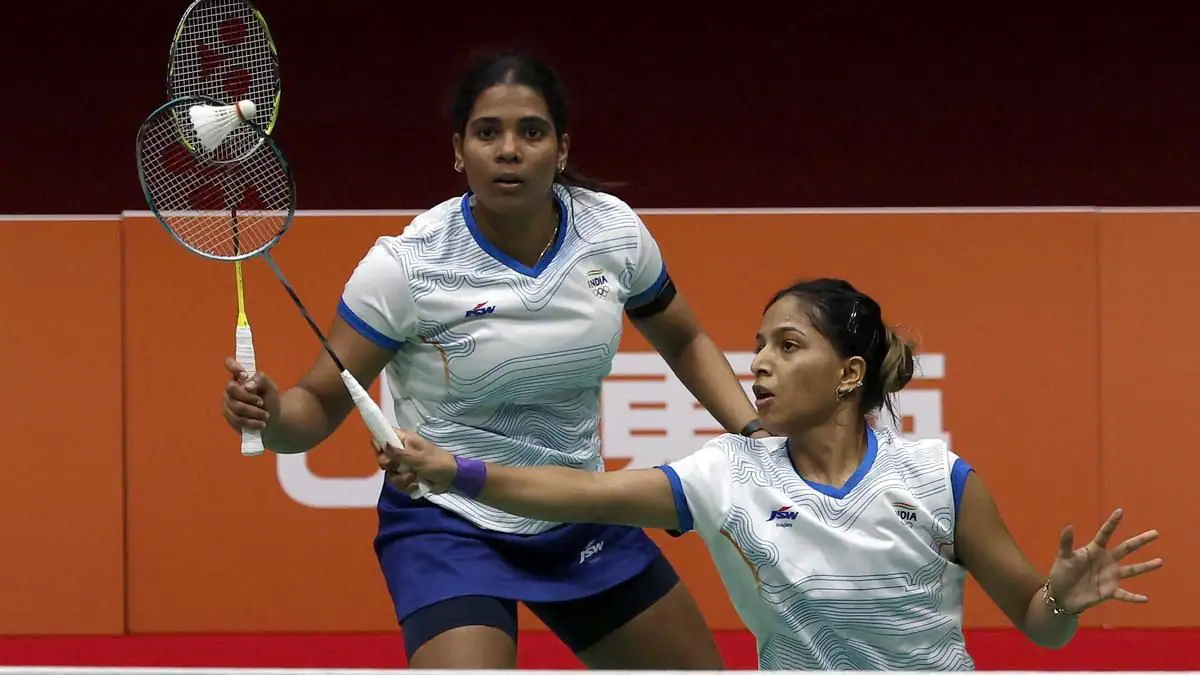
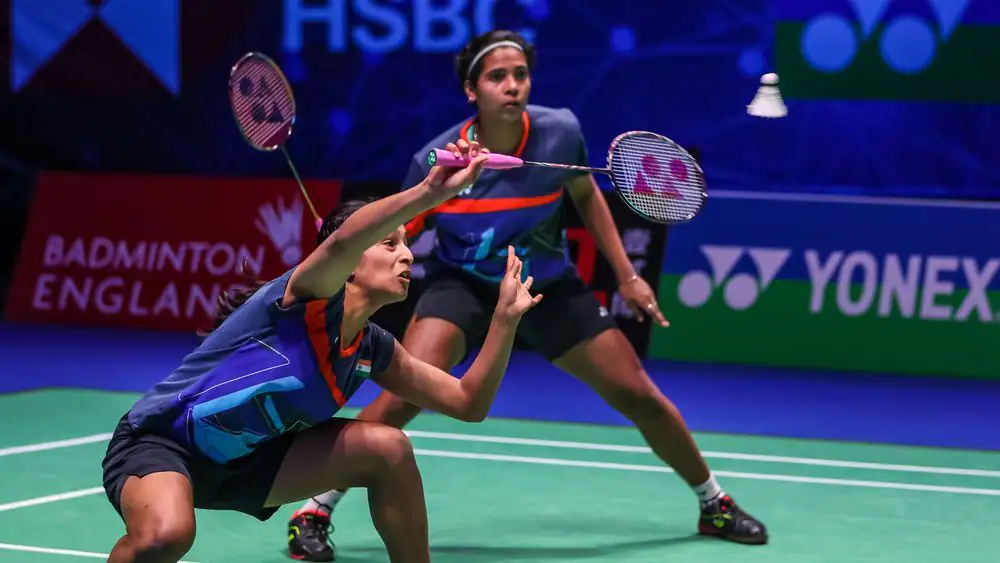
And then there is India. India's World Championship story begins with Prakash Padukone, whose bronze in 1983 was the country's first medal. For years, that was the landmark. Then came Jwala Gutta and Ashwini Ponnappa, whose bronze in 2011 ended a 28-year Indian medal drought. It was not gold. It did not create the headlines a singles title might have generated.
But it mattered enormously. Saina Nehwal took the next step. Silver in 2015. Bronze in 2017.
More importantly, Saina helped make Indian women's badminton a permanent part of the national sporting conversation.
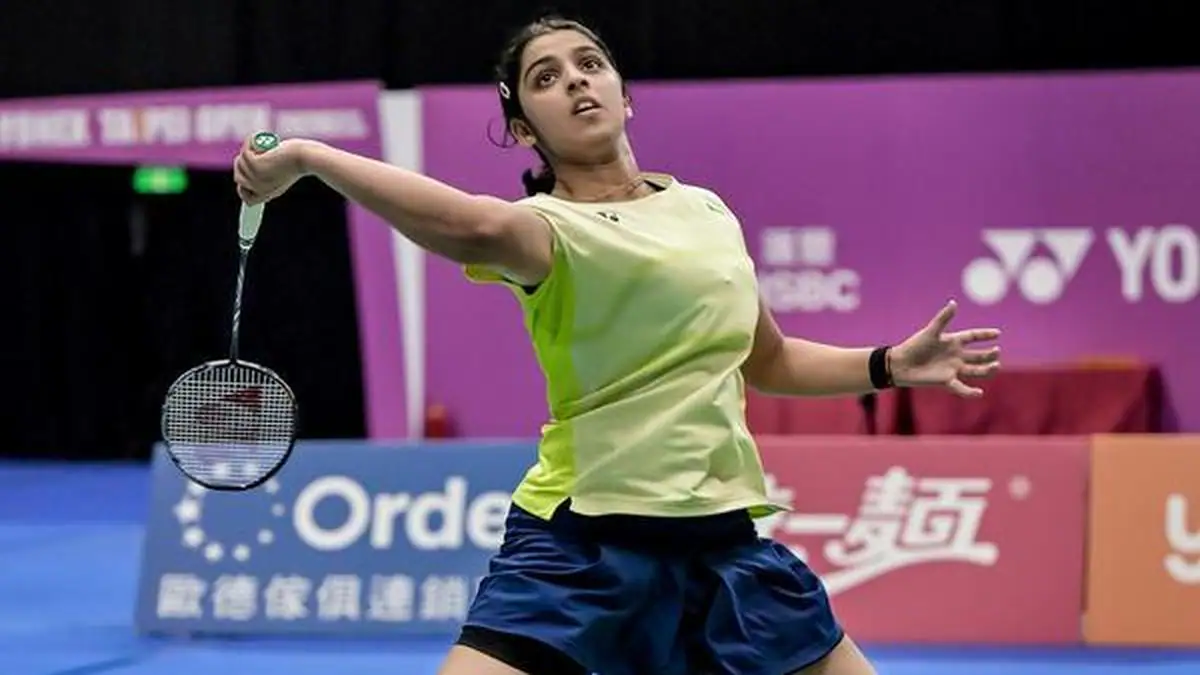
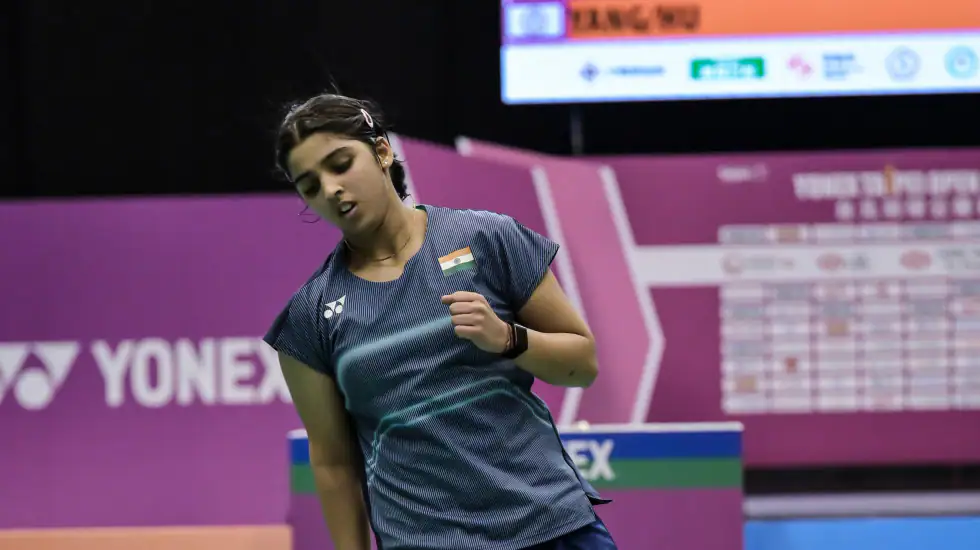
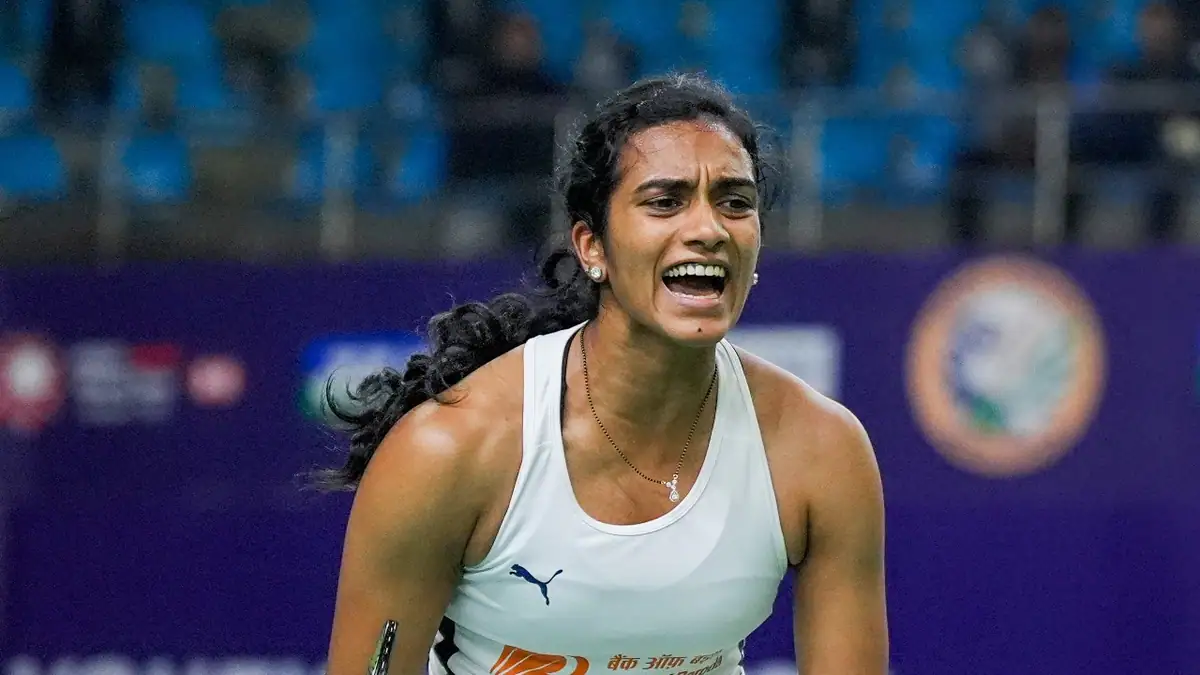
Then came P.V. Sindhu. Five World Championship medals. Two silver, two bronze, and one gold. Her 2019 triumph in Basel remains India's only World Championship gold in badminton singles. But another Indian name belongs in this story, even without a World Championship medal.
Pullela Gopichand.
One of sport's interesting little ironies. He won the All England in 2001 but never managed a World Championship medal. Yet his influence on Indian badminton has arguably been greater than that of many champions. As a coach, he helped shape the generation that followed him, including Sindhu and Saina.
Sometimes the man who never won the medal helps produce the woman who does.
The Indian men's story eventually began producing medals of its own. B. Sai Praneeth ended a 36-year wait for an Indian men's singles medal with bronze in Basel in 2019.
Two years later, Kidambi Srikanth became the first Indian man to reach a World Championship singles final, taking silver. At the same championships, Lakshya Sen won bronze. H.S. Prannoy added another bronze in 2023.
Then came Satwiksairaj Rankireddy and Chirag Shetty. They took Indian men's doubles somewhere it had never been before.
Their bronze in 2022 was India's first World Championship medal in men's doubles. They followed it with another bronze three years later in Paris. That matters because the Indian journey is no longer about one player.
It is a relay.
Padukone started it. Gopichand, Saina and Sindhu carried it. Srikanth, Prannoy, Sai Praneeth, Lakshya, Satwik and Chirag kept pushing the baton forward.
Some won medals. Some missed them by a set. Some changed the game without ever standing on the podium. And now another generation is trying to take hold of the baton.
That is why the World Championships are remembered differently from an ordinary tournament. The medals are the official history.
The people are the real history. When the lights come on in New Delhi, some of those names will be sitting in the record books. Others will be watching from somewhere else.
But every player walking onto that court will know one thing.
They are not just playing for 2026.
They are playing for a place on that list.
Follow the Author on Substack
Comments (0)
to post comments, replies, and votes.
Loading comments…