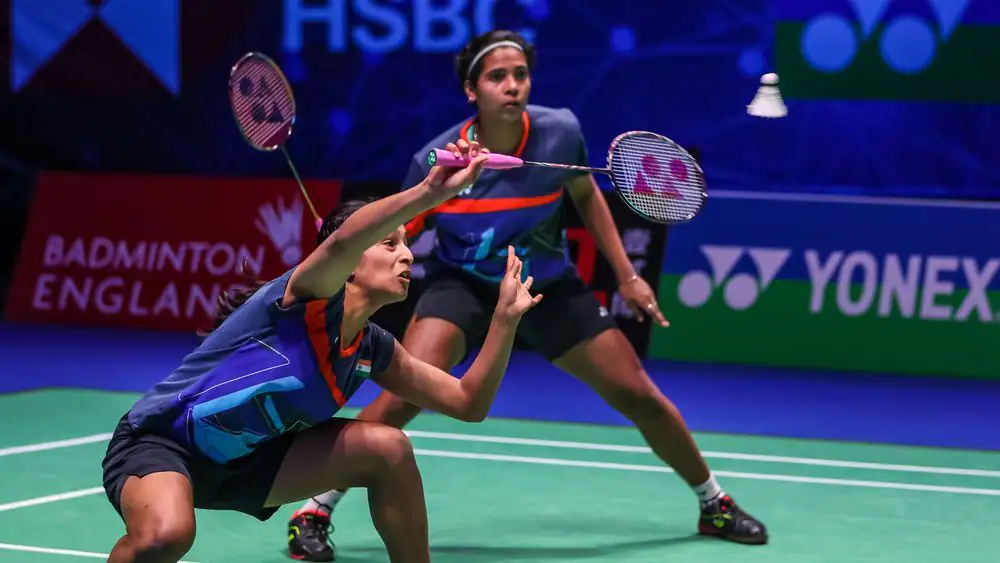
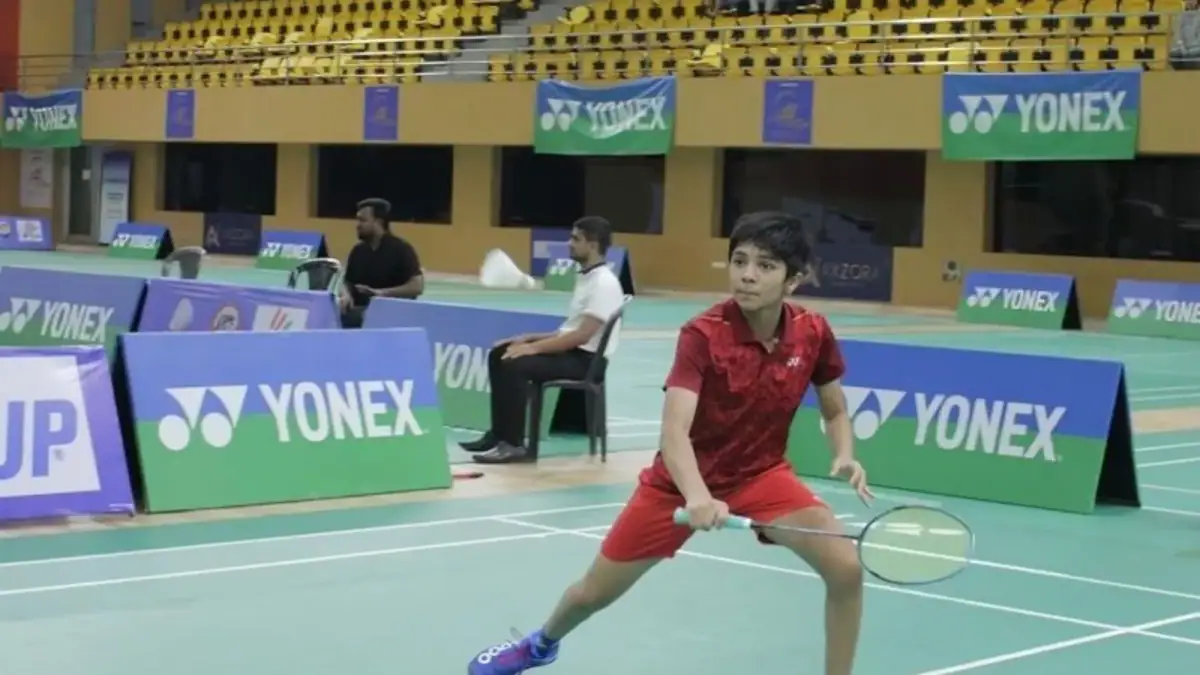
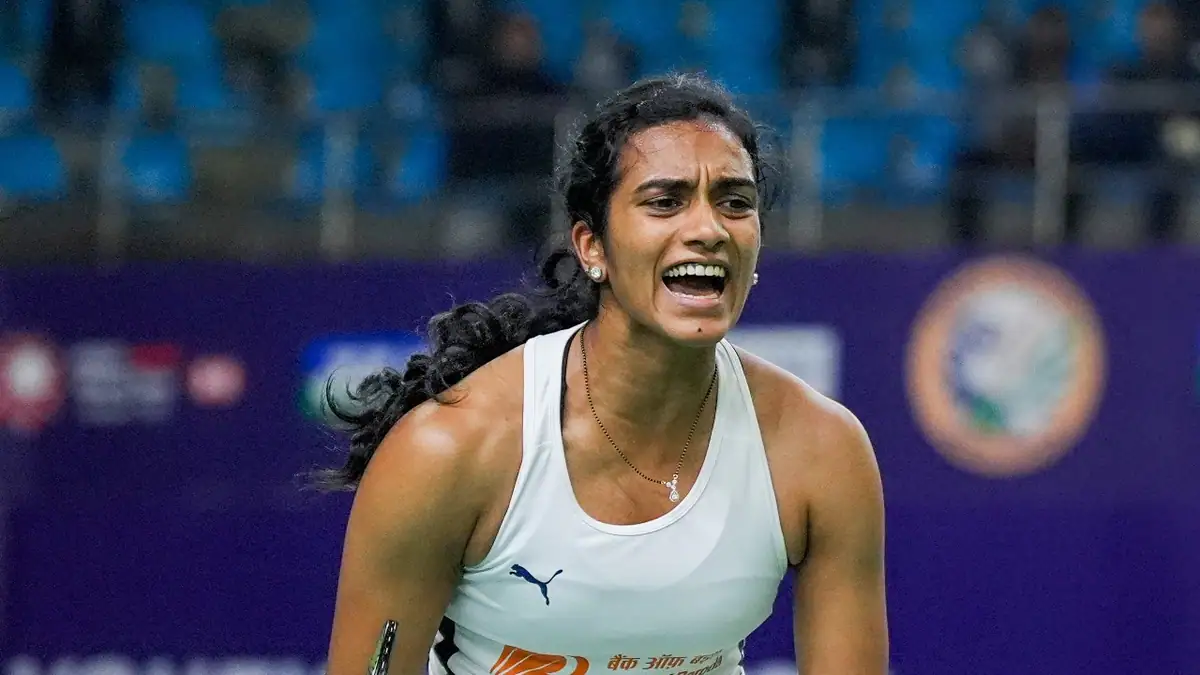
Denmark Open: Tanvi Sharma’s Run Ends in Quarterfinals After Straight-Game Defeat to An Se-young
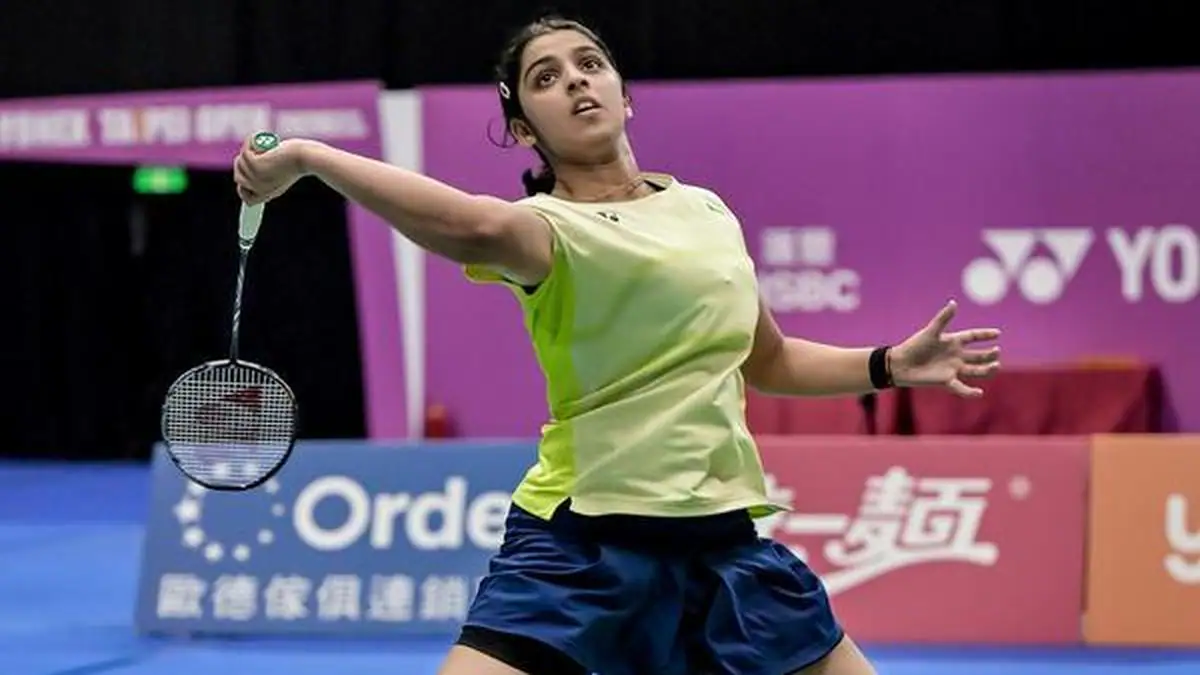
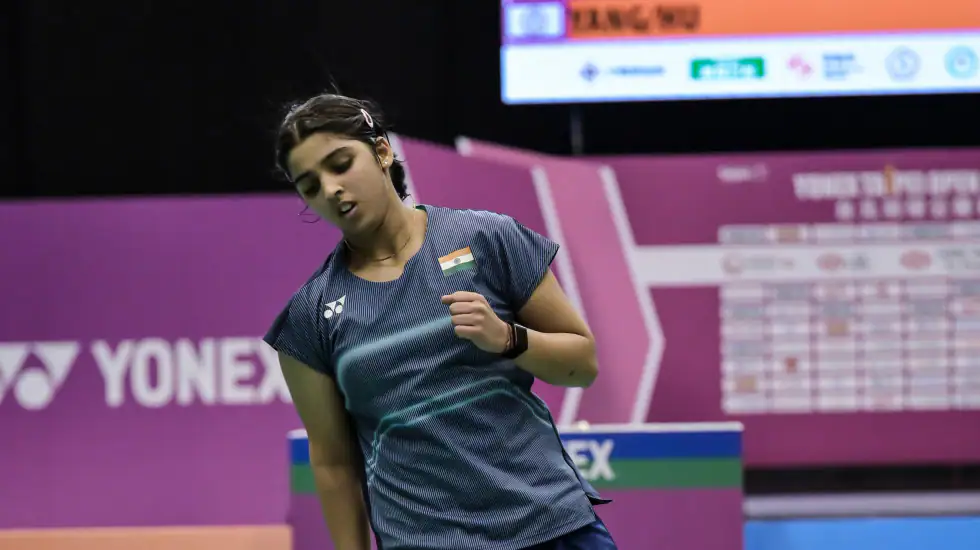
Tanvi Sharma exits the Denmark Open 2026 in the quarterfinals after losing 21-15, 21-13 to world champion An Se-young in Odense.
India’s Tanvi Sharma bowed out of the Denmark Open after losing 21-15, 21-13 to reigning world champion An Se-young of South Korea in the women’s singles quarterfinals on Friday.
Tanvi showed flashes of resistance during the opening game but struggled to sustain the challenge against an opponent whose defensive coverage and ability to control rallies proved decisive. The defeat ended Tanvi’s campaign at the Super 750 tournament after two demanding games against one of the strongest players in women’s badminton. For the Indian, the quarterfinal represented an opportunity to test herself against the highest level of international competition, but An’s consistency ultimately proved too difficult to overcome.
The contest also highlighted the difference between Tanvi’s attacking intent and An’s ability to turn defensive situations into opportunities to take control of rallies.
The opening exchanges offered encouragement for Tanvi, with the score level at 2-2 as she attempted to establish her rhythm against the South Korean. Rather than immediately forcing the pace, the Indian relied on controlled-length clears and straight drives to test An’s backcourt positioning. Her deep clears were designed to push the world champion away from the net and create opportunities to attack.
Tanvi remained competitive in the early stages, showing an understanding of the need to construct rallies patiently against an opponent renowned for her court coverage.
However, maintaining that approach became increasingly difficult as the rallies lengthened. An repeatedly retrieved Tanvi’s attacking shots, forcing the Indian to play additional strokes and search for openings that were difficult to find.
Tanvi’s attempts to accelerate the pace also brought errors. Several of her drives down the line travelled wide or long, reducing the effectiveness of an attacking strategy that required precision against An’s defence.
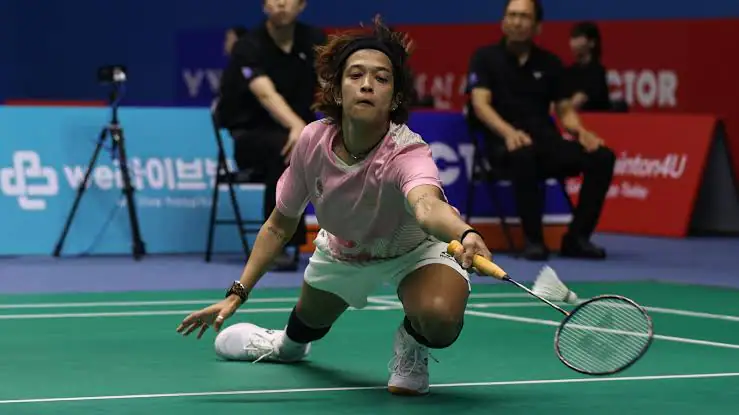
One particularly demanding baseline exchange underlined the physical challenge facing the Indian. After being stretched by a sharp cross-court placement, Tanvi ended up on the floor while attempting to reach the shuttle. The rally illustrated An’s ability to move opponents across the court and make them work for every point.
An Se-young Takes Control of the Opening Game
As the opening game progressed, Tanvi found herself chasing the score. Trailing 17-11, she attempted to close the gap by combining deep lifts with quicker exchanges near the net.
The approach showed her willingness to change the pattern of play rather than allow An to dictate every rally from the backcourt.
However, the world champion continued to cover the court effectively, limiting Tanvi’s opportunities to finish points. The Indian struggled to keep her attacking strokes within the lines, and the pressure of having to produce increasingly precise shots began to tell.
An maintained her advantage and closed out the opening game 21-15.
For Tanvi, the challenge heading into the second game was to reduce the unforced errors and find a way to make An uncomfortable without sacrificing her own consistency.
The second game began with another difficult spell for the Indian. An quickly established a 4-1 lead through aggressive shot placement, putting Tanvi under pressure before she could settle into a rhythm. The South Korean continued to vary her placement and pace, forcing Tanvi to cover different areas of the court. By the interval, An had extended her advantage to 11-5.
Tanvi’s defensive clears increasingly lacked the depth required to push An away from the net. This allowed the world champion to take greater control of the rallies and dictate the direction of play. The Indian had shown in the opening game that she could compete during the initial exchanges, but sustaining that level against An required both physical endurance and exceptional shot accuracy.
As the contest continued, Tanvi appeared to tire. She was increasingly forced to retrieve shots from across the court, while An maintained the intensity and consistency that had given her control of the match.
The widening gap left Tanvi with little room to mount a comeback. An eventually secured the second game 21-13 to complete a straight-game victory and advance to the semifinals.
Although the result ended her Denmark Open campaign, the quarterfinal provided Tanvi with valuable exposure against the reigning world champion.
The match demonstrated the importance of maintaining attacking precision against elite defensive players. Tanvi attempted to use depth, straight drives and changes of pace to create openings, but An’s retrieval ability repeatedly forced her to play additional shots.
The contest also highlighted how quickly an early deficit can become difficult to recover from when facing an opponent capable of sustaining pressure throughout a match. For Tanvi, reducing unforced errors and finding more effective ways to disrupt An’s rhythm will be important areas to address after the defeat.
An, meanwhile, advanced with a performance built on disciplined defence, accurate placement and relentless court coverage. The quarterfinal exit brings Tanvi’s Denmark Open campaign to a close, but the experience of competing against one of the world’s leading players offers a clear benchmark for the work required to progress further at the highest level.
On Friday, An Se-young proved too strong. For Tanvi Sharma, the challenge now is to turn the lessons from Odense into progress in the tournaments ahead.
Comments (0)
to post comments, replies, and votes.
Loading comments…