Can Athletics Be Held in Unconventional Places? The Sport’s Shift Beyond Stadiums
Athletics, often referred to as the “queen of sports,” has traditionally been confined to stadiums structured, controlled, and often distant from everyday public life.
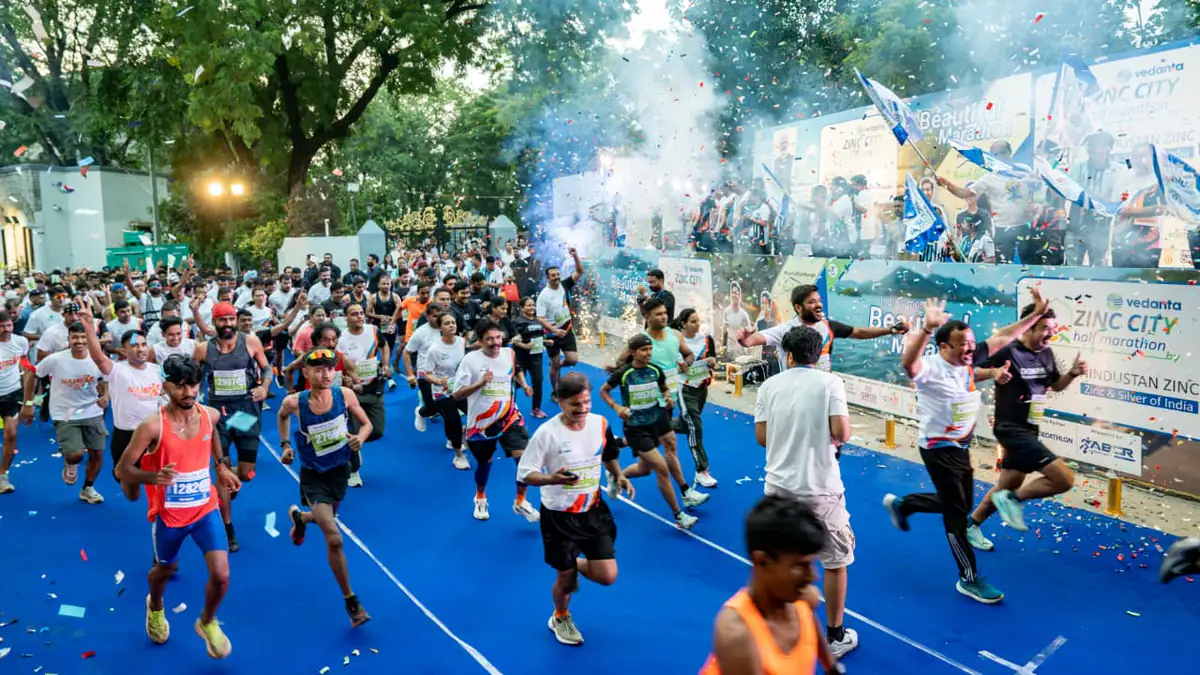
However, over the past two decades, there has been a noticeable shift. Elite athletics events are increasingly being staged in unconventional venues such as city centres, shopping malls, train stations, and even historic landmarks.
This evolution is not accidental. It represents a deliberate effort to make athletics more accessible, commercially viable, and engaging for modern audiences.
The primary driver behind this shift is changing audience behaviour. Stadium-based athletics often struggles with attendance unless it is a major championship. By contrast, urban events bring the sport directly to people into spaces they already occupy. This proximity creates a more immersive and engaging experience. From a commercial standpoint, unconventional venues also offer higher visibility. Events staged in high-traffic areas naturally attract larger and more diverse audiences, including those who may not typically follow athletics.
This approach aligns with a broader trend in global sports taking events to the audience rather than expecting audiences to come to traditional venues.
One of the biggest challenges in hosting athletics outside stadiums has been maintaining technical standards. Elite performances require precise surfaces, accurate measurements, and strict safety protocols. This challenge has been addressed through innovations like modular tracks and portable competition systems.
A key example is the “FlySwat,” a mobile track and field facility that allows events such as pole vault and long jump to be conducted in urban environments while meeting international standards. These systems are engineered with millimetre-level precision, ensuring that performances remain valid for rankings and records.
Similarly, temporary sprint tracks often built using synthetic surfaces over leveled roadways have enabled events like street sprints in cities such as Manchester and Berlin. These technological advancements have effectively removed the biggest barrier to unconventional athletics.
Global Examples: Athletics in the Public Sphere
Several successful events have demonstrated the viability of this model.
The Golden Fly Series, for instance, has taken long jump and pole vault competitions into city centres across Europe and Asia. Events held in locations like Innsbruck and Geneva have attracted top athletes while offering free public access. In the United Kingdom, the Great CityGames transformed urban streets into sprint tracks. One of the most notable moments came in 2009, when Usain Bolt ran a world-best 150m on a temporary track in Manchester proving that elite performance is possible even outside traditional stadium settings.
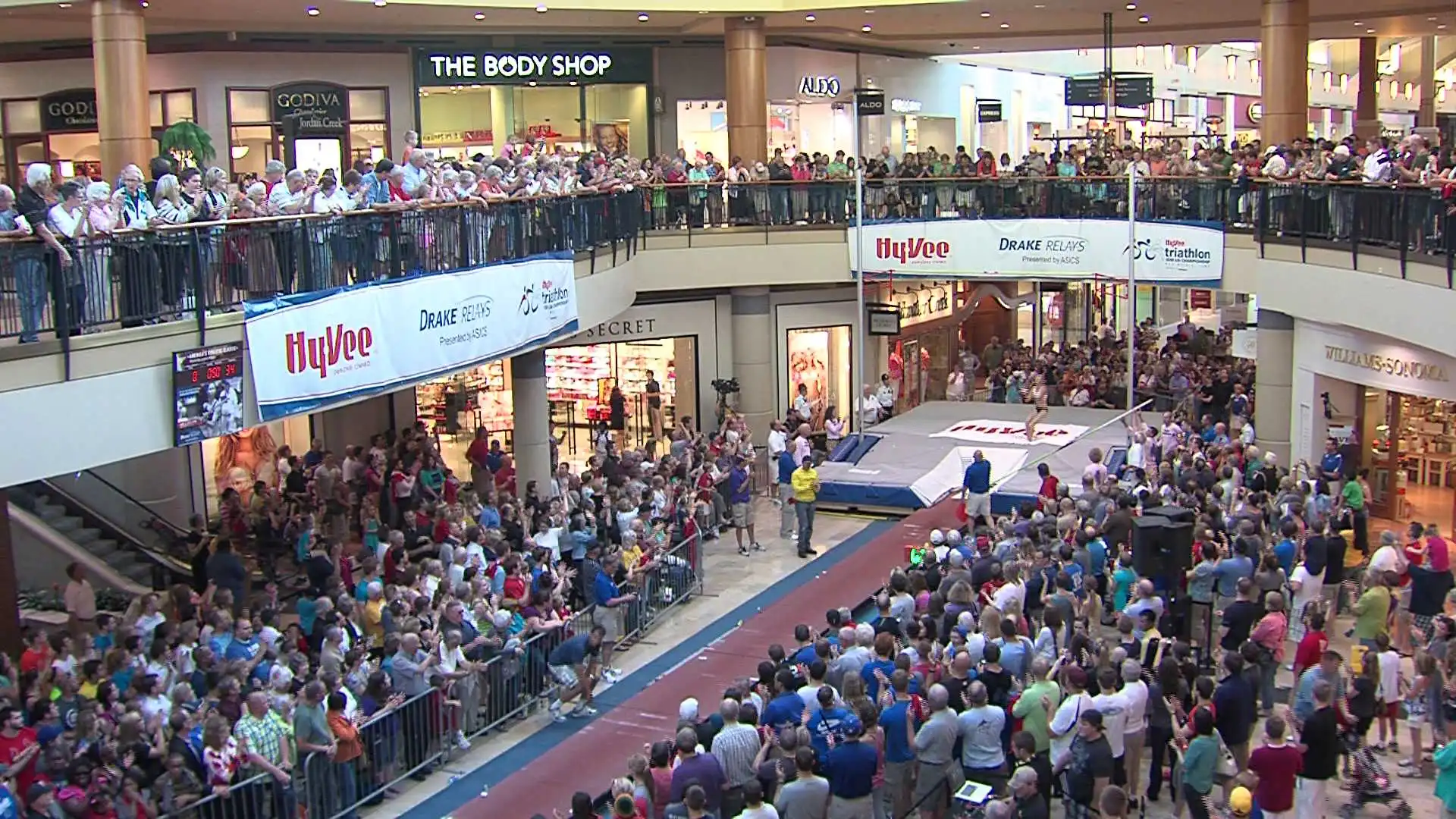
Shopping malls have also emerged as unconventional venues. Events like pole vault competitions at retail centres in the United States have combined sport with consumer engagement, drawing both spectators and shoppers. Even historic locations have been used. During the 2004 Athens Olympics, the shot put event was held at Ancient Olympia, connecting modern athletics with its origins while maintaining strict preservation standards.
One of the most significant advantages of unconventional venues is the enhanced fan experience. In a stadium, spectators are often far from the action. In contrast, urban events place fans just metres away from athletes. This proximity creates a more intense and personal atmosphere.
Athletes themselves have acknowledged this difference. Competing in front of a close, vocal crowd can elevate performance levels and make events more memorable. From a broadcasting perspective, these settings also offer visually dynamic backdrops city skylines, landmarks, and public spaces that enhance the appeal of the sport.
Despite the benefits, hosting athletics in unconventional places is not without challenges. Logistics remain complex. Organisers must manage traffic, ensure crowd safety, and install temporary infrastructure within tight timelines. Urban environments also introduce variables such as weather, uneven surfaces, and limited space. There are also limitations in terms of event types. While sprints, jumps, and certain throws can be adapted to urban settings, endurance events and full-track competitions still require traditional stadiums.
https://www.indiasportshub.com/articles/three-indian-long-jumpers-one-breakthrough-season
Additionally, maintaining consistency in conditions is more difficult outside controlled environments. Recognising this trend, governing bodies have begun adapting.
World Athletics has introduced the concept of “short track,” replacing the traditional indoor category. This change reflects the growing prevalence of hybrid venues spaces that do not fit neatly into indoor or outdoor classifications. This shift provides greater flexibility for organisers and encourages innovation in how and where events are conducted.
The movement towards unconventional venues is likely to continue. For athletics, this represents an opportunity to reconnect with audiences and remain relevant in an increasingly competitive sports landscape. By integrating the sport into everyday environments, organisers can expand its reach and appeal. However, this is not a replacement for stadium athletics it is an expansion. Major championships, multi-event competitions, and endurance disciplines will continue to rely on traditional venues. Meanwhile, urban events will serve as high-impact, spectator-friendly showcases.
Athletics can and increasingly does exist beyond stadiums. With advancements in technology, evolving audience expectations, and strategic innovation, the sport is finding new spaces to thrive. From city streets to shopping malls, these unconventional venues are redefining how athletics is experienced.
In doing so, they are bringing the sport closer to the people both physically and emotionally ensuring its relevance in the modern sporting ecosystem.
Inspired by NNIS Conversation
Comments (0)
to post comments, replies, and votes.
Loading comments…