FIH Hockey World Cup 2026 Format Explained: New Pathway to the Semi-Finals
The FIH Hockey Men’s and Women’s World Cup 2026 will introduce a significant change to the traditional tournament structure when Belgium and the Netherlands jointly host the competition from 15 to 30 August.
The most important change is the removal of the quarter-final stage.
Instead of teams progressing from the pool stage into a direct knockout quarter-final, the tournament will feature a second group phase before the semi-finals. The new structure means that performances during the opening pool matches will carry greater importance, with the top two teams from the second phase earning direct passage to the last four.
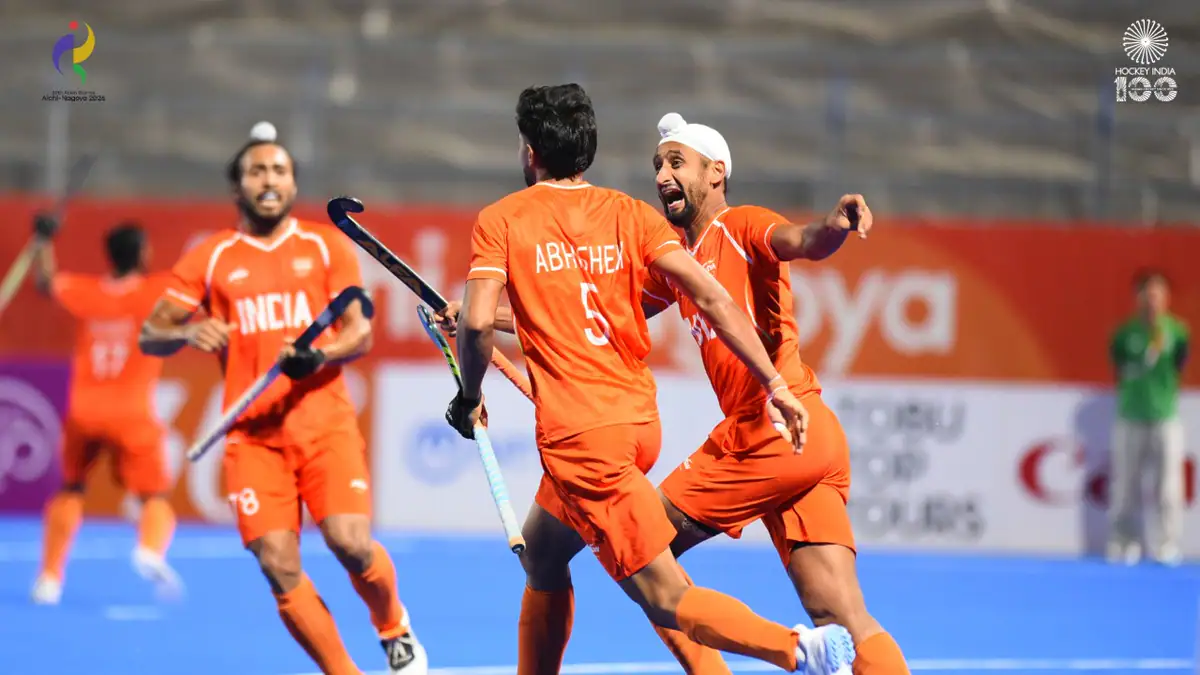
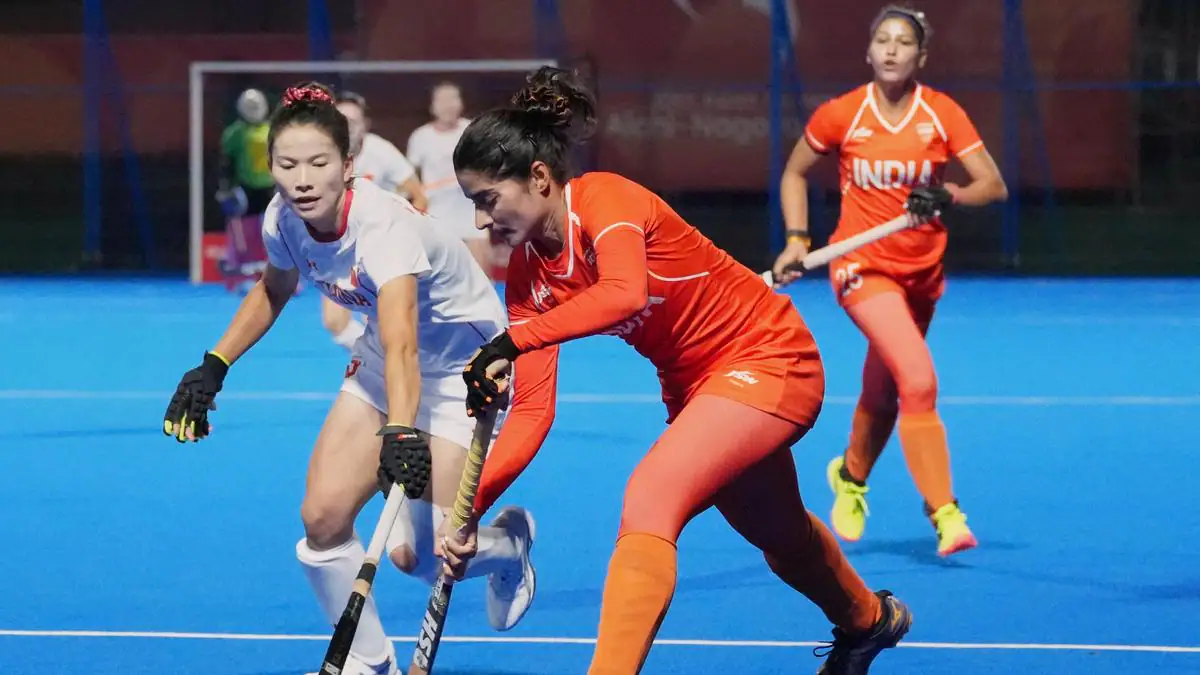
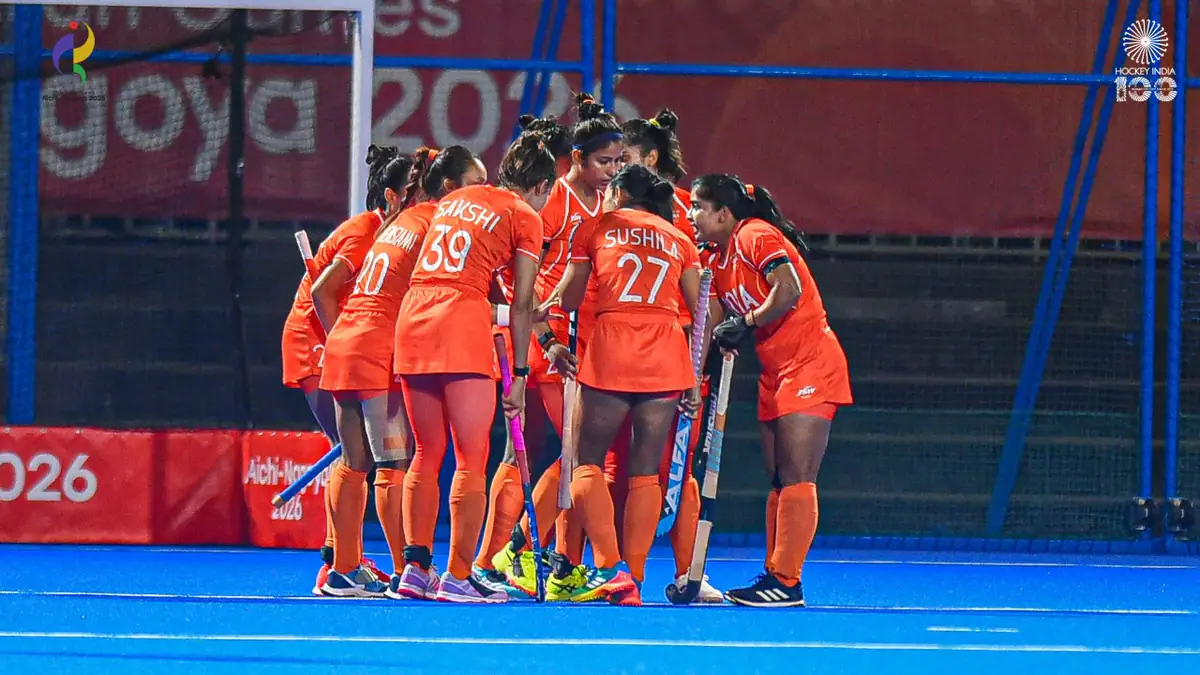
For India, the new format presents both an additional challenge and an opportunity. The Indian men's team has been drawn in Pool D alongside England, Pakistan, and Wales, while the Indian women's team will face China, England, and South Africa in Pool D.
Phase 1: Pool Stage
The tournament begins with the opening pool phase from 15 to 20 August. The 16 teams in each competition will be divided into four pools Pools A, B, C and D with four teams in each pool. Every team will play three matches against the other teams in its pool.
The standings at the end of the first phase will determine where each team moves for the second stage. The top two teams from each pool will enter the upper crossover pools, while the teams finishing third and fourth will move into the lower crossover pools. That means every match in the opening phase has consequences beyond simply determining a team's initial position.
For India, the three Pool D matches will therefore be particularly important.
Phase 2: Crossover Pools Change the Equation
The second phase, scheduled from 21 to 24 August, is where the new format becomes significantly different from previous World Cups.
The teams will be regrouped into four pools E, F, G and H based on their positions in the opening pools.
The composition will be:
Pool E: First- and second-placed teams from Pools A and D
Pool F: First- and second-placed teams from Pools B and C
Pool G: Third- and fourth-placed teams from Pools A and D
Pool H: Third- and fourth-placed teams from Pools B and C
Each team will then play three additional matches against opponents it did not face during the first phase. However, there is a crucial detail. A team's result from its Phase 1 match against the other team from its original pool that also advances will carry forward into Phase 2. That makes the opening pool standings particularly important.
A team that defeats its eventual crossover opponent during Phase 1 effectively takes those points into the next stage.
The carry-forward system means that teams cannot afford to treat the opening pool stage simply as a qualification exercise. The result against a direct rival could potentially become decisive several days later. For India's men's team, the matches against England, Pakistan and Wales will therefore carry importance beyond their immediate points tally.
Indian men's head coach Craig Fulton has highlighted the importance of starting the tournament strongly, particularly because the head-to-head result between teams progressing from the same initial pool can influence the next phase. Goal difference is another factor that could become critical.
With the standings potentially separated by narrow margins, defensive discipline and the ability to convert opportunities into goals could have a significant impact on who progresses.
The new structure therefore places greater emphasis on consistency across the entire pool stage.
Phase 3: Direct Route to the Semi-Finals
The third phase will take place on 27 and 28 August. Pools E, F, G and H will determine the classification matches for positions five through 16. But for the title contenders, only two pools matter. The top two teams from Pool E and the top two teams from Pool F will qualify directly for the semi-finals.
The semifinal matchups will be:
1st Pool E vs 2nd Pool F
1st Pool F vs 2nd Pool E
There is no quarter-final safety net. A team that finishes outside the top two in its crossover pool will not have another opportunity to reach the title match. That makes the second phase effectively the tournament's decisive group stage.
The women's competition will conclude in the Netherlands on 29 August, with the bronze medal match followed by the final. The men's tournament will conclude in Belgium on 30 August, with the bronze medal match and final scheduled on the final day. The new format means the road to those matches will be longer for the teams that progress.
Instead of moving directly from the first group stage into a quarter-final, title contenders must navigate a second group phase before earning their place in the semi-finals.
The new format has generated considerable discussion among coaches. Indian women's head coach Sjoerd Marijne has acknowledged that quarter-final matches traditionally provide some of the most exciting moments of a tournament, but the Indian team will have to adapt to the structure that has been introduced.
For India, adapting quickly could be decisive. The men's team has a particularly demanding Pool D featuring England, Pakistan, and Wales, while the women's side will face China, England, and South Africa. Both teams will need to avoid unnecessary slip-ups during the opening stage because results can carry consequences into the crossover pools.
The biggest change in the 2026 World Cup is therefore not simply the absence of quarter-finals. It is the increased importance of every match. A strong opening phase can provide a valuable advantage in Phase 2. A poor result against a direct rival can follow a team into the crossover pool. Goal difference can become decisive. And once the second phase begins, there is no quarter-final opportunity to recover from finishing outside the top two.
For India, the challenge is clear.
Start strongly. Manage goal difference. Win the important head-to-head matches. Then finish among the top two in the crossover pool.
The reward is direct passage to the semi-finals.
The 2026 FIH Hockey World Cup has changed the route to the title. There are no quarter-finals this time and for India and every other contender, every match from the opening whistle could ultimately determine whether the journey ends in the group stage or continues towards a World Cup final.
Comments (0)
to post comments, replies, and votes.
Loading comments…