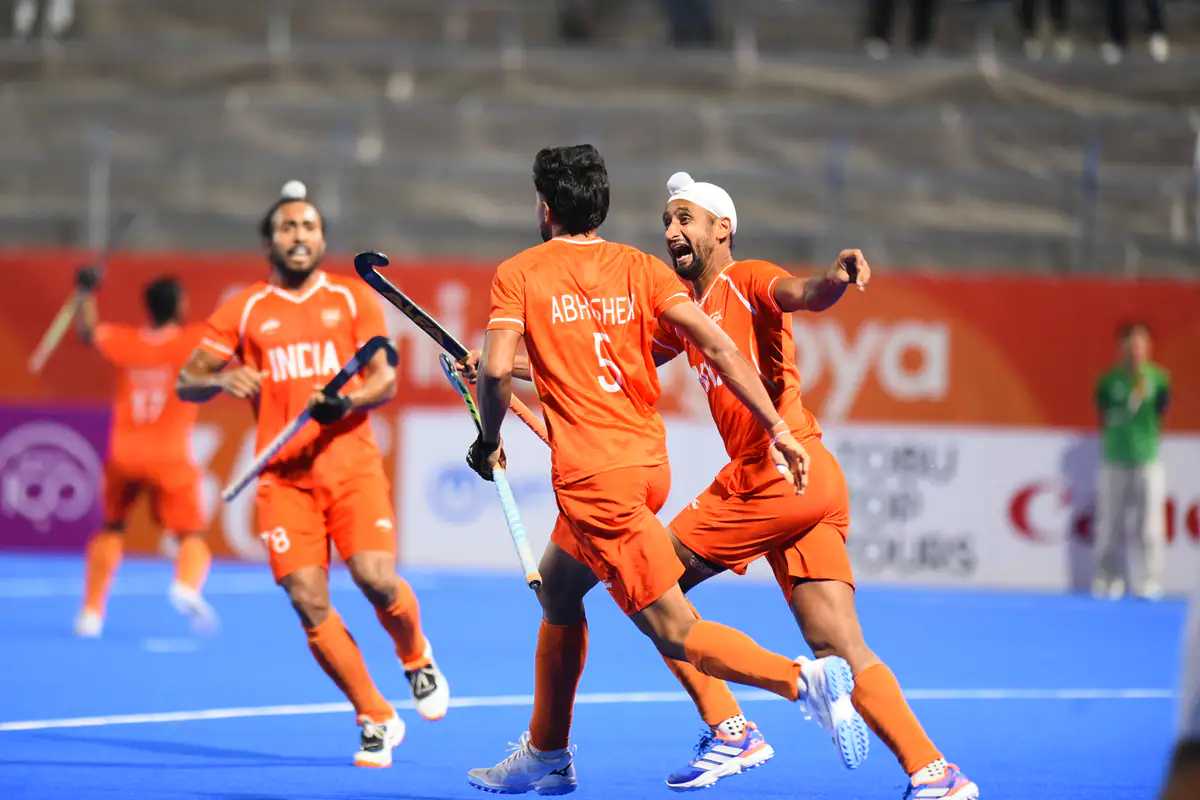
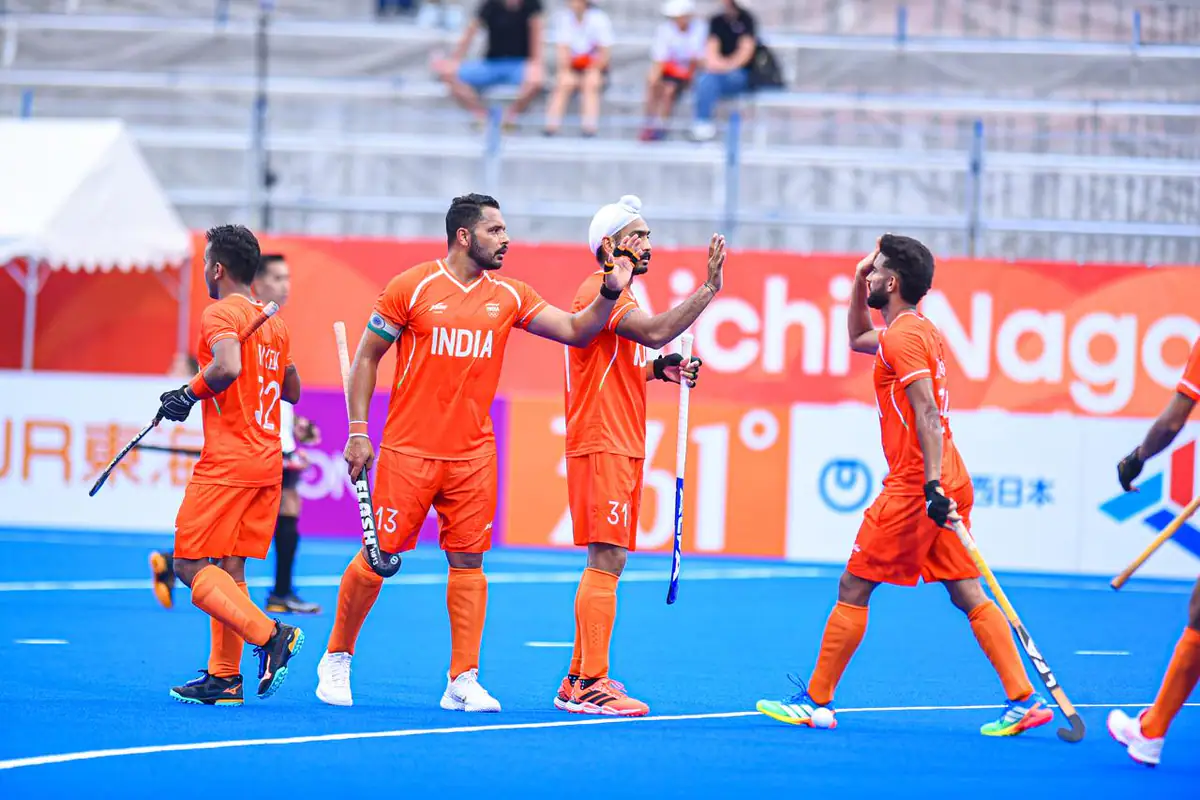
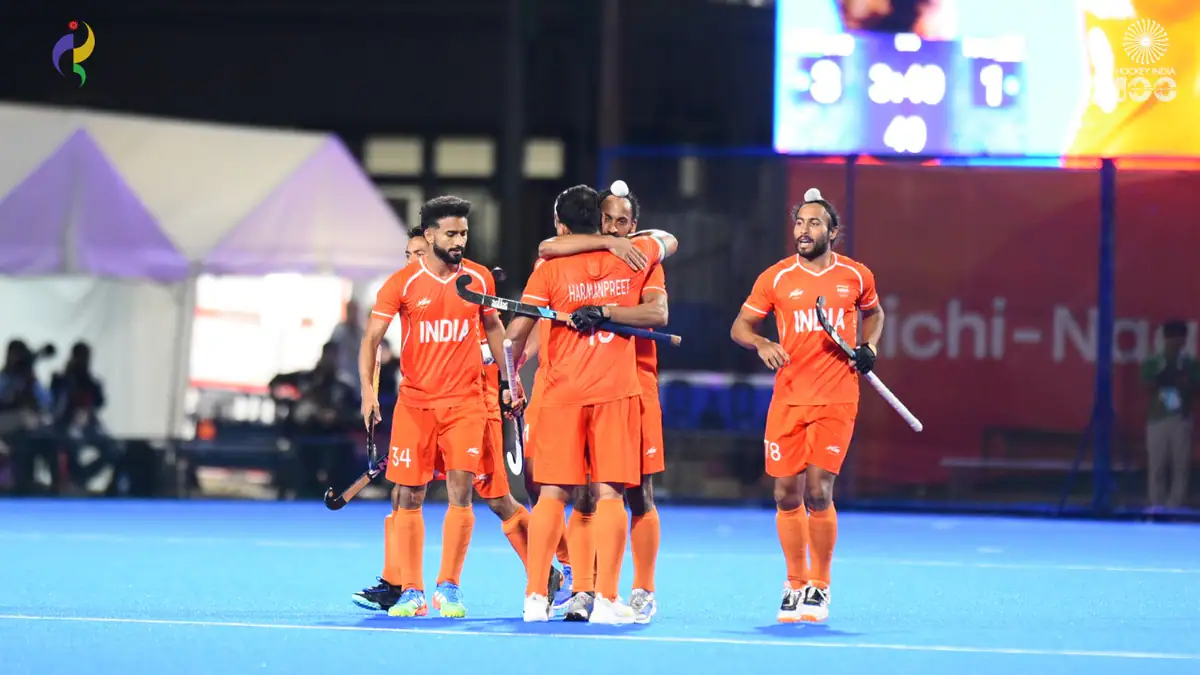
FIH Hockey World Cup 2026: India's Midfield Stars Reveal the Blueprint Behind Every Goal
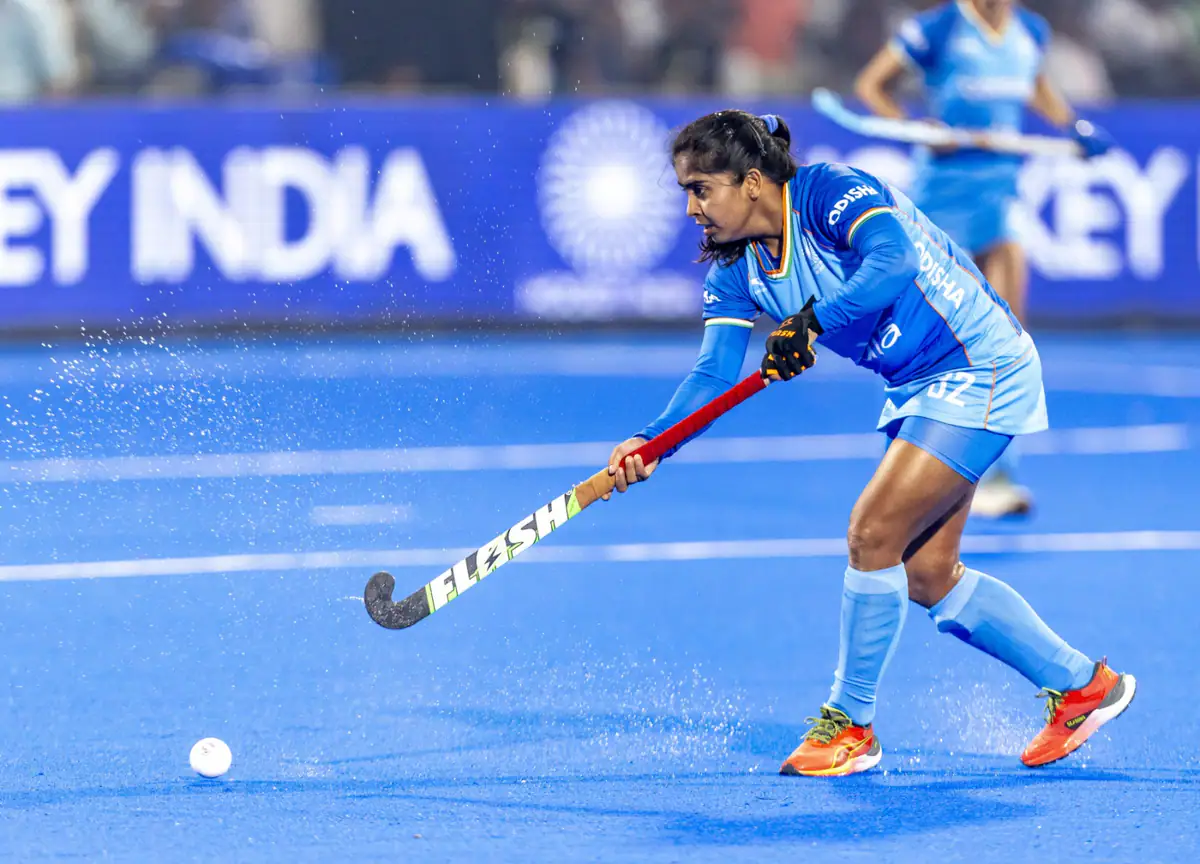
With less than a month remaining before the FIH Hockey World Cup 2026, preparations have entered their decisive phase for both the Indian Men's and Women's Hockey Teams.
While goalscorers often receive the spotlight, India's midfield unit is quietly sharpening the skills that could determine the team's fortunes at the biggest tournament in world hockey.
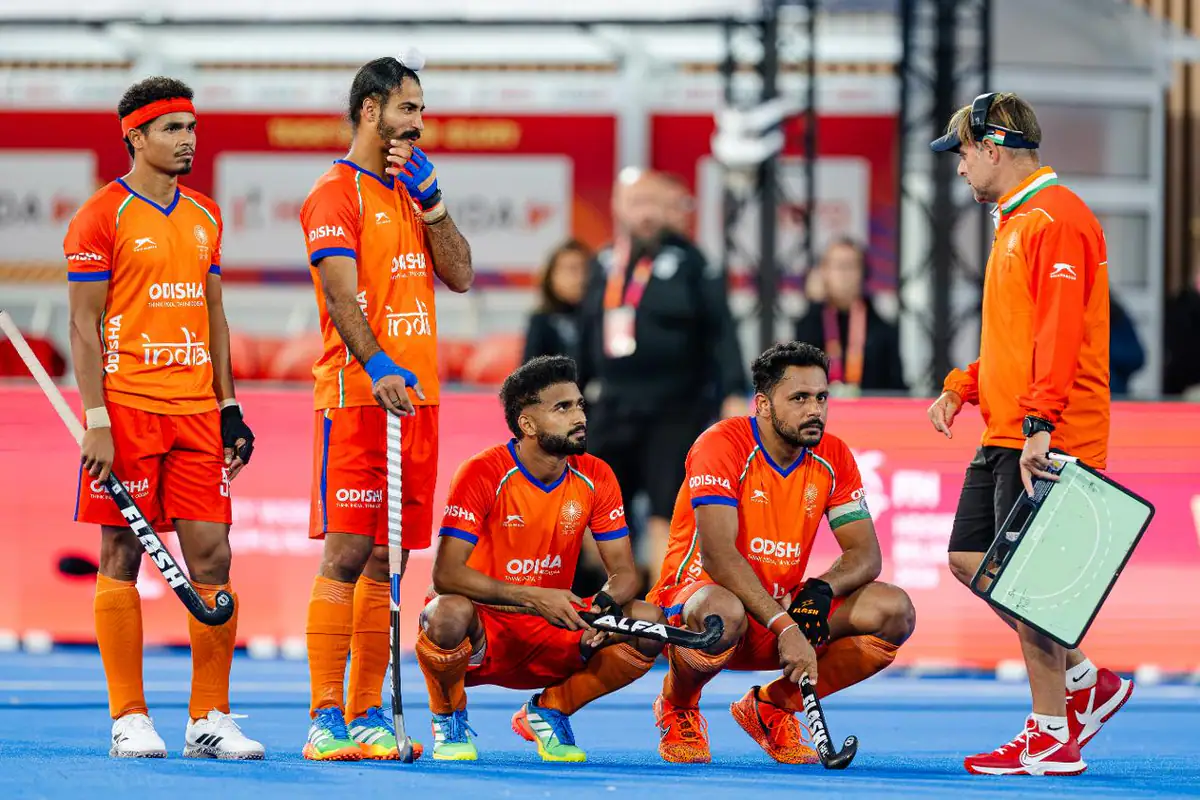
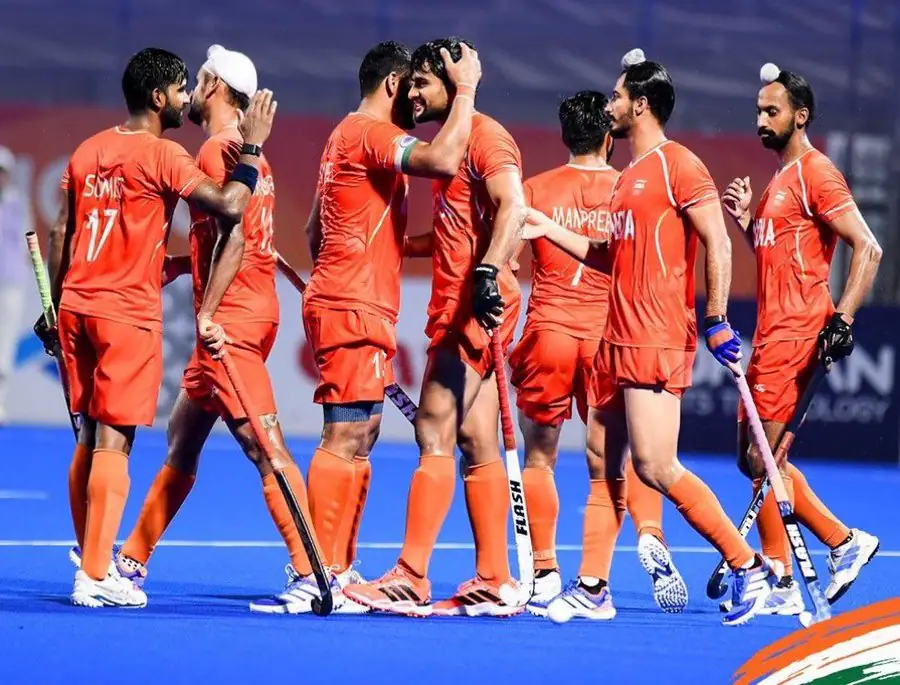
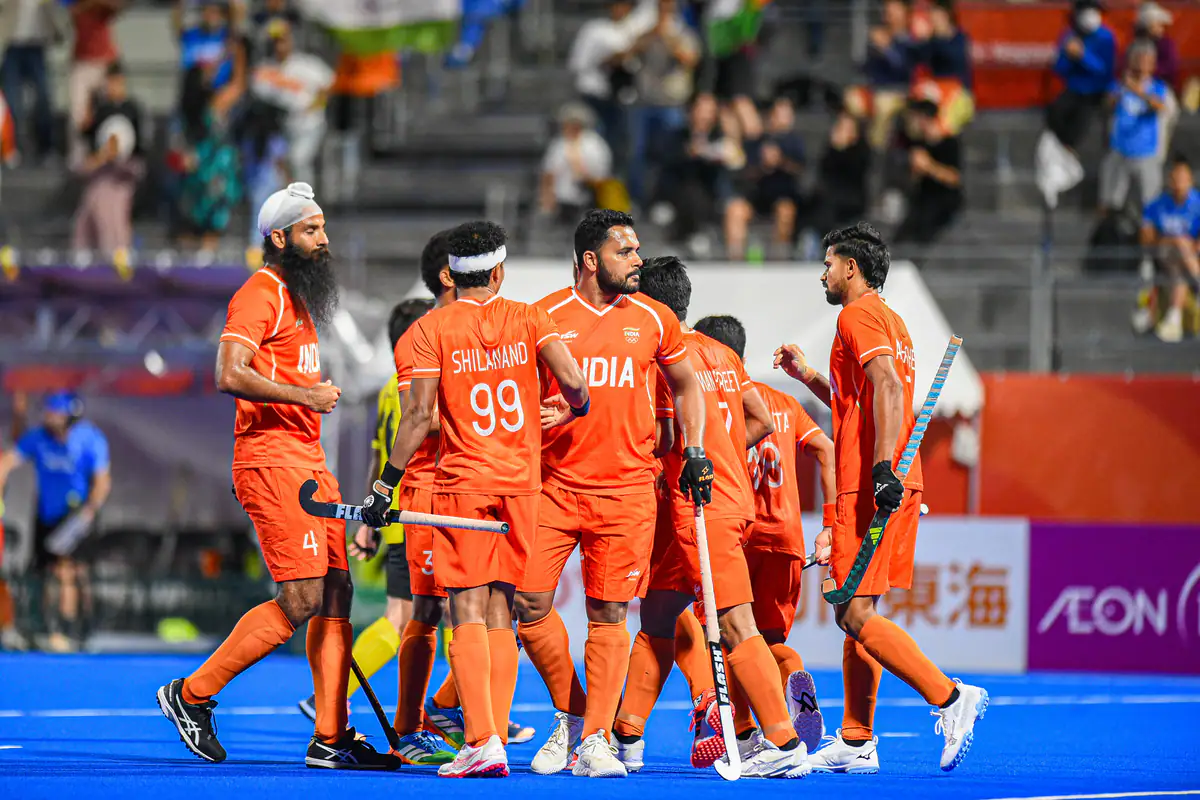
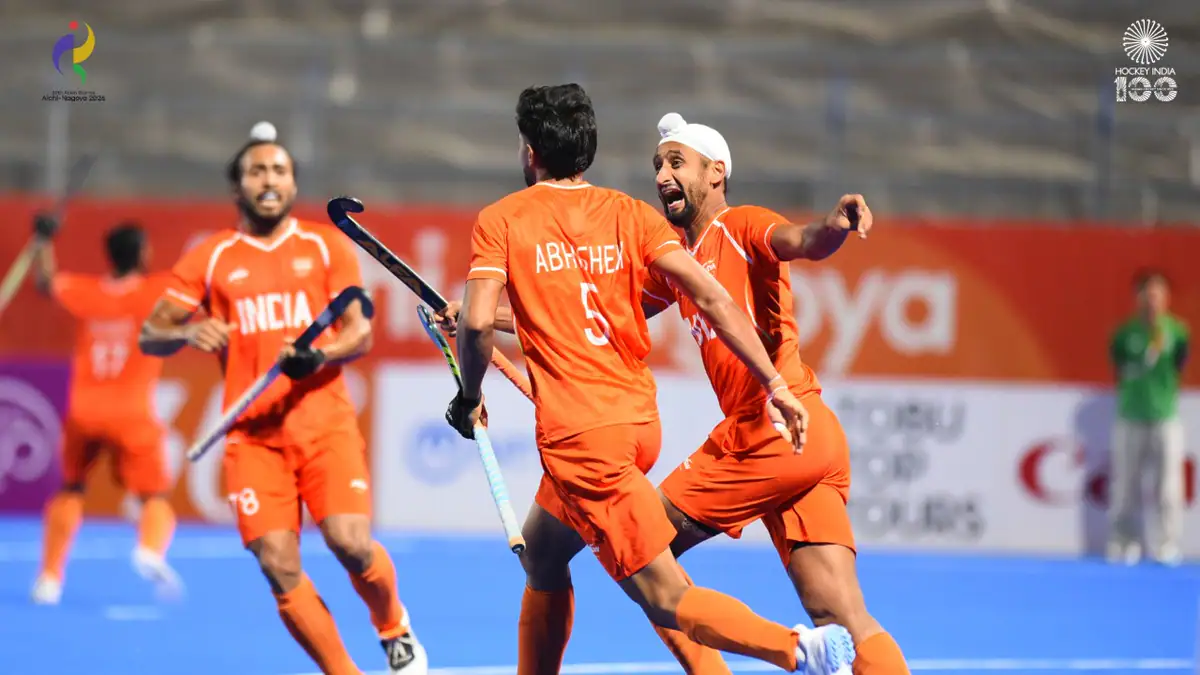
From controlling possession and dictating tempo to creating scoring opportunities and shielding the defence, midfielders remain the heartbeat of every successful hockey side. As India gears up for a challenging World Cup campaign, some of the team's leading playmakers have offered an insight into the demanding role they perform and the qualities required to succeed at the highest level.
Veteran midfielder Manpreet Singh, who is set to become India's most-capped player at an FIH Hockey World Cup, believes the role of a midfielder extends far beyond simply passing the ball. For Manpreet, the midfield serves as the bridge between defence and attack, ensuring the team maintains its structure and rhythm throughout the game.
"A midfielder has to be involved in almost every moment of the game," he explained, emphasising that creating space, supporting teammates and making quick decisions are just as important as distributing the ball.
His experience has made him one of the most influential figures in Indian hockey over the past decade. Whether India is defending deep or launching an attack, Manpreet's ability to read the game allows him to control the pace of matches and provide stability across all phases of play.
India's men will face England, Pakistan and Wales in Pool D, making midfield control particularly crucial against opponents known for their structured hockey and quick transitions.
While technical ability remains essential, Hardik Singh believes the best midfielders distinguish themselves through communication and game awareness. According to Hardik, midfielders must constantly assess situations, helping teammates maintain balance while ensuring the opposition is denied opportunities to counter-attack. He stressed that recognising the right moments to push forward or remain in position comes only through experience and constant communication with teammates.
In modern hockey, where transitions happen within seconds, a single poor decision can leave teams exposed defensively. Hardik's emphasis on awareness reflects India's tactical evolution under recent coaching setups, where structured pressing and intelligent positioning have become central to the team's playing philosophy.
The Indian Women's Team enters the World Cup on the back of its FIH Nations Cup triumph, carrying renewed confidence into a tournament where they will face China, South Africa and England in the group stage. Midfielder Neha believes success begins long before match day. She explained that midfielders spend significant time working with both defenders and forwards to develop an understanding that allows the team to function seamlessly under pressure.
Video analysis sessions, eye contact, body positioning and pre-scanning before receiving the ball form a major part of the team's training routines. According to Neha, these seemingly minor details help players make quicker and more effective decisions during matches. Whether pressing opponents or launching attacks, the ability to anticipate situations before receiving possession has become a defining characteristic of elite midfield play.
Among India's most creative midfielders, Vivek Sagar Prasad believes decision-making separates good players from great ones. One of the biggest challenges, he explained, is deciding whether to release the ball immediately or carry it forward. His philosophy is straightforward.
"The ball always travels faster than the player." That principle has become central to India's attacking approach. Quick passing combinations allow the team to stretch opposition defences while maintaining possession. At the same time, Vivek recognises situations where individual carries become necessary, particularly in the attacking half where taking calculated risks can unlock compact defensive structures.
In defensive areas, however, his priority shifts towards protecting possession, drawing fouls when required and helping the team regain control of the contest. This balance between patience and aggression has become one of the defining features of India's midfield play.
Women's midfielder Sakshi Rana believes composure is the most valuable quality a midfielder can possess. Operating in the centre of the pitch often means receiving the ball while surrounded by opponents. Rather than reacting instinctively, Sakshi focuses on scanning the field before the ball even reaches her stick.
Knowing where teammates and opponents are positioned allows her to make quicker decisions once possession arrives. Whether the correct option is a simple pass, a forward carry or a switch of play, preparation before receiving the ball significantly increases the speed and quality of decision-making. This calmness under pressure is particularly valuable during high-stakes international matches where turnovers can quickly lead to scoring opportunities for opponents.
While forwards are celebrated for scoring goals and goalkeepers often earn praise for spectacular saves, midfielders frequently perform the most demanding role on the pitch without appearing prominently on the scoresheet. They are responsible for controlling possession, directing pressing structures, supporting defenders, creating space for attackers and maintaining the team's overall tactical balance. Every attacking move usually begins with intelligent midfield play, while every successful defensive transition relies on midfielders recovering possession and organising teammates.
The role demands exceptional fitness, tactical awareness, technical skill and constant concentration across all four quarters of a match.
With the countdown to the FIH Hockey World Cup 2026 entering its final weeks, India's midfield unit appears ready for the challenge ahead. The experience of Manpreet Singh, the leadership of Hardik Singh, the creativity of Vivek Sagar Prasad and the composure of Neha and Sakshi Rana provide both the men's and women's teams with a strong foundation heading into the tournament.
As India aims to challenge the world's best, the spotlight may ultimately fall on the goalscorers. Yet behind every successful attack and every decisive victory will be the tireless work of the midfielders—players whose vision, communication and split-second decisions form the foundation of India's World Cup ambitions. If these playmakers can dictate the rhythm against elite opposition, India's chances of making a deep run in the tournament will increase significantly.
Comments (0)
to post comments, replies, and votes.
Loading comments…