From 96th to 141st: Has Indian Football Wasted a Decade of Progress?
Indian football appears to be travelling backwards, and the latest FIFA ranking movement is another painful reminder of how much ground the national team has lost.
India's position has slipped from 138th to 141st in the November 2026 ranking tracker, bringing back uncomfortable memories of a period the country had spent years trying to leave behind.
The concern is no longer simply about missing a tournament or losing a few international matches. It is about the direction in which Indian football is heading. After spending nearly a decade attempting to establish itself among the top 100 nations, India is now struggling to remain inside the top 140.
The irony is difficult to ignore. In 2015, India was ranked 171st in the world. More than a decade later, instead of consolidating the progress made since then, the national team is once again moving towards the lower reaches of the international rankings.
At this rate, returning to the neighbourhood of 171st does not seem like an entirely unreasonable fear.
India's footballing journey over the last decade has been a story of considerable highs followed by an increasingly worrying decline. In March 2015, India reached an all-time low of 173rd in the FIFA rankings. The appointment of Stephen Constantine and a renewed emphasis on rebuilding the national team gradually changed the trajectory.
By May 2017, India had returned to the top 100, eventually reaching 96th in July that year. It was a significant achievement, representing the country's best ranking in more than two decades. The team subsequently maintained a relatively stable position between 97th and 109th for several years. Under different coaching regimes, India remained competitive within the Asian football landscape.
In 2023, India briefly returned to the top 100 conversation and finished the year ranked 102nd.
What followed, however, has been a dramatic reversal.
India slipped to 126th in 2024, 142nd by the end of 2025 and now finds itself at 141st on the AIFF's November 2026 ranking tracker. The journey from 99th in 2023 to the current position represents a substantial erosion of international progress.
We have spent years climbing the rankings, only to find ourselves approaching the position from which this rebuilding exercise began.
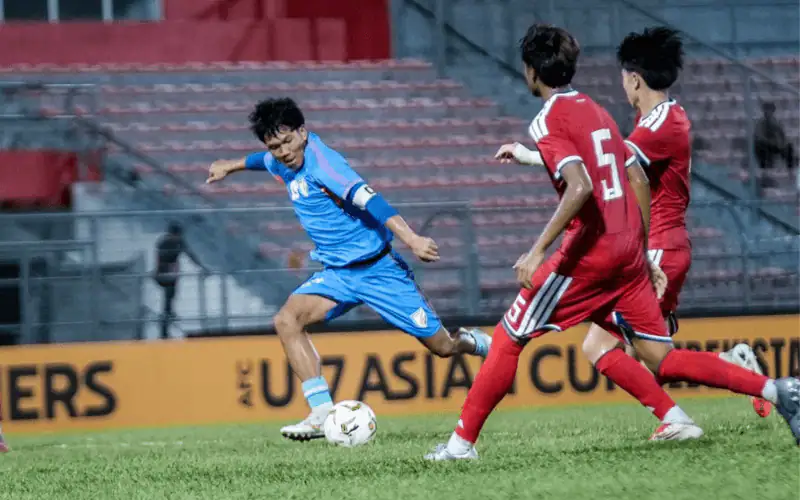
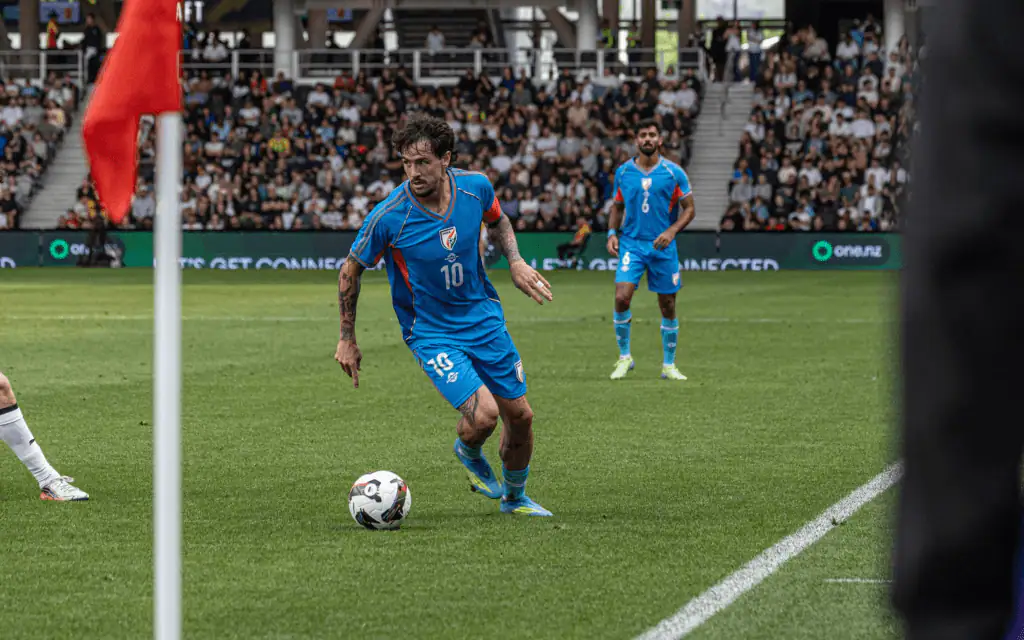
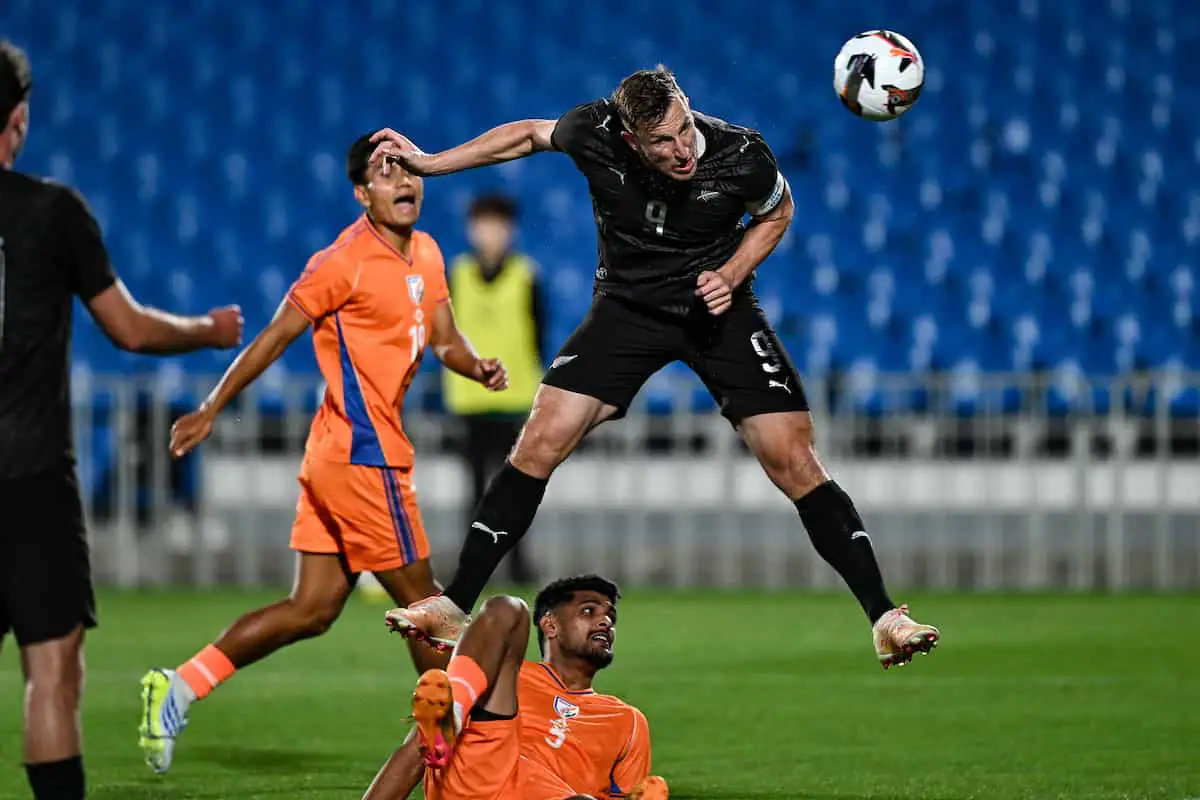
The latest setback came during India's tour of New Zealand, where the national team suffered consecutive defeats. India lost 0-5 in Auckland on November 12 before going down 0-3 in Christchurch on November 15. An aggregate scoreline of 0-8 against New Zealand exposed the considerable gap that still exists between India and established international opponents.
These results followed defeats against Brazil and Uruguay earlier in the year, alongside inconsistent performances against other opposition.
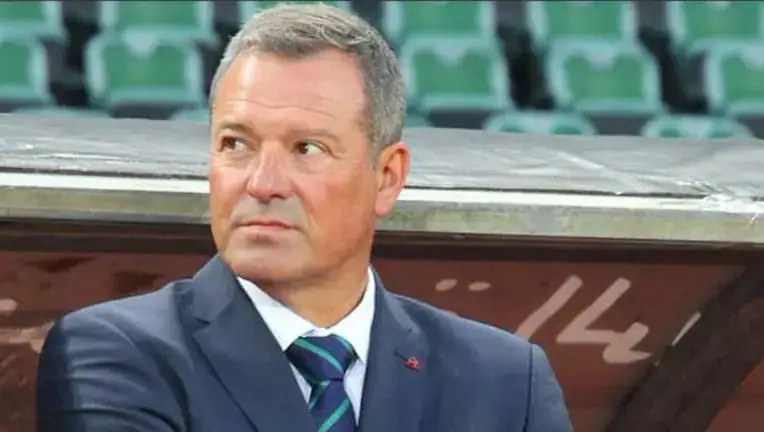
India's 2026 record under head coach Khalid Jamil has been particularly concerning. Across 10 senior international matches in the year, the team has managed just one victory and two draws, alongside seven defeats.
A single victory in 10 matches is not the record expected from a national team aspiring to make progress in Asian football.
The ranking decline is therefore not an isolated statistical event. It reflects a sustained inability to produce results consistently.
The problem runs deeper than the coach
It would be convenient to place the entire responsibility on the head coach, but Indian football's problems extend considerably beyond the technical area. The instability surrounding domestic football has had serious consequences. The disruption to the domestic league structure, uncertainty over sponsorship and the prolonged administrative issues have created an environment in which long-term player development becomes difficult.
Players cannot be expected to perform consistently at the international level without regular, competitive football at club level.
Coaching instability has added another layer to the problem. India have moved through three coaching regimes involving Igor Stimac, Manolo Marquez and Khalid Jamil in a relatively short period. Every change brings different tactical approaches, player selections and expectations. Building a settled national team becomes increasingly difficult when continuity is missing.
The transition beyond the Sunil Chhetri era has also highlighted the need for a new generation of players to take responsibility. That transition requires a carefully planned development structure rather than short-term experimentation.
Could India slip below 150?
The possibility of India falling below 150 should not be dismissed. Under FIFA's current ranking system, defeats against significantly higher-ranked opponents do not necessarily result in massive point deductions. However, losing competitive matches against similarly ranked or lower-ranked teams can have a much greater impact.
India currently have little breathing room around their ranking position. With teams such as Turkmenistan, Burundi and other nations close in the points table, a few poor results could lead to further movement downwards.
Returning to 171 will require a much more sustained decline, rather than a couple of disappointing international windows. But slipping below 150 is a genuine medium-term concern if the present trajectory continues. There is an important distinction between where India stand today and where they could end up. The AIFF's November tracker lists India at 141st, while the next official FIFA ranking confirmation is scheduled for November 18.
Either way, the warning signs are unmistakable.
The biggest question is what happens next. India need a stable domestic football calendar, continuity in coaching, a clearly defined national-team playing philosophy and regular opportunities for players to compete against appropriately matched international opposition.
Playing against Brazil, Uruguay or other established football nations might generate attention, but competitive development also requires fixtures against teams ranked between 100th and 140th, where India can test themselves in genuinely competitive circumstances.
The objective should be to build a team capable of winning consistently, not simply one that occasionally produces an encouraging performance. Youth development and grassroots investment are equally important, but those initiatives must eventually translate into a stronger senior national team.
Indian football cannot continue celebrating infrastructure announcements and development programmes while its senior men's team keeps sliding down the international rankings.
From 171st in 2015 to 96th in 2017, and now back to 141st in 2026 this is not the progress Indian football supporters were promised.
The most shameful part is not merely the ranking itself. It is the possibility that, after more than a decade of rebuilding, we may be heading towards the very position from which we once fought so hard to escape. Indian football needs to stop moving backwards. Otherwise, 171st may no longer be a reminder of the past. It could become our future.
Comments (0)
to post comments, replies, and votes.
Loading comments…