From Paris 2024 to Hockey World Cup 2026: How Argentina Replaced India in Hockey’s New Final Four

The semifinal lineup of the 2026 FIH Men’s Hockey World Cup has highlighted both remarkable continuity and a significant shift in the global hierarchy of the sport.
The Netherlands, Germany and Spain have successfully retained their places among the final four from the Paris 2024 Olympic Games, while Argentina have replaced India to complete the World Cup semifinal lineup.
The transition from Paris to the 2026 World Cup offers an important snapshot of how elite international hockey has evolved over the last two years. European dominance remains firmly intact, with three European nations once again occupying semifinal places. However, the change from India to Argentina also reflects the increasing importance of tactical flexibility, transition defence, squad depth and attacking variety at the highest level.
At the Paris Olympics, the Netherlands won gold, Germany took silver, India secured bronze and Spain finished fourth. Two years later, the Netherlands, Germany and Spain remain in contention for another major global title. India, however, has fallen short of the semifinals, with Argentina producing the decisive performances needed to take their place.
The Paris Olympics provided a clear picture of the world’s leading hockey nations. The Netherlands emerged as Olympic champions after defeating Germany in a dramatic shootout in the final. Germany’s disciplined structure, physical pressing and efficiency from set-pieces once again demonstrated why they remain one of the most consistent tournament teams in world hockey.
India produced another memorable Olympic campaign to win bronze, defeating Spain 2-1 in the medal match. It was India’s second consecutive Olympic bronze medal and reinforced their return to the top tier of international hockey. Spain, despite missing out on a medal, also established themselves as a major force with their aggressive transition game and high-tempo style.
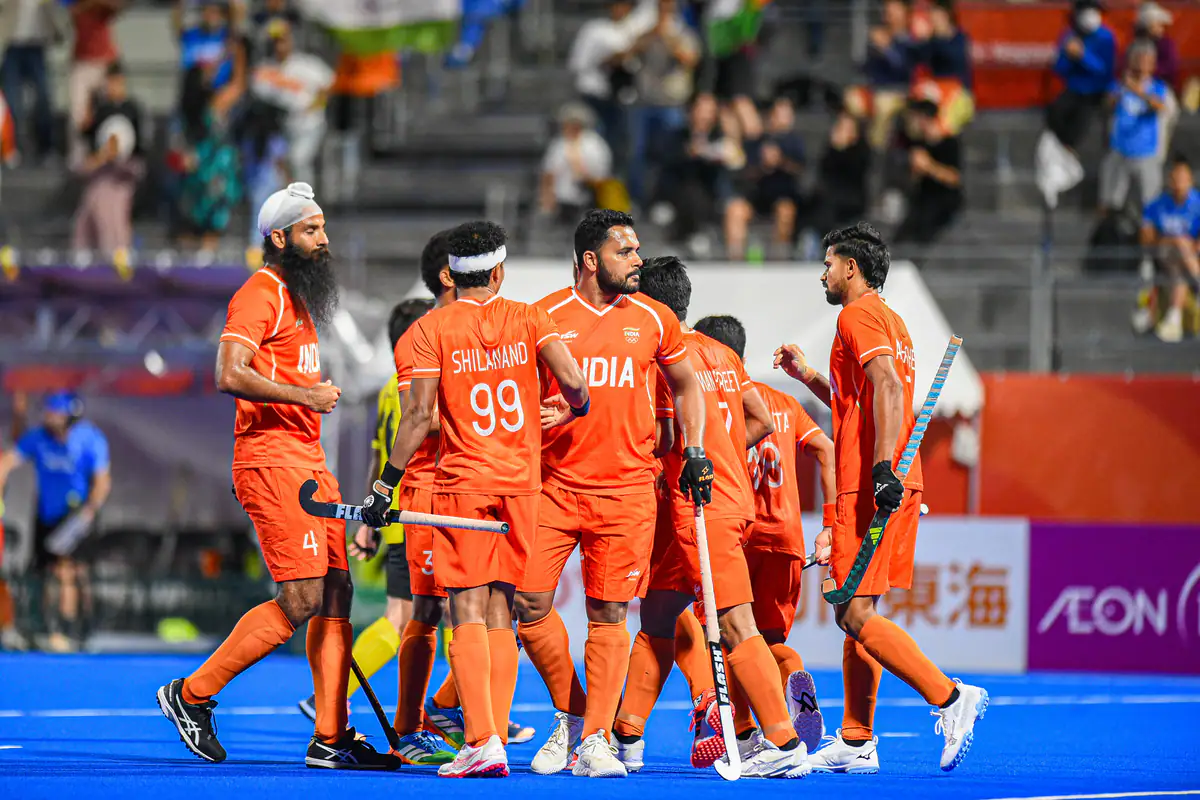
India’s success in Paris was built around two extraordinary pillars. Captain Harmanpreet Singh was the tournament’s leading scorer with 10 goals, largely driven by his exceptional drag-flicking from penalty corners. Behind him, veteran goalkeeper PR Sreejesh produced some of the finest performances of his career.
Together, they gave India a reliable formula: defend deep, absorb pressure, earn penalty corners and convert them through Harmanpreet.
That formula was enough to take India to another Olympic medal. But the World Cup exposed how difficult it is to sustain success when opponents adapt and a team undergoes a major transition.
Argentina seize the opportunity.
Argentina’s rise into the 2026 World Cup semifinals has been built on a more varied tactical approach. Traditionally known for their defensive resilience and structured low block, Argentina have evolved into a team capable of pressing aggressively, forcing turnovers and attacking quickly through transition moments.
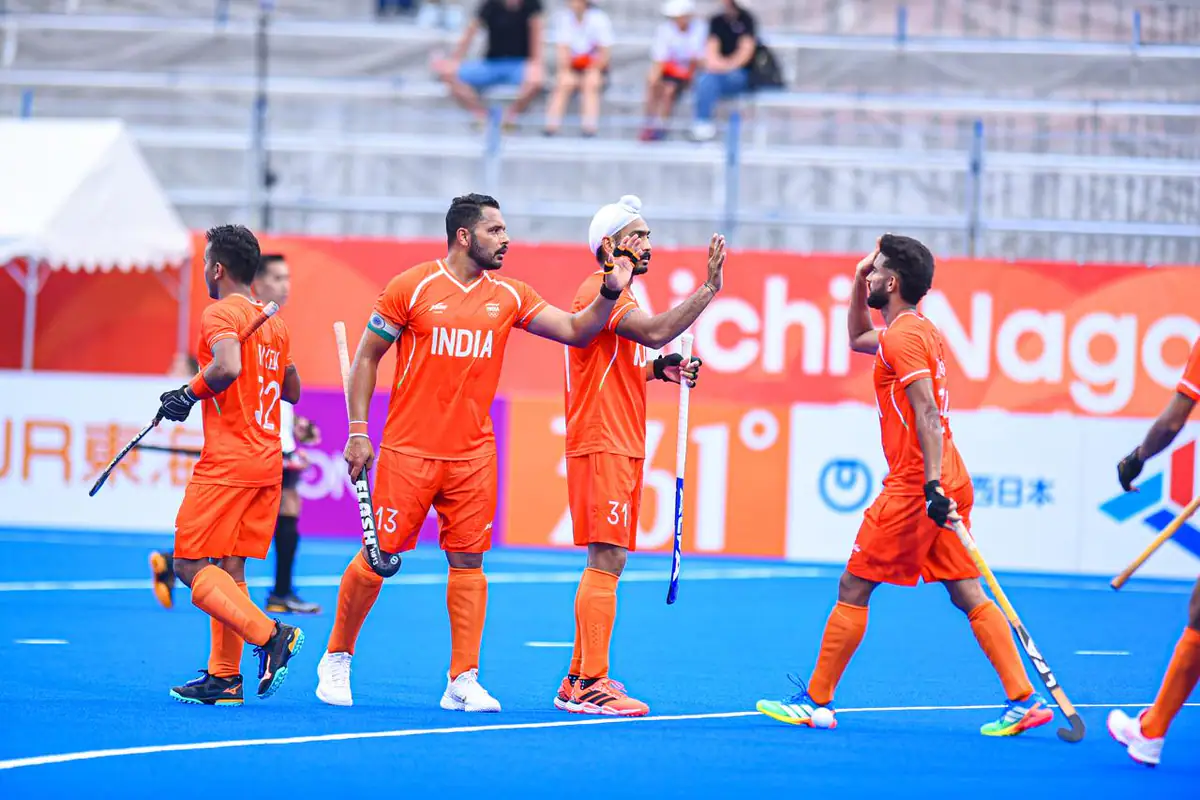
Their decisive victory over India in the second round demonstrated that evolution. Argentina defeated India 5-3 in a high-scoring encounter to finish second in Pool E and eliminate India from medal contention. The match exposed the difference between two teams moving in opposite tactical directions.
Joaquín Toscani opened the scoring in the first minute before Nicolás Della Torre doubled the advantage in the sixth. India was immediately forced into a chase. Tomás Domene then took control of the contest, scoring twice in the second half. Lucas Toscani added another as Argentina continued to exploit spaces created when India pushed forward.
Sukhjeet Singh scored twice for India, while Hardik Singh added a late goal, but the defensive damage had already been done. Argentina’s transition play was decisive. Their ability to move quickly after regaining possession repeatedly disrupted India’s defensive structure.
Domene has been particularly influential, finishing the World Cup stage with eight goals to emerge as the tournament’s leading scorer. His set-piece efficiency has given Argentina an attacking weapon capable of changing games quickly.
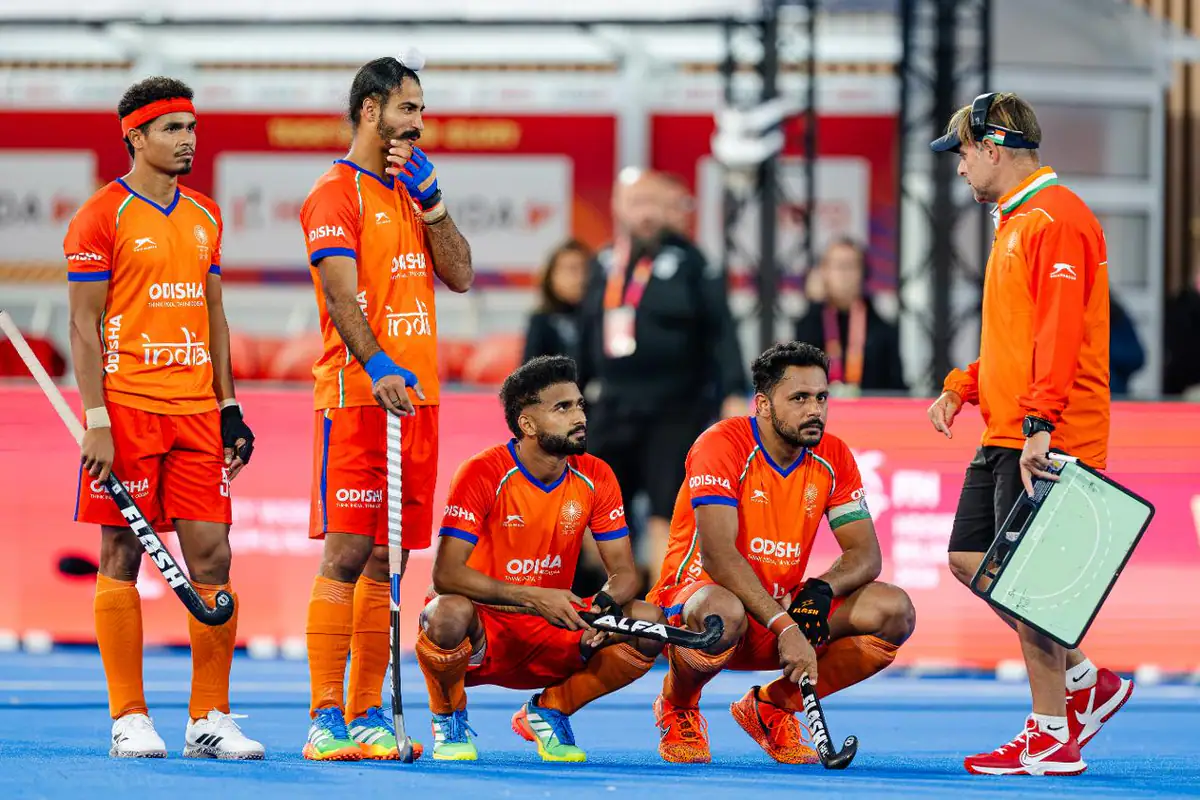
India’s second-round exit represents a significant step back from the momentum generated by the Paris Olympics. The most obvious transition has been the retirement of PR Sreejesh following Paris 2024. Replacing a goalkeeper of his experience and quality was always going to be difficult.
Sreejesh did more than simply make saves. His presence provided leadership, composure and confidence to the defensive unit. He regularly produced crucial interventions after India allowed opposition entries into the circle. Without that established last line of defence, India has appeared more vulnerable under sustained pressure.
The numbers from the World Cup underline the problem. India conceded eight goals across defeats to the Netherlands and Argentina, losing 3-1 and 5-3, respectively.
The issue was not simply individual defending. India’s entire transition structure came under pressure. When Argentina scored early, India had to push higher and take more attacking risks. That created spaces behind the midfield and defensive lines, allowing Argentina to attack with speed and numbers.
At the other end, India’s attacking structure remained heavily dependent on Harmanpreet Singh’s penalty-corner threat.
When opponents successfully reduced penalty-corner concessions or used aggressive first-runners to disrupt drag-flick opportunities, India found it harder to consistently generate goals from open play.
That lack of attacking variety became increasingly costly.
While Argentina’s rise is one of the major stories of the tournament, the bigger picture remains European stability. The Netherlands, Germany and Spain have now reached the semifinals of both the Paris 2024 and the 2026 World Cup. The Netherlands continue to benefit from exceptional squad depth and their fluid style of hockey. Their ability to rotate players and maintain attacking intensity gives them a major advantage during demanding tournament schedules.
Germany remains the benchmark for tournament discipline. They have consistently demonstrated an ability to absorb difficult moments and raise their level when qualification is on the line. Spain’s second consecutive major tournament semifinal is equally significant. Their tactical maturity and defensive organisation have turned them from an outside challenger into a regular member of hockey’s elite.
The Netherlands topped Pool E with seven points, including a 3-1 victory over India and a 2-2 draw with England. Jip Janssen and Thierry Brinkman once again played important roles in securing their progress.
Germany advanced by defeating Australia, while Spain held co-hosts Belgium to a draw and eliminated another major European power from medal contention.
The shift from Paris 2024 to the 2026 World Cup is not simply about Argentina replacing India in the semifinals. It reflects how narrow the margins have become in elite international hockey. India remains capable of competing with the world’s best teams. However, the World Cup has shown that Olympic success cannot be sustained through one tactical formula alone.
India will need greater defensive stability, especially during transition moments. They will also need more reliable open-play scoring to complement Harmanpreet’s penalty-corner threat.
Argentina, meanwhile, have demonstrated how quickly a team can rise when transition hockey, set-piece efficiency and defensive organisation come together.
As the Netherlands, Germany, Spain and Argentina prepare for the World Cup semifinals, the message is clear. European hockey remains the global benchmark.
But Argentina has broken into that elite group. For India, the challenge now is to evolve again and find the tactical balance required to return to the final four before the next major Olympic cycle.
Comments (0)
to post comments, replies, and votes.
Loading comments…