India 1-6 Uruguay: Thapa’s Equaliser, Lightning Break and a Second-Half Collapse in Kolkata
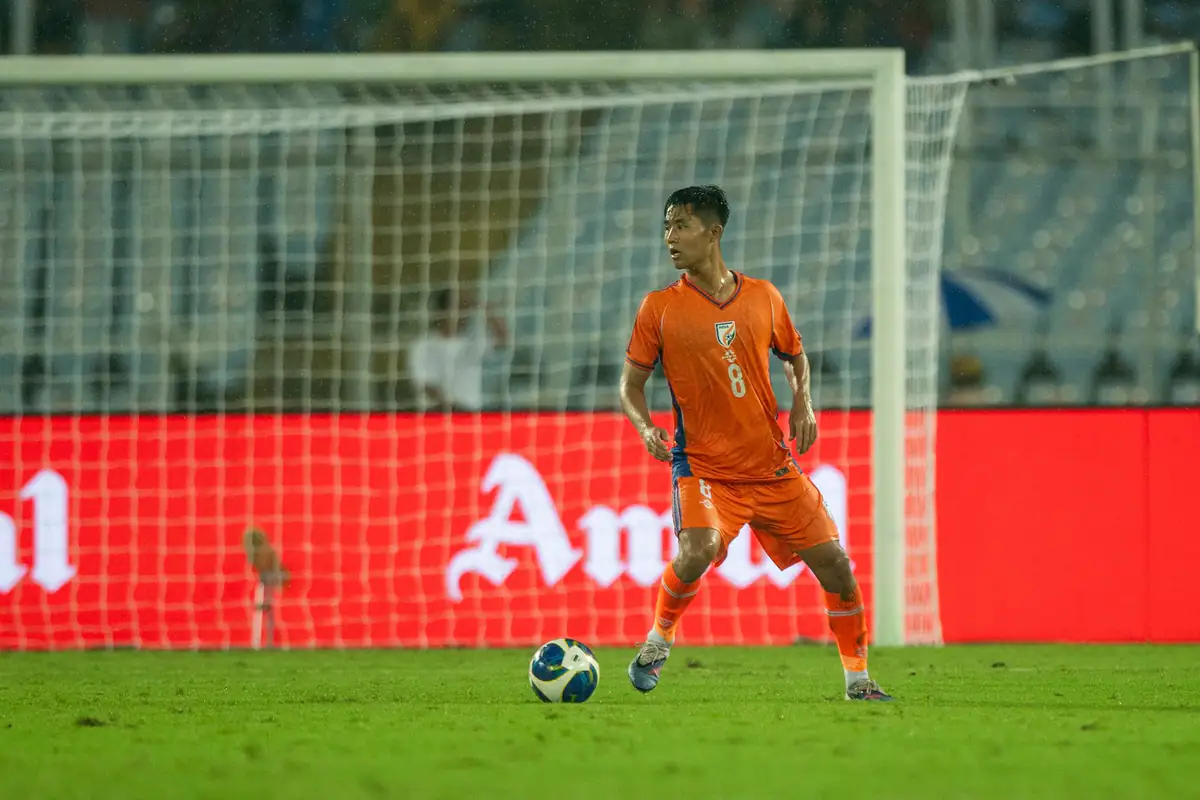
India lost 1-6 to Uruguay in Kolkata after Anirudh Thapa’s equaliser, with lightning interrupting the first half before Uruguay dominated after the restart.
For 27 minutes at the Vivekananda Yuba Bharati Krirangan, India gave its home crowd something to believe in against two-time world champions Uruguay.
Then the lightning came. And when the game resumed, so did Uruguay's superiority.
India eventually suffered a heavy 1-6 defeat in Kolkata, bringing an end to its three-match sequence of high-profile international friendlies with a 1-1 draw against Panama, a 0-4 defeat to Brazil and now a six-goal loss to Uruguay. But the final score does not entirely capture the contrasting nature of the contest. India had moments of genuine attacking threat in the opening half. Anirudh Thapa's 22nd-minute equaliser briefly brought the hosts level after Darwin Núñez had converted from the penalty spot. The weather interruption then changed the rhythm of the evening, and Uruguay emerged from the break with a completely different level of control.
Uruguay began with the expected territorial advantage. Diego Forlán's side pressed aggressively, circulated the ball with purpose and attempted to force India into mistakes during the build-up. India initially struggled to deal with that pressure, but there were also early indications that Khalid Jamil's side could hurt Uruguay in transition.
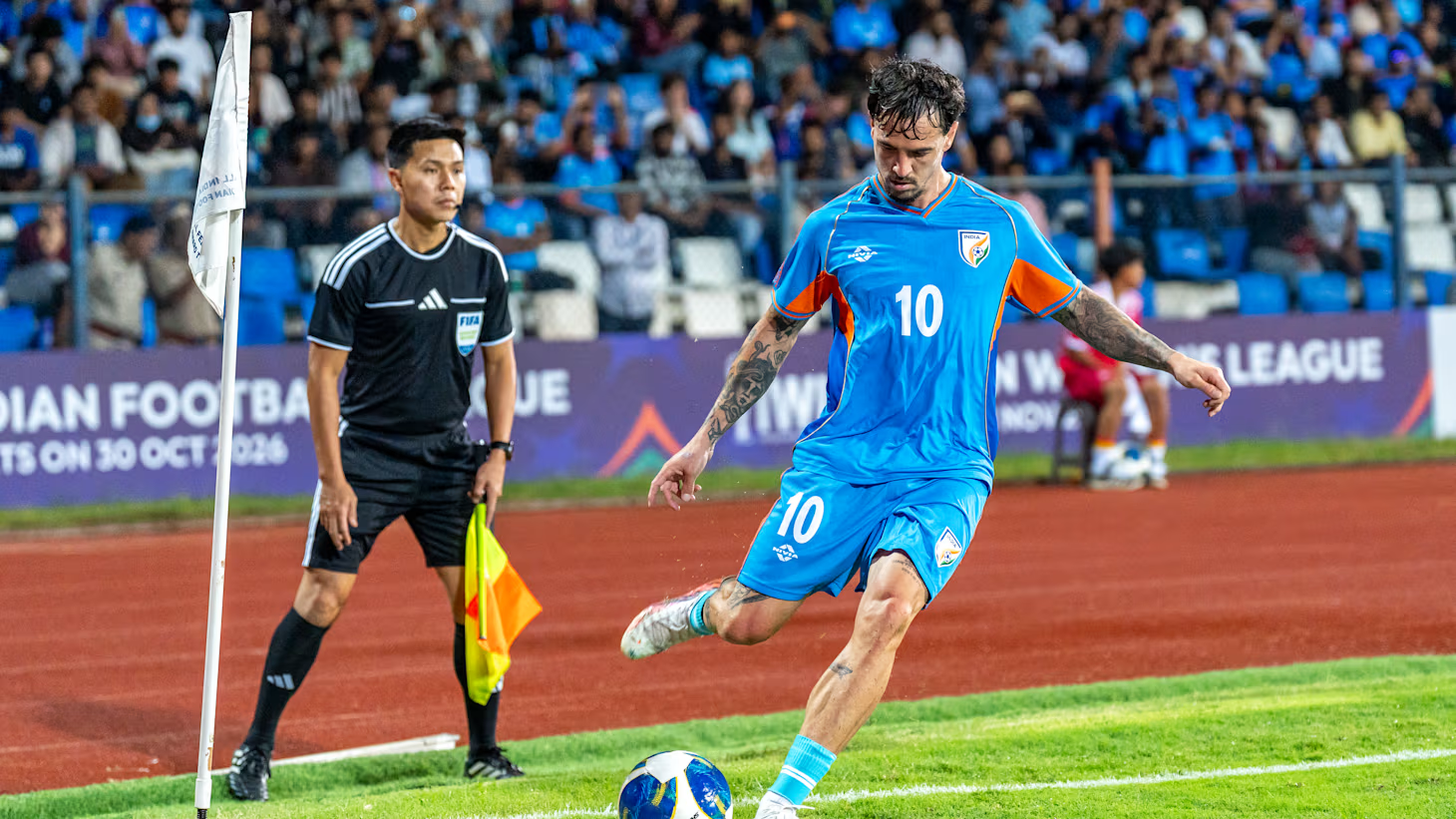
Ryan Williams was central to those moments. India's attacking structure looked to release Williams into space while Edmund Lalrindika operated as the central outlet, with Manvir Singh and Ashique Kuruniyan providing width.
The first major opportunity arrived when Williams helped India transition quickly and Edmund forced a defensive intervention. Moments later, Uruguay won a penalty after Pramveer Singh's challenge on Federico Viñas. Núñez made no mistake, sending Gurpreet Singh Sandhu the wrong way to give Uruguay a 1-0 lead.
India's response was immediate.
Thapa ignites Salt Lake
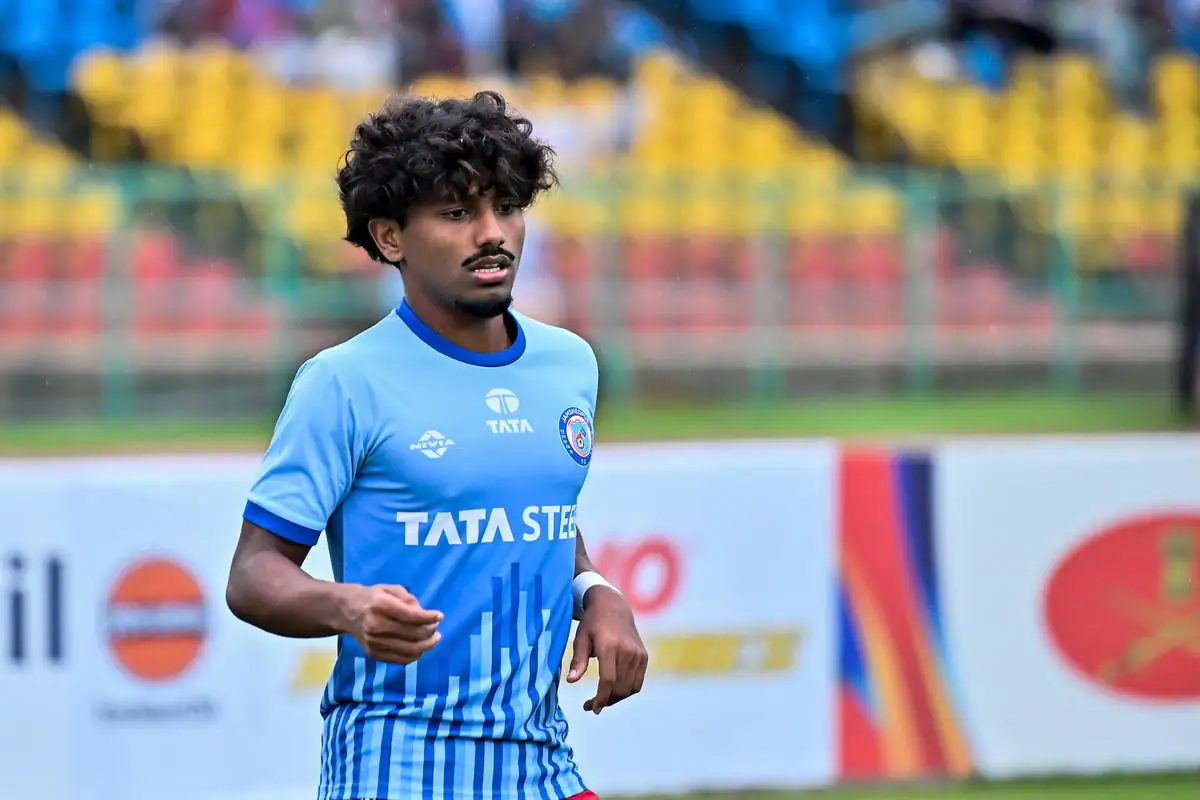
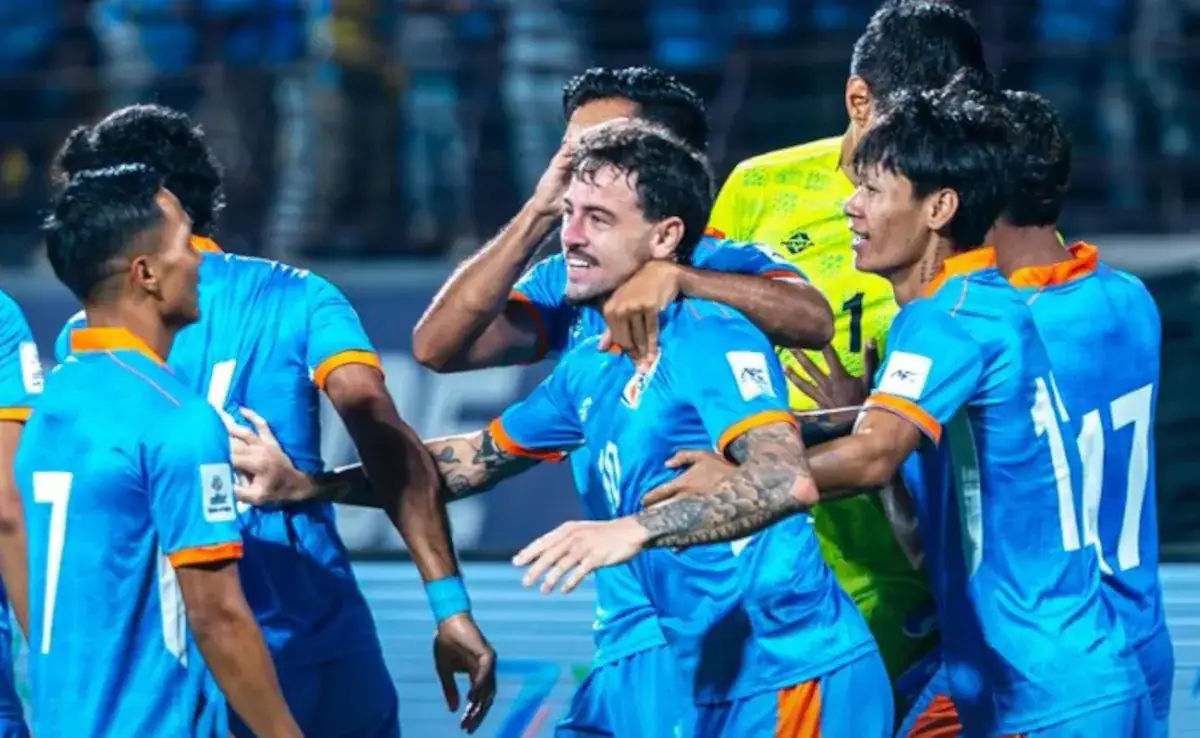
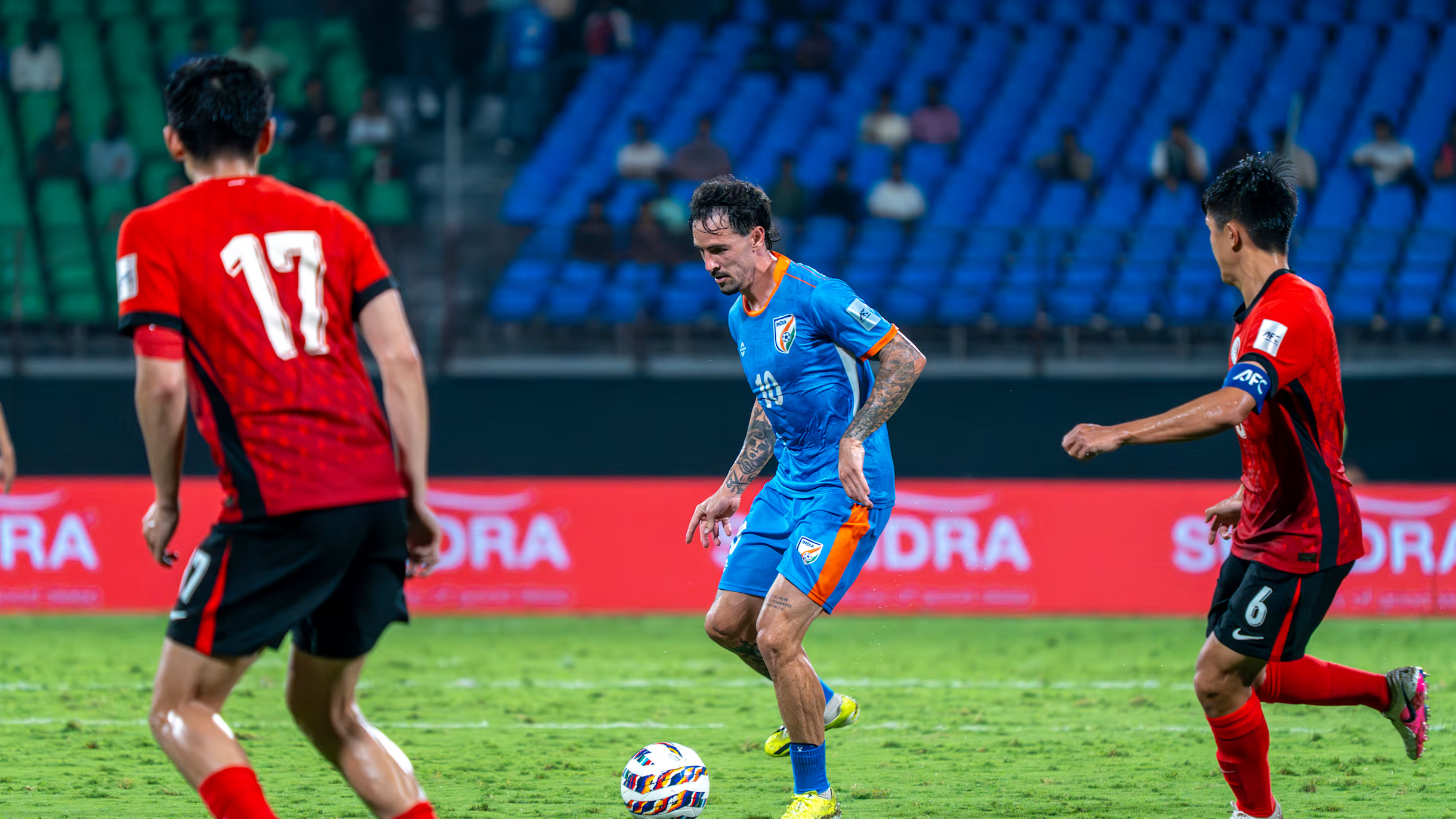
In the 22nd minute, India produced its best attacking sequence of the opening period. Williams carried the ball forward and unleashed a shot from outside the box. Uruguay goalkeeper Thiago Cardozo could only parry the effort, and Thapa reacted quickest to the rebound. The midfielder calmly finished from close range.
India 1-1 Uruguay.
The Salt Lake Stadium erupted. It was more than an equaliser. According to the AIFF, Thapa became only the second Indian to score against Uruguay in a senior international, following Manas Bhattacharya's goal in India's 3-1 defeat to Uruguay in the 1982 Nehru Cup.
India then had another opportunity to take the lead. Williams found Edmund in space inside the penalty area, but the striker took an extra touch instead of shooting immediately. Uruguay recovered defensively and the chance disappeared.
That moment would later look significant. India had created openings against a team ranked far above them. But it needed to convert them.
Lightning stops the momentum
At the 27th minute, the players were forced from the field because of lightning. The match was temporarily suspended, with both teams returning to the dressing rooms. The interruption lasted around half an hour before play resumed. The timing was unfortunate for India. The hosts had just equalised and were beginning to grow into the contest. The break interrupted that momentum and gave Uruguay an opportunity to reset.
When the teams returned, Uruguay immediately attacked the spaces India had previously used to threaten them. Within a minute of the restart, the visitors restored their lead. Nahitan Nández found space down the right and delivered a low ball into the area. Maxi Araújo arrived to finish from close range.
India 1-2 Uruguay. The game had changed.
At half-time, India had actually produced enough attacking moments to remain competitive. The supplied match report notes that India had 10 shots to Uruguay's seven in the opening half despite having only 31% possession. But the second half demonstrated the difference between creating opportunities and controlling an international match against elite opposition. Uruguay slowed India's build-up, retained possession more effectively and became increasingly dangerous in transition.
Rodrigo Zalazar made it 3-1 in the 53rd minute with a powerful strike from the edge of the area after Núñez nodded the ball down to him. Six minutes later, Araújo struck again.
This time, Federico Viñas released him behind the Indian defence. Araújo shrugged off the challenge and slid the ball past Gurpreet.
At 4-1, Uruguay had effectively taken the game away from India. Juan Manuel Sanabria added a fifth in the 71st minute, finishing a move that began with Facundo Pellistri's run down the right.
Rodrigo Aguirre completed the scoring in the 86th minute, curling into the top corner after creating space on the edge of the box.
The final score: India 1-6 Uruguay.
The defeat is difficult to absorb, particularly after India's encouraging first-half display. But the match also provided some valuable evidence for Jamil.
India can create chances against high-quality opposition. Williams repeatedly offered an outlet in transition, Thapa provided composure in midfield and the team showed enough attacking intent to trouble Uruguay before the visitors adapted. The problem was sustaining that level. Once Uruguay identified India's weaknesses in transition and began controlling possession, India's defensive structure repeatedly came under pressure. Fatigue became increasingly visible, while Uruguay's depth allowed Forlán to introduce fresh players and maintain the intensity.
The difference between the teams was therefore not simply technical ability. It was the capacity to maintain tactical discipline and intensity for 90 minutes.
India's three-match window ends with no victory: a draw against Panama, followed by defeats to Brazil and Uruguay. Yet the sequence also exposed exactly where the gap lies.
Against Panama, India competed. Against Brazil, it struggled. Against Uruguay, it showed flashes before being overwhelmed. For the players and coaching staff, that progression should provide a clear diagnostic.
The most encouraging moment of the night was Thapa's equaliser. The most important lesson was what happened after it.
India briefly matched Uruguay's intensity. Uruguay then adjusted and pulled away.
That is the level India must eventually learn to sustain.
Comments (0)
to post comments, replies, and votes.
Loading comments…