India Achieves Historic Medal Haul at U23 Asian Wrestling Championships, But Bigger Tests Lie Ahead

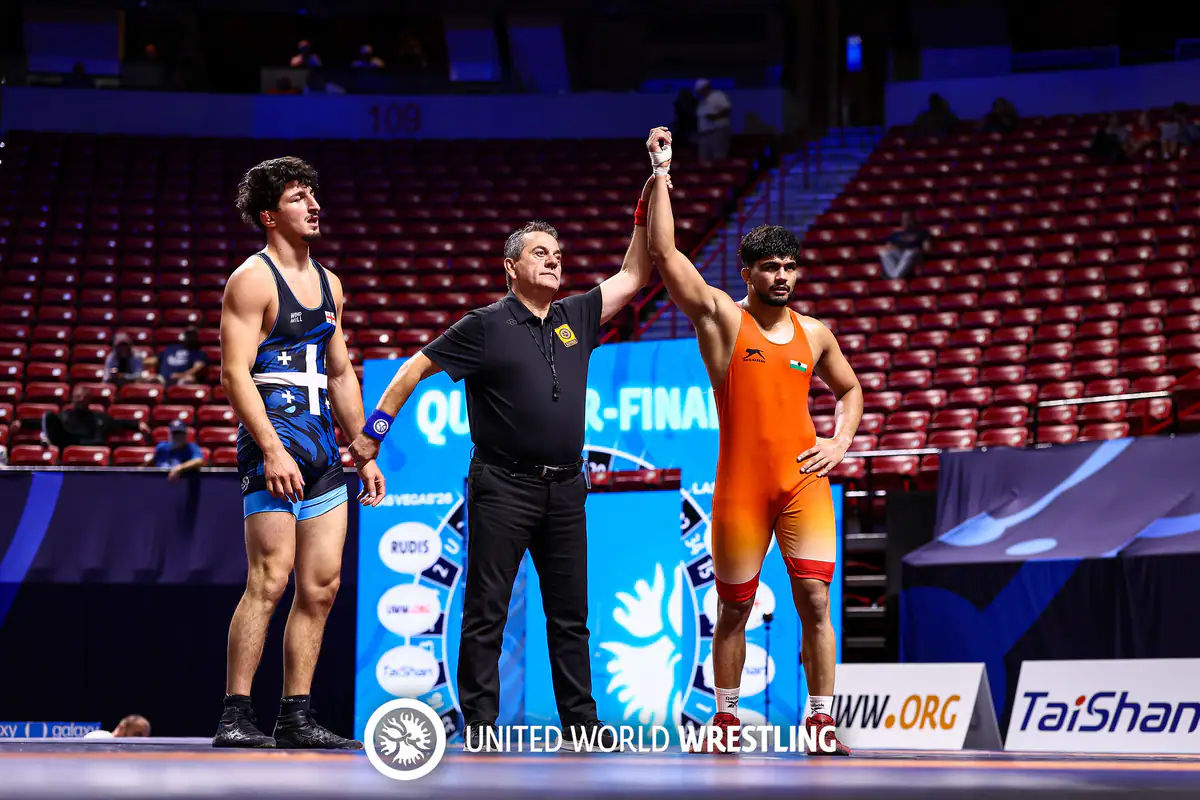
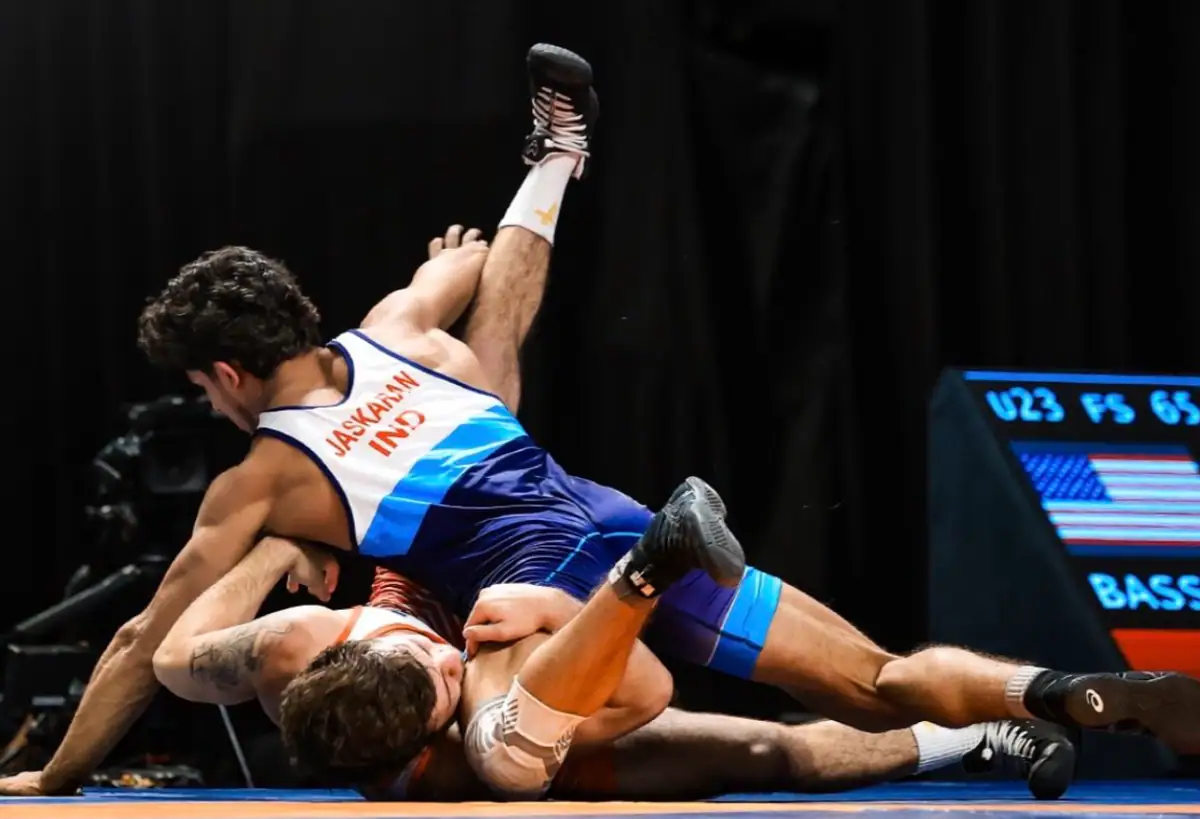
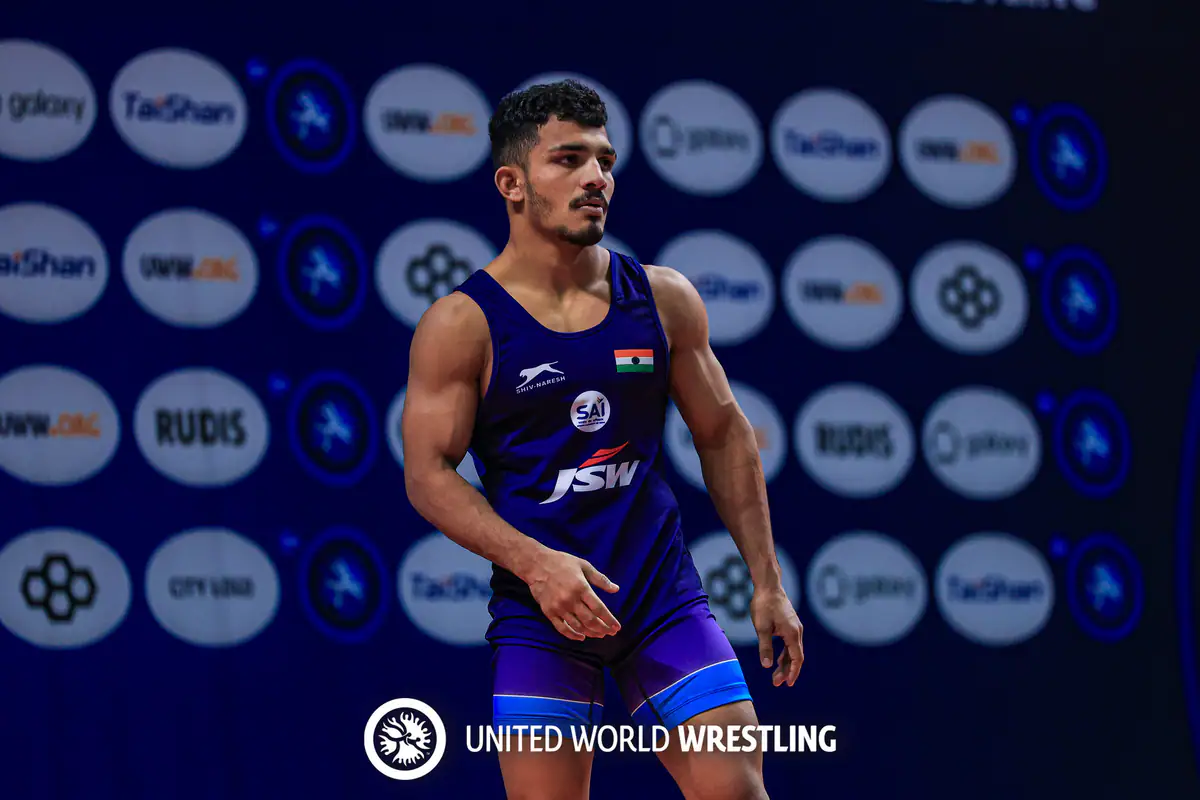
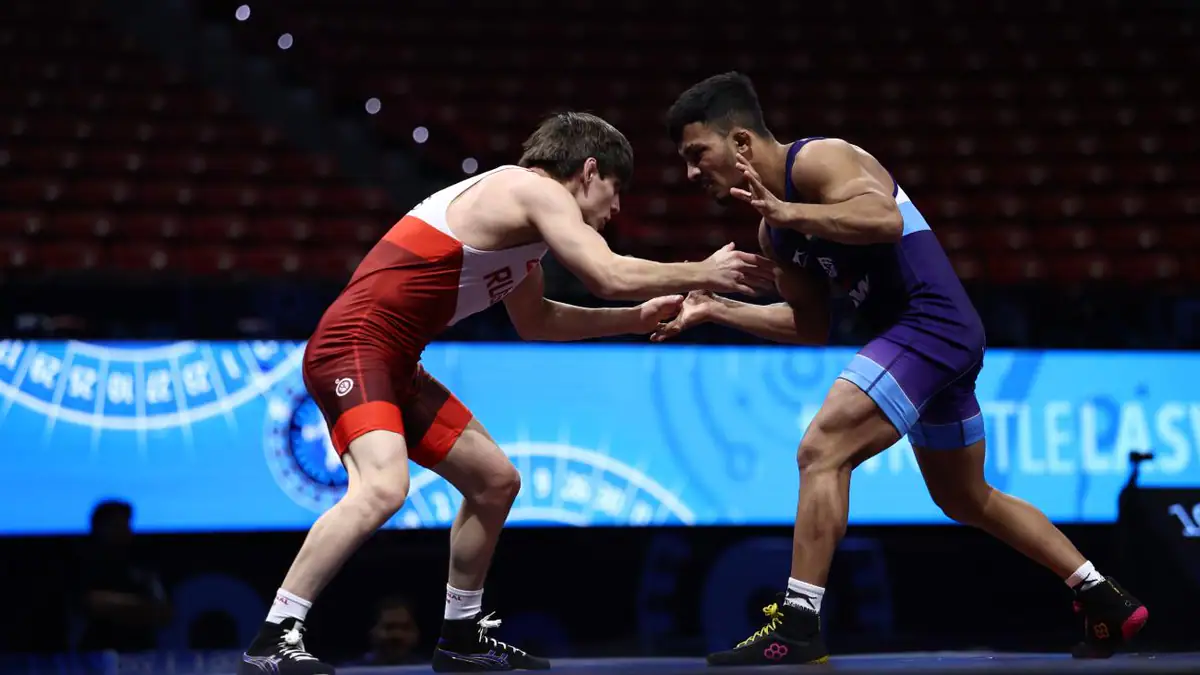
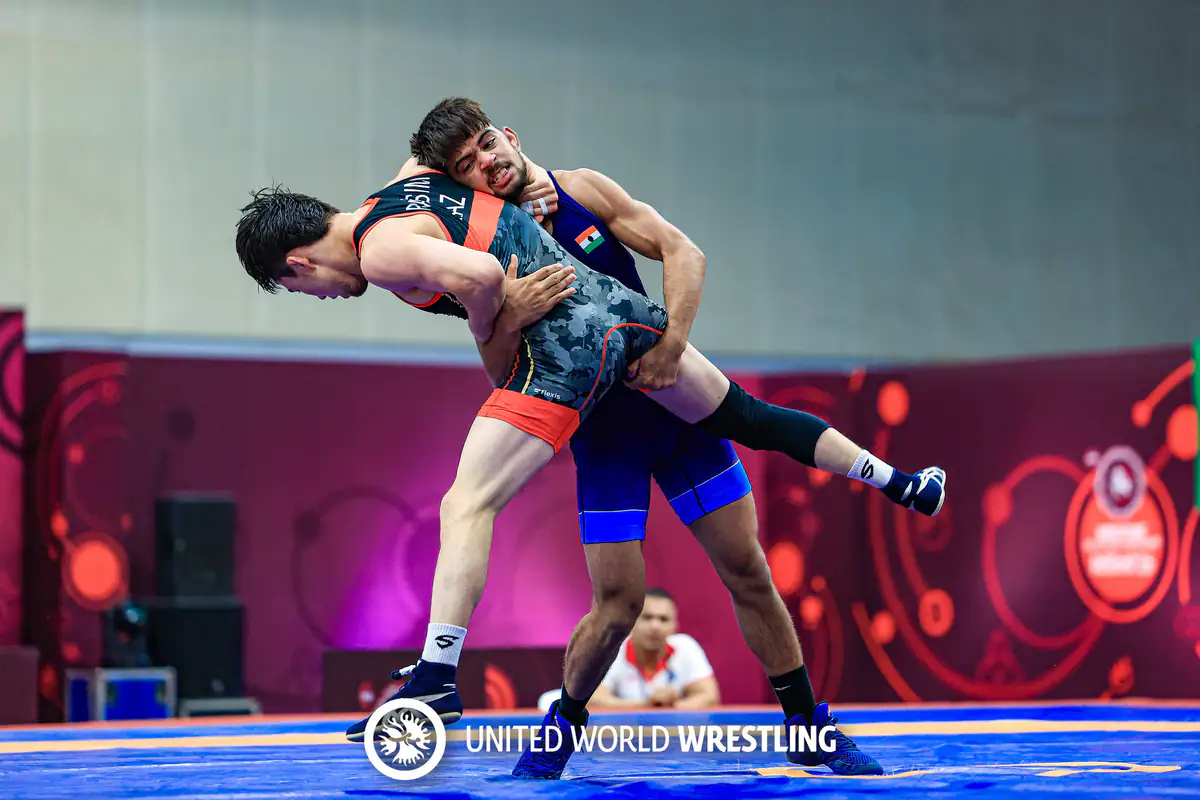
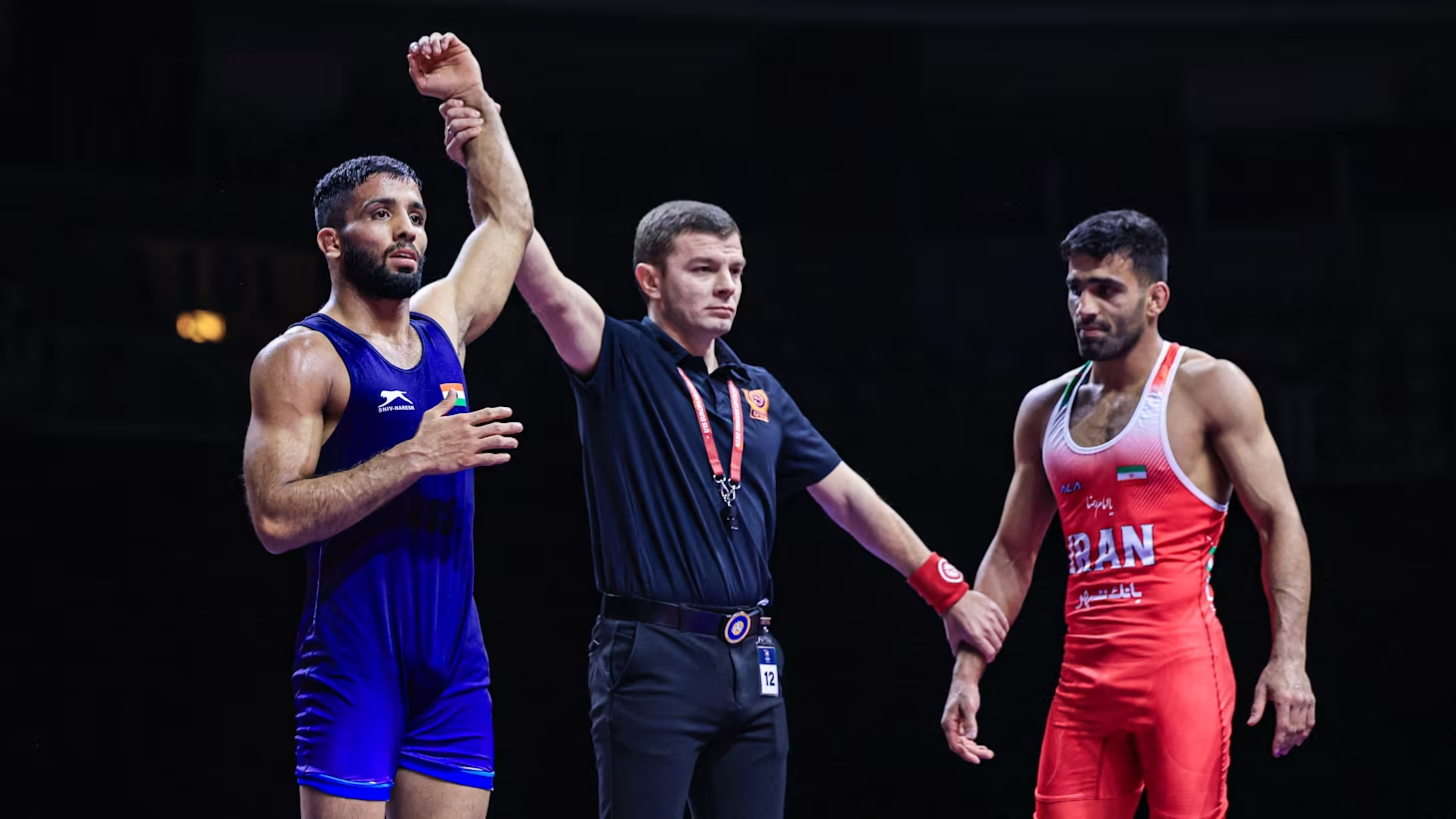
Indian wrestling enjoyed one of its most successful campaigns at the U23 Asian Wrestling Championships 2026 in Da Nang, Vietnam, with the country's wrestlers delivering a historic medal haul and securing team titles in both men's freestyle and women's wrestling.
Across the U23 competition, India won 19 medals in men's freestyle and women's wrestling combined, including an impressive 10 gold medals. The performance marked the country's best-ever showing in these two disciplines at the U23 Asian Championships and underlined the depth of talent emerging through India's wrestling system. The success was highlighted by dominant performances from both teams. The women's contingent delivered six gold medals and ten overall medals, while the men's freestyle team secured four gold medals as part of a historic nine-medal campaign.
However, while the medal tally deserves celebration, the broader context surrounding the championships is equally important when evaluating the performance.
Several traditional Asian wrestling powerhouses, most notably Japan, Iran and China, did not participate in the competition. Their absence significantly altered the competitive landscape and removed many of the continent's strongest wrestling programs from contention. That reality does not diminish India's achievements, but it does provide necessary perspective when assessing where Indian wrestling currently stands internationally.
The men's freestyle team emerged as one of the biggest success stories of the championships. India finished as team champions and collected nine medals overall, the country's highest-ever medal tally in men's freestyle at the U23 Asian Championships. The campaign was built around four gold medal performances, continuing a trend that has seen Indian freestyle wrestling remain among the strongest disciplines in the country.
Over the last decade, India has consistently produced elite freestyle wrestlers capable of succeeding at Asian, World and Olympic levels. The U23 results suggest that the next generation is progressing through the system with similar promise.
Winning the team title was particularly significant because it demonstrated strength across multiple weight categories rather than dependence on one or two standout athletes.
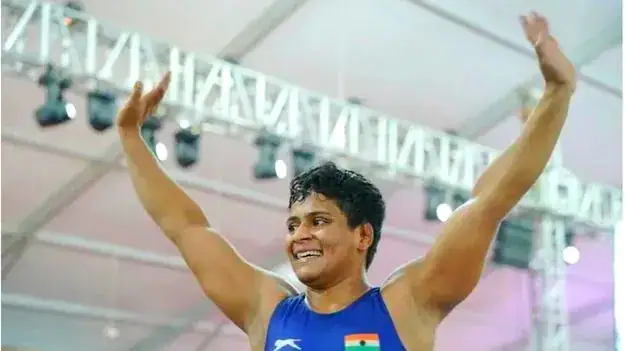
If the men's freestyle team impressed, the women's squad arguably delivered an even more commanding performance. India finished with ten medals, including six gold medals, to comfortably secure the women's team championship. Indian women's wrestling has evolved dramatically over the past decade. Once dependent on a handful of elite athletes, the country now possesses remarkable depth across multiple weight classes.
The latest U23 results reinforce that transformation. The success of the women's program is particularly encouraging because it reflects a sustainable talent pipeline. Several of India's current senior stars emerged through age-group competitions before becoming international medal contenders.
Many of the athletes who succeeded in Da Nang will now be viewed as potential future representatives at senior Asian Championships, World Championships and perhaps even Olympic Games.
India's Greco-Roman wrestlers also enjoyed a productive tournament. The team finished fourth overall and secured eight medals, their highest-ever tally at the U23 Asian Championships. The standout performer was Sumit Dalal, who successfully defended his U23 Asian title in the 63kg category.
The 21-year-old produced another composed campaign and defeated Uzbekistan's Ozodbek Khalimboev in the final to retain his continental crown. With the victory, Sumit became India's only Greco-Roman gold medallist at the championships and further strengthened his reputation as one of the country's most promising Greco-Roman wrestlers.
India's Greco-Roman medal tally included:
Gold: Sumit Dalal (63kg)
Silver: Suraj (60kg)
Silver: Sagar Singh (67kg)
Bronze: Neeraj Patel (55kg)
Bronze: Sachin (77kg)
Bronze: Rohit Bura (87kg)
Bronze: Rohit (97kg)
Bronze: Hardeep (130kg)
While Greco-Roman wrestling remains India's least successful wrestling discipline internationally, performances like these indicate gradual improvement.
Despite the impressive numbers, it would be incomplete to discuss the championships without acknowledging the absence of Japan, Iran and China. All three nations have historically been among Asia's strongest wrestling powers and regularly challenge for medals at World Championships and Olympic Games. Japan, in particular, dominates women's wrestling globally. Iran remains a powerhouse in men's freestyle, while China consistently fields competitive teams across disciplines.
Their absence inevitably reduced the overall competitive depth of the tournament. This does not mean India's wrestlers would not have won medals had those nations participated. Several Indian athletes are genuinely capable of competing against the best in Asia.
However, the absence of three major powers means the results should be viewed as a positive indicator of progress rather than a definitive measure of continental supremacy.
Even with that caveat, India's performance remains highly encouraging. Winning team titles in both men's freestyle and women's wrestling, collecting 19 medals and producing multiple champions reflects the strength of the country's development structure. The U23 level serves as a bridge between junior and senior competition. Success here often provides an indication of future senior-level potential. For India, the championships showcased a generation of wrestlers capable of carrying forward the country's rich wrestling tradition.
The next challenge will be converting age-group success into senior international medals against full-strength fields featuring the likes of Japan, Iran and China.
That is the benchmark that ultimately matters.
But for now, Da Nang represents another significant chapter in Indian wrestling's growth story one marked by historic numbers, emerging stars and a glimpse of what may lie ahead.
Comments (0)
to post comments, replies, and votes.
Loading comments…