India at Hockey World Cup 2026: Two Teams, Two Very Different Tales
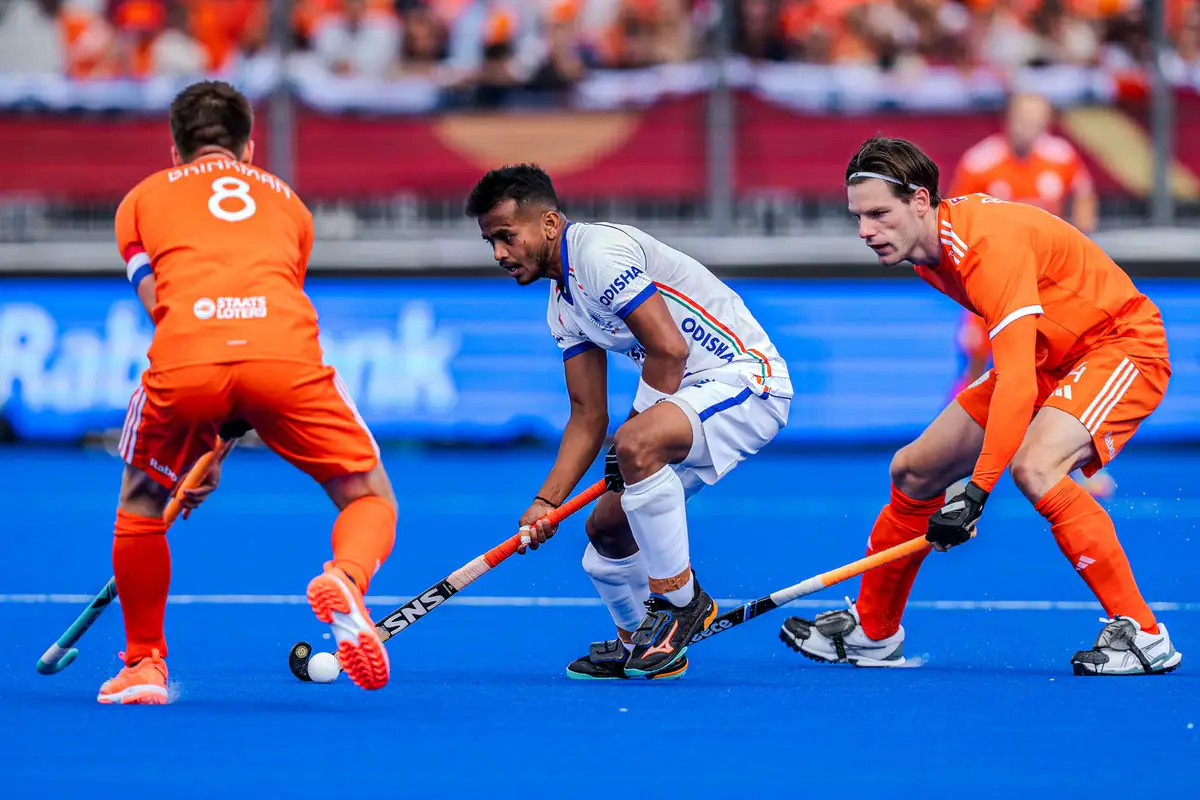
When the Indian men’s and women’s hockey teams arrived at the FIH Hockey World Cup 2026, the expectations surrounding the two sides could hardly have been more different.
The men’s team, despite an eighth-place finish in the FIH Pro League 2025-26, entered the tournament with a degree of optimism. There were reasons to believe their league campaign did not tell the complete story, particularly given India’s record in major tournaments over the past Olympic cycle.
The women, meanwhile, arrived with considerably more questions. Sjoerd Marijne had returned as head coach earlier this year, and there was still plenty to figure out about this team.
Neither side can now play for a World Cup medal, let alone the title.
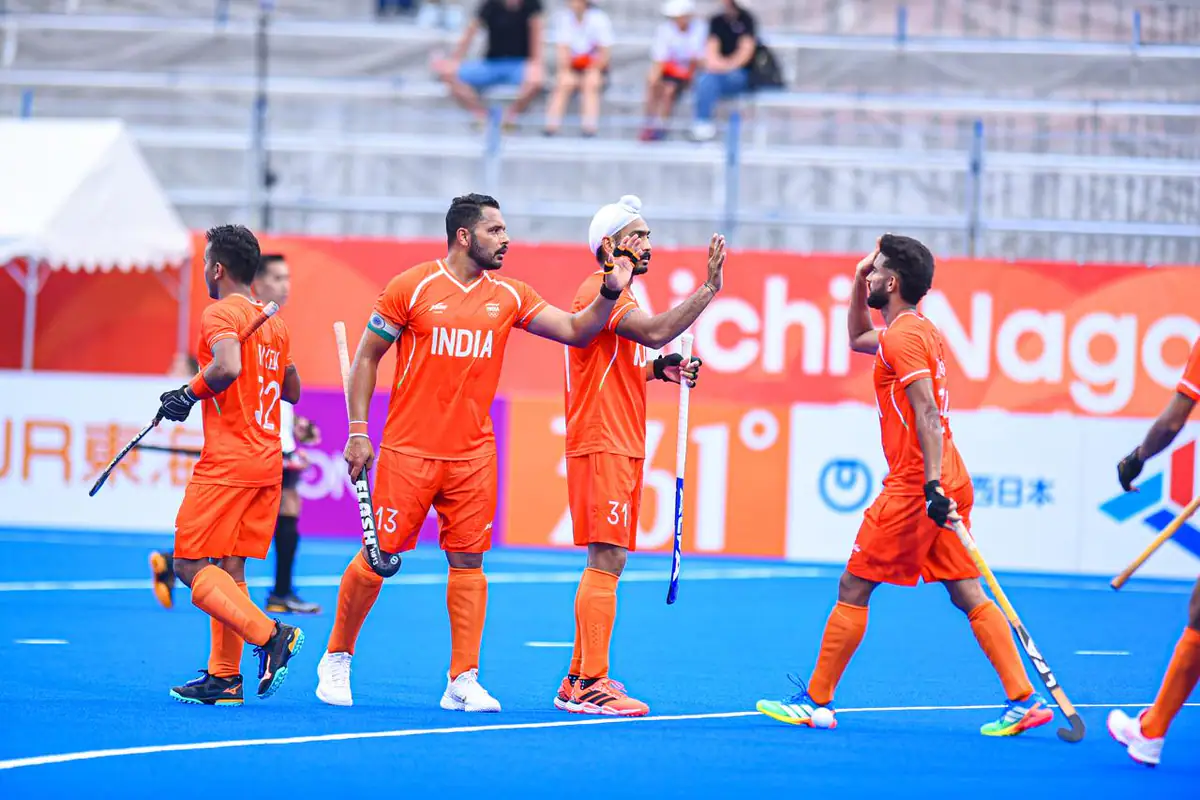
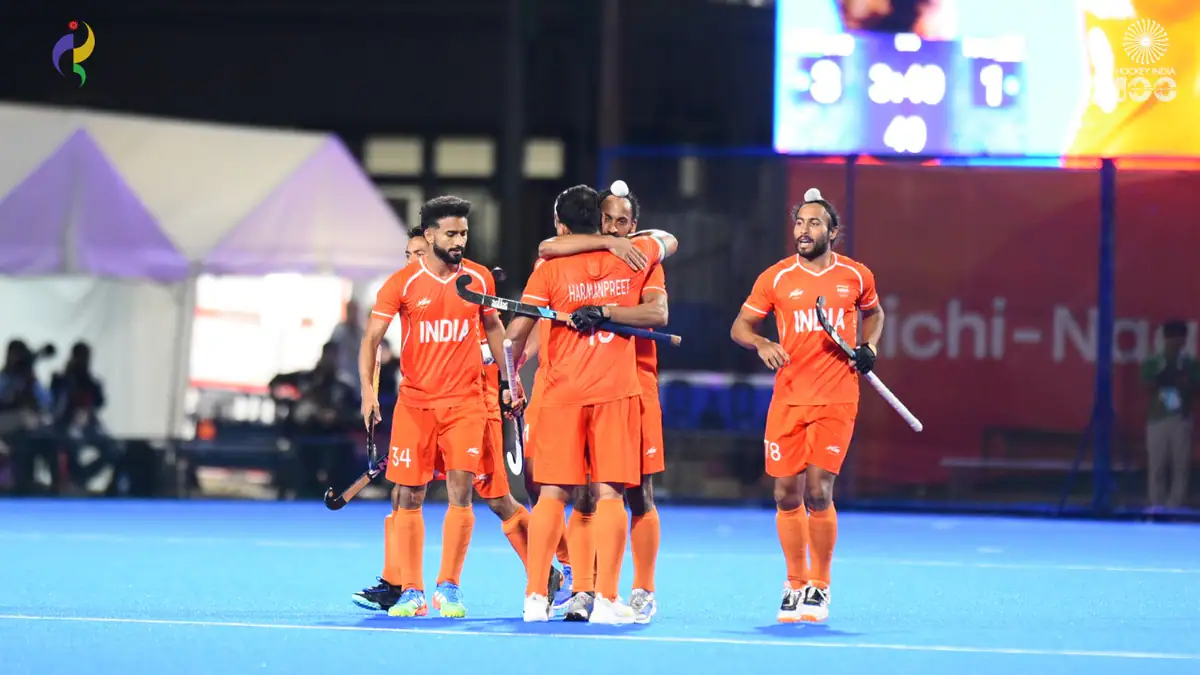
Yet, as India prepares for their respective classification matches, the men against Belgium for seventh place and the women against Germany for fifth, their campaigns have gone in remarkably different directions. The men regressed as the tournament progressed. The women grew into it. This is perhaps the biggest takeaway from India's World Cup so far.
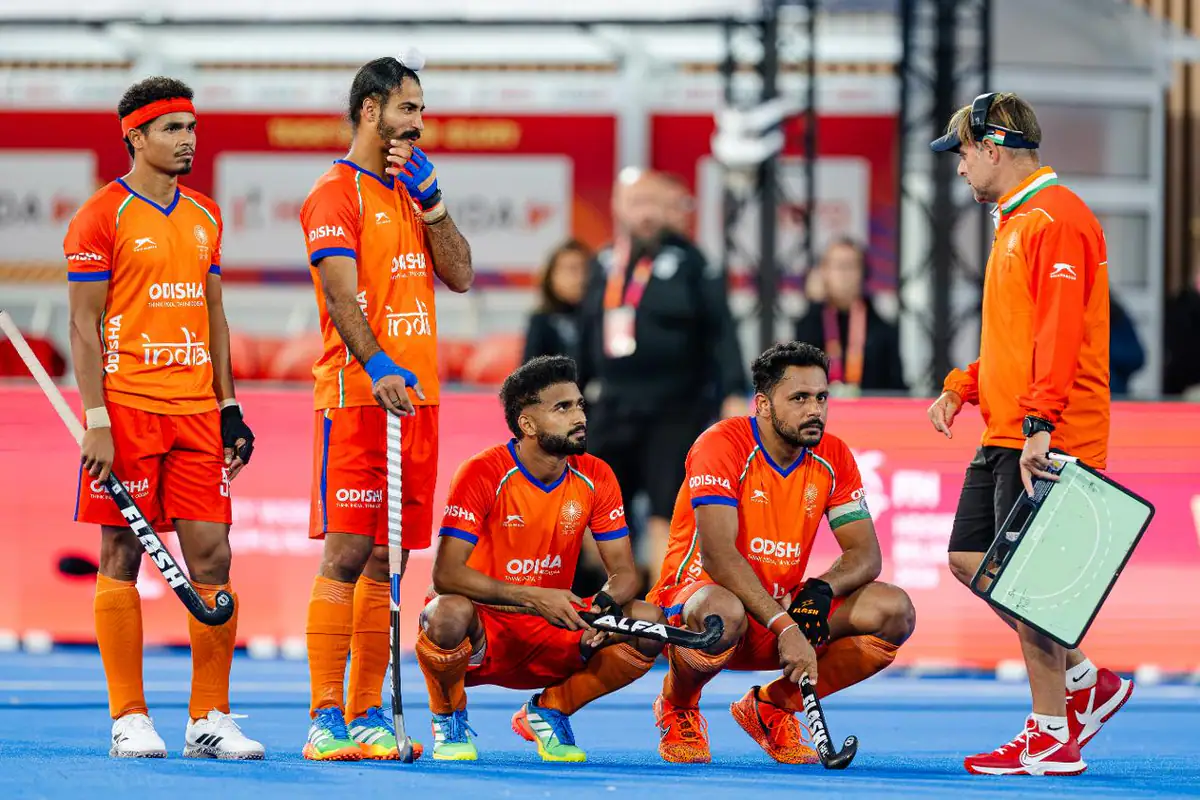
The men's team: from promise to defensive concerns
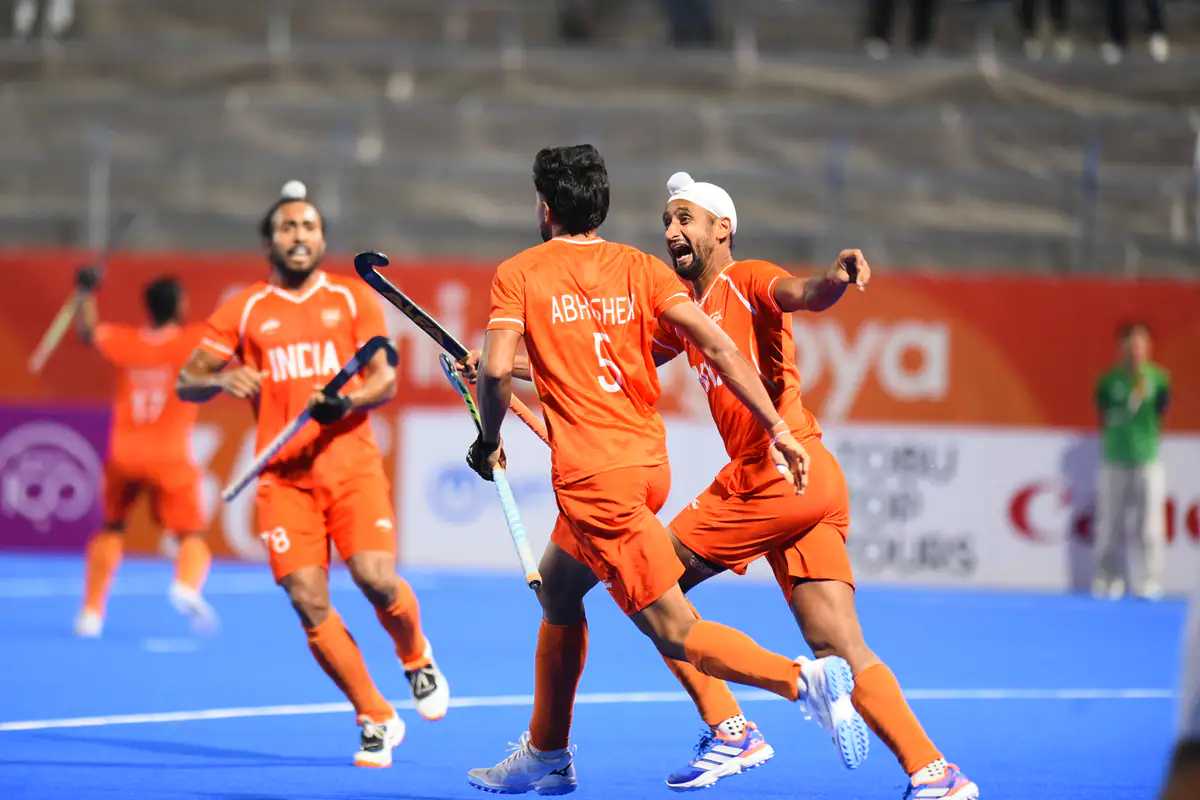
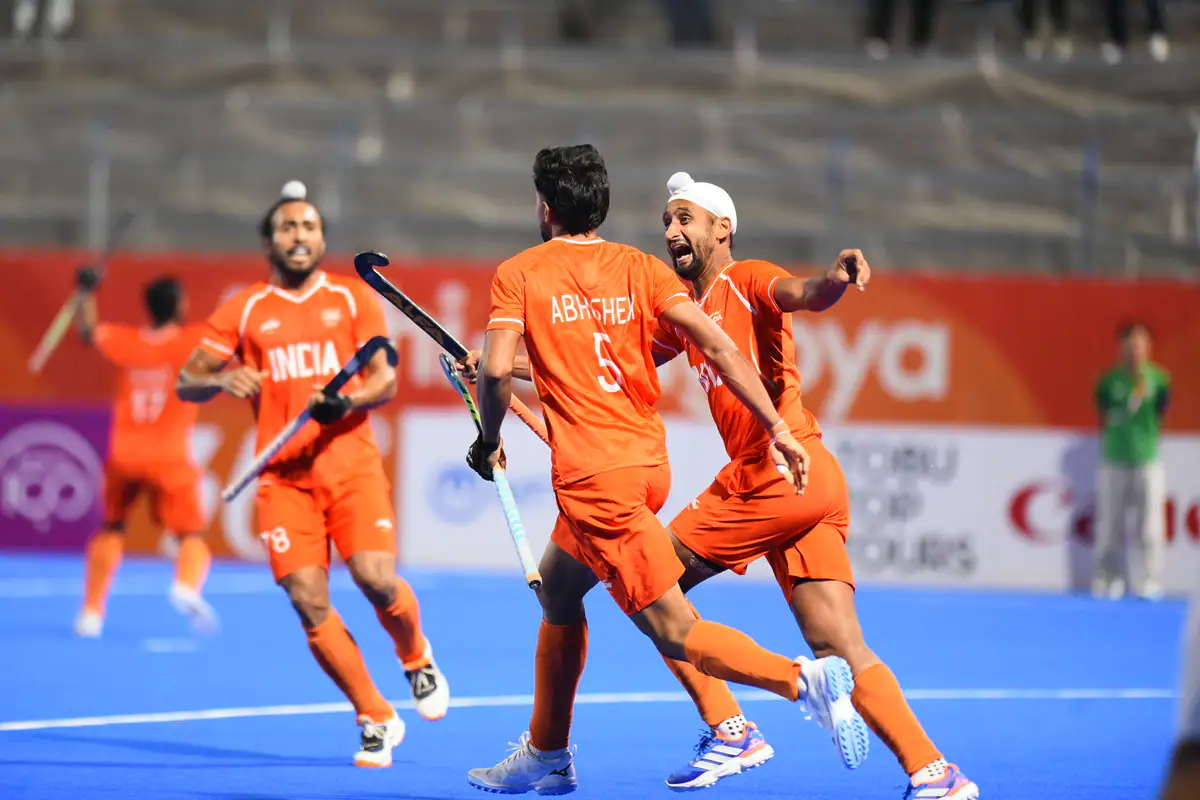
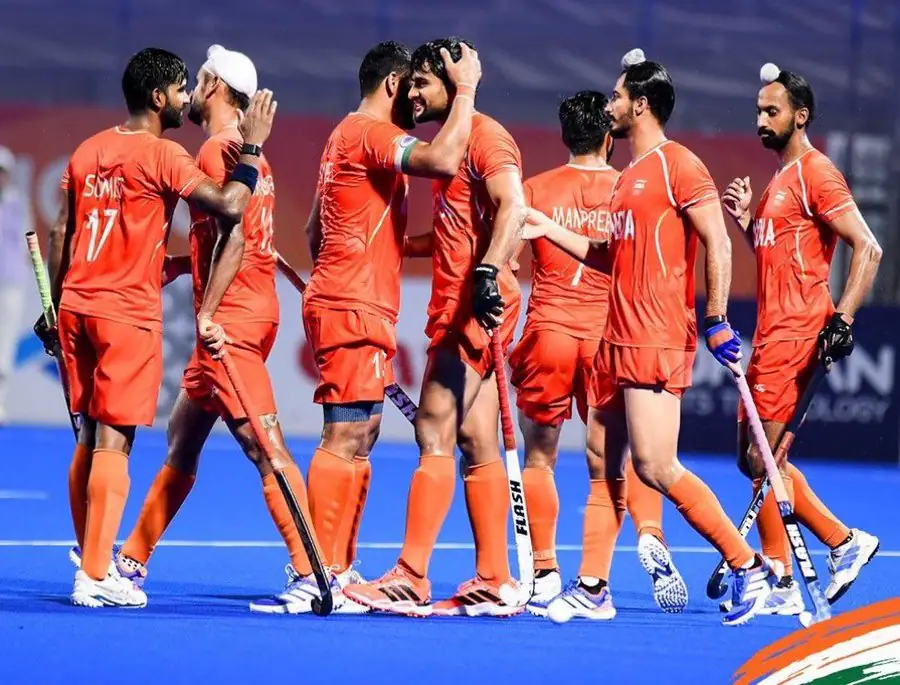
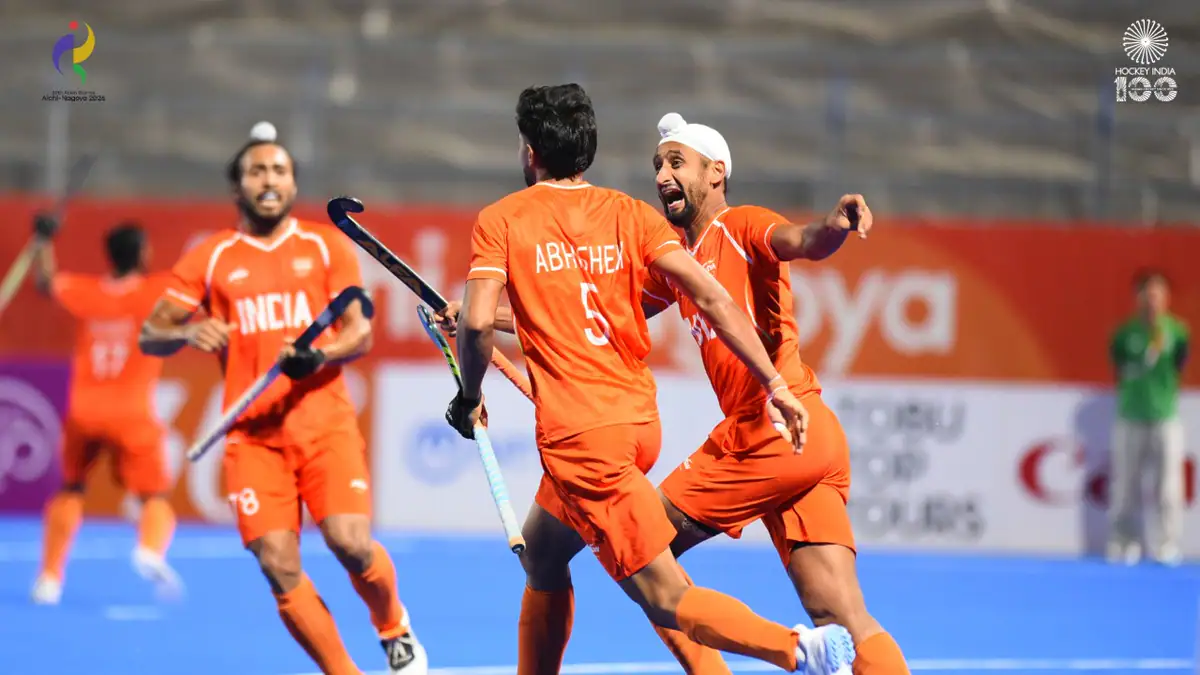
India's campaign did not begin badly. They opened with a 3-1 win over Wales before losing 2-4 to England. They then beat Pakistan 5-3 to secure their place in the second round.
The Pakistan game, however, needs a little more context. India and Pakistan matches have long carried a different intensity, and the recent head-to-head reflects India's dominance. The FIH's records show India with 32 wins to Pakistan's 25 since 2013, with nine draws. More strikingly, India had won the previous six meetings before the World Cup, including 4-3 and 7-1 victories in the two Pro League encounters earlier this year.
India always seems to find another gear against Pakistan. There is urgency, tempo and a refusal to let the contest slip, regardless of the strength of the opposition. That was visible again in the World Cup. India scored five. But they also conceded three. Pakistan had lost all 16 of their Pro League matches before arriving at the World Cup and eventually finished bottom of their Pro League campaign. So while the 5-3 win gave India the points they needed, the three goals conceded offered an early warning of a problem that would become much harder to ignore.
Once India entered Pool E, the margin for error disappeared. A 1-3 defeat to the Netherlands was followed by a 3-5 loss to Argentina, ending India's hopes of reaching the semi-finals.
And the numbers tell the story: six goals scored. Twelve conceded.
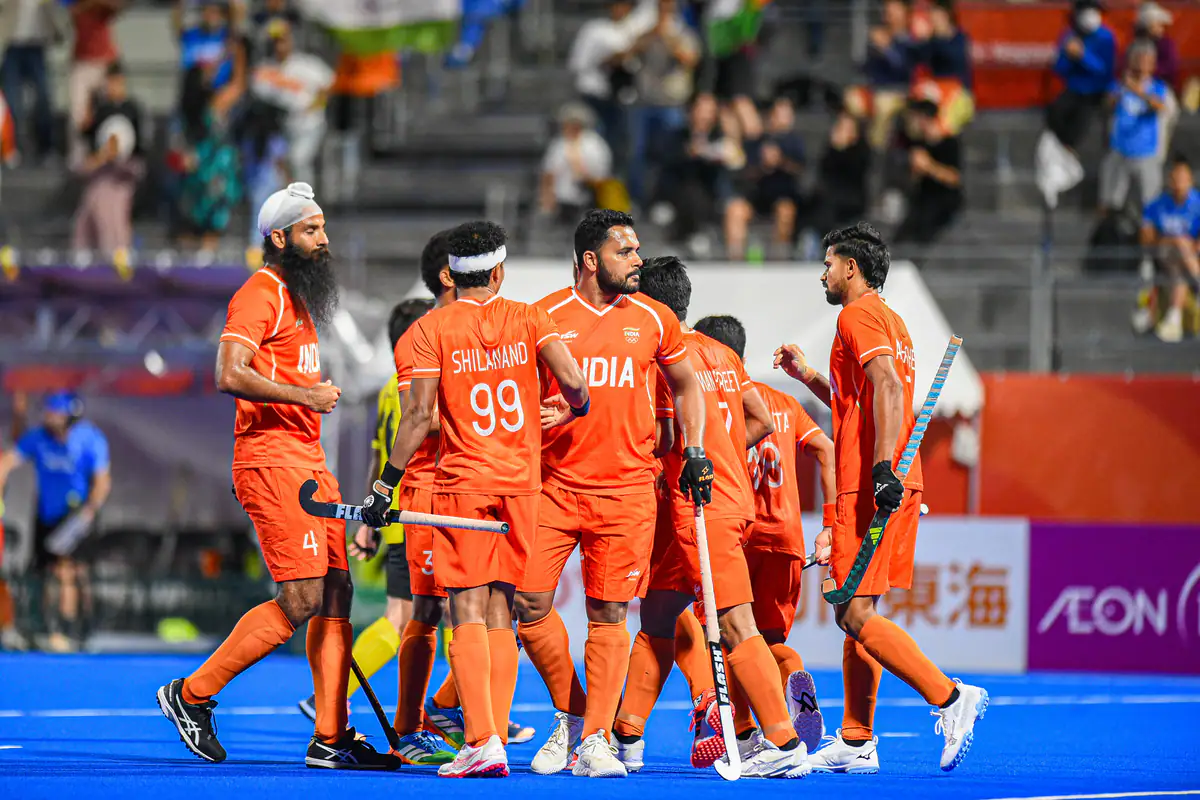
India conceded three to the Netherlands and five to Argentina after already allowing four against England in the opening phase. The issue was not simply that India were conceding goals. It was how quickly games could change once they lost control. Against England, they led 2-1 at half-time before conceding three goals in the second half. Against Pakistan, they built a sizeable lead before allowing their opponents back into the contest. Against the Netherlands and Argentina, those lapses proved much more costly.
That is where the frustration around the men's campaign lies. India showed enough attacking quality to suggest they could compete, but could not consistently protect themselves at the other end.
Former India goalkeeper P. R. Sreejesh's reaction after the Argentina defeat reflected that frustration. The Olympic medallist questioned the team's approach and called for greater accountability within Indian hockey, particularly after another game in which India struggled to contain the opposition once the momentum shifted.
The women's team: questions turned into belief.
The women's campaign tells a very different story.
India scored eight goals and conceded just three in Pool D, including a 6-1 win over South Africa. They drew 2-2 with China and then held England to a goalless draw to progress to the next stage. Then came the real test. India entered Pool E alongside the Netherlands and Australia, two teams that have consistently operated at the top of the women's game.
Against the Netherlands, India lost 0-2. But the scoreline did not quite capture the defensive effort. Yibbi Jansen scored from a penalty corner in the second minute, but India stayed in the contest for long periods before Frederique Matla added a second in the third quarter. Salima Tete herself produced an excellent first-rush block on a Dutch penalty corner. Then came Australia. India needed to win to keep their semi-final hopes alive. They did not. But they also did not concede. The 0-0 draw ended India's semi-final hopes, with Australia progressing on goals scored. India will now play Germany for fifth place. And that leaves the women's team with a curious statistic.
In Pool E, India scored only two goals and conceded four. The attack clearly needs work. India's inability to convert opportunities, particularly penalty corners, ultimately cost them a place in the last four. But defensively, they stood up against the world's best. There is also some perspective to be found in what India has already achieved. Regardless of the result against Germany, India will finish either fifth or sixth - their best World Cup finish since the fourth-place finish in 1974.
Before the tournament, Sjoerd Marijne had spoken about getting India back into the top eight of the FIH World Rankings, a target that will ultimately depend on the results of their final match as well as those involving the teams around them. A win over Germany would add to India’s ranking points, but their eventual position will only become clear once all the relevant matches have been concluded. Either way, this campaign represents a step forward for a side that arrived with plenty of questions.
Salima Tete: A True Blue Leader
There was also something reassuring about the way Salima Tete led this team. The captain was involved in the defensive work as much as the attacking build-up. Her penalty-corner first-rushing was consistently brave, and her midfield work gave India an outlet when they needed to break pressure. The final minutes against Australia summed it up.
With India needing a goal, Marijne removed the goalkeeper and added an outfield player. Australia won a penalty corner in the 59th minute, but Salima's first rush cut out the threat before it could reach the Indian goal.
It was a small moment in a goalless game, but an important one. Salima was not simply wearing the captain's armband. She was taking responsibility for the difficult parts of the game too.
A Tale of Two Teams
India may not have a team in the World Cup semi-finals. But the two campaigns have told two very different stories. One side needs to find a way to stop games slipping away, while the other needs to find a way to win the games it is already capable of staying in.
This contrast makes the two campaigns particularly interesting. The men arrived with fewer questions and left with more. The women arrived with more questions but left having answered some.
And now, there are just two more games left. India's men will face Belgium for seventh place, while the women take on Germany for fifth. Different teams, different journeys, and two more games before this chapter of Indian hockey at the World Cup comes to a close. After everything that has happened, perhaps there is something to be said for simply sitting back and watching the final two matches unfold.
Comments (0)
to post comments, replies, and votes.
Loading comments…