India Complete Commonwealth Kabaddi Double with Commanding Men’s Final Win Over Sri Lanka
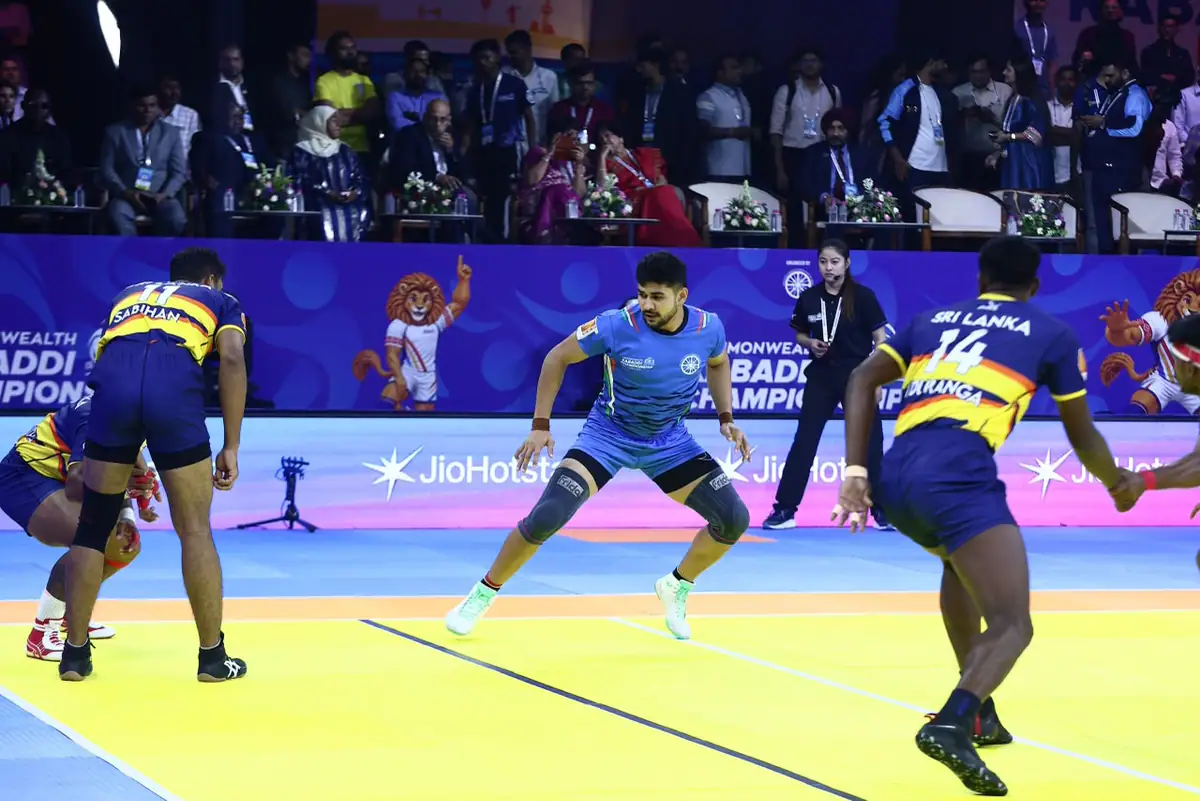
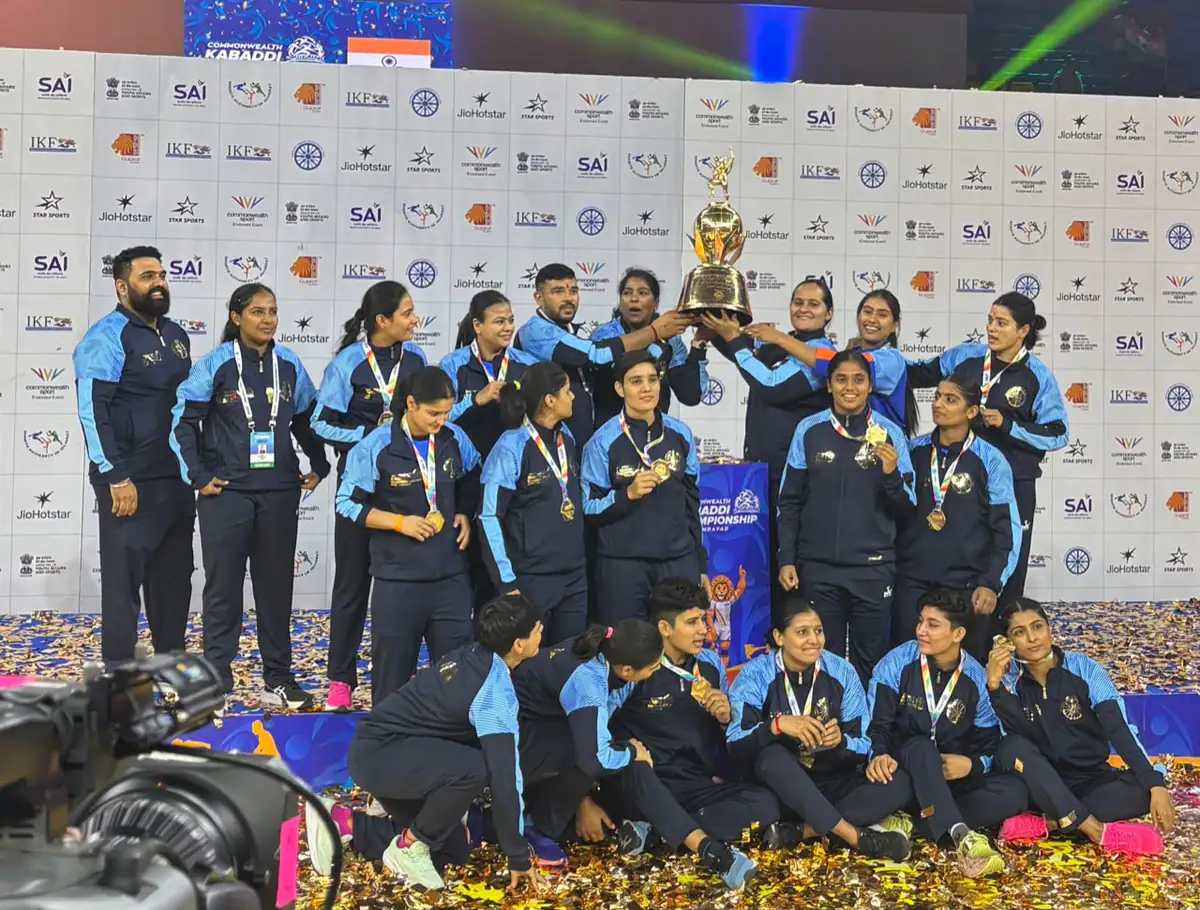
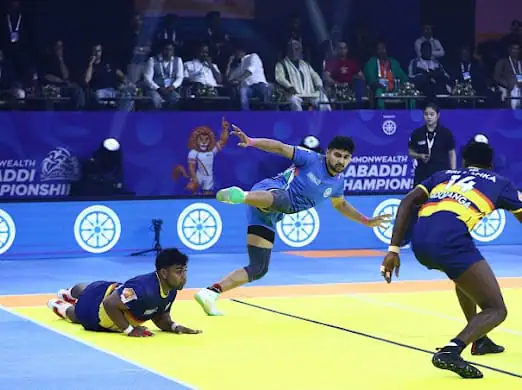
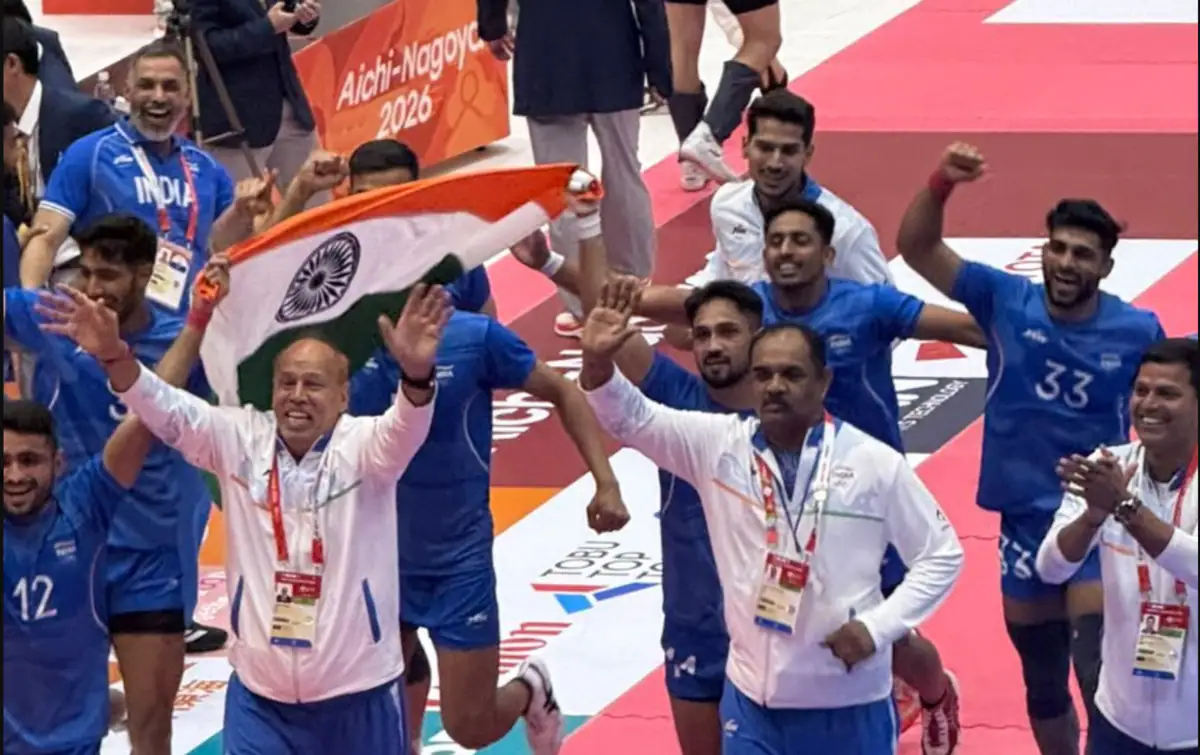
India completed a memorable double at the inaugural Commonwealth Kabaddi Championship 2026, with the men's team producing a commanding 54-20 victory over Sri Lanka in the final in Ahmedabad on October 31.
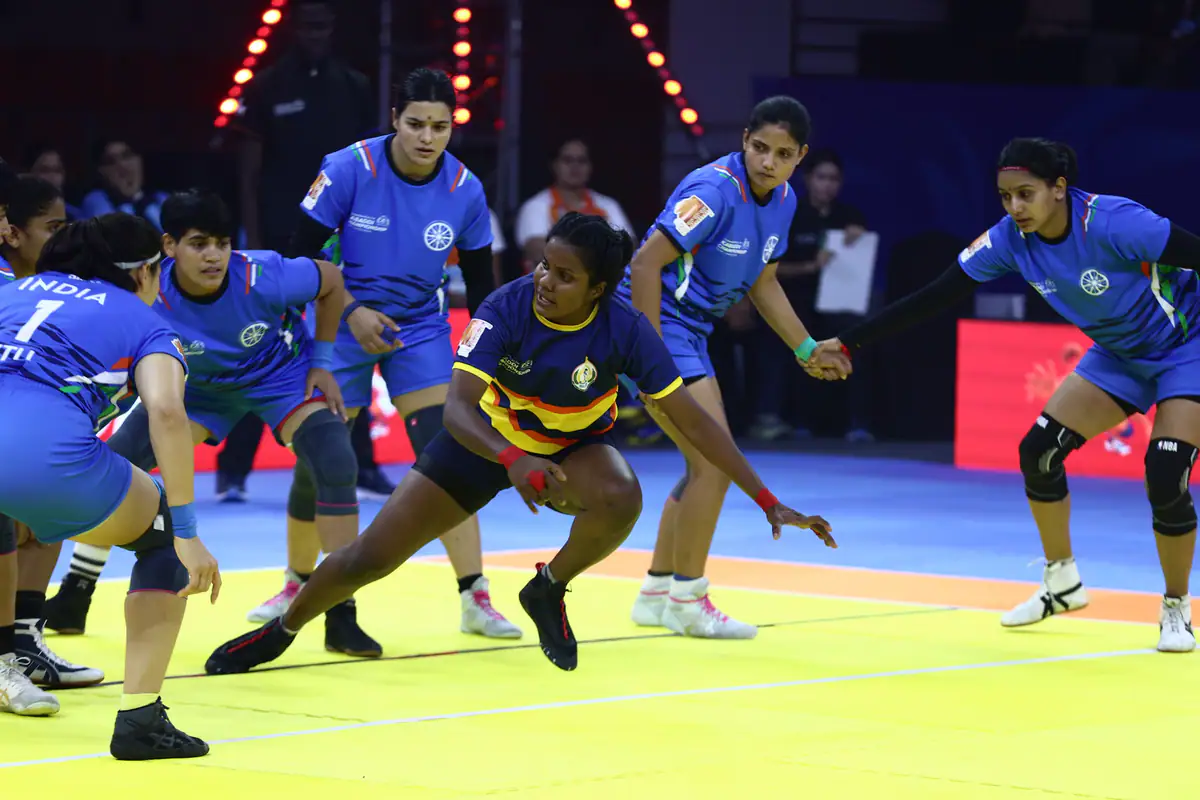
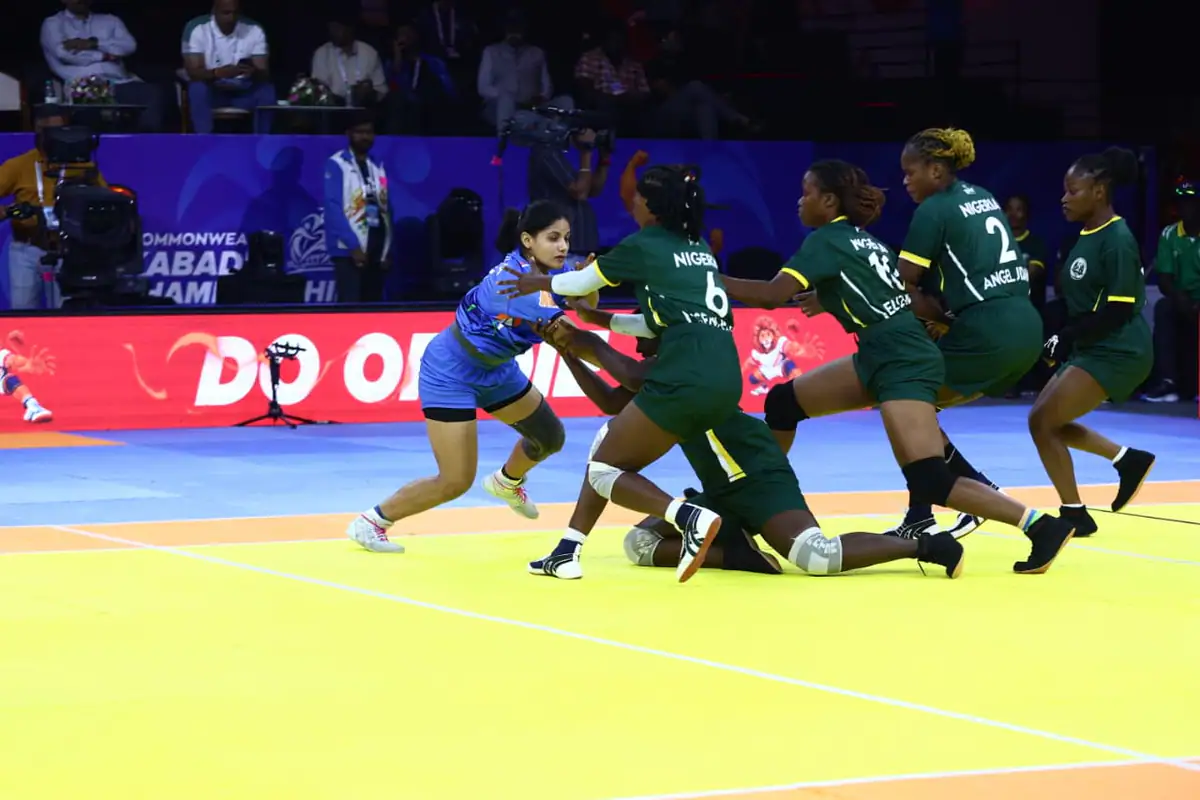
The Asian Champions became the first men's champions of the competition, following the Indian women's team's 35-15 triumph over Uganda earlier in the evening. The victory capped an outstanding campaign for India, who won all eight matches in the tournament. Their performance in the final was another demonstration of the team's attacking depth and defensive strength, as Sri Lanka struggled to find answers to India's relentless pressure.
Aditya Shinde led the scoring with a Super 10, collecting 10 raid points from 14 attempts, including four bonus points. Bharat Hooda added eight points, all in the second half, while Pankaj Mohite contributed six and vice-captain Naveen Kumar finished with five.
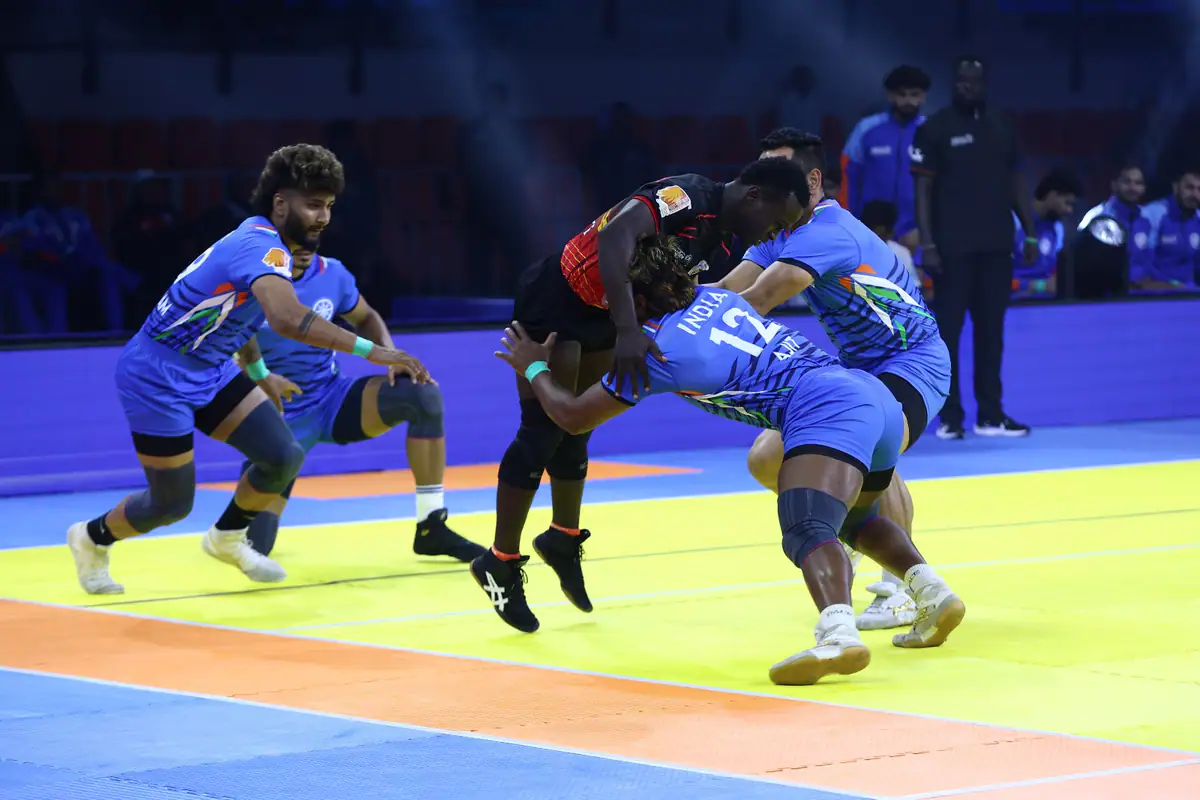
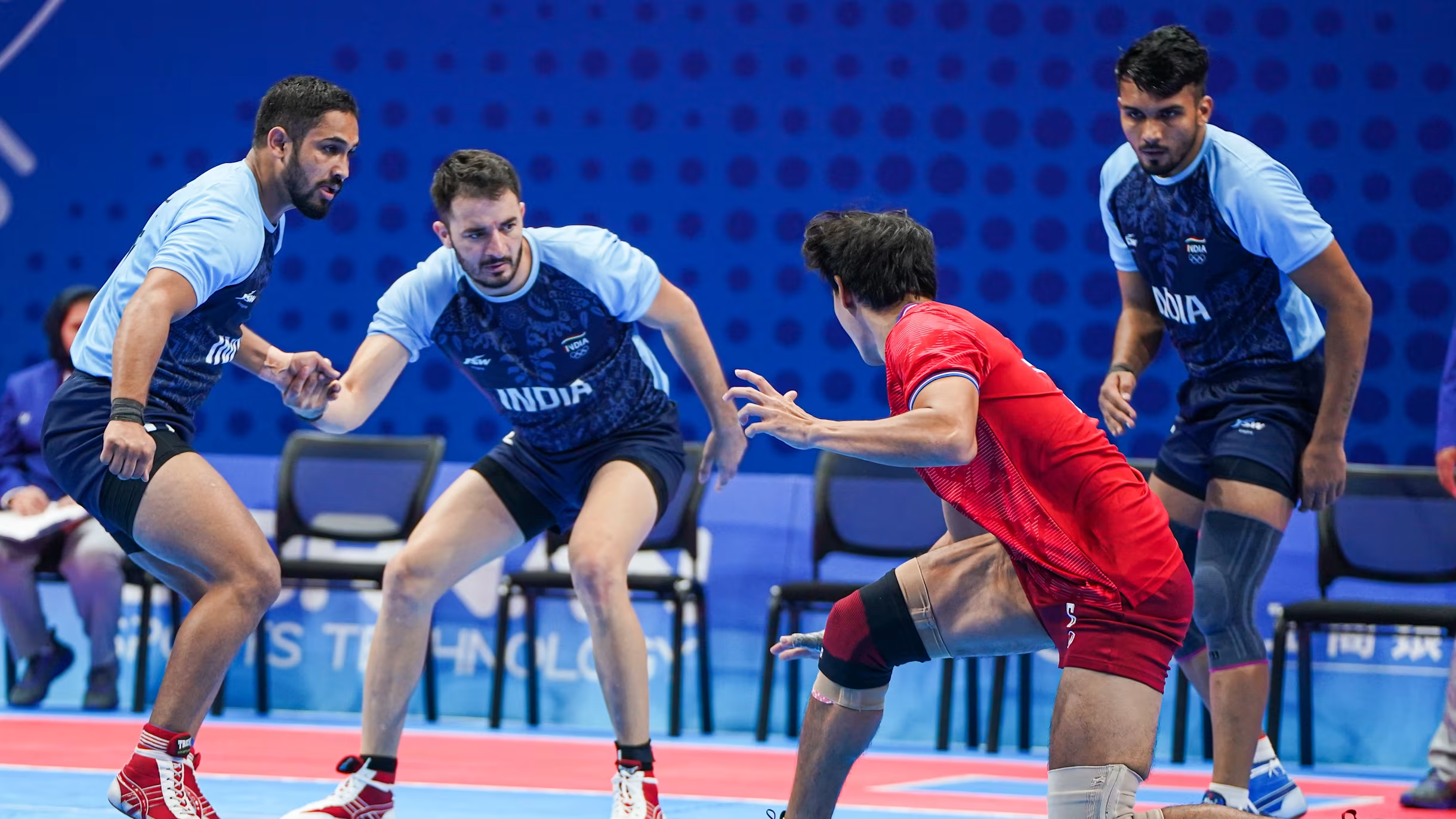
India's defence was equally influential. Yogesh Dahiya produced a High 5, converting all five of his tackle attempts, while Shubham Shinde, captain Surjeet Singh, Pravesh Malik and Deepak Sankar contributed two tackle points each.
India established their authority early, leading 15-8 with 10 minutes remaining in the opening half. They had already inflicted one All-Out on Sri Lanka, but the most decisive passage of the match was still to come.
The Indian side accelerated from that point, outscoring Sri Lanka 15-2 in the remaining period to take a commanding 30-10 lead at half-time. A second All-Out in the closing five minutes of the half further underlined India's dominance.
Sri Lanka's attacking difficulties were evident in the first-half numbers. They managed just two successful raids from 21 attempts, while India's defenders converted nine of their 10 tackle attempts. The contrast in execution allowed India to build a 20-point advantage before the interval.
Yogesh Dahiya was central to that defensive performance. His five successful tackles from five attempts all came in the first half, making him one of the most effective players on the mat during the decisive opening period.
India, meanwhile, maintained a steady flow of points through their raiders. Shinde's Super 10 provided the attacking foundation, while the contribution from multiple players ensured Sri Lanka could not concentrate their defensive efforts on one individual.
Sri Lanka unable to contain India's attack
Sri Lanka showed some improvement after the break, but the gap between the teams remained substantial. India won the second half 24-10, adding two more All-Outs to their tally, with the final one arriving in the last five minutes.
Bharat Hooda made a significant contribution after the interval. He scored all eight of his raid points in the second half and was not tackled in any of his seven raids. His ability to consistently return with points helped India maintain their momentum even after establishing a substantial lead.
Sri Lanka's Maduwantha was their standout performer, recording six tackle points, including two Super Tackles. Ansaf and Viduranga added three points each, but the visitors could not generate enough attacking returns to challenge India's advantage.
The contrast between Sri Lanka's semifinal and final performances was particularly striking. Sabihan, Milinda Chathuranga and Viduranga had been among the leading scorers in the victory over Kenya, but managed only five raid points from 31 raids combined against India.
Sri Lanka finished with 11 raid points and nine tackle points. They also failed in seven of their nine do-or-die raids, losing valuable opportunities to stay competitive.
India's overall numbers reflected their superiority. They scored 30 raid points and 14 tackle points, inflicted four All-Outs and did not concede a single All-Out. They converted 24 of their 40 raids into successful raids, compared with Sri Lanka's seven successful raids from 41 attempts.
After the final, Aditya Shinde spoke about the importance of hosting the championship in Ahmedabad and the support the team received from the local audience. "With more and more tournaments being held, it's great for the people of Ahmedabad too, and we received so much support from them. We hope everyone comes out to support us the same way in the competitions ahead. There will be a celebration, a really big one, and it's already going on here!" he said.
The support from the crowd added to the occasion as India secured the inaugural men's title and completed a memorable day for Indian kabaddi.
Eight wins from eight for the champions
India's championship victory was built on an unbeaten run of eight matches. They topped Group A after defeating England 46-26, Uganda 44-30, Malaysia 37-23, Nigeria 50-23, Tanzania 48-20 and Sri Lanka 45-24.
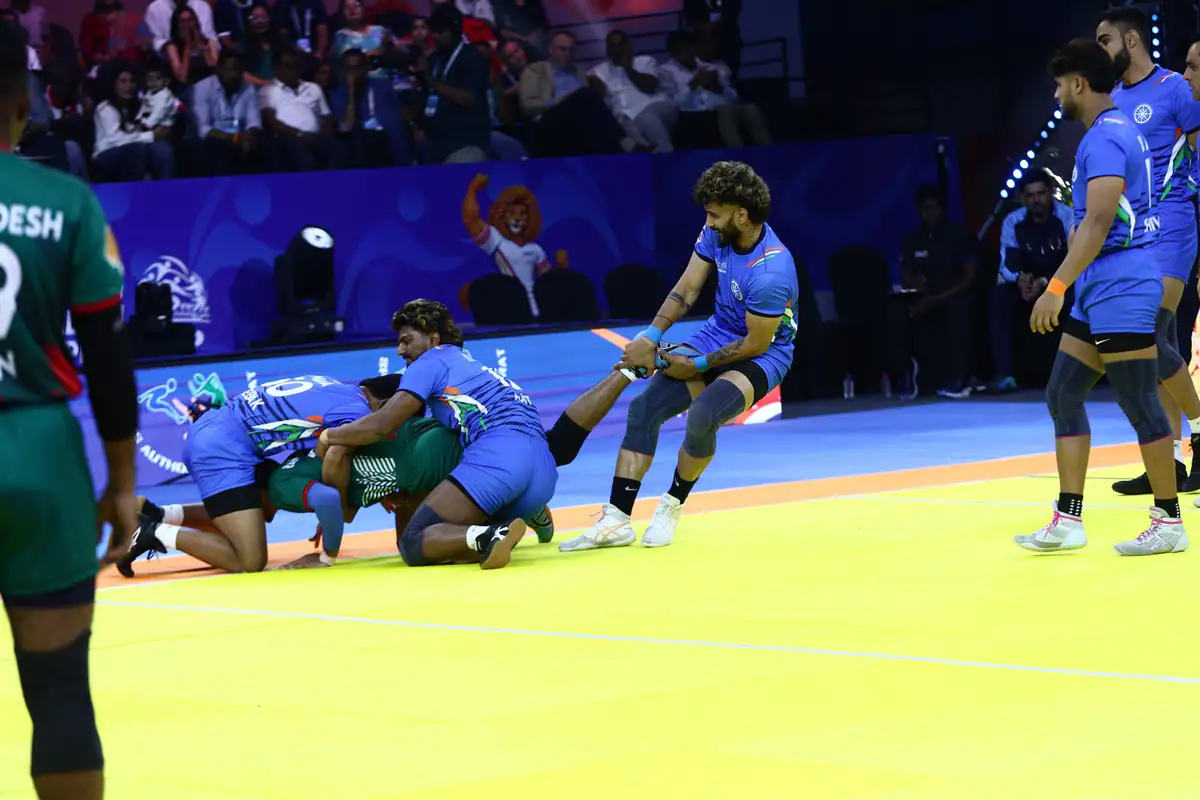
They then delivered a commanding 56-27 semifinal victory over Bangladesh before completing the campaign with the 54-20 win against Sri Lanka.
Across the tournament, India scored 380 points and conceded 193. No opponent managed to score more than 30 points against them, highlighting the consistency of their performances across the competition.
The men's triumph, combined with the women's victory over Uganda, ensured India finished the inaugural Commonwealth Kabaddi Championship with both titles.
For Indian kabaddi, the double in Ahmedabad was a significant statement. The men's team reinforced its standing as Asian Champions, while both squads demonstrated the value of sustained international competition. Eight victories, an unbeaten campaign and a dominant final performance gave India a fitting finish to a historic championship.
Comments (0)
to post comments, replies, and votes.
Loading comments…