India Finish with 10 Medals at Asian Weightlifting Championships 2026 as Gandhinagar Hosts Record-Breaking Edition
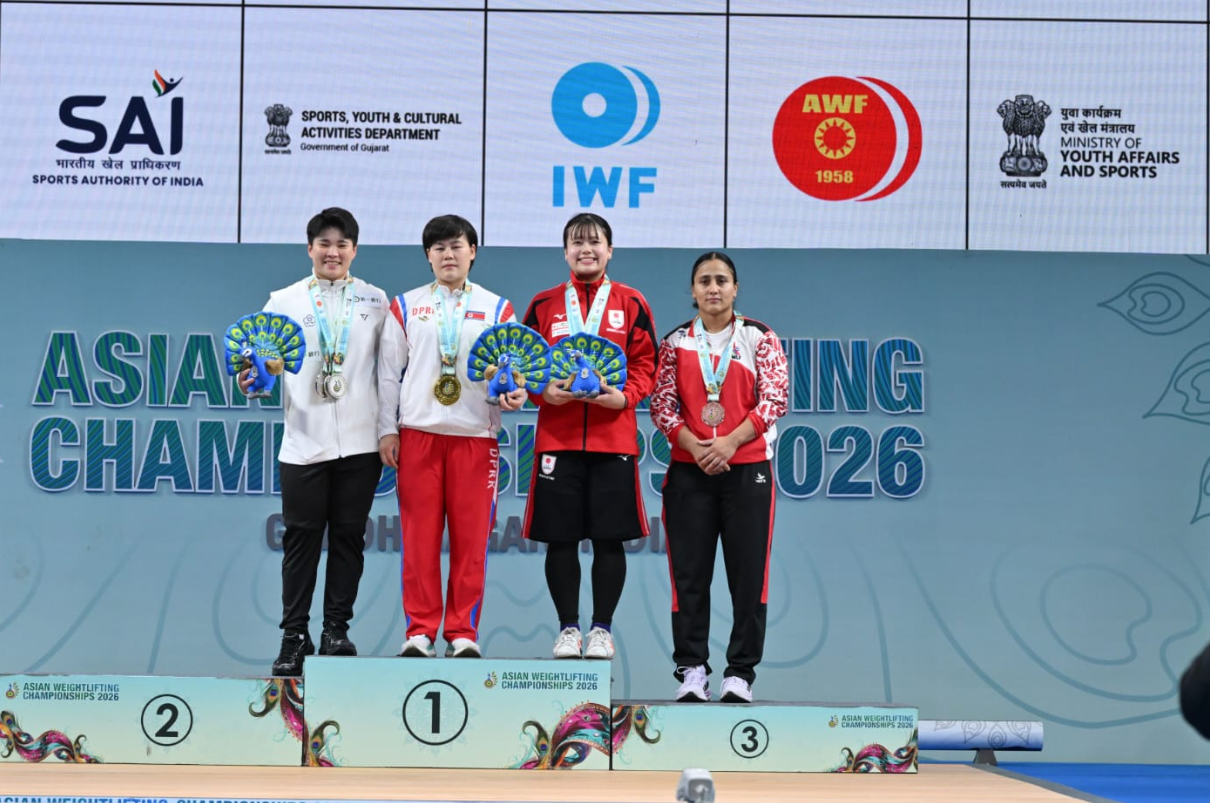
India concluded its campaign at the Asian Weightlifting Championships 2026 with an encouraging medal haul of 10 medals one silver and nine bronze in what turned out to be one of the highest-quality editions of the continental event in recent memory.
Hosted at the Mahatma Mandir in Gandhinagar from May 11 to 17, the championship featured 172 athletes from 30 nations and witnessed an extraordinary standard of lifting, with 27 Asian records and 25 world records broken across six days of competition. Against this elite field, India finished third in the women’s team standings with 487 points and fifth in the men’s standings with 379 points, underlining steady progress despite the absence of a gold medal.
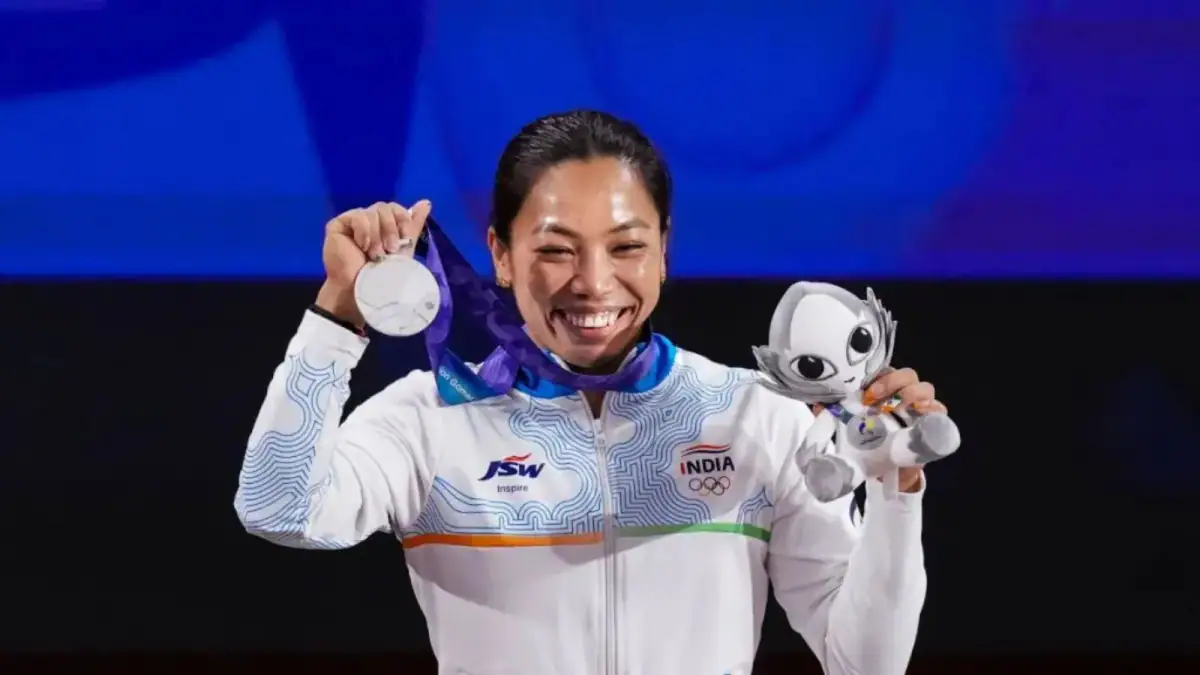
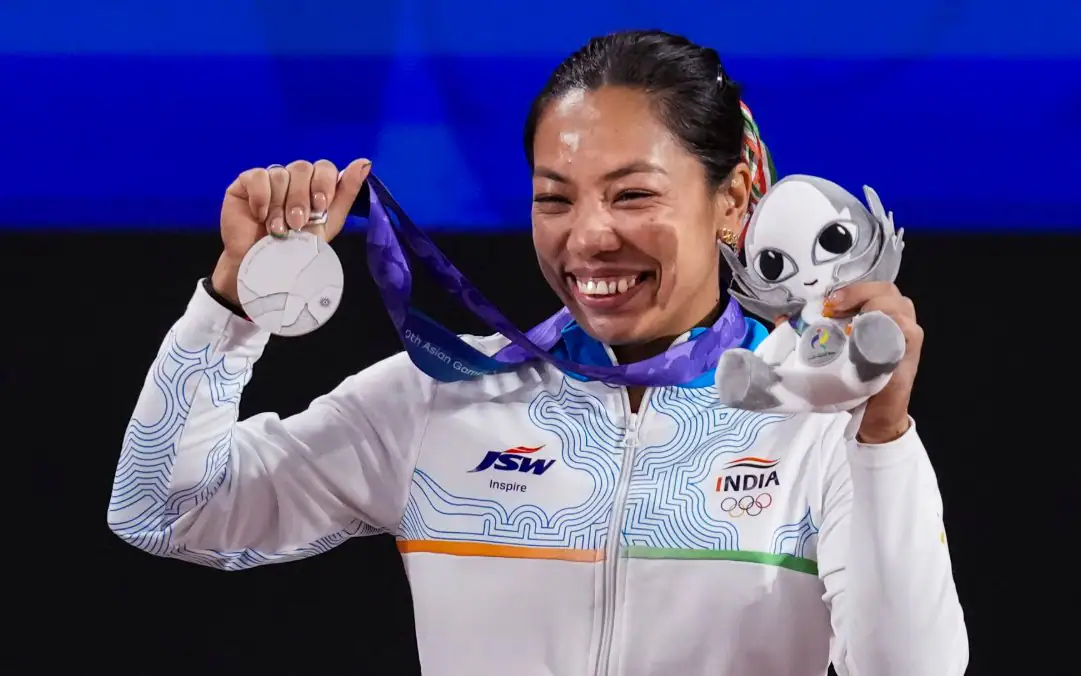
India’s standout performer was Gyaneshwari Yadav in the women’s 53kg category. She secured India’s only silver medal of the competition in snatch while also adding an overall bronze medal to her tally. Her performance provided one of the biggest highlights for the home team and reinforced her growing stature within Indian weightlifting.
In a championship dominated by powerhouse nations like China and DPR Korea, Gyaneshwari’s ability to remain competitive at the continental level stood out as a major positive.
Nineteen-year-old Sanjana delivered one of the most promising performances of the competition for India, clinching three bronze medals in the women’s 77kg category. She lifted 96kg in snatch and 124kg in clean and jerk for a combined total of 220kg, earning bronze medals in all three segments snatch, clean and jerk, and total. Her composure on a major stage and ability to deliver consistent lifts under pressure highlighted her potential as one of India’s rising stars heading into the next international cycle.
Harjinder Kaur added another bronze medal in the women’s 69kg snatch event with a 96kg effort. She also lifted 121kg in clean and jerk to finish fourth overall with a total of 217kg. Komal Kohar secured bronze medals in the women’s 48kg and clean and jerk categories, continuing her steady rise in the domestic and continental circuit.
In the men’s competition, Ajith Narayana contributed with bronze medals in the men’s 71kg and clean and jerk events, ensuring India remained competitive across both divisions.
Meanwhile, Lovepreet Singh’s fifth-place finish in the men’s +110kg category also attracted attention. The Indian lifter improved significantly from his previous national totals, lifting 174kg in snatch and 212kg in clean and jerk for a combined 386kg total.
While India’s performances offered positives, the championships once again highlighted the gap separating Asian heavyweights from the chasing pack. China dominated the competition with 21 gold, 12 silver, and eight bronze medals, topping both the medal tally and team standings. DPR Korea followed closely with 18 gold medals and continued to showcase extraordinary efficiency despite a smaller overall medal count. China’s Li Yan produced one of the defining performances of the tournament, setting a new world record of 145kg in snatch in the women’s 86kg category while sweeping all three gold medals.
Iran’s Alireza Yousefi also made headlines after lifting a world-record 261kg in clean and jerk, confirming his status as one of the sport’s biggest emerging names. The women’s best lifter award went to DPR Korea’s Ri Suk in the 63kg division, while China’s HE Yueji claimed the men’s best lifter honour in the 65kg category.
India’s third-place finish in the women’s team standings represents genuine progress, particularly considering the overall level of competition in Gandhinagar. At the same time, the championship exposed areas requiring improvement. Only a small number of Indian lifters managed to improve their personal best totals, with many performing below peak levels.
There is also a growing sense that several athletes may have approached the event conservatively with the Commonwealth Games cycle in mind, prioritising fitness and long-term preparation over aggressive risk-taking.
The coming months will therefore become critical for the Indian setup as it balances medal ambitions with athlete management.
Beyond medals, the Asian Championships marked a landmark moment for Indian weightlifting infrastructure and event hosting. Never before had India staged a continental championship featuring such extraordinary lifting standards. The combination of world-class organisation, record-breaking performances, and strong crowd support created a significant milestone for the sport domestically. For Indian weightlifting, the challenge now is translating hosting success into sustained international competitiveness.
The performances of athletes like Gyaneshwari Yadav and Sanjana suggest the foundation exists. The next step will be converting continental podium finishes into genuine gold-medal contention on the world stage.
Comments (0)
to post comments, replies, and votes.
Loading comments…