India Record Best-Ever Finish at Senior Wrestling World Championships; Women Finish Fifth in Medal Table
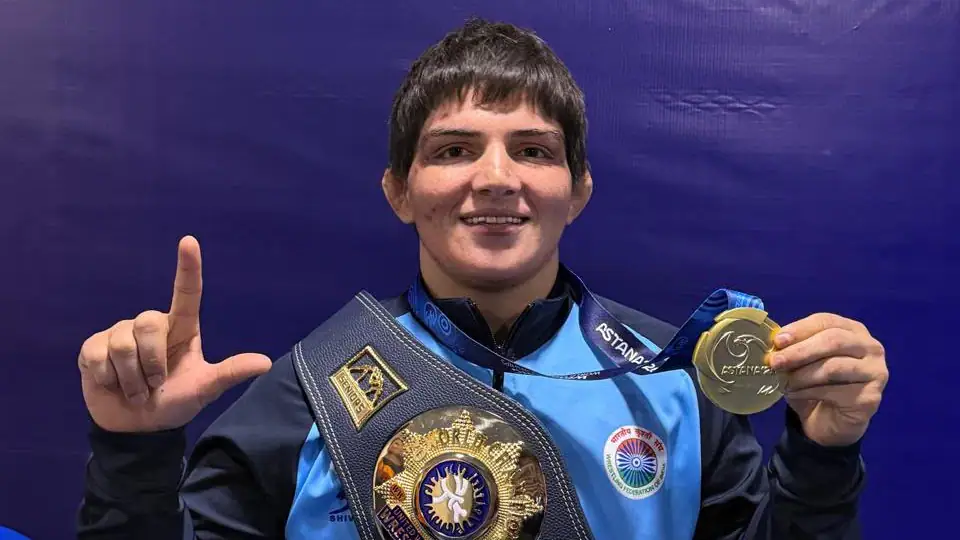
India recorded its best-ever combined finish at the Senior Wrestling World Championships in Astana, Kazakhstan, securing seventh place in the overall medal standings across men's freestyle, Greco-Roman and women's freestyle.
The achievement marks a significant milestone for Indian wrestling, surpassing the country's previous best of a tied 10th-place finish at the 2010 edition in Moscow.
India concluded the 2026 championships with four medals: one gold, two silver and one bronze. The women's freestyle contingent accounted for the entire haul, delivering a historic performance that also placed India fourth in the women's medal table and fifth in the official team rankings with 94 points.
The results represent India's strongest performance at a standard, non-Olympic-year Senior World Championships, with the women's team establishing new benchmarks across multiple weight categories.
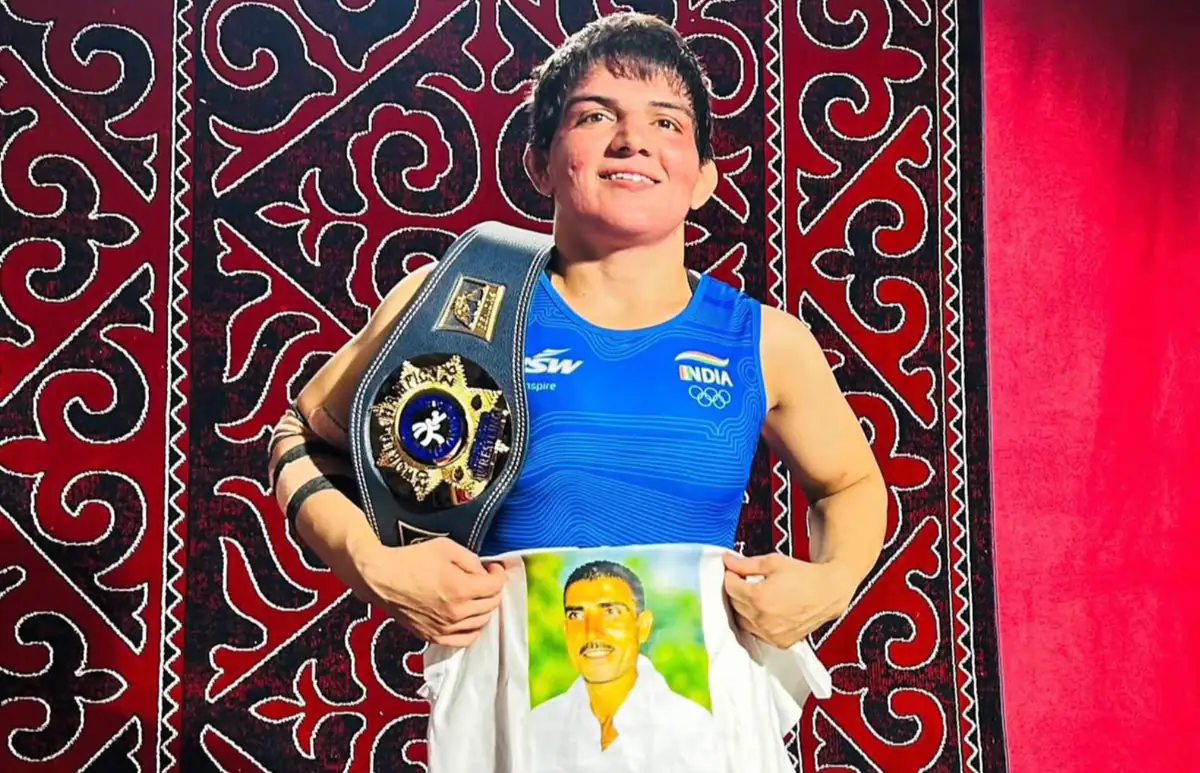
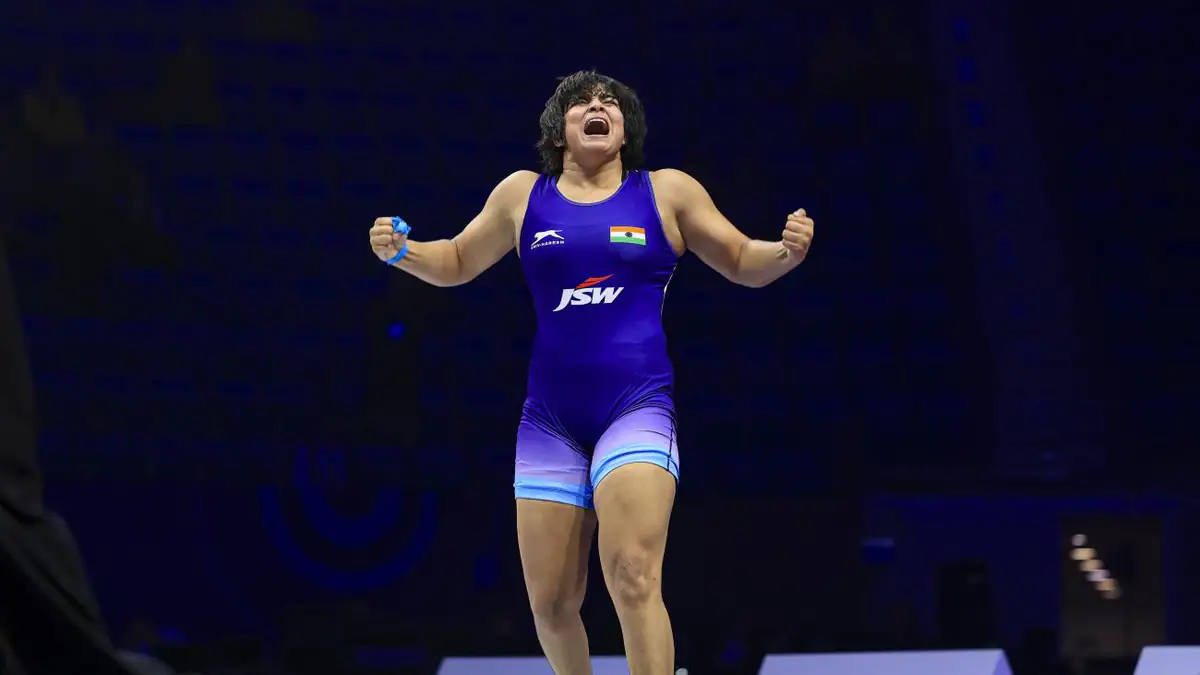
Manisha Bhanwala emerged as the standout performer, winning gold in the women's 59kg category to become India's first female Senior World Champion. Her triumph also made her only the second Indian wrestler to win a senior world title, following Sushil Kumar's victory in 2010.
Bhanwala's gold medal came through a remarkable comeback in the final against American wrestler Abigail Nette. Trailing 0-6, the Indian maintained her composure and gradually turned the contest around through effective leg attacks and control in the par terre position. She levelled the score at 6-6 before completing a decisive ankle pick to secure an 8-6 victory.
Her performance demonstrated the importance of conditioning and tactical patience at the highest level. Rather than rushing to recover the deficit, Bhanwala managed the pace of the bout and capitalised as her opponent's energy levels declined.
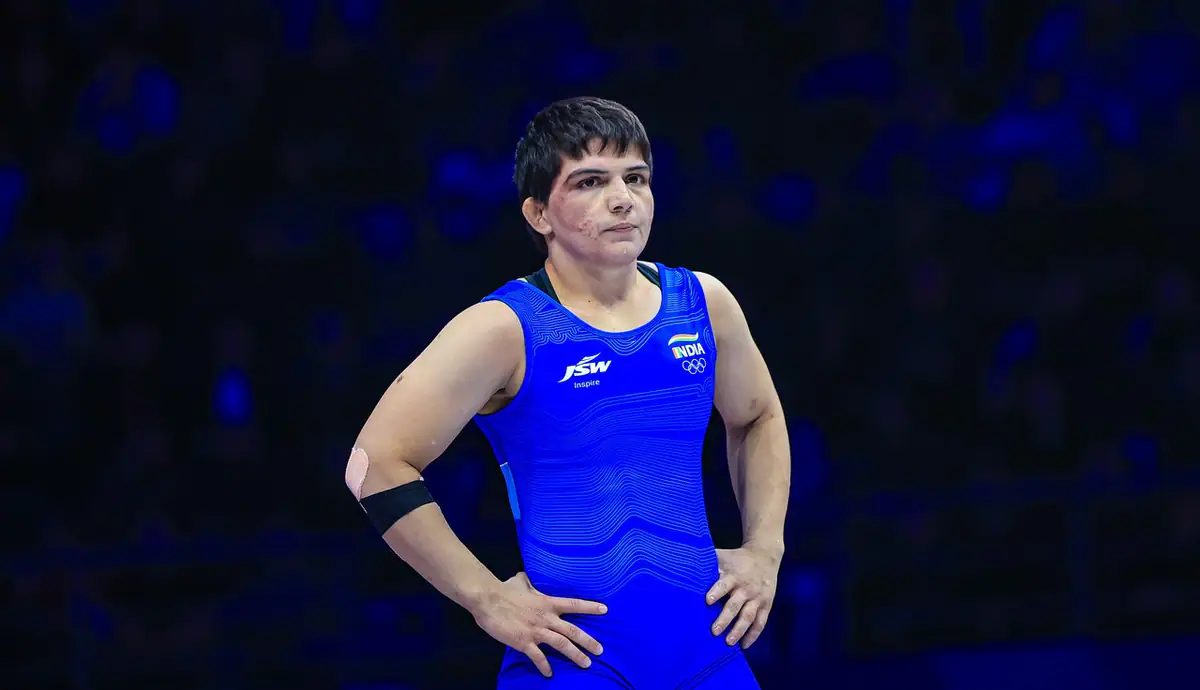
India added two silver medals through Neelam Sirohi in the 50kg category and Kajal Dhochak in the 76kg division.
Sirohi reached the final with a strong defensive display and effective counter-attacks. She defeated Belarus's Natallia Varakina 6-0 before overcoming Kazakhstan's Zeinep Bayanova 7-3 in the semi-final. Her campaign ended against Japan's multiple-time world and Olympic champion Yui Susaki, who secured a fall in the final. Despite the defeat, Sirohi's silver was an important achievement in an Olympic weight category.
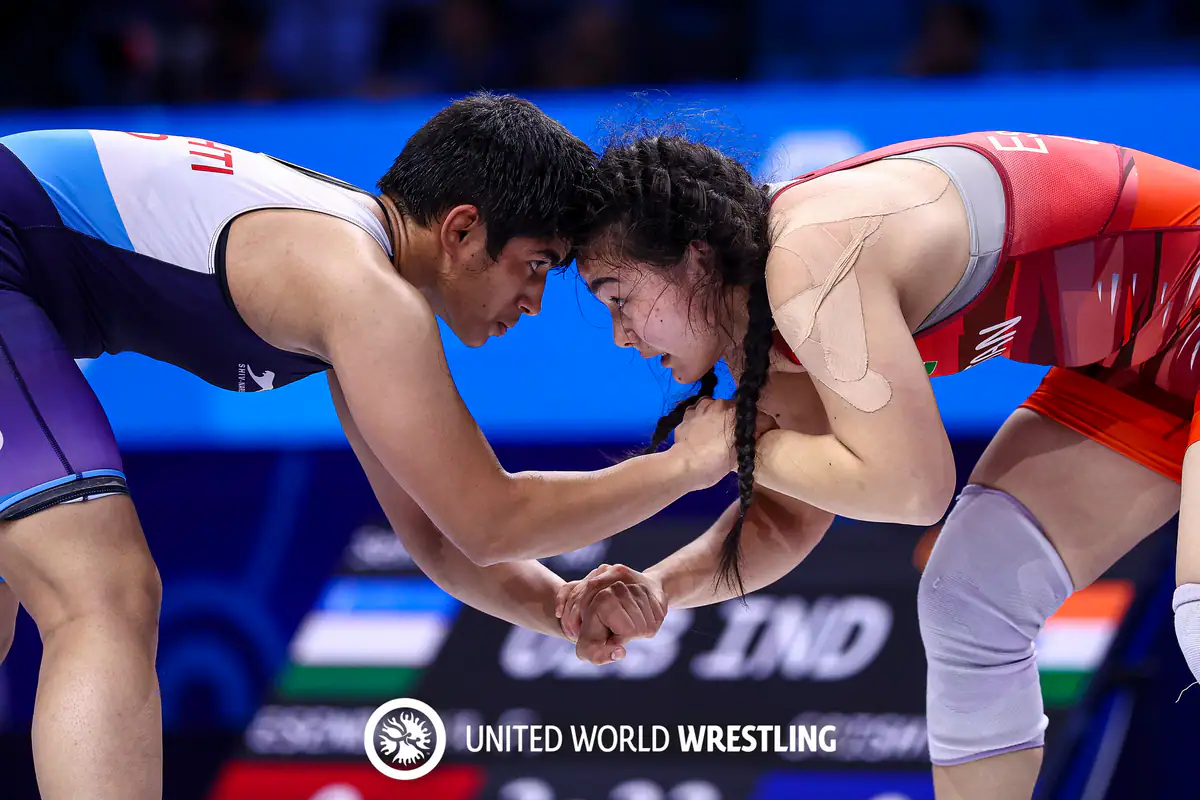
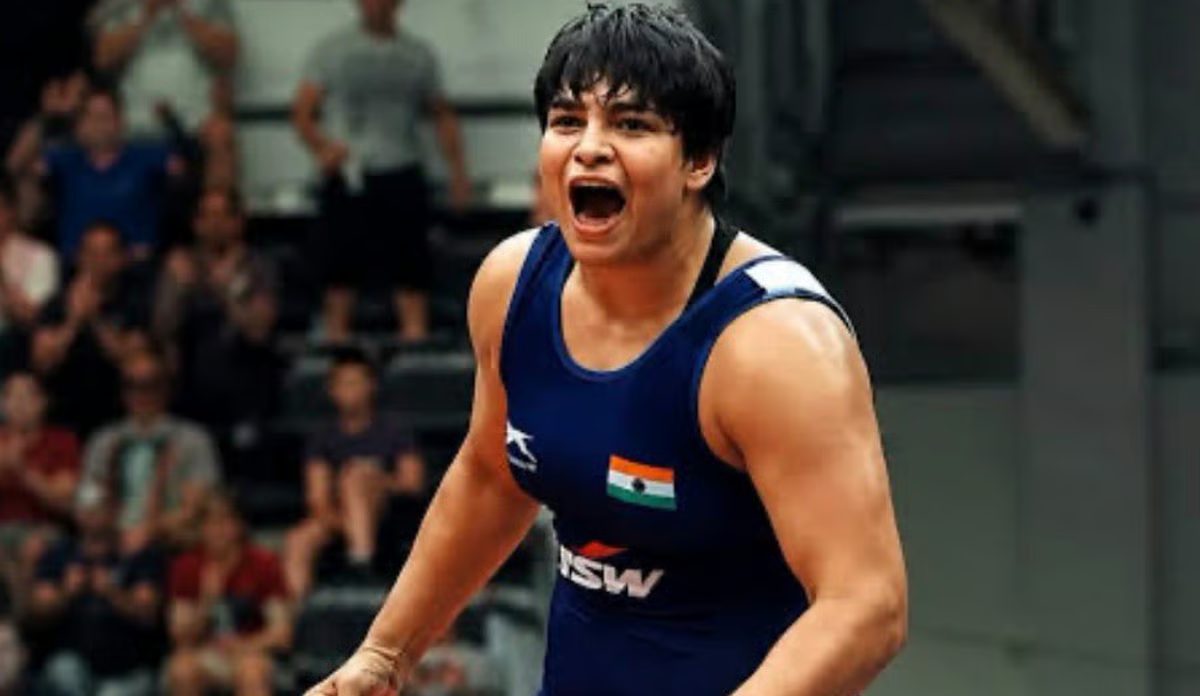
Eighteen-year-old Dhochak delivered another landmark performance. The two-time U20 World Champion became the first Indian heavyweight wrestler to win a Senior World Championships medal. Her semi-final against Kyrgyzstan's Aiperi Medet Kyzy was a defining moment. Trailing 1-7, Dhochak increased the pace, used underhook techniques and repeated leg attacks to score nine unanswered points and win 10-7. She eventually finished with silver after losing to Ukraine's Anastasiya Alpyeyeva in the final.
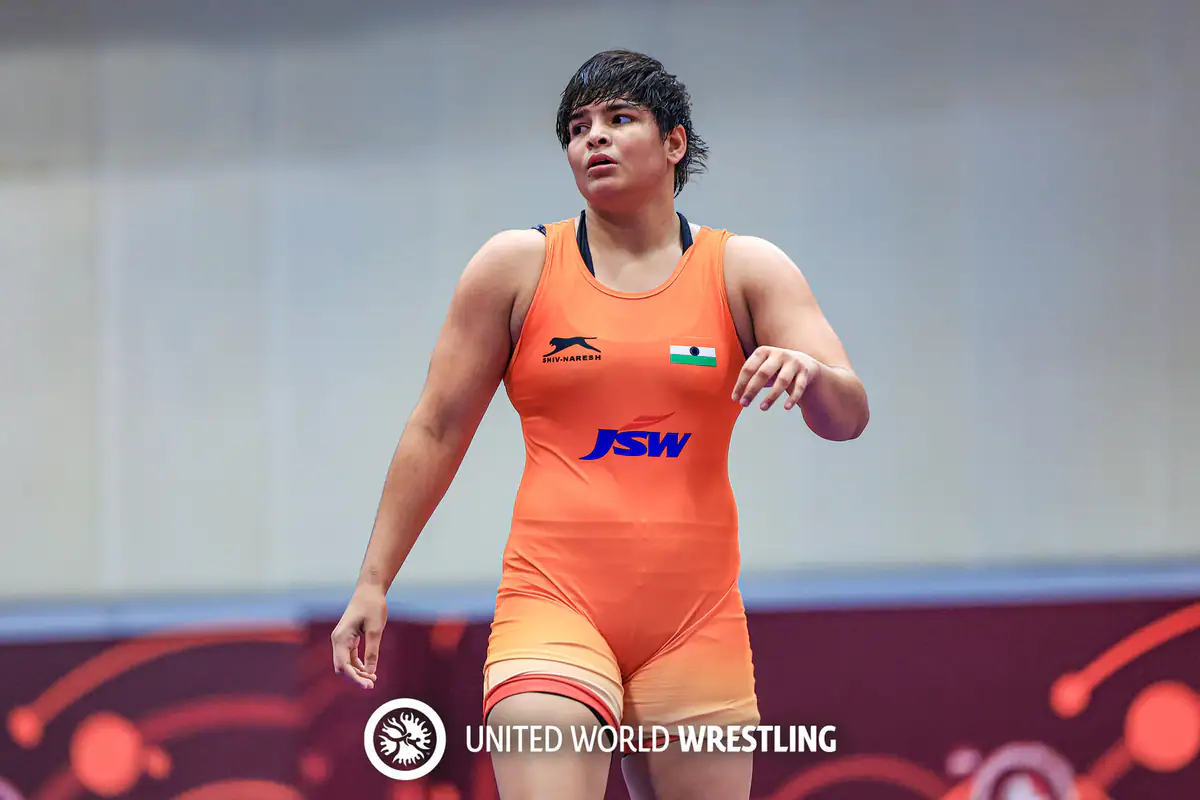
Tanu Sharma completed India's medal tally with bronze in the 72kg category. Competing at her senior international debut, the 20-year-old recovered from an early defeat to Poland's Wiktoria Chołuj. She progressed through the repechage, defeating Tunisia's Zainab Sghaier 5-4 before beating American wrestler Precious Bell 9-5 in the bronze-medal bout.
Women's team establishes a new benchmark
India's fourth-place finish in the women's medal table was its best at the Senior Women's Wrestling World Championships. The team also finished fifth in the official United World Wrestling team rankings with 94 points.
The distinction between the two standings is important. The medal table reflects the number and colour of medals won, while the team ranking awards points for performances across all weight categories, including placements outside the podium.
India's 94 points were largely driven by its four medal winners, who contributed 80 points. The remaining points came from other Indian wrestlers' performances in the competition. The team therefore demonstrated significant medal-winning potential, although greater consistency across the remaining weight categories will be necessary to improve its overall ranking.
India's previous best women's World Championships performances came in 2012 and 2021, when the team won two medals on each occasion. However, both editions were held in Olympic years and under circumstances in which participation from several leading international wrestlers was comparatively lower.
The 2026 championships took place in a standard competitive cycle, with the leading wrestling nations competing for ranking points and international standing. India's four-medal return, including a historic gold, therefore represents a substantial step forward.
While the women delivered an outstanding performance, India's men's freestyle and Greco-Roman teams could not convert their campaigns into medals.
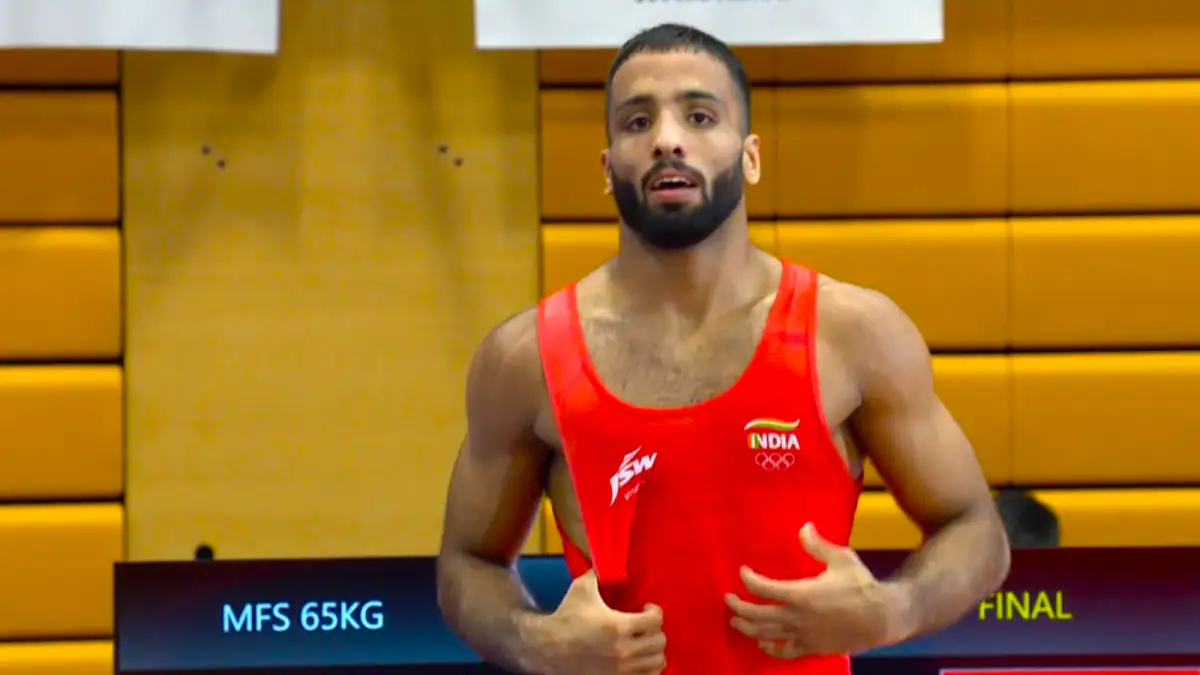
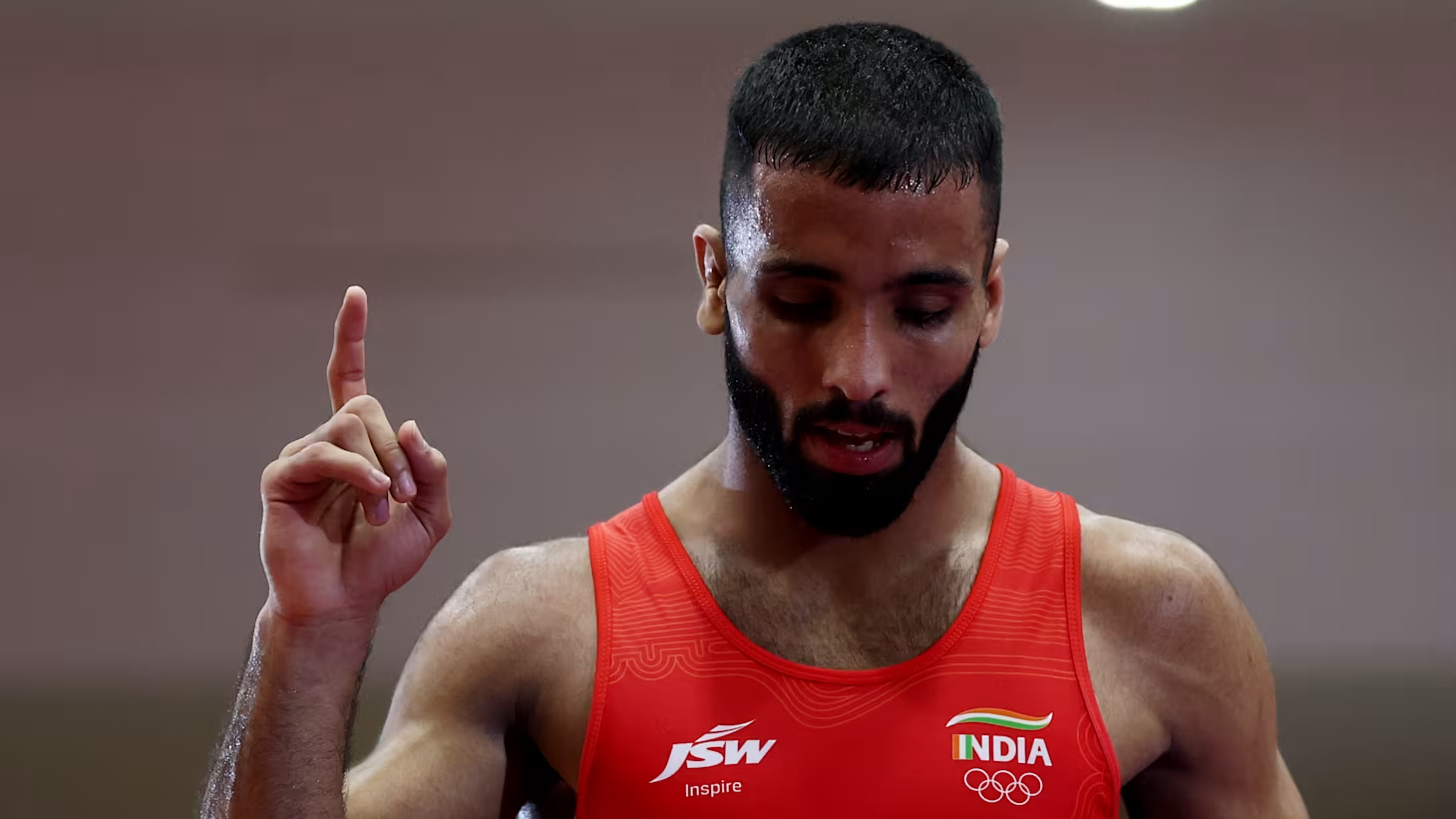
In men's freestyle, Sujeet Kalkal was the most prominent Indian performer but exited in the quarter-finals, bringing an end to his 24-match international winning streak. Vicky Hooda reached the repechage in the 97kg category but was eliminated after a 0-10 defeat to Iran's Hassan Yazdani. The remaining Indian wrestlers failed to reach the medal rounds.
Greco-Roman offered a notable individual achievement through Lalit Sehrawat, who reached the bronze-medal contest in the 55kg category. He became the first Indian Greco-Roman wrestler in 13 years to compete in a World Championships medal bout. Sehrawat eventually lost 0-9 to Kazakhstan's Iskhar Kurbayev.
The contrast underlined the growing strength of India's women's wrestling programme, while also highlighting the need to improve consistency in the men's disciplines.
The Astana results provide a strong foundation for India's preparations for the Los Angeles 2028 Olympic cycle. However, the transition from World Championships success to Olympic qualification will present challenges because the Olympic programme features only six weight categories, compared with the ten contested at the Senior World Championships.
Manisha Bhanwala won gold at 59kg, while Tanu Sharma secured bronze at 72kg. Both categories are non-Olympic divisions, meaning the wrestlers will need to move into Olympic weight categories for the qualification cycle. Bhanwala has targeted a move to 57kg, while Sharma faces a potential transition to 68kg.
Neelam Sirohi's silver at 50kg and Kajal Dhochak's breakthrough at 76kg provide India with encouraging results in two Olympic categories.
India's seventh-place combined finish and fourth-place women's medal-table standing represent a new high in senior world wrestling. More importantly, the campaign has demonstrated that Indian women can win multiple medals, including a world title, against a strong international field.
The next challenge will be to turn this breakthrough into sustained success and carry the momentum into the Olympic qualification campaign.
Comments (0)
to post comments, replies, and votes.
Loading comments…