Kajal Dhochak: Why India’s 18-Year-Old Wrestling Sensation Could Make History at the World Championships
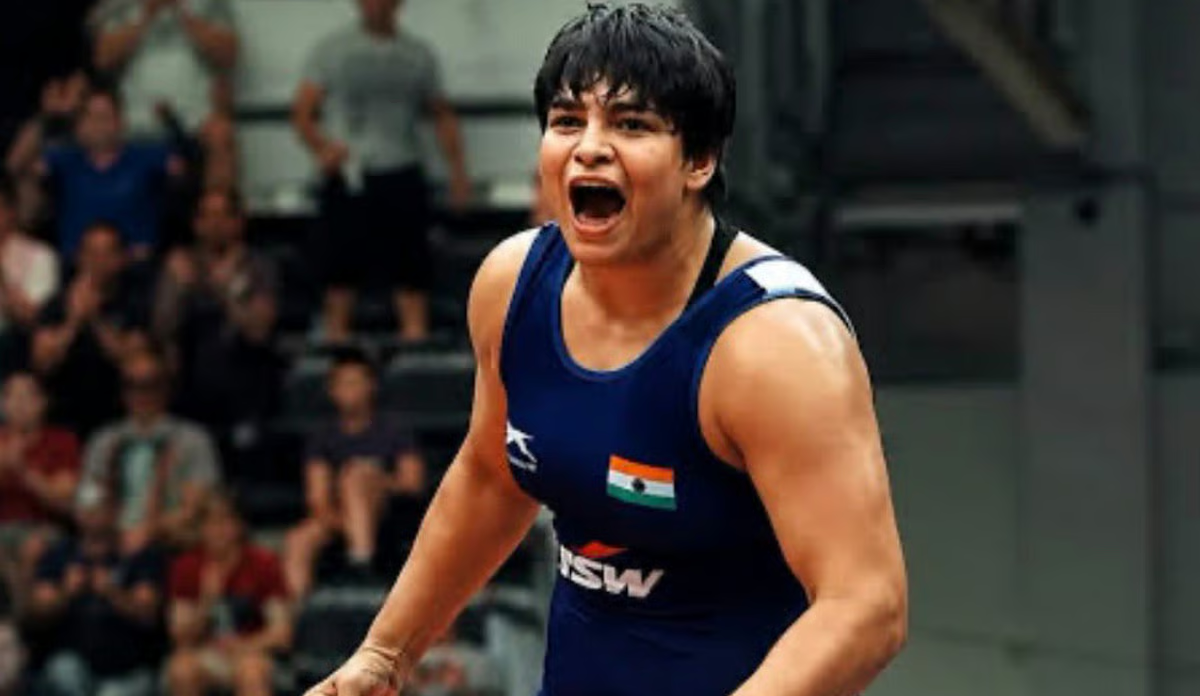
Kajal Dhochak’s two U-20 world titles, comeback win in Astana and 3-1 PWL victory over Anastasiya Alpyeyeva explain why she can become India’s first women’s senior World Wrestling champion.
Two-time U-20 world champion Kajal Dhochak enters the women’s 76kg final with a technical style built around speed, leg attacks and defensive discipline. Her Pro Wrestling League victory over European champion Anastasiya Alpyeyeva adds another reason to believe India’s historic wait could end in Astana.
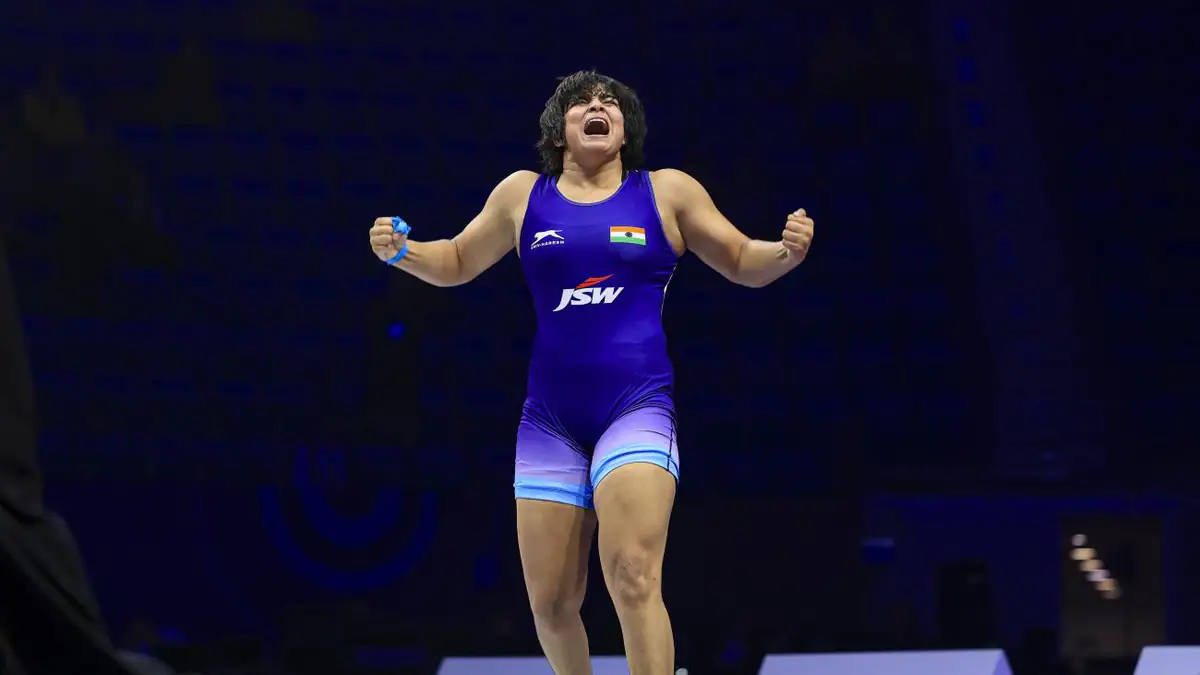
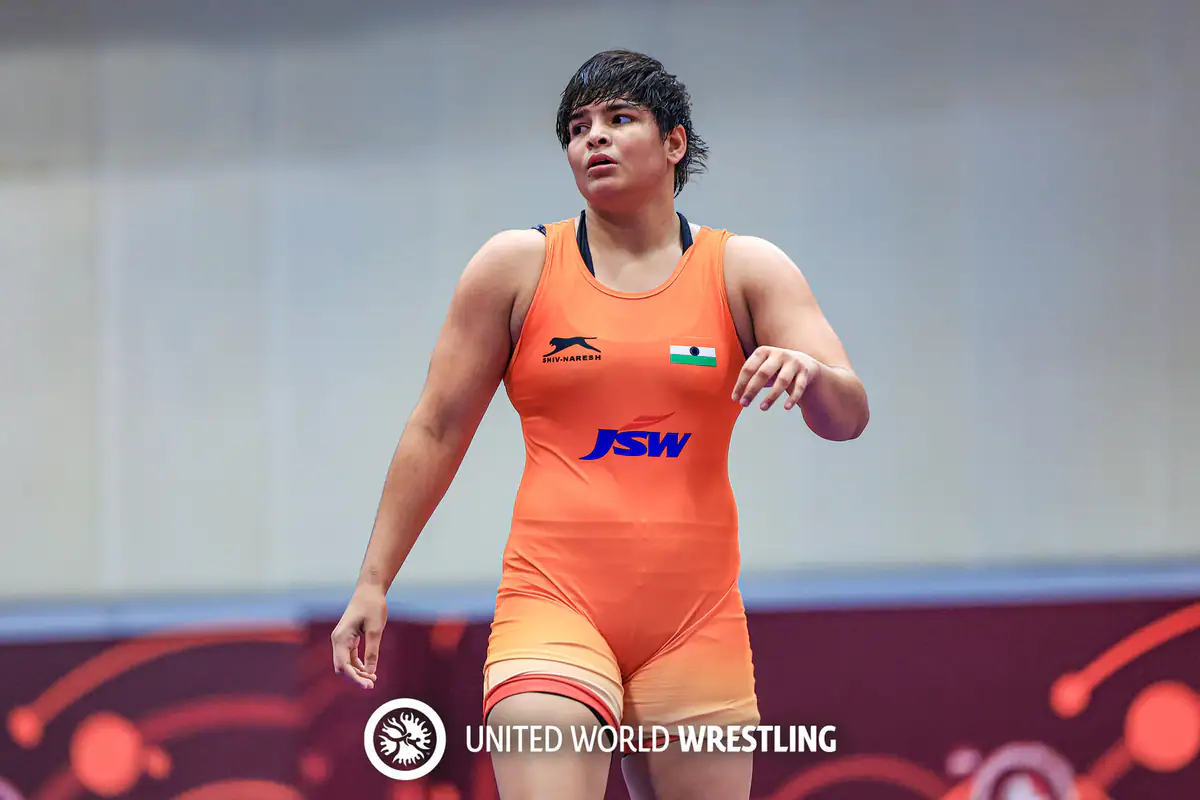
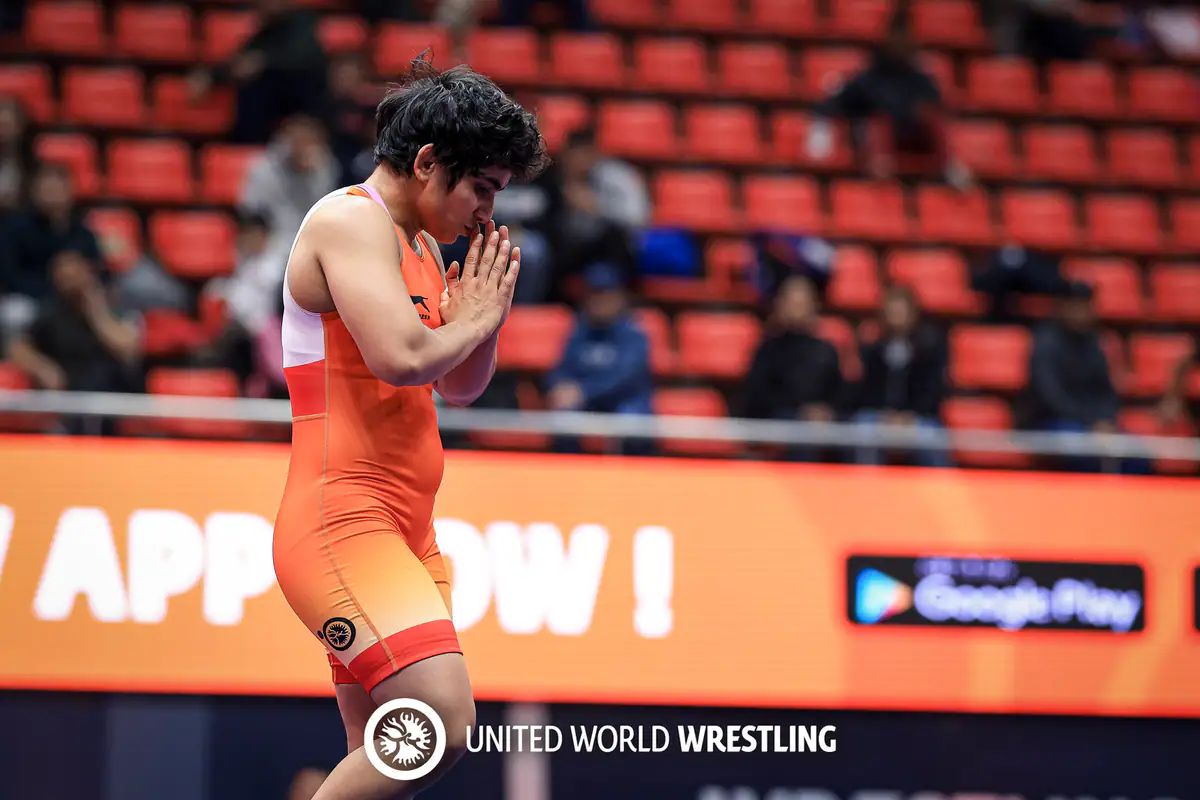
At 18, Kajal Dhochak is one victory away from achieving what no Indian woman has accomplished at the senior World Wrestling Championships: winning a world title. Her journey to the 76kg final in Astana has been built on more than youthful promise. Two consecutive U-20 world titles, senior international victories and a memorable comeback against Kyrgyzstan’s Aiperi Medet Kyzy have established her as a genuine contender.
Kajal defeated Medet Kyzy 10-7 in the semifinal after trailing 1-7, scoring repeatedly in the second period to overturn the deficit. The victory secured her first senior World Championships medal and a chance to become India’s first women’s senior world champion.
Her final against Ukraine’s Anastasiya Alpyeyeva is a difficult test. But Kajal has something particularly valuable: she has already beaten the European champion in the Pro Wrestling League (PWL).
From Sonipat’s wrestling culture to the world stage
Kajal’s development began in Haryana, where wrestling is deeply rooted in local sporting culture. Her uncle, Krishan Dhochak, was an international wrestler who competed in the heavyweight category before moving into coaching. He recognised Kajal’s potential and helped guide her towards competitive wrestling.
She began formal training in 2017 at the Kuldeep Malik Wrestling Academy near Sonipat, under coaches Kuldeep Malik and Ajay Malik. Her early career included competing in lighter-weight categories before her natural physical development took her towards heavyweight wrestling.
That progression matters. Kajal’s style retains movement patterns associated with lighter wrestlers rather than relying exclusively on the upper-body strength and static clinch battles often seen at 76kg. Her speed, level changes and willingness to attack the legs allow her to challenge opponents who may have greater physical size.
In an interview with The Indian Express, her coach Ajay Malik highlighted her quick movement and double-leg attacks, while her uncle emphasised the importance of combining strength with speed and stamina.
Kajal’s junior achievements show a consistent upward trajectory rather than a single breakthrough.
2023: Won the U-17 Asian Championships in the 73kg category.
2024: Won the U-17 World Championships in the 69kg category.
2025: Captured the U-20 World Championships title at 72kg, defeating China’s Liu Yuqi 8-6 in the final.
2026: Won the U-20 World Championships at 76kg, beating China’s Jingru Sun 7-0 in the final.
2026: Added senior international success at ranking-series events and won the U-23 Asian Championships in the 76 kg category.
Her 2026 U-20 world title was especially emphatic. She completed the tournament with a 35-0 aggregate score across four bouts, including a 7-0 victory in the final.
The senior World Championships, however, are a different examination. Age-group dominance does not automatically translate into success against experienced senior opponents. Kajal’s progress in Astana is important precisely because she is now converting her junior credentials into results against established wrestlers.
What makes her wrestling effective?
Kajal’s principal advantage is the combination of a low stance, quick level changes and direct attacks on the legs. Rather than remaining upright and allowing stronger opponents to establish upper-body control, she can change levels and attack before they settle into their preferred positions. Her double-leg entries have been particularly effective. Against Mongolia’s Davaanasan Enkh Amar in the quarterfinals, she secured a 9-2 victory. In the semifinal, she recovered from Medet Kyzy’s early scoring burst to win 10-7.
That comeback revealed another important quality: the ability to adjust during a bout. Medet Kyzy had scored a four-point headlock throw and two exposure points to build a 7-1 lead. Kajal did not allow that sequence to end the contest. She continued attacking, scored takedowns and took advantage as her opponent began to tire.
The lesson is not that Kajal is invulnerable. Rather, she has shown that she can remain tactically engaged when a match turns against her.
Her defensive discipline will be equally important in the final. If she allows Alpyeyeva to establish sustained upper-body ties, the Ukrainian could create opportunities for throws and exposure points. Kajal’s best route is likely to involve active hand fighting, movement and well-timed leg attacks.
PWL: The evidence that makes the final intriguing
Kajal’s Pro Wrestling League campaign offers a valuable insight into how she matches up against Alpyeyeva.
Representing Haryana Thunders in PWL 2026, Kajal faced the Ukrainian in the women’s 76kg bout during the league final against Delhi Dangal Warriors. She won 3-1, helping Haryana level the team contest at 1-1.
That victory is relevant because Alpyeyeva is not an unfamiliar opponent. Kajal has already experienced her physical approach and has demonstrated that she can win a close contest against her under pressure.
The PWL match should not be treated as a guarantee of another victory. Team-league wrestling has its own competitive context, and a World Championships final carries a different level of pressure. Alpyeyeva will also have the opportunity to make adjustments after their previous meeting.
Nevertheless, the result gives Kajal practical evidence that her style can work against this opponent. It is more meaningful than simply comparing rankings or reputations.
Kajal’s wider PWL experience also exposed her to senior-level competition and the demands of close, high-pressure bouts. The league’s team format places individual matches within a larger contest, requiring wrestlers to perform when every result can influence the team outcome.
India has produced several women’s World Championships medallists, but Anshu Malik remained the only Indian woman to reach a senior world final before this edition, winning silver in 2021. Kajal and Neelam Sirohi have now reached the finals in the same championship, creating two opportunities for India’s first senior women’s world title.
Kajal’s case rests on three tangible strengths: her record of success at junior world level, her ability to attack quickly from a low stance and her prior PWL victory over Alpyeyeva.
The challenge is to reproduce those strengths in the most important bout of her senior career. She must avoid being drawn into a strength-based contest, maintain separation in the hand fight and turn her speed into clean scoring opportunities.
At 18, Kajal has already secured a historic medal. A victory over Alpyeyeva would make her India’s first women’s senior world wrestling champion.
The opportunity is real, the opponent is formidable, and the previous PWL result offers a concrete reason for optimism, but the title will be decided by what happens on the mat in Astana.
Comments (0)
to post comments, replies, and votes.
Loading comments…