India's AVC Nations Cup Bronze is a Milestone, Not the Destination: Why Indian Volleyball Must Build on This Momentum

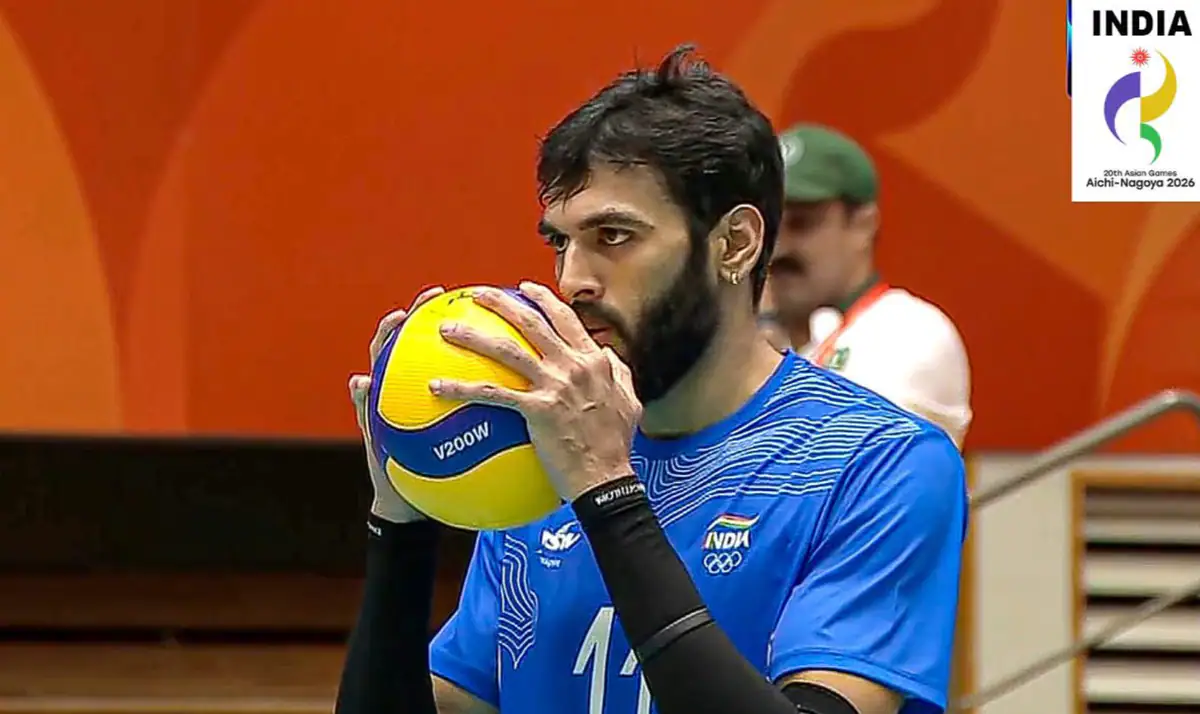
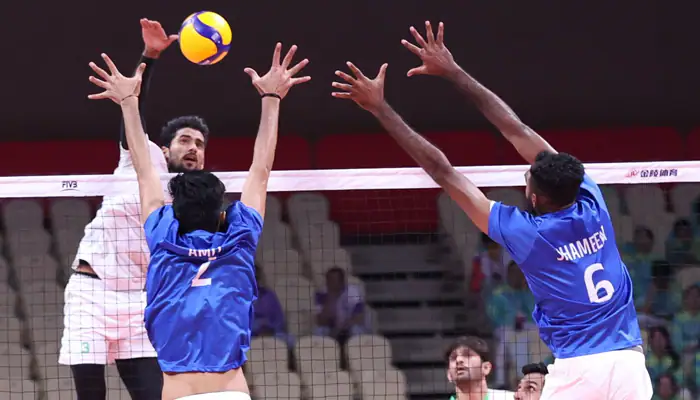
The Indian men's volleyball team's bronze medal at the AVC Men's Nations Cup 2026 in Ahmedabad is undoubtedly one of the country's biggest achievements in the sport in recent years. It deserves recognition, applause, and most importantly, continued support.
The results speak for themselves. India finished third in the tournament, defeated defending champions Bahrain in the bronze-medal match, climbed from around World No. 60 to No. 42 in the FIVB rankings, and is now ranked seventh in Asia. Those are significant gains for a team that has spent years battling administrative uncertainty and a lack of consistent international competition.
However, while this success is worth celebrating, it is equally important to keep it in perspective.
Over the past few days, social media has been flooded with exaggerated claims and misinformation. Some have described this as the "rise of Indian volleyball," while others have gone as far as making false comparisons with global powers. Such narratives may generate excitement, but they do little to help the sport in the long run.
This bronze medal is a major step forward but it should be viewed as the beginning of a journey rather than its culmination.
One reason for exercising caution is history. Indian volleyball is not an emerging sport discovering success for the first time. The country has enjoyed several memorable moments on the Asian stage over the decades. India has won three medals at the Asian Games, a feat that many current fans may not even be aware of. Even during the modern era, the national team produced notable performances, finishing fifth at the 2002 Asian Games and repeating that achievement at the 2014 Asian Games.
Perhaps even more remarkably, during the 2014 Asian Cup, India defeated traditional continental heavyweights such as Japan and Iran—teams that have consistently ranked among Asia's strongest volleyball nations.
Those victories demonstrated that Indian volleyball has always possessed the talent to compete with elite opposition.
If one looks beyond the senior team, the story becomes even clearer. India reached the final of the 2003 FIVB U-19 World Championship, one of the finest achievements in the country's volleyball history. Six years later, the nation reached the semifinals of the 2009 FIVB U-21 World Championship, once again proving that Indian players could compete with the world's best at the junior level. The ability to produce talented athletes has never been India's biggest weakness.
The real challenge has been converting that talent into sustained international success.
For years, Indian volleyball has suffered from problems that extend well beyond the court. Administrative disputes, governance issues, inconsistent planning and limited international exposure have repeatedly interrupted the sport's progress. While almost every sporting federation in India has faced its share of challenges, volleyball has arguably endured more instability than most. As a result, talented players often entered major tournaments without sufficient experience against high-level international opposition.
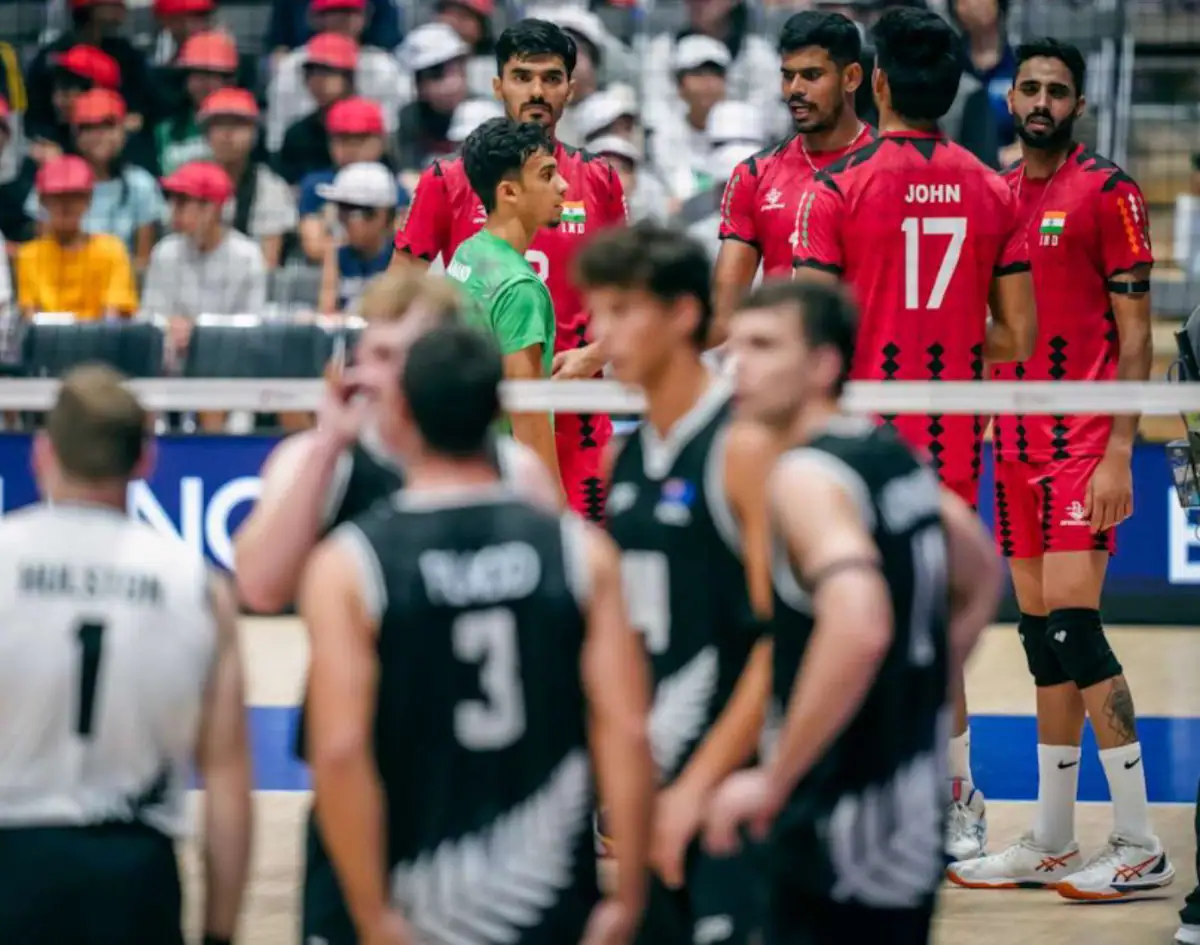
That lack of exposure inevitably showed during pressure moments. Even in this year's semifinal against Indonesia, India displayed remarkable fighting spirit by recovering from a 1-2 deficit before narrowly losing the deciding set 13-15. The quality was evident. What appeared to be missing was the experience gained only by regularly competing against stronger teams.
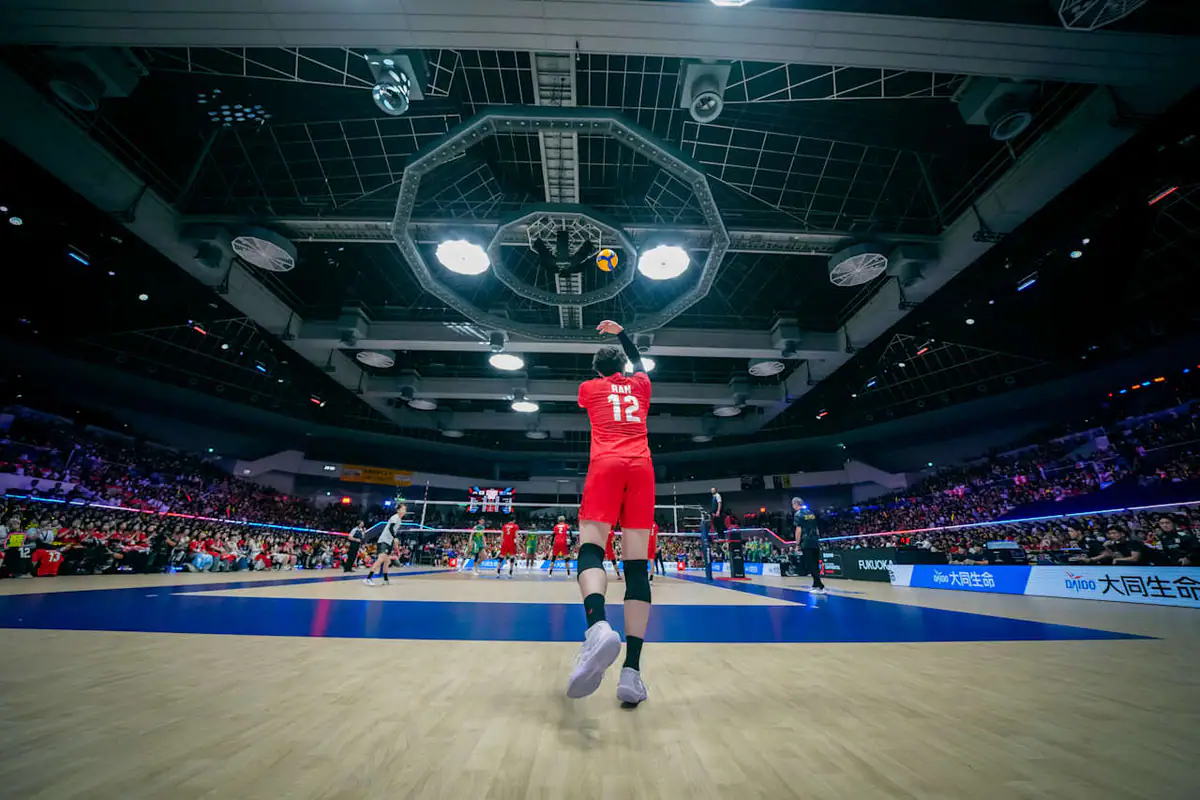
If there was one major positive beyond the bronze medal itself, it was the atmosphere inside the stadium. The enthusiastic crowds in Ahmedabad demonstrated that volleyball can attract passionate support in India when given the right platform. For years, Indian volleyball has struggled to remain in the national sporting conversation.
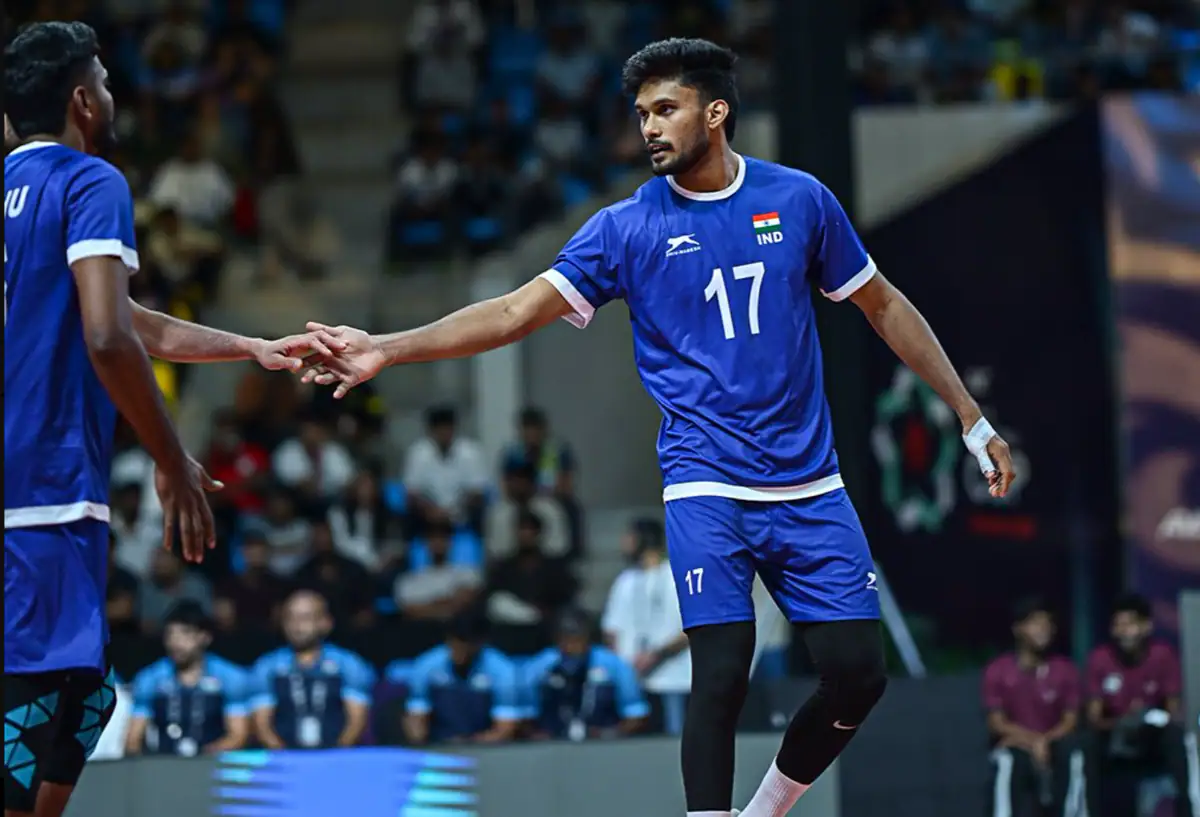
This tournament showed that fans are ready to embrace the sport if the team performs well and meaningful competitions are organised consistently. The players responded brilliantly to that support. Considering everything they have overcome, their achievement deserves enormous credit.
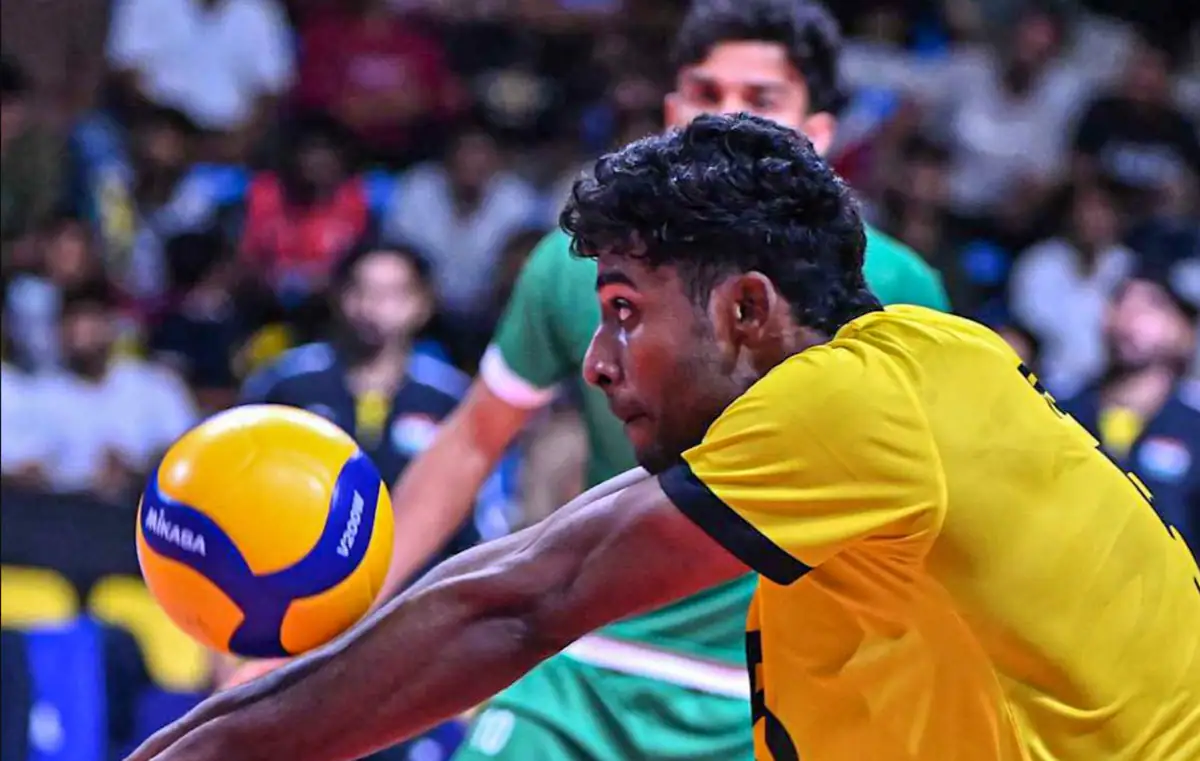
Another encouraging development has been the emergence of the Prime Volleyball League (PVL). Since its launch in 2022, the league has provided Indian players with a professional environment, improved coaching standards and greater visibility. Although still relatively young, the league is already beginning to produce tangible benefits for the national team. The challenge now is ensuring that domestic progress is matched by increased international exposure. No league, regardless of its quality, can fully replace the experience gained from competing regularly against Asia's strongest nations.
Rather than making unrealistic predictions about Olympic medals or becoming a global powerhouse overnight, Indian volleyball should focus on achievable milestones. The next logical objective is to break into the world's top 30 in the FIVB rankings. That would represent another significant leap and place India among the sport's consistently competitive nations. The second major goal should be qualification for the FIVB Volleyball World Championship, now featuring 32 teams.
Competing regularly at that level would provide exactly the kind of experience this squad currently lacks. These are ambitious yet realistic objectives.
One unfortunate consequence of India's bronze-medal success has been the spread of misinformation. False claims suggesting India has defeated global giants like Brazil or is already among the world's elite only create unrealistic expectations. Indian volleyball does not need exaggerated narratives.
The truth is already inspiring enough. A team that began the tournament ranked around 60th in the world has climbed to World No. 42, become Asia's seventh-ranked nation, won six of seven matches, defeated the defending champions for bronze, and reignited public interest in the sport.
That is genuine progress. Now comes the difficult part.
Building on this momentum through better administration, consistent international exposure, stronger domestic structures and long-term planning will determine whether this bronze medal becomes a turning point or simply another memorable chapter in Indian volleyball history.
One step has been taken. The next one is even more important.
Inspired by Voice Of Indian Sport on X
Comments (0)
to post comments, replies, and votes.
Loading comments…