India's Boxing Team Ready for Commonwealth Games 2026 Challenge
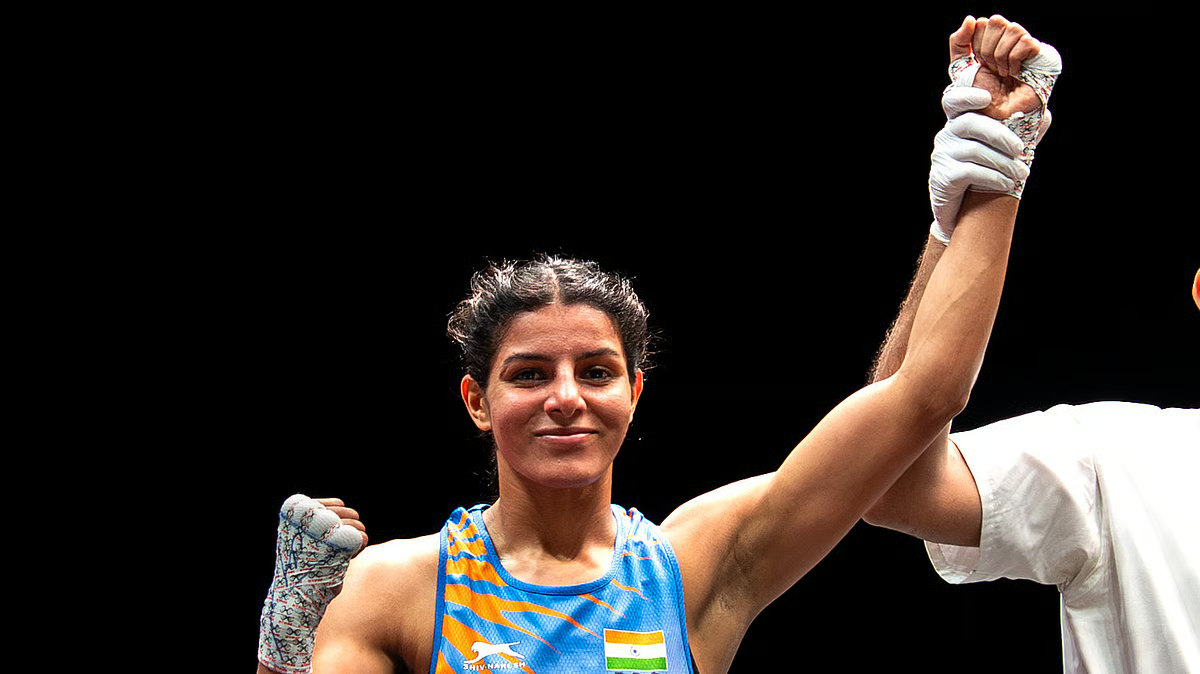
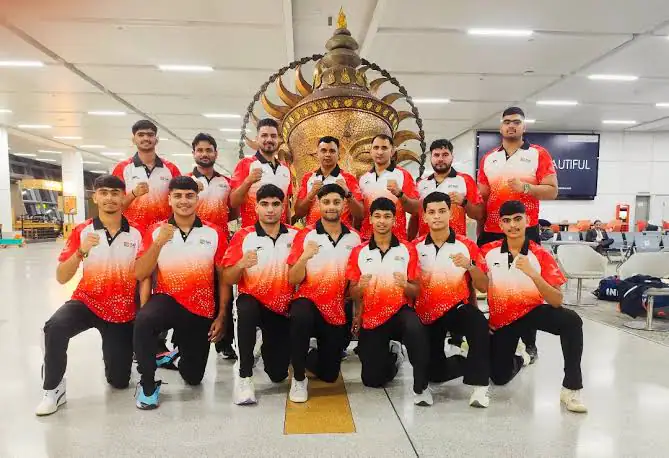
With the 2026 Commonwealth Games set to begin in Glasgow later this month, India's boxing contingent enters the competition carrying significant expectations. A combination of recent international success, an experienced coaching setup, and a well-balanced squad has positioned India among the leading medal contenders at the Games.
Scheduled from July 24 to August 1 at the Scottish Event Campus (SEC) Centre Hall 5, the boxing competition marks a historic milestone. It will be the first major multi-sport event conducted under World Boxing governance while featuring complete gender parity, with seven weight categories each for men and women aligned with the weight classes that will be used at the Los Angeles 2028 Olympic Games.
For India, the tournament is not only an opportunity to add to its rich Commonwealth Games legacy but also an important benchmark in the road towards LA 2028.
The Glasgow 2026 Commonwealth Games will be unlike previous editions. Following Australia's withdrawal as host, Scotland adopted a significantly leaner model, reducing costs while utilising infrastructure from the successful 2014 Games. Although the overall Games programme has been streamlined, the quality of competition in boxing remains exceptionally high. The alignment with Olympic weight categories has attracted many of the continent's and Commonwealth's strongest boxers, making every draw highly competitive.
For India's 14-member squad comprising seven men and seven women, the bracket dynamics will play a crucial role in determining medal prospects.
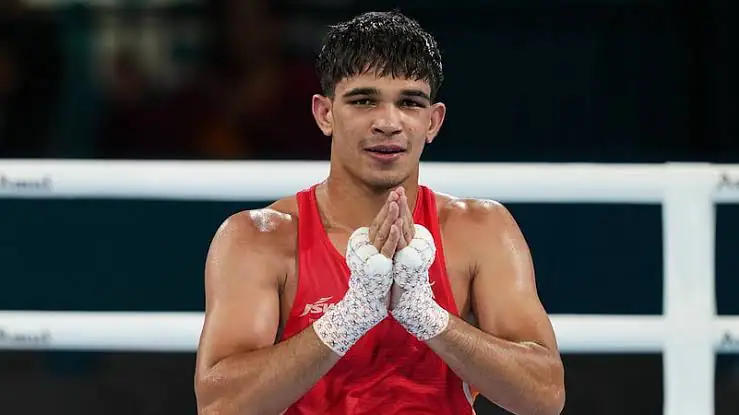
India's men's squad faces a demanding route in several weight divisions. Boxers such as Jedumani Singh (55kg), Sachin Siwach (60kg), Aditya Pratap Singh (65kg), Sumit Kundu (70kg), and Ankush (80kg) begin their campaigns in the Round of 32, meaning they could require up to five victories to secure gold.
In contrast, heavyweights Kapil Pokhariya (90kg) and Narender Berwal (+90kg) have received direct byes into the Round of 16, allowing them additional recovery time but also requiring them to maintain competitive sharpness despite fewer early bouts.
The women's draw appears comparatively favourable for India.
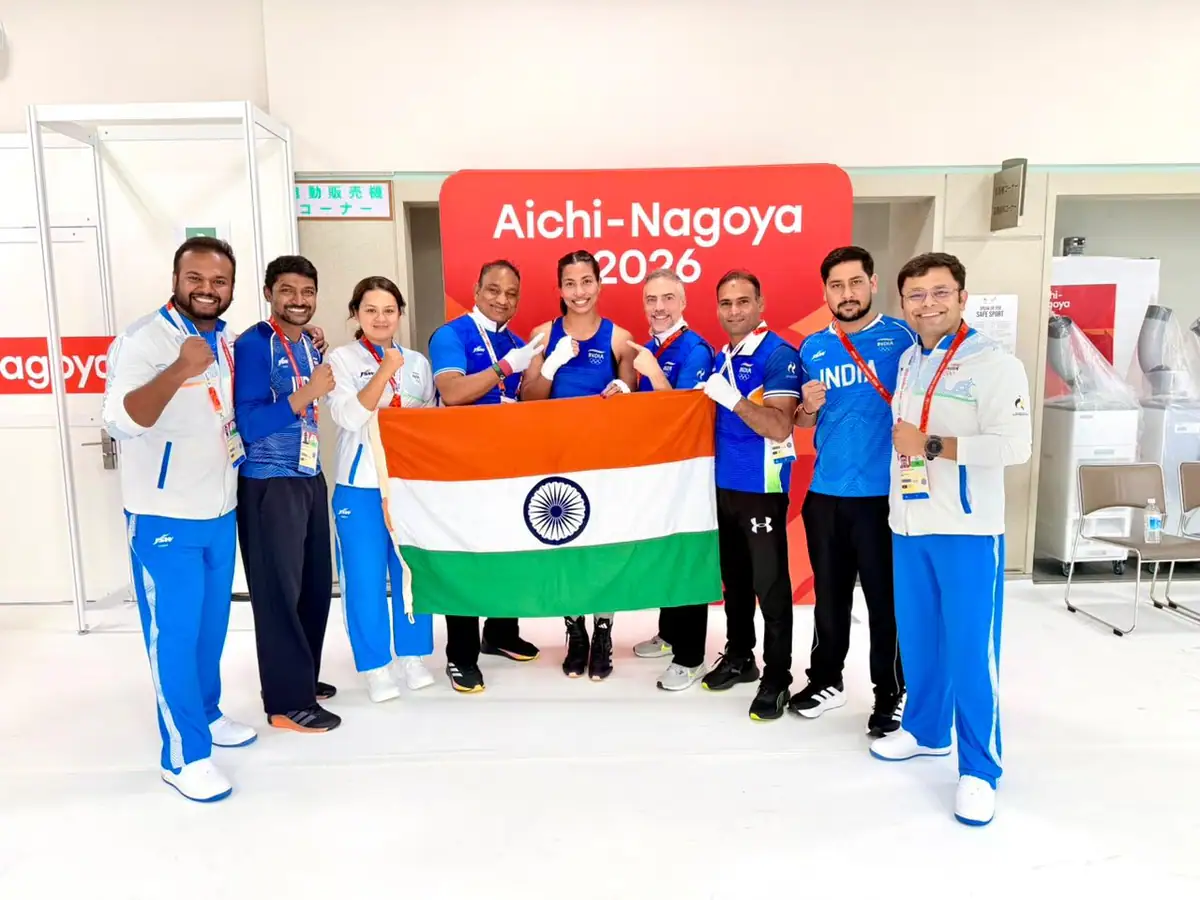
Six of India's seven female boxers have secured direct entry into the Round of 16, including Sakshi Choudhary, Preeti Pawar, Priya Ghanghas, Parveen Hooda, Arundhati Choudhary, and Olympic medallist Lovlina Borgohain. Only Jasmine Lamboria will have to navigate the preliminary round before reaching the knockout stages. While the byes reduce physical wear and tear, they also demand careful preparation to ensure the athletes are match-ready when they enter the competition.
India heads into Glasgow on the back of a highly successful campaign at the 56th Grand Prix Usti nad Labem in Czechia, one of Europe's most prestigious boxing tournaments.
The Indian contingent returned with an impressive haul of 12 medals, including eight gold, three silver, and one bronze. The performances offered valuable exposure to World Boxing's officiating standards and served as an ideal dress rehearsal before the Commonwealth Games.
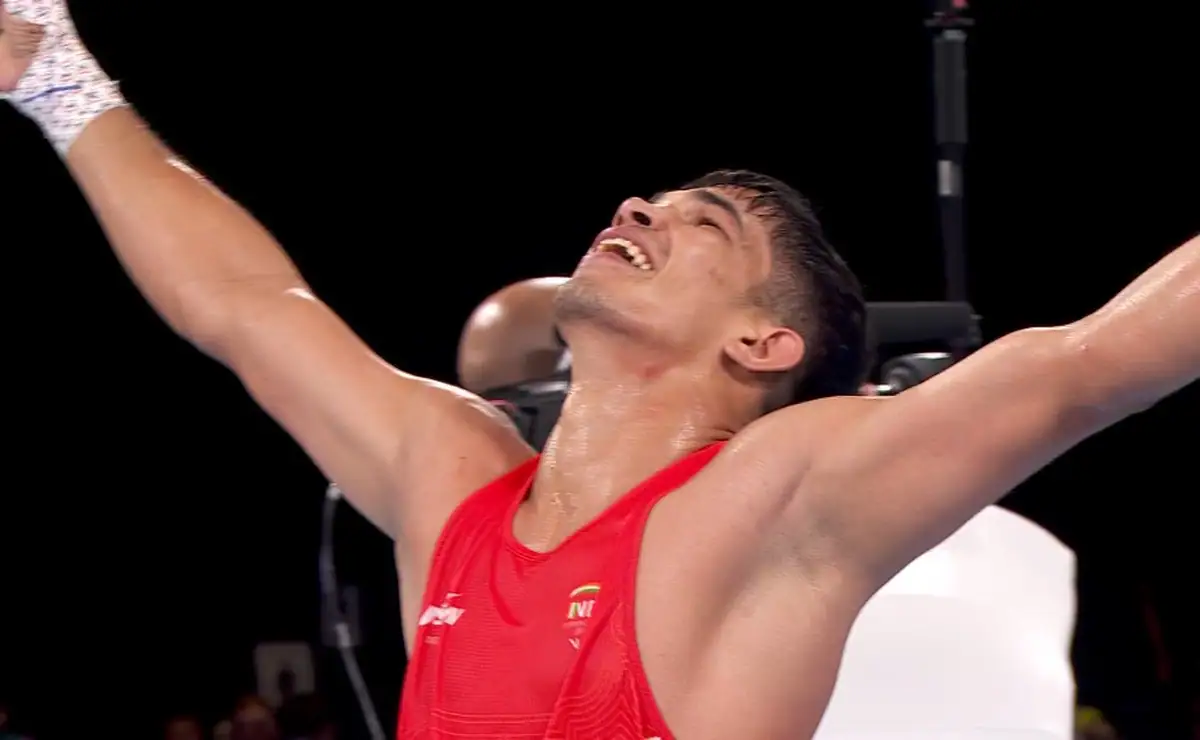
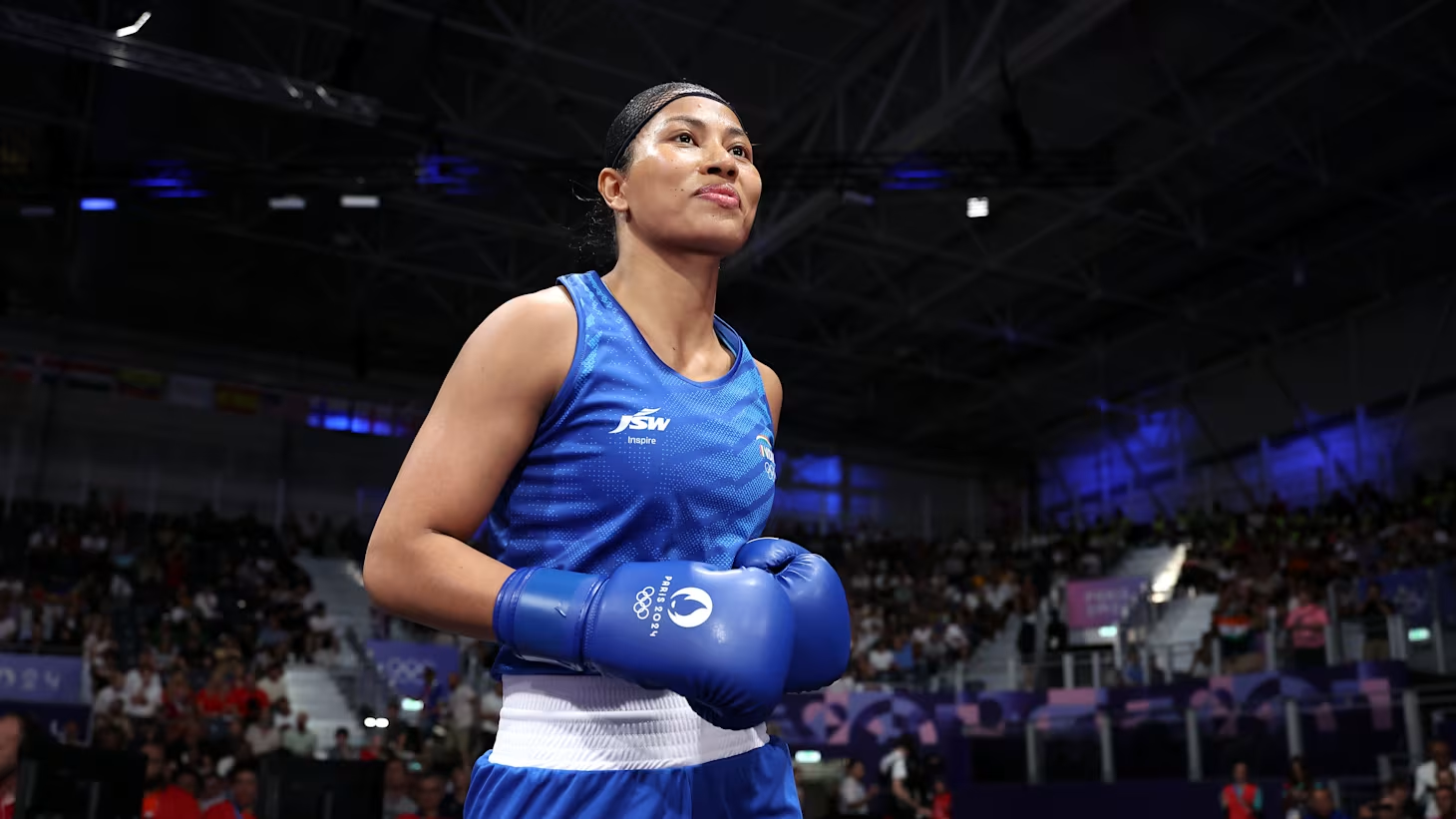
Among the standout performers was Lovlina Borgohain, who claimed gold in the 75kg category with a dominant unanimous decision over Italy's Melissa Gemini. The Olympic medallist showcased improved attacking intent and ring control, indicating positive evolution in her style.
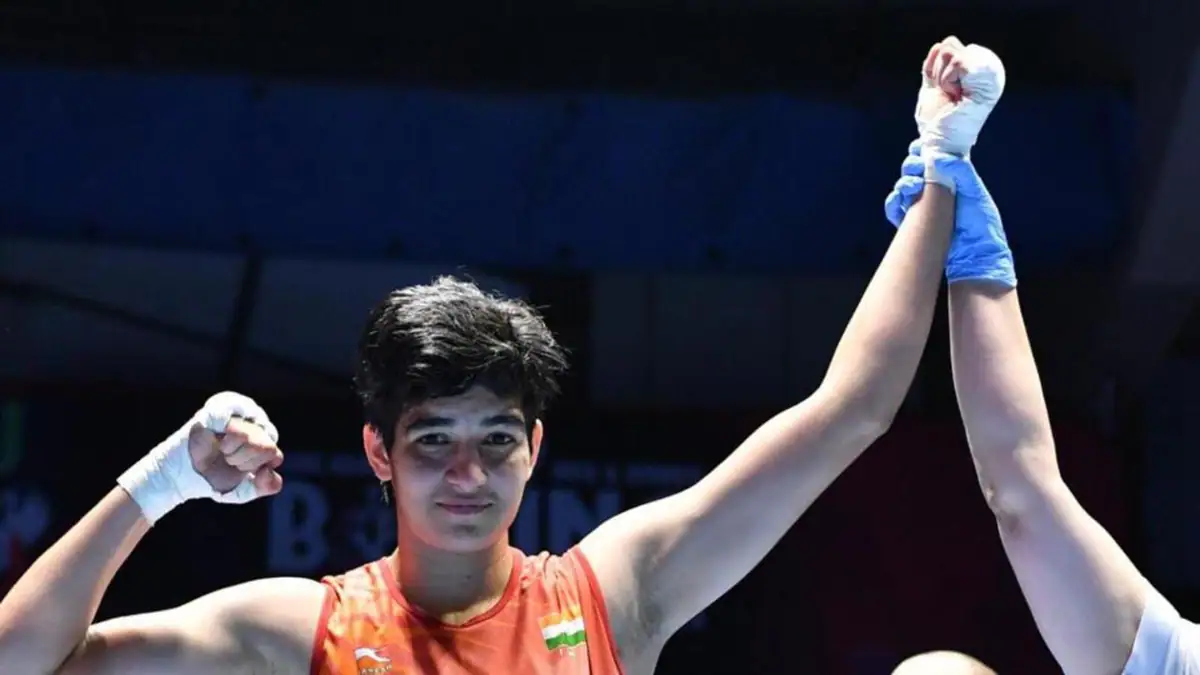
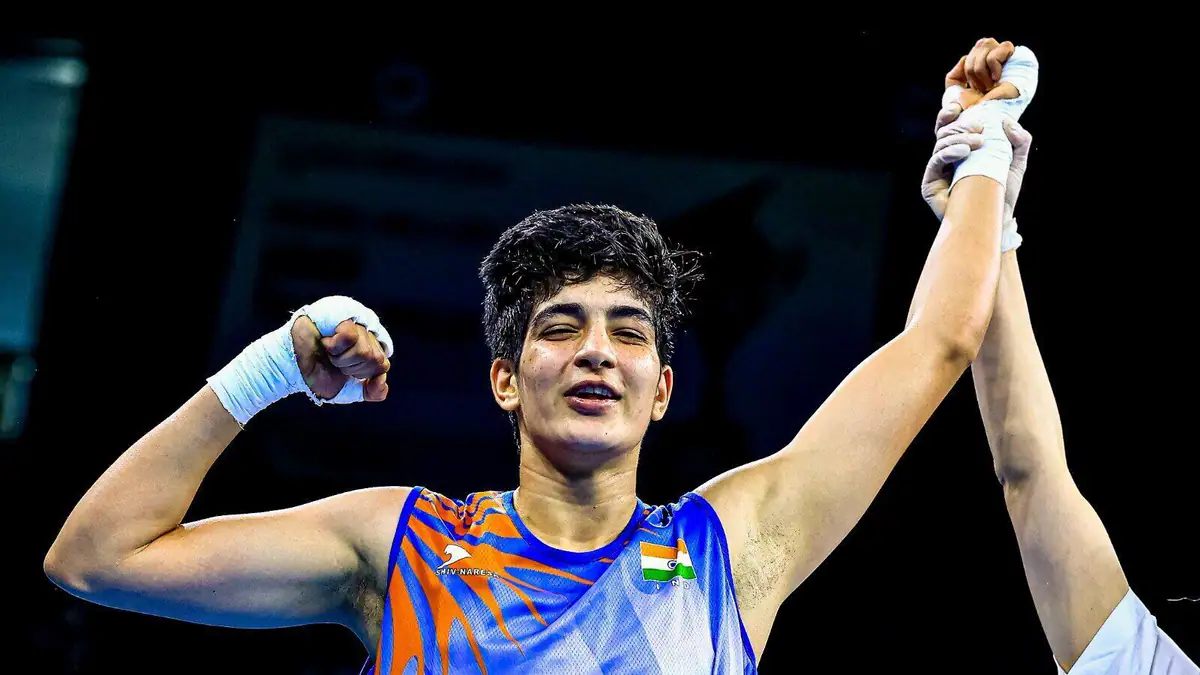
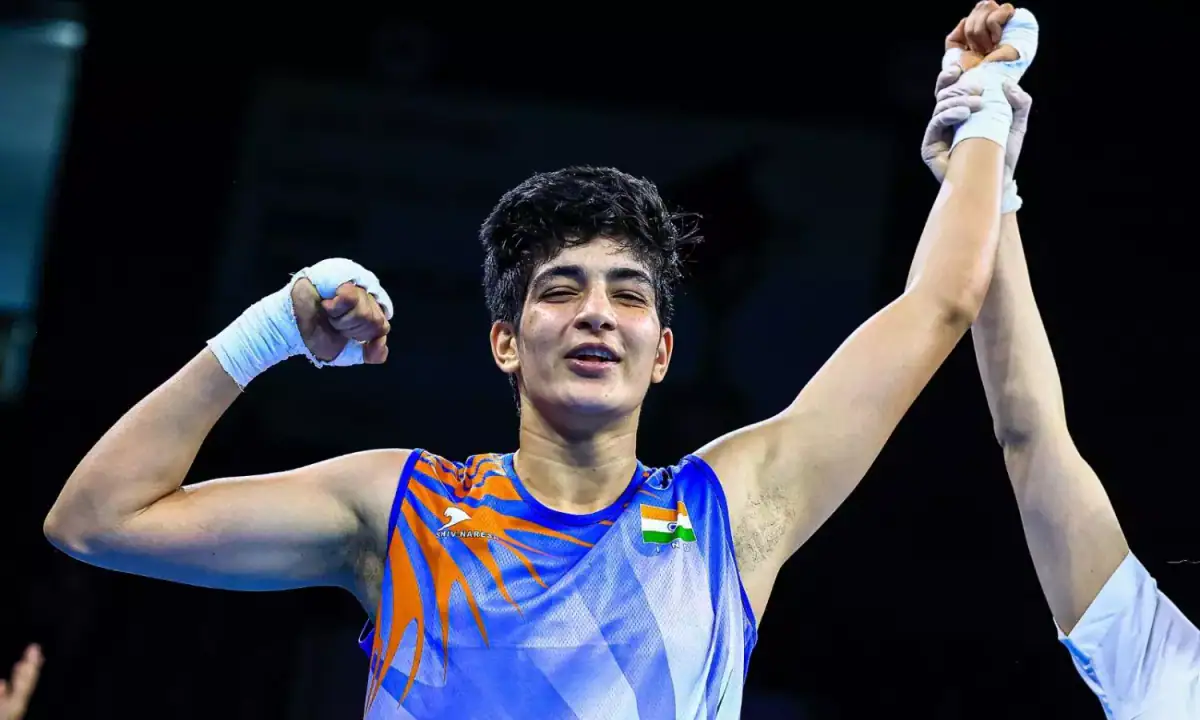
Preeti Pawar also impressed with a clinical victory over France's Jeyssa Marcel, demonstrating sharp footwork and excellent spatial awareness. Sakshi Choudhary continued her consistent rise with another commanding gold medal performance, while Jedumani Singh and Narender Berwal added to India's tally with hard-fought victories against quality international opposition.
Despite the impressive medal haul, India's coaching staff will also be aware of areas requiring improvement.
Parveen Hooda struggled against taller opponents capable of controlling distance, exposing tactical vulnerabilities that stronger Commonwealth rivals may attempt to exploit. Aditya Pratap Singh found it difficult against sustained body attacks and close-range pressure, while Kapil Pokhariya faced challenges escaping prolonged clinches during his final in Czechia.
Addressing these technical issues during the final preparation phase could prove decisive once the medal rounds begin.
India will face strong opposition from several traditional boxing powerhouses.
England has fielded a full-strength 14-member squad featuring experienced international competitors supported by one of the world's most advanced high-performance systems. Northern Ireland continues to boast its trademark aggressive boxing style, while Australia also arrives with an experienced roster capable of challenging for multiple gold medals.
With the adoption of World Boxing's judging system, technical precision, clean scoring punches, and effective ring control will become even more important than simply landing a high volume of punches.
The combination of experienced campaigners like Lovlina Borgohain and Narender Berwal alongside emerging stars such as Preeti Pawar, Sakshi Choudhary, Sachin Siwach, and Aditya Pratap Singh gives India one of its most balanced Commonwealth Games boxing squads in recent years.
Equally encouraging is the depth across weight categories, with several athletes entering Glasgow after winning medals on the European circuit and gaining valuable experience against elite international opposition.
If India can effectively manage recovery, capitalise on favourable draws, and execute its tactical plans under the new World Boxing framework, Glasgow 2026 could become another landmark edition for Indian boxing.
Having already demonstrated its quality during the build-up tournaments, the Indian contingent now has the opportunity to convert preparation into podium finishes and further strengthen the country's position as one of the leading boxing nations in the Commonwealth.
Comments (0)
to post comments, replies, and votes.
Loading comments…