India's Pro League Revival: European Success Signals Men's Hockey Team is Peaking at the Perfect Time
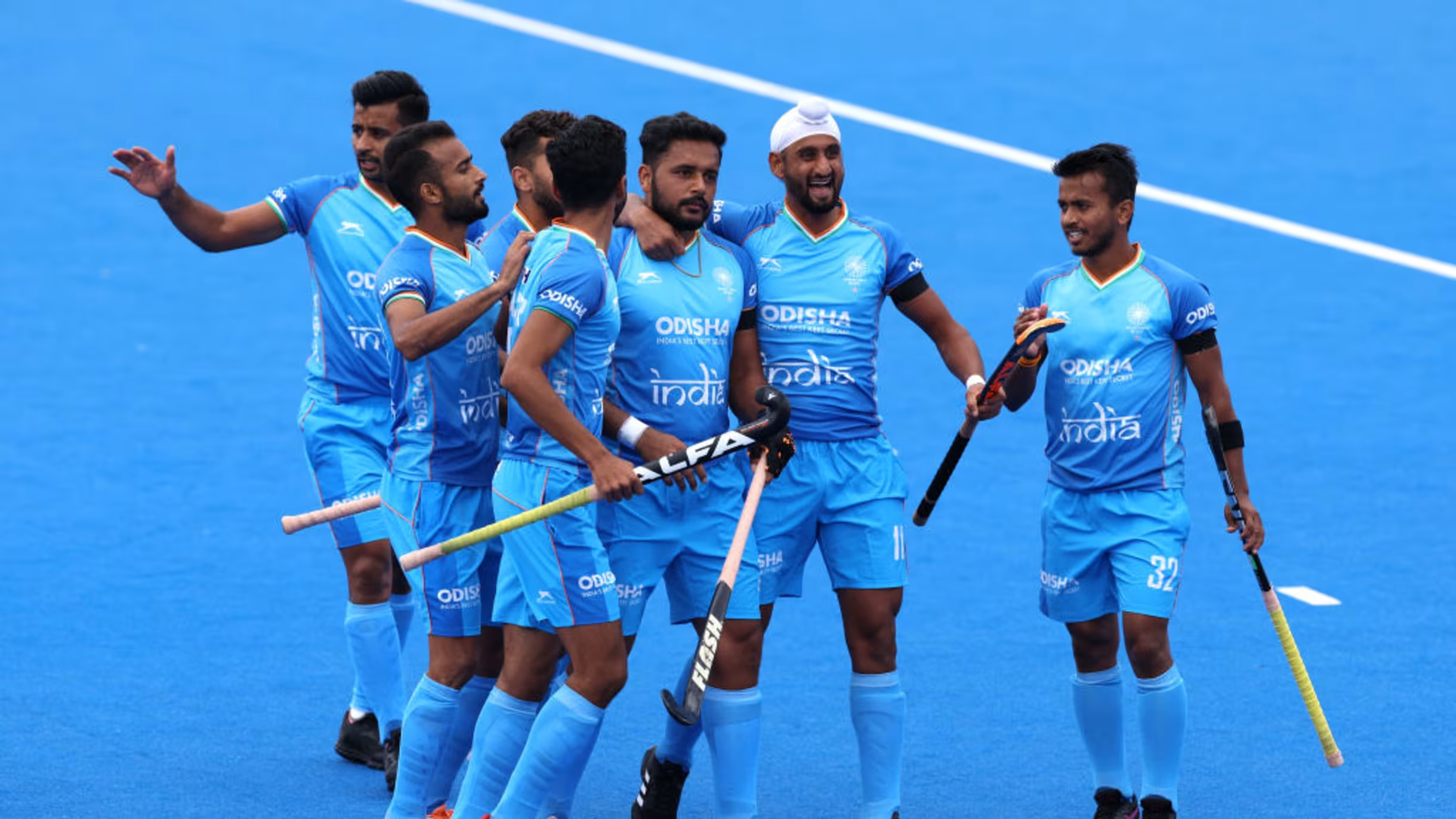
Momentum is often the most valuable currency in international sport, and the Indian men's hockey team appears to have found it just when it matters most.
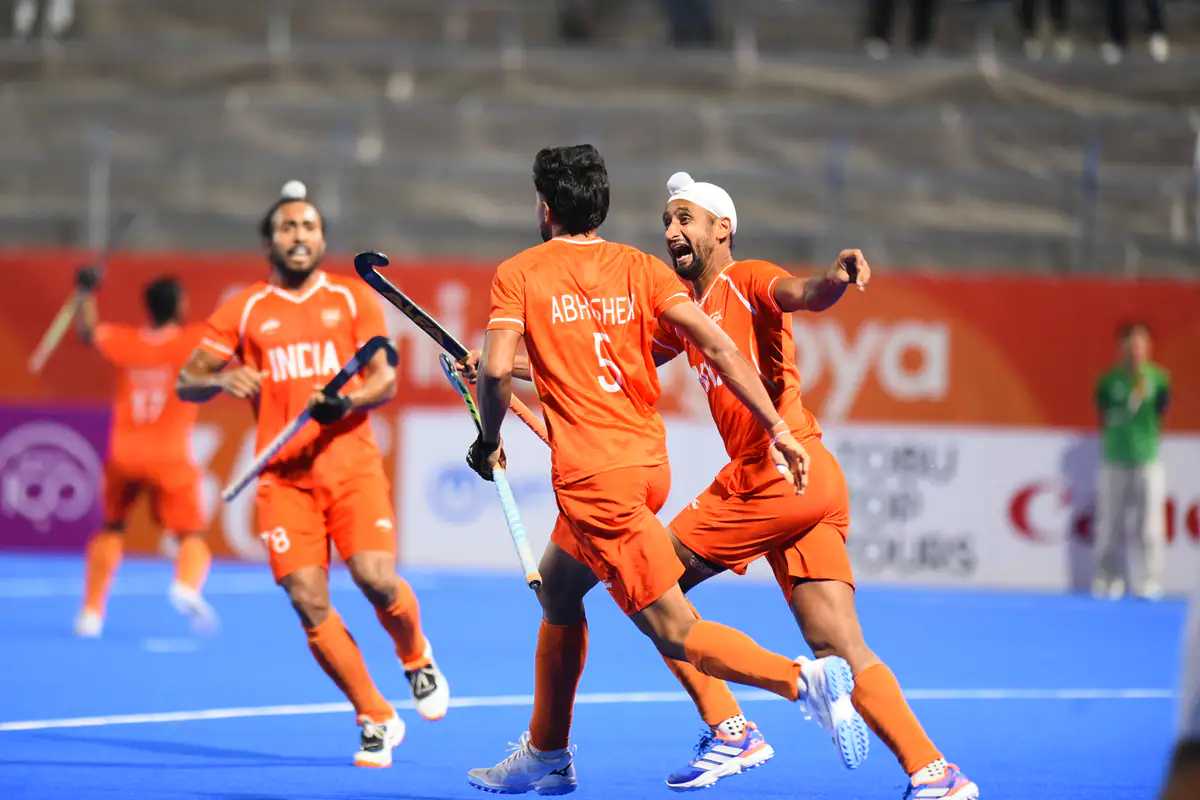
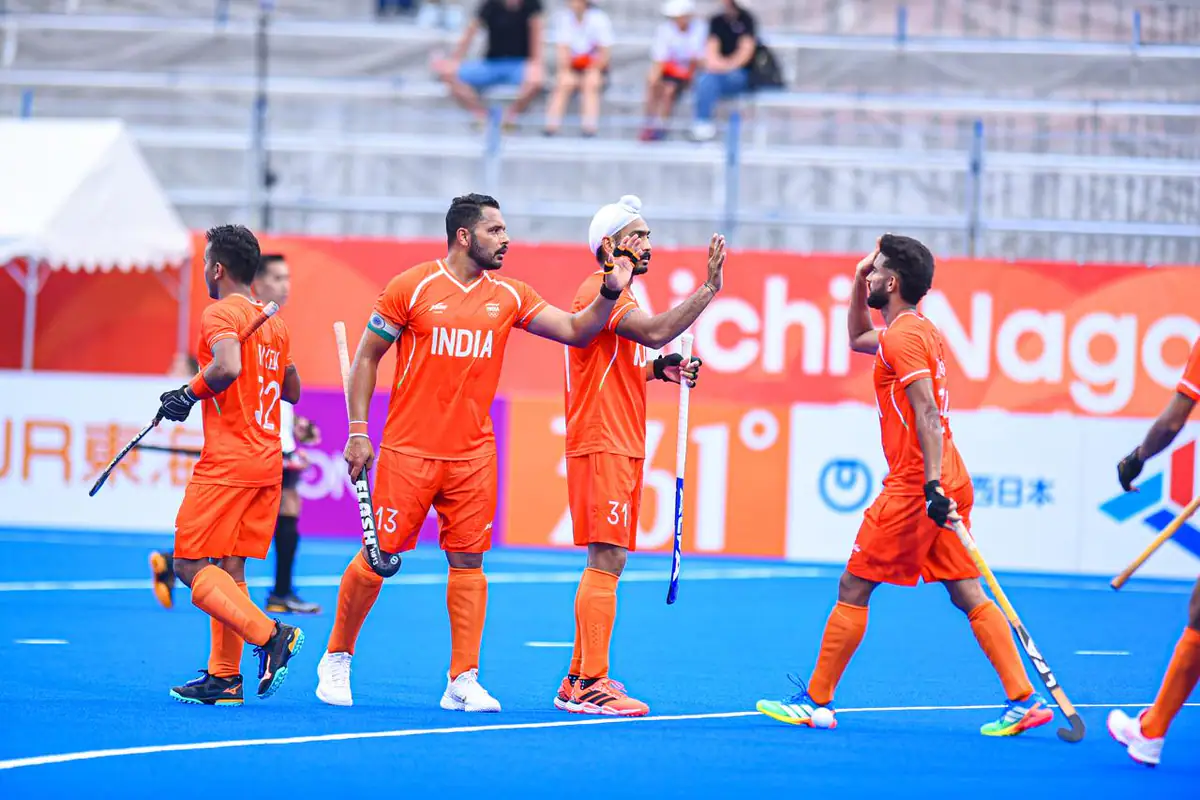
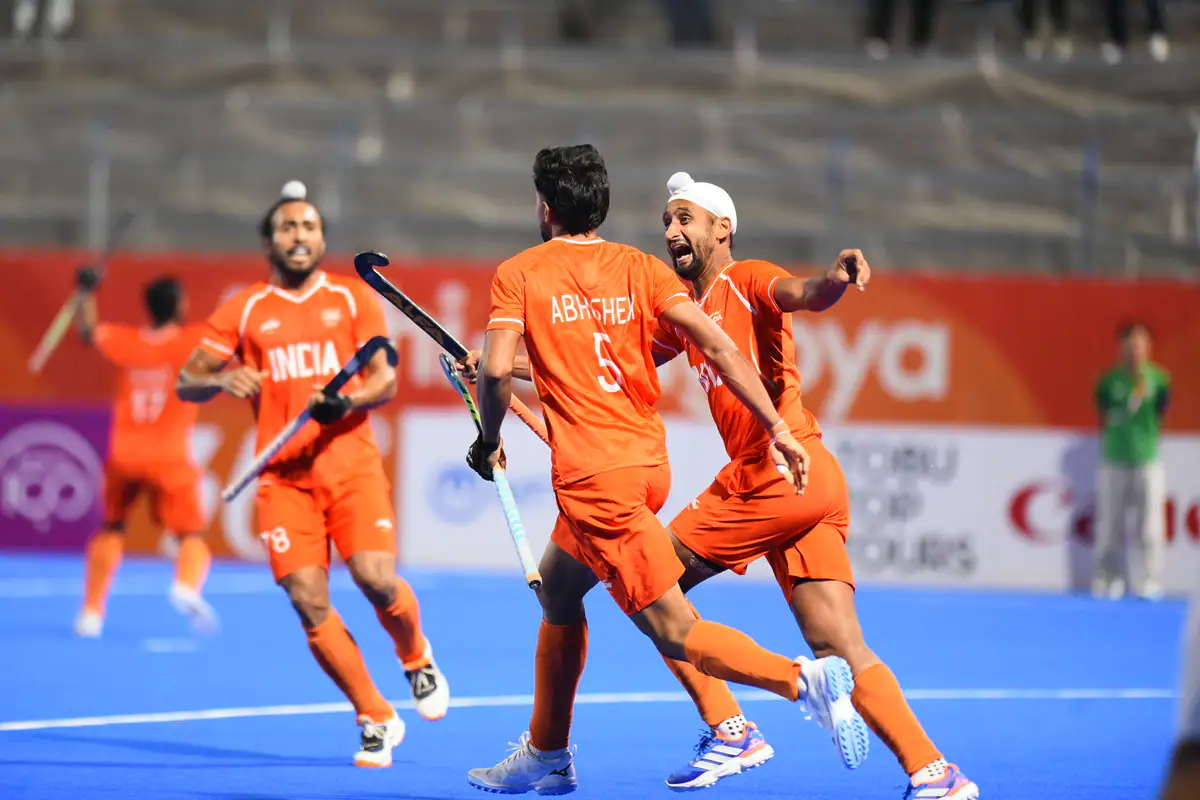
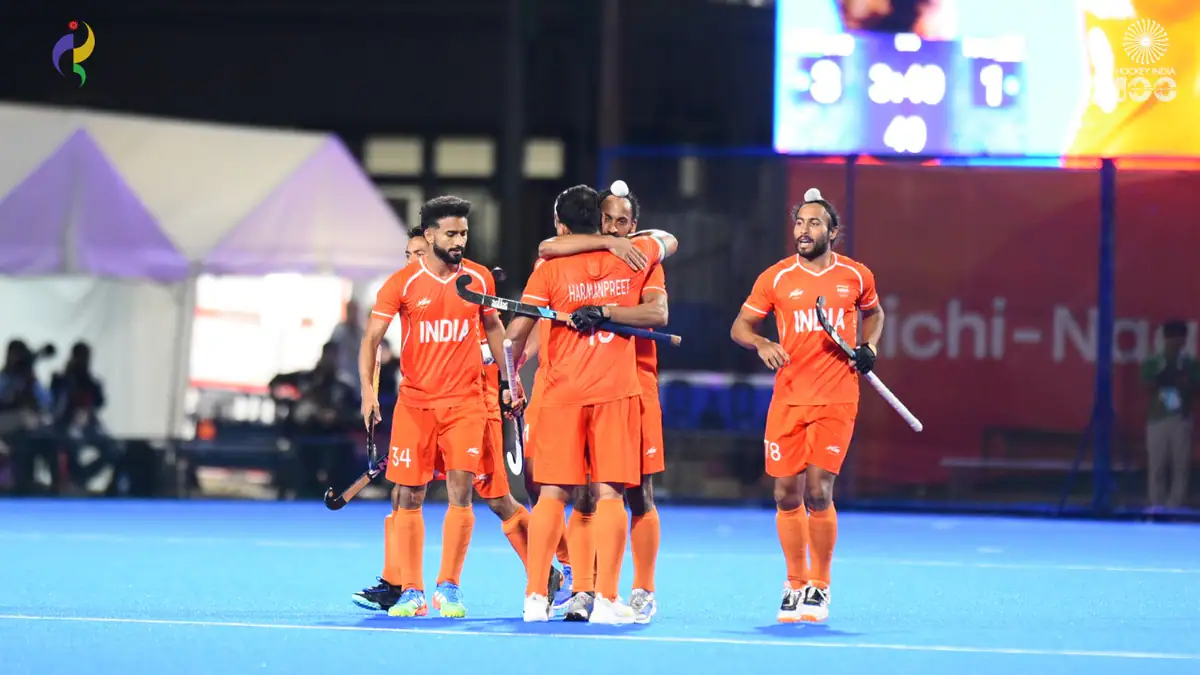
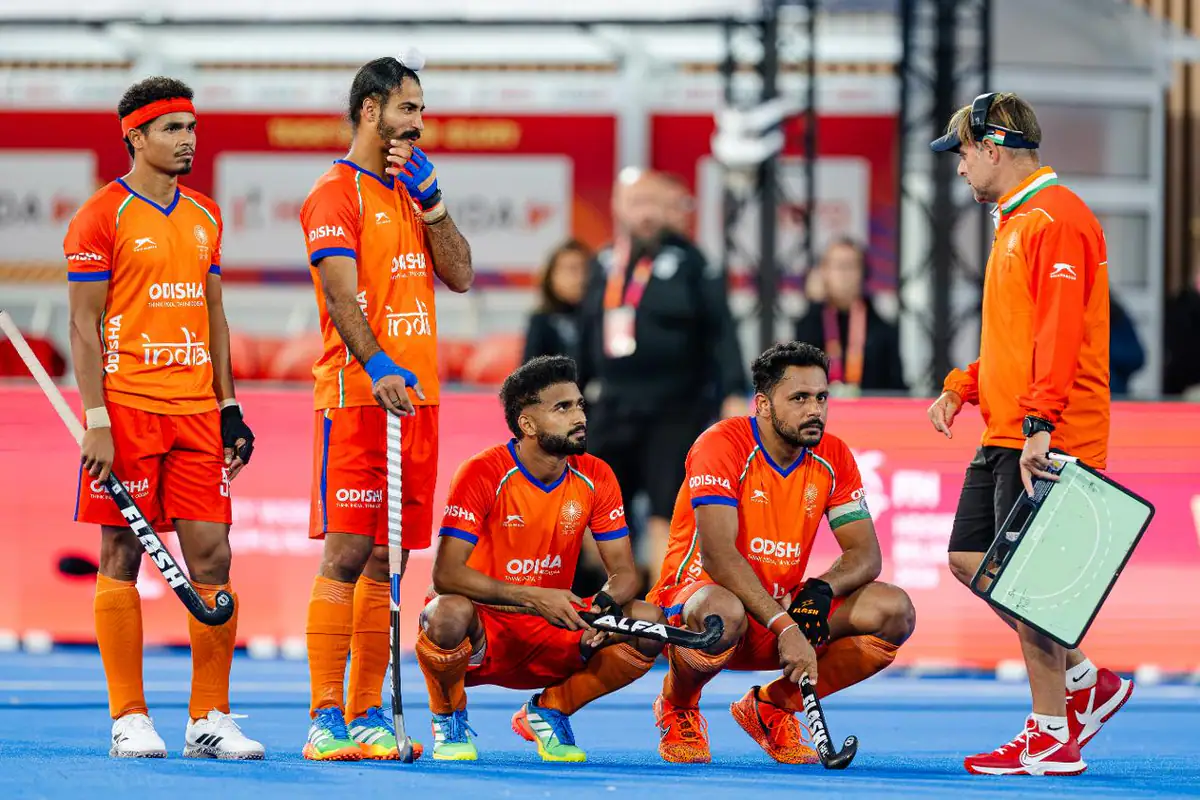
The FIH Hockey Pro League 2025-26 may not have ended with India lifting the trophy, but the team's performances during the European leg have arguably been more significant than the final standings. Victories over reigning world champions Germany and Paris 2024 Olympic champions the Netherlands, combined with resilient displays against England, suggest that India is building towards the 2026 Hockey World Cup and the Asian Games at exactly the right time.
For head coach Craig Fulton, the Pro League became less about results alone and more about shaping a team capable of consistently challenging the world's elite. Judging by the team's performances over the final month of the competition, that process appears to be paying dividends.
India's Pro League campaign did not begin according to plan. Playing at home in Rourkela, expectations were naturally high, but defeats against Belgium and Argentina exposed several areas requiring improvement. The team struggled to maintain consistency across four quarters, while defensive lapses and missed opportunities in attack prevented India from converting competitive performances into victories.
Rather than allowing those setbacks to define the campaign, however, the coaching staff viewed them as an opportunity to identify weaknesses before the crucial international competitions later in the year.
The next phase of the Pro League in Hobart, Australia, proved to be an important turning point. India opened with a 0-2 defeat to Spain, but the response demonstrated growing maturity.
A 2-2 draw against Australia was followed by another 1-1 draw with Spain, with both matches eventually slipping away in shootouts. Despite those narrow disappointments, the Indian squad continued improving. The breakthrough finally arrived in the final fixture against Australia, where India secured a 3-1 shootout victory following another hard-fought 1-1 draw.
More importantly, Hobart witnessed clear defensive progress. Across four matches, India conceded only six goals, evenly split between penalty corners and field goals. The defensive structure looked increasingly organised, while the attack also began showing signs of greater creativity.
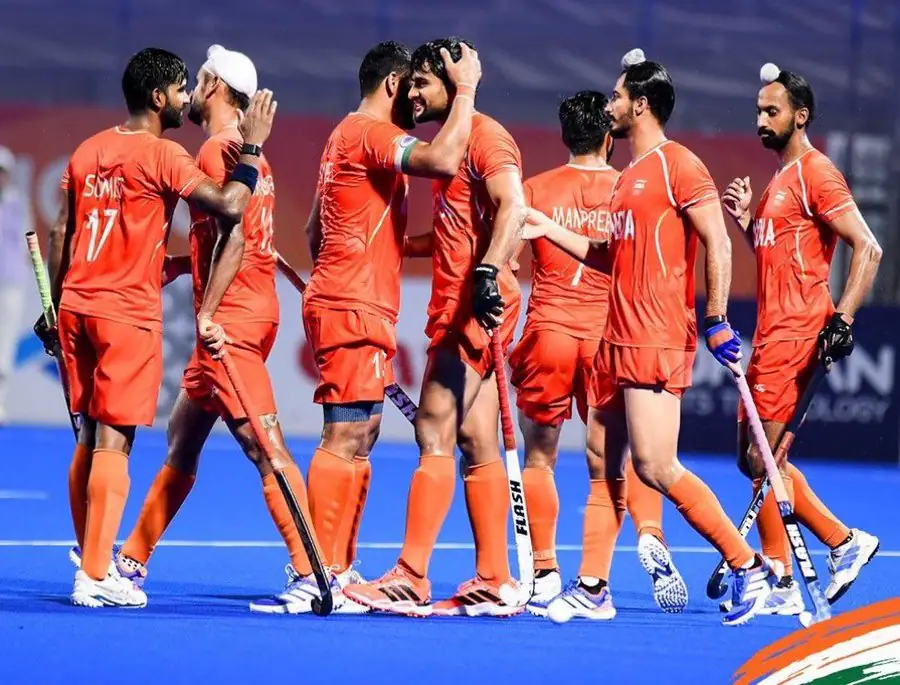
By the time the Pro League moved to Europe, India's confidence had visibly grown. The Rotterdam leg produced two of the team's biggest victories in recent years. India defeated Germany 3-1, ending the challenge of the reigning world champions with a disciplined performance that combined defensive resilience and clinical finishing. That was followed by an even more impressive 3-2 victory over Olympic champions the Netherlands, a result that demonstrated India's ability to compete with and beat the world's very best.
Across four matches in Rotterdam, India scored nine goals, with five coming from open play and four from penalty corners. Perhaps more importantly, those numbers highlighted a significant tactical evolution. For years, India relied heavily on penalty corner conversions, often through captain Harmanpreet Singh.
In Europe, however, the forwards consistently created scoring opportunities from open play, making India's attack considerably less predictable.
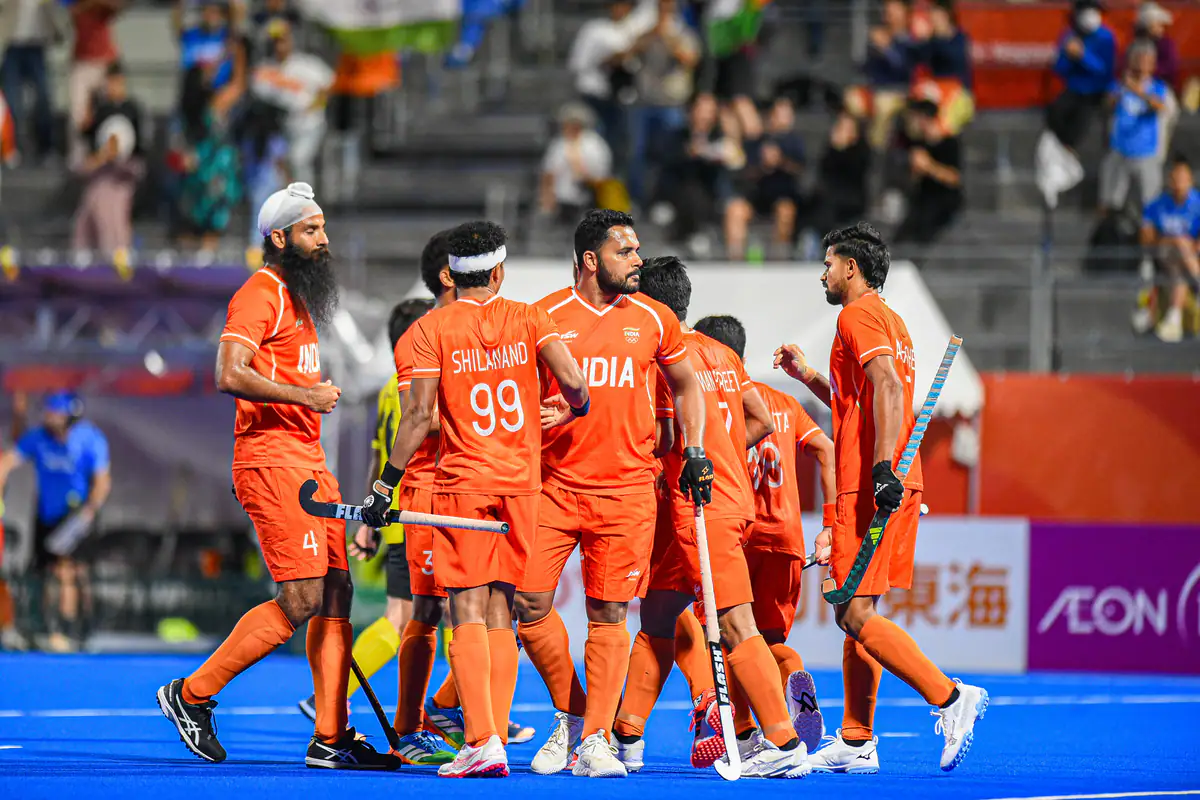
The momentum carried into London, where India remained unbeaten in regulation time across four matches against Pakistan and England. The two victories over Pakistan included a commanding 7-1 triumph, one of India's most dominant performances in recent years. Against England, currently ranked among the world's strongest teams, India twice fought their way to draws before claiming one of the contests in a shootout.
The statistics from London reflected the team's remarkable balance. India scored 13 goals, including seven field goals, five penalty-corner conversions, and one penalty stroke.
Defensively, they conceded only six goals, with just one arriving from open play. That combination of attacking variety and defensive discipline represents exactly the profile successful teams require heading into major tournaments.
Another encouraging feature of India's European campaign was the distribution of goals. Rather than depending solely on Harmanpreet Singh's drag-flicking ability, multiple players contributed consistently. Dilpreet Singh and Jugraj Singh finished as India's leading scorers with four goals each. They were closely followed by Abhishek, Sukhjeet Singh, and Nilakanta Sharma, who each found the net three times.
This spread of goals illustrates a more balanced attacking structure. Opposing teams can no longer focus exclusively on stopping one or two players, making India significantly more difficult to defend against.
Head coach Craig Fulton believes the biggest achievement from the Pro League has been the team's increasing belief.
"One of the biggest takeaways from this Pro League run has been watching the team's confidence grow," Fulton said.
Victories over Germany and the Netherlands demonstrated that India can defeat the world's best when executing its game plan effectively.
However, Fulton also emphasised that consistency remains the next challenge.
"It's a solid stepping stone heading into the World Cup and Asian Games, but we are still focused on tightening up our performance and staying consistent from quarter to quarter."
The South African coach also praised his squad's composure during pressure situations.
According to Fulton, India's ability to adjust tactically against different opponents and remain calm in tight contests will be invaluable during future global tournaments.
Captain Harmanpreet Singh, who returned after missing the Hobart leg due to personal reasons, echoed his coach's optimism. The experienced defender believes India's greatest strength is no longer confined to one department. "Our defence has stayed compact, the midfield has controlled the game well and our forwards have created good opportunities inside the circle," Harmanpreet said.
Having every department contributing consistently gives India greater flexibility heading into the biggest competitions of the cycle.
The final Pro League table may not fully reflect India's progress, but performance trends often tell a more meaningful story than standings. The campaign began with uncertainty in Rourkela, gradually improved in Hobart, and culminated in outstanding displays across Europe. Beating Germany and the Netherlands, remaining unbeaten in regulation against England and Pakistan, improving defensively, and developing multiple attacking threats all point towards a team growing in confidence.
With the 2026 Hockey World Cup and the Asian Games fast approaching, India appears to be finding its rhythm when it matters most. If the lessons learned during the Pro League continue to translate into consistent performances, the European leg may ultimately be remembered as the tournament where Craig Fulton's side transformed from contenders into genuine title challengers on the world stage.
Comments (0)
to post comments, replies, and votes.
Loading comments…