India’s Young Sticks Set for U18 Hockey Asia Cup 2026 Test as Japan’s Dominance Looms Large
.avif)
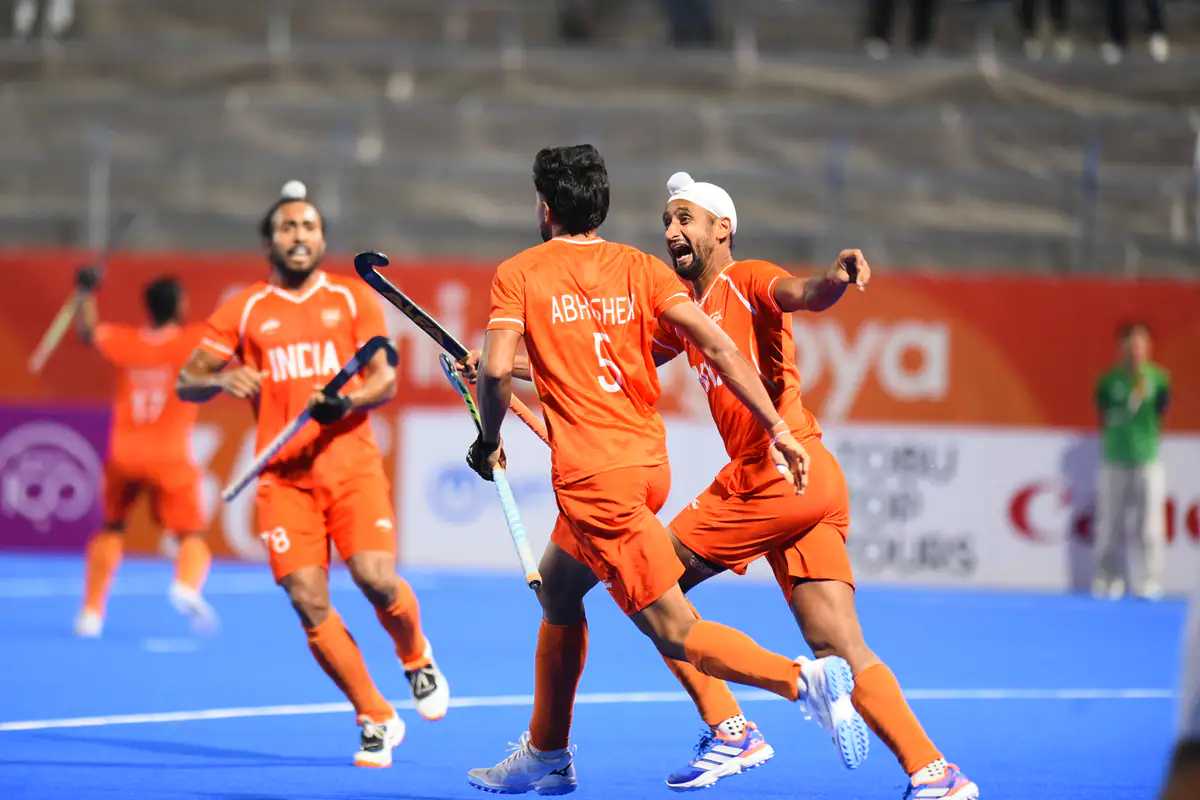
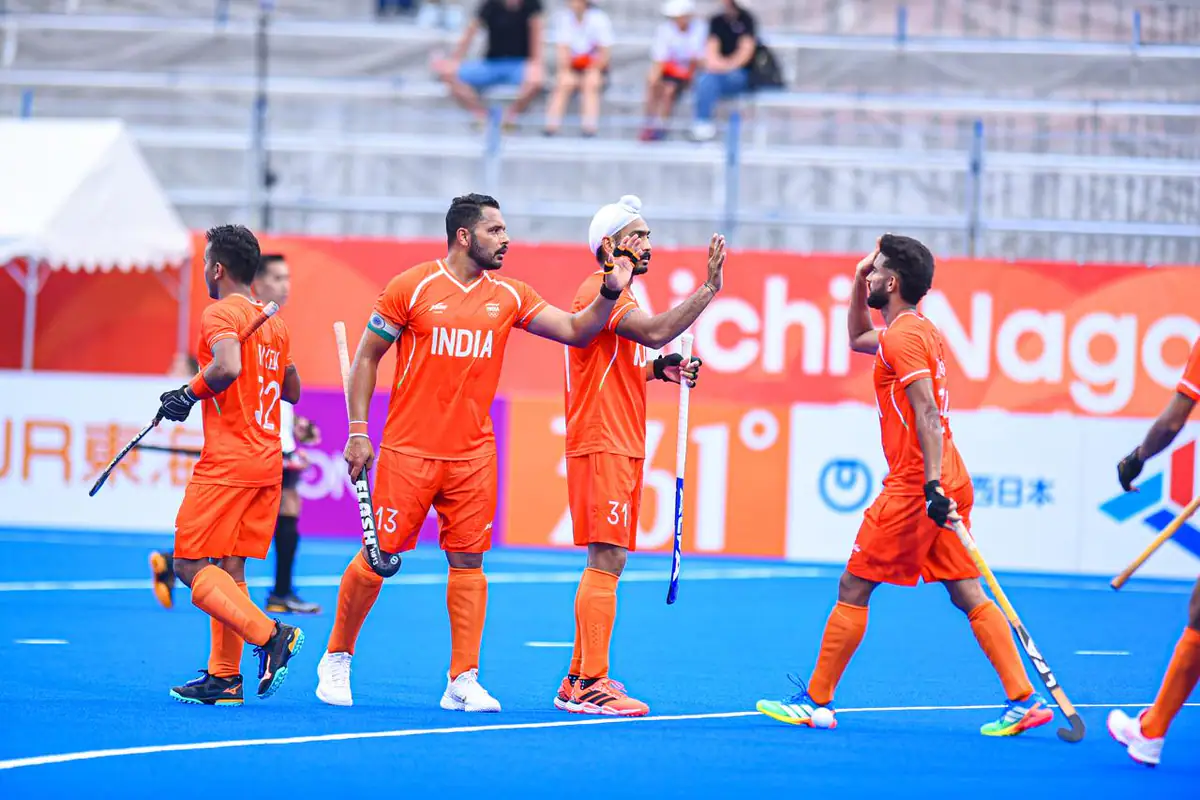
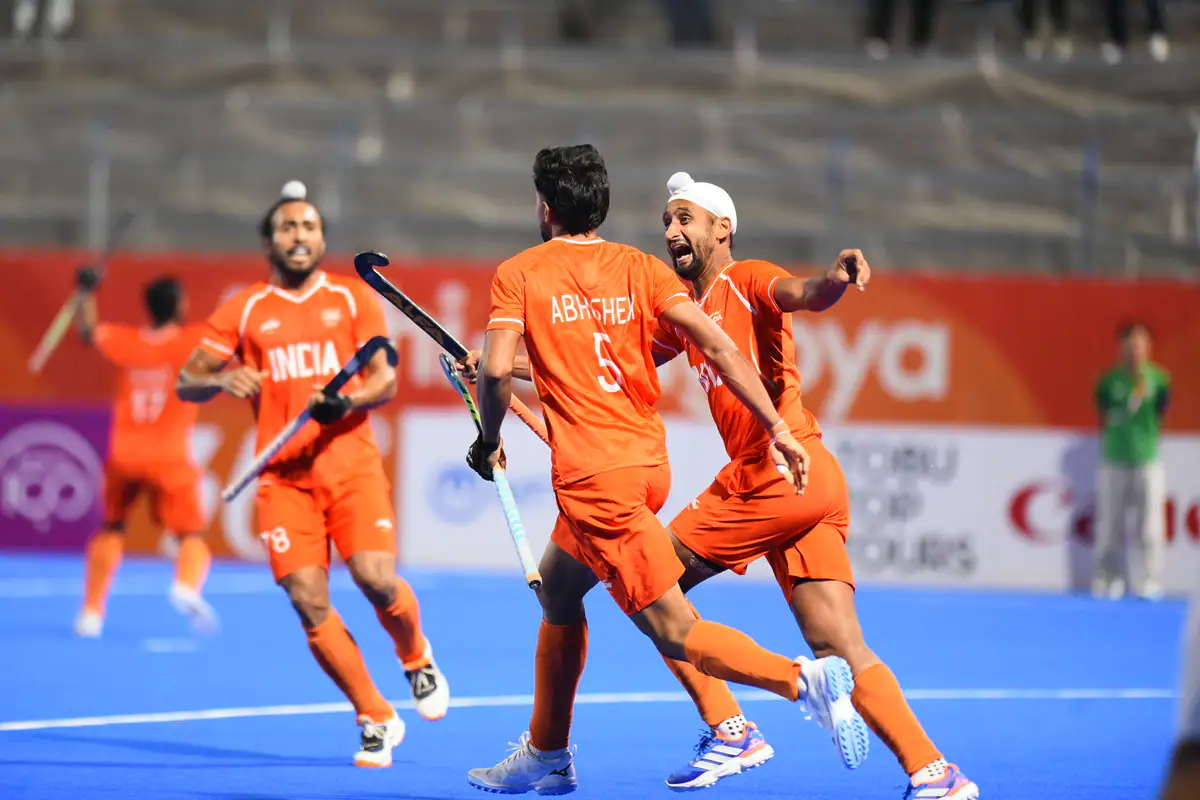
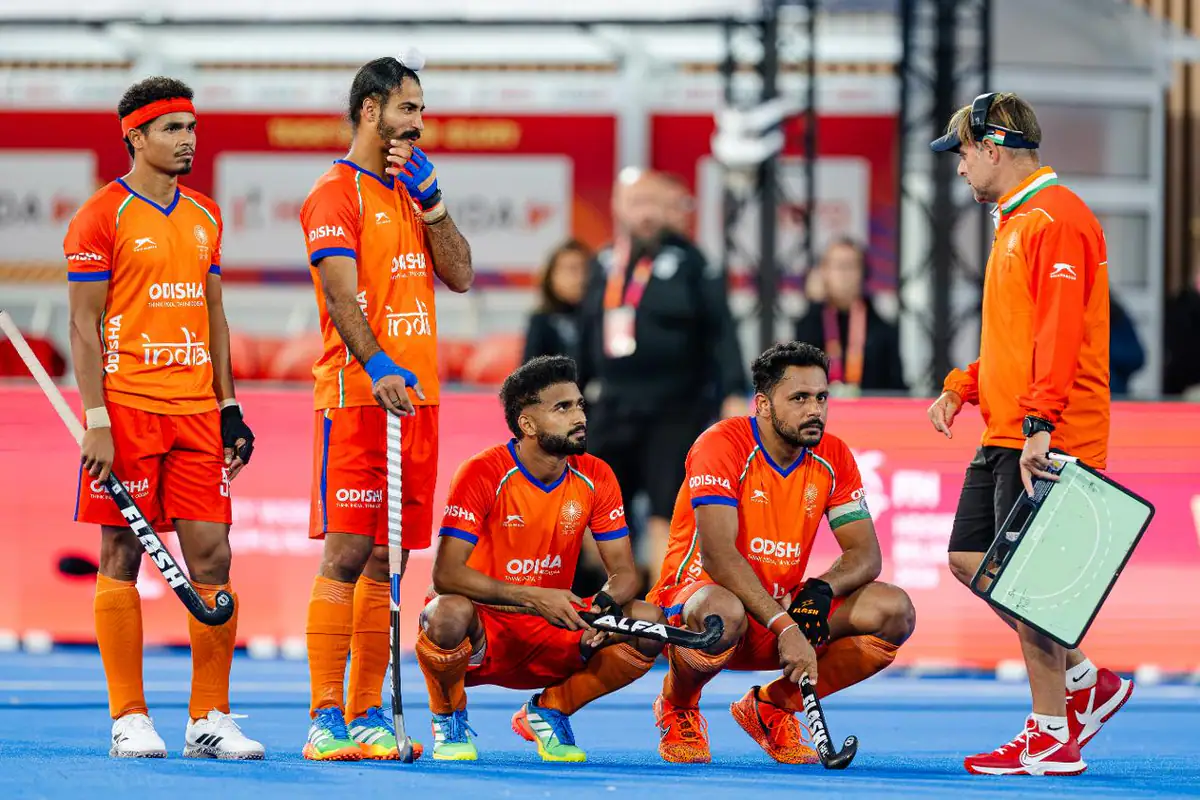
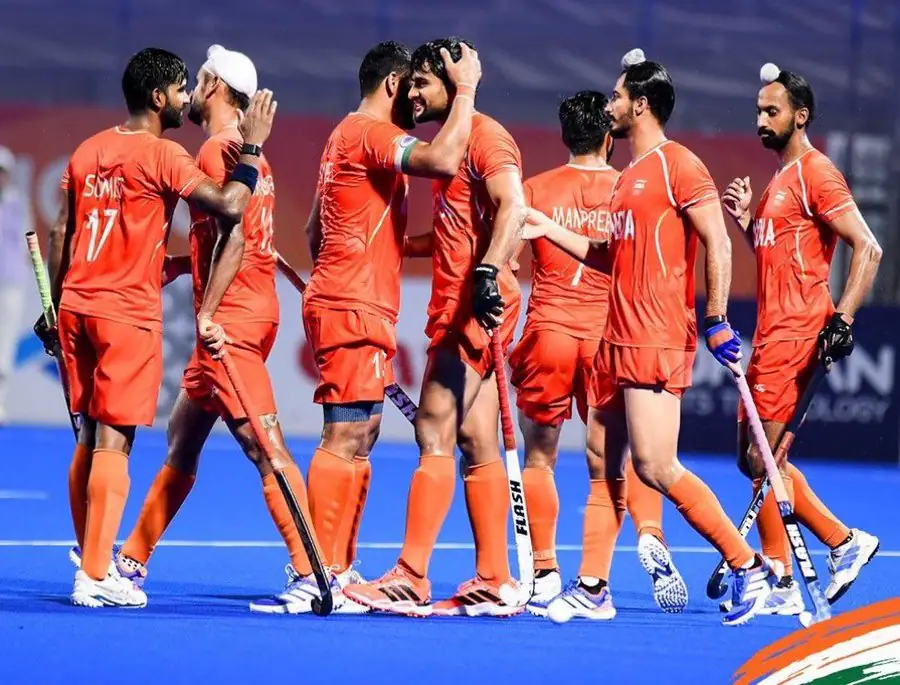
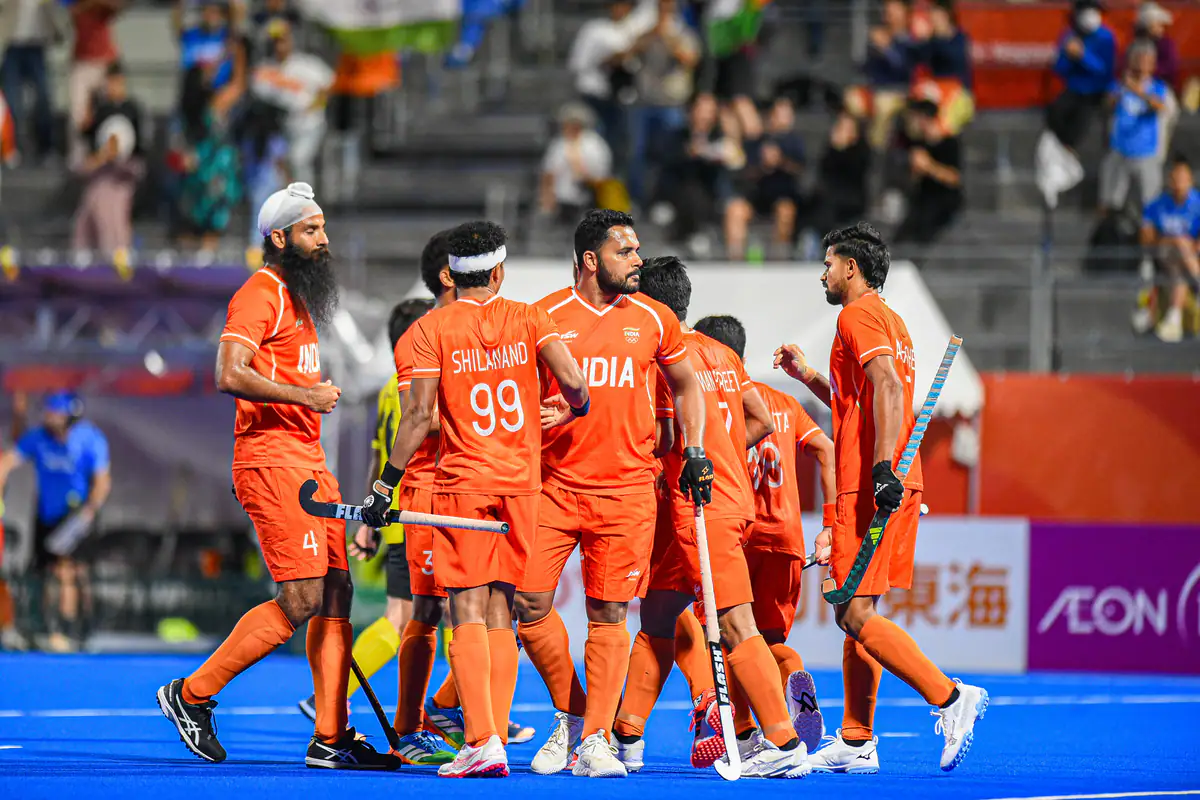
India’s next generation of hockey talent is set to take centre stage at the U18 Hockey Asia Cup 2026, with both the boys’ and girls’ teams gearing up for a demanding continental assignment.
Scheduled to begin at the end of May, the tournament will serve as a critical benchmark for India’s junior pipeline, offering not just competitive exposure but also a clearer assessment of where the country stands against Asia’s emerging powers. The stakes are particularly high given the precedent set in the previous edition, where Japan asserted its dominance in both men’s and women’s competitions. For India, the upcoming tournament is not just about results, but about bridging the gap to the top.
India’s boys’ team enters the tournament with a challenging group, featuring Kazakhstan, Japan, South Korea, and Chinese Taipei. Each opponent presents a distinct tactical test. Kazakhstan, though not traditionally among Asia’s elite, cannot be underestimated in age-group hockey where unpredictability often plays a role. Japan, however, will be the standout challenge. The defending champions arrive with a reputation built on structure, discipline, and high-tempo hockey. Their 3–0 win over Pakistan in the previous final was not just a victory, but a statement of tactical superiority.
South Korea brings a different dimension, relying heavily on pace and physicality, while Chinese Taipei often surprises with its organised defensive setups and counter-attacking play.
For India, the key will be consistency across matches. In junior tournaments, momentum can shift rapidly, and maintaining composure across a tight schedule becomes critical. The boys’ squad will need to balance attacking flair with defensive discipline an area where Japan excelled in the last edition.
Japan’s success in the 2025 edition offers a clear blueprint. Their dominance was built not on individual brilliance alone, but on collective execution. Precise passing sequences, structured pressing, and efficient finishing defined their campaign. For India, replicating that level of cohesion will be crucial. Historically, Indian teams at the junior level have showcased skill and creativity but have sometimes lacked consistency in structure. The U18 Asia Cup presents an opportunity to address that gap.
On the women’s side, India faces Malaysia, South Korea, and Singapore in the group stage a compact but competitive lineup. Malaysia has traditionally been a technically sound side, capable of controlling possession and dictating tempo. South Korea, once again, brings intensity and structured gameplay, making them one of the toughest opponents in the group. Singapore, while comparatively less experienced, cannot be overlooked in a short-format tournament.
Japan’s triumph in the previous women’s edition further raises the bar. Their narrow 1–0 win over China in the final highlighted their defensive solidity and ability to capitalise on key moments. Conceding just one goal throughout the tournament, Japan demonstrated how defensive organisation can be the foundation of success.
For India’s girls, the focus will likely be on tightening defensive transitions while improving efficiency in the final third. Youth tournaments often hinge on fine margins, and converting chances becomes critical.
While podium finishes remain the objective, the U18 Asia Cup is equally about long-term development. These players represent the next wave of Indian hockey, and performances here often shape future senior team prospects. Exposure to high-intensity international matches helps players adapt to different playing styles, improve decision-making under pressure, and understand tactical nuances. For coaching staff, it also provides valuable insights into combinations, formations, and player adaptability.
One of the defining aspects of this tournament will be how India handles structured teams like Japan and South Korea. The ability to maintain shape, execute set-pieces effectively, and manage game tempo will be critical. Another factor will be squad depth. With matches scheduled in quick succession, rotation and fitness management could influence outcomes. Teams that maintain intensity across all fixtures often gain an edge in such formats. The U18 Asia Cup 2026 offers India an opportunity to recalibrate its position in Asian junior hockey. With Japan setting the benchmark in both categories, the challenge is clear.
For the boys and girls alike, this tournament is about more than just wins it is about proving that India can match the tactical discipline, consistency, and execution of the continent’s best.
Schedule
Indian Boys Fixtures
29 May — India vs Kazakhstan
31 May — India vs Japan
1 June — India vs South Korea
3 June — India vs Chinese Taipei
Indian Girls Fixtures
30 May — India vs Malaysia
31 May — India vs South Korea
2 June — India vs Singapore
Comments (0)
to post comments, replies, and votes.
Loading comments…