Indian Gaming and Esports in 2026: Regulation, Global Ambitions and the Rise of a New Entertainment Economy
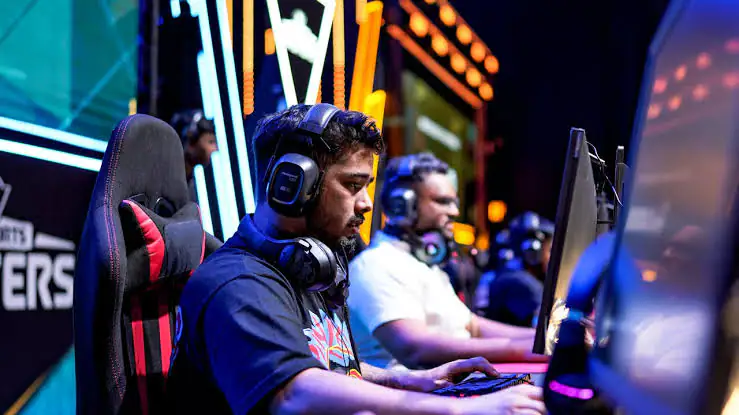
India’s gaming and esports ecosystem underwent a significant transition in 2026, with the industry’s growth increasingly extending beyond competitive gaming and mobile-first audiences.
Regulatory changes, international sporting representation, rising commercial investment, expanding creator businesses and the emergence of larger gaming enterprises shaped a year in which the sector continued moving towards greater professionalisation.
The developments also highlighted a broader change in how gaming is perceived in India. What was once largely viewed through the lens of entertainment and tournament results is now increasingly connected to sport, technology, investment, content creation and the wider digital economy.
One of the most consequential developments was the implementation of the Promotion and Regulation of Online Gaming Act, 2025, along with the accompanying Online Gaming Rules, 2026, which came into effect on May 1, 2026.
The framework introduced a structured approach to esports and online social games while prohibiting online money games. This regulatory shift has important implications for the industry's future, particularly around governance, business models, investor confidence and the distinction between competitive gaming and real-money gaming.
For esports organisations and game developers, a clearer regulatory framework could provide an opportunity to build more sustainable businesses. However, the long-term impact will depend on implementation, compliance requirements and how companies adapt their products and commercial strategies.
Esports moves further into mainstream sport
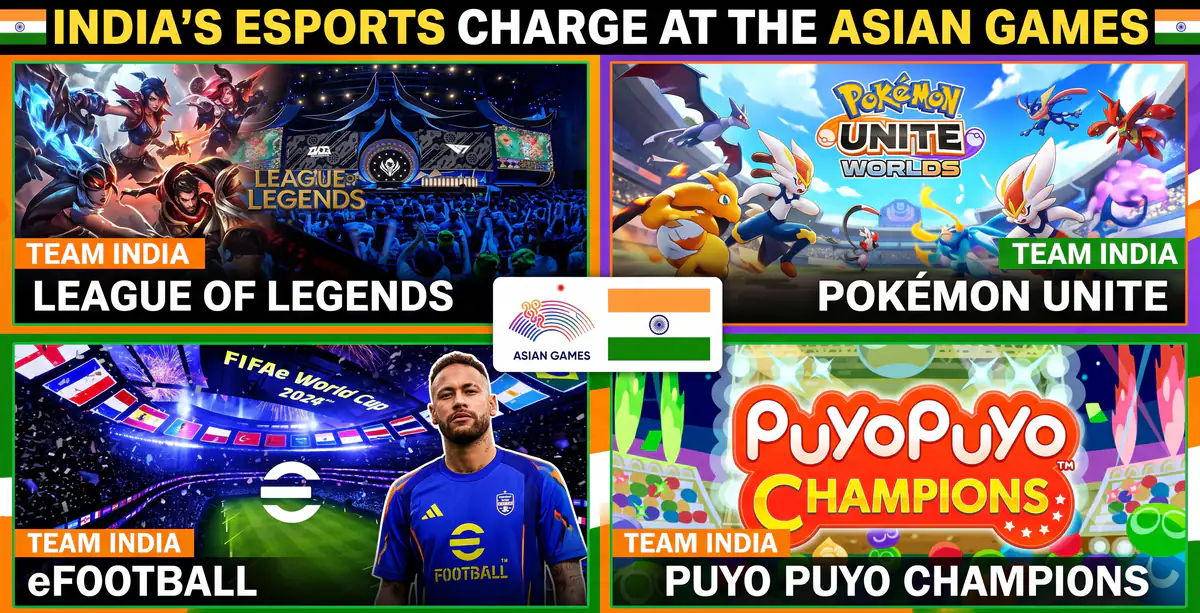
India's participation in the 2026 Asian Games marked another important step in the integration of esports into the country's sporting landscape. The Ministry of Youth Affairs and Sports approved a 15-member Indian contingent, with representation in League of Legends, Pokémon UNITE, eFootball and Puyo Puyo Champions.
The significance of this participation goes beyond the event itself. Representing India at a multi-sport competition places esports athletes within a broader national sporting framework and raises questions about training infrastructure, athlete development, selection processes and long-term support.
The challenge now is to translate international participation into a structured development pathway. Competitive gaming requires specialised coaching, consistent tournament exposure and professional support systems. Building these structures will be important if India wants to become more competitive internationally.
Indian organisations and players also competed at the Esports World Cup 2026 across multiple titles. S8UL, GodLike Esports, Global Esports, Orangutan and Revenant XSpark were among the organisations representing the country. Such exposure provides Indian players with opportunities to compete against international opposition while giving domestic organisations experience in managing teams and talent at a global level.
Another step towards structured national representation came with NODWIN Gaming's appointment as India's National Team Partner for the inaugural Esports Nations Cup 2026, scheduled for next year. The nation-based competition could create another platform for Indian players to represent the country beyond the traditional club and organisation structure.
NODWIN's growth signals business maturity
The business performance of NODWIN Gaming offers an indication of the scale the Indian gaming and youth entertainment sector is beginning to achieve.
The company reported revenue of ₹524 crore in FY25, following annual growth of more than 50 per cent since 2018. Its FY26 revenue subsequently increased by 25 per cent to ₹658 crore, while EBITDA moved from a loss of ₹14 crore to a profit of ₹21 crore.
The shift towards profitability is particularly relevant for an industry that has often prioritised audience acquisition and expansion. It suggests a growing emphasis on operating discipline, diversified revenue streams and sustainable commercial models.
NODWIN's reported $100 million pre-IPO fundraise and its focus on capital planning have also brought the IPO-readiness conversation into sharper focus. The next phase for gaming businesses will involve demonstrating that audience scale can translate into predictable revenue, profitability and long-term enterprise value.
Gaming also attracted greater participation from prominent sporting personalities and celebrities in 2026. Cricketers including Sachin Tendulkar, MS Dhoni, Jasprit Bumrah, Hardik Pandya, Shreyas Iyer, Ravindra Jadeja and Rohit Sharma invested in gaming ventures. Actors such as Mahesh Babu, Amitabh Bachchan and Samantha Ruth Prabhu also entered the ecosystem through associations with video gaming and esports businesses.
Such participation brings visibility, potential capital and access to wider audiences. It also reflects the growing recognition of gaming as a commercial category rather than a niche digital activity.
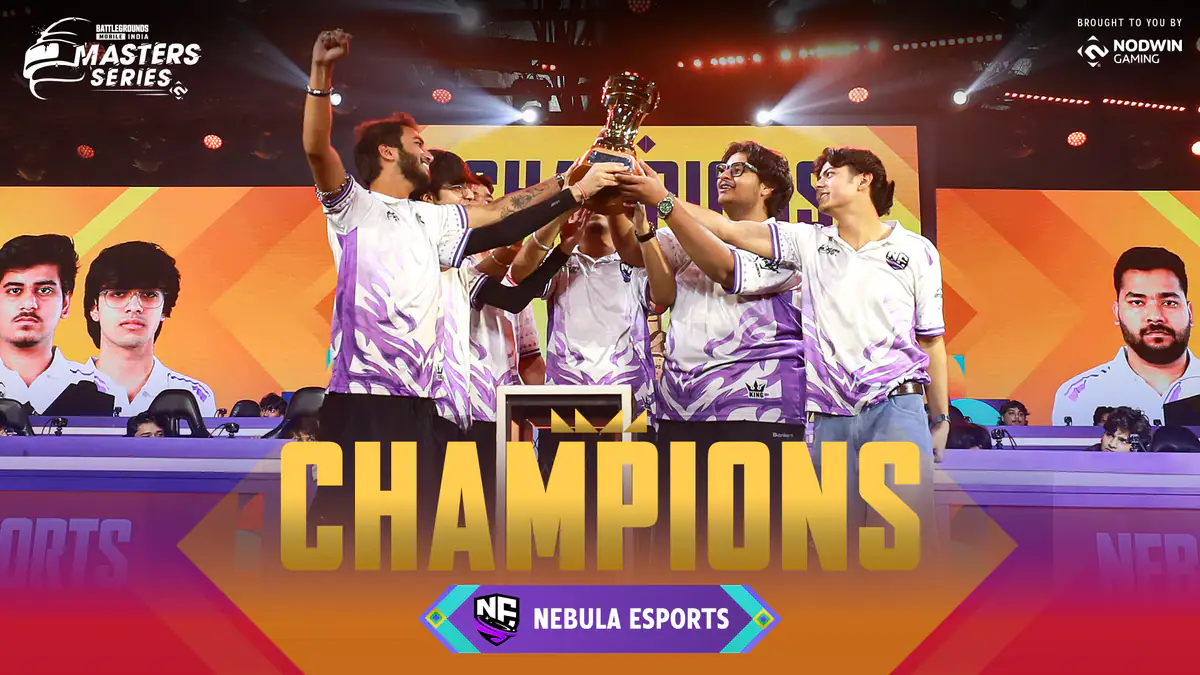
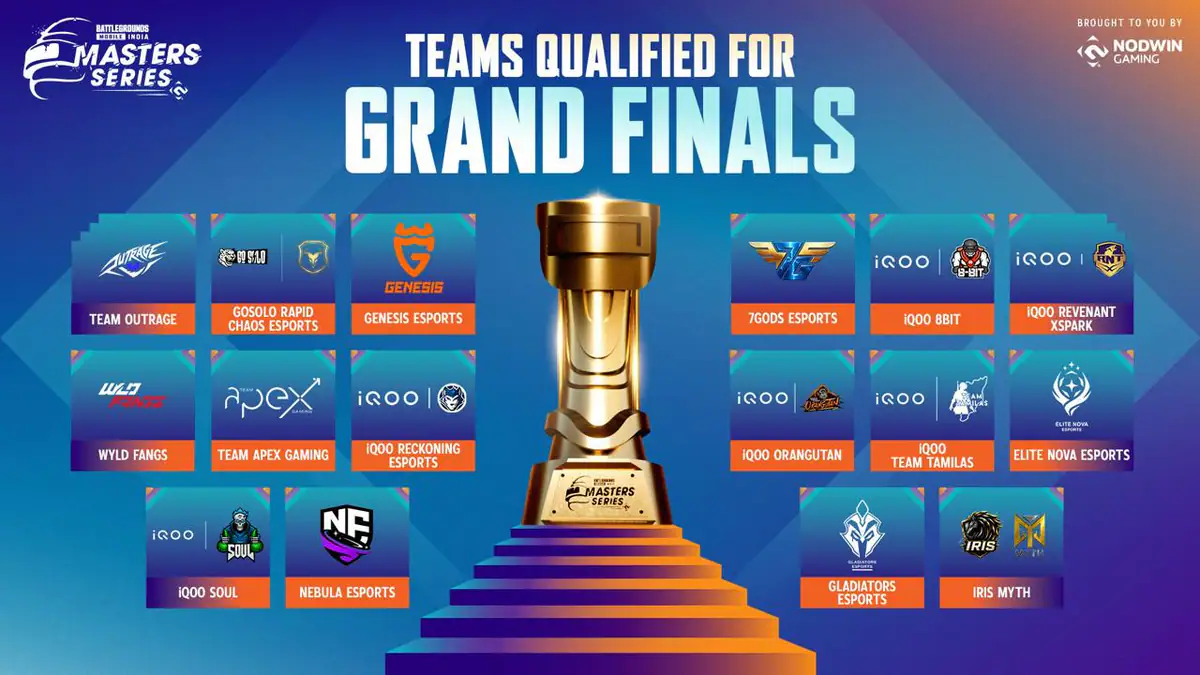
Brands across consumer goods, technology, automobiles and entertainment strengthened their presence in gaming. Campa Energy, OWND!, Universal Pictures India and Star Sports India worked with S8UL and its creators. Meanwhile, NODWIN Gaming's Battlegrounds Mobile India Masters Series Season 5 attracted partnerships from Red Bull India, TVS Motor, KICK and District, among others.
These partnerships demonstrate how gaming is becoming an increasingly relevant platform for reaching younger audiences through content, community engagement and live experiences.
The evolution of organisations such as S8UL illustrates another important trend: esports businesses are expanding beyond competitive teams into creator management, content production, brand partnerships and community-led entertainment.
Creators are increasingly building businesses around their audiences rather than depending exclusively on content revenue. Talent management, sponsorships, merchandise, collaborations and intellectual property are becoming important parts of this transition.
For organisations, this diversification can reduce dependence on tournament results and create more consistent commercial opportunities. For creators, it offers a route towards building longer-term enterprises.
The next frontier: PC gaming, cloud gaming and GTA 6
India's gaming opportunity also extends beyond esports. PC gaming remains relevant as players explore hardware upgrades and more demanding titles, although affordability and access to high-performance systems remain important considerations.
Globally, cloud gaming is emerging as a fast-growing segment, while subscriptions, in-game purchases and live-service models are becoming increasingly important to monetisation. For India, the opportunity will depend on infrastructure, internet access, device affordability and the willingness of consumers to pay for premium gaming experiences.
The scheduled November 19 launch of Grand Theft Auto VI is another major moment for the global industry. For Indian creators and streaming platforms, the release could drive livestream viewership, creator collaborations and community engagement. Its impact will extend beyond game sales, offering a glimpse into how major international releases shape gaming culture and content consumption in India.
The defining story of Indian gaming in 2026 is not any single tournament, investment or regulatory announcement. It is the convergence of several developments that are changing the industry's structure.
Esports is gaining greater sporting recognition, organisations are pursuing more dbusiness models, creators are becoming entrepreneurs and brands are treating gaming as a serious engagement platform. At the same time, regulatory clarity and the pursuit of profitability are placing greater emphasis on governance and sustainable growth.
India's next challenge will be to convert its large gaming audience and growing international visibility into globally competitive companies, players, creators and intellectual property. The foundations are taking shape; the next phase will be measured by how effectively the ecosystem turns participation and scale into lasting value.
Comments (0)
to post comments, replies, and votes.
Loading comments…