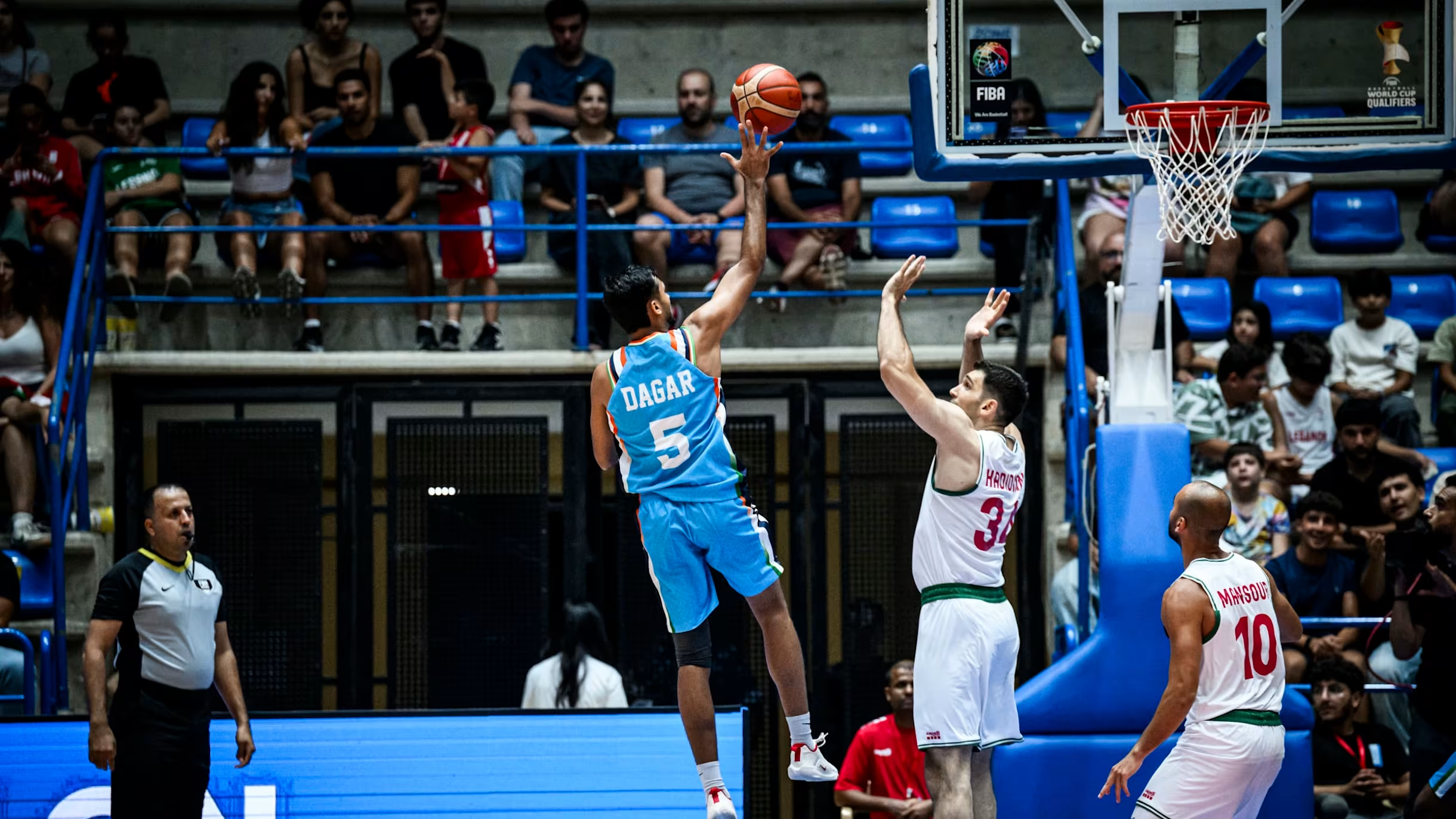
Indian U18 Basketball Teams Dominate SABA Qualifiers With Statement Victories
India’s young basketball teams continued their dominant run at the FIBA U18 Asia Cup SABA Qualifiers 2026 with a series of emphatic victories, underlining the growing strength of the country’s youth basketball structure.
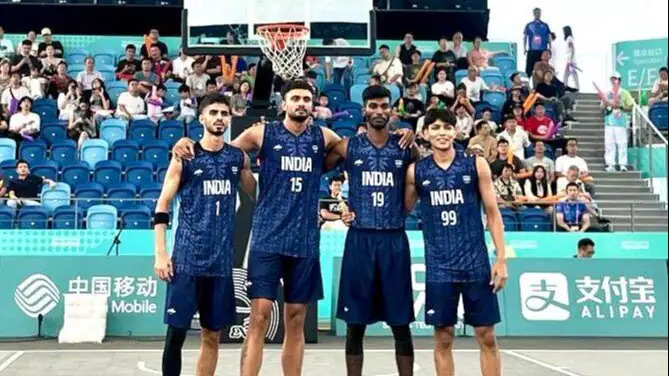
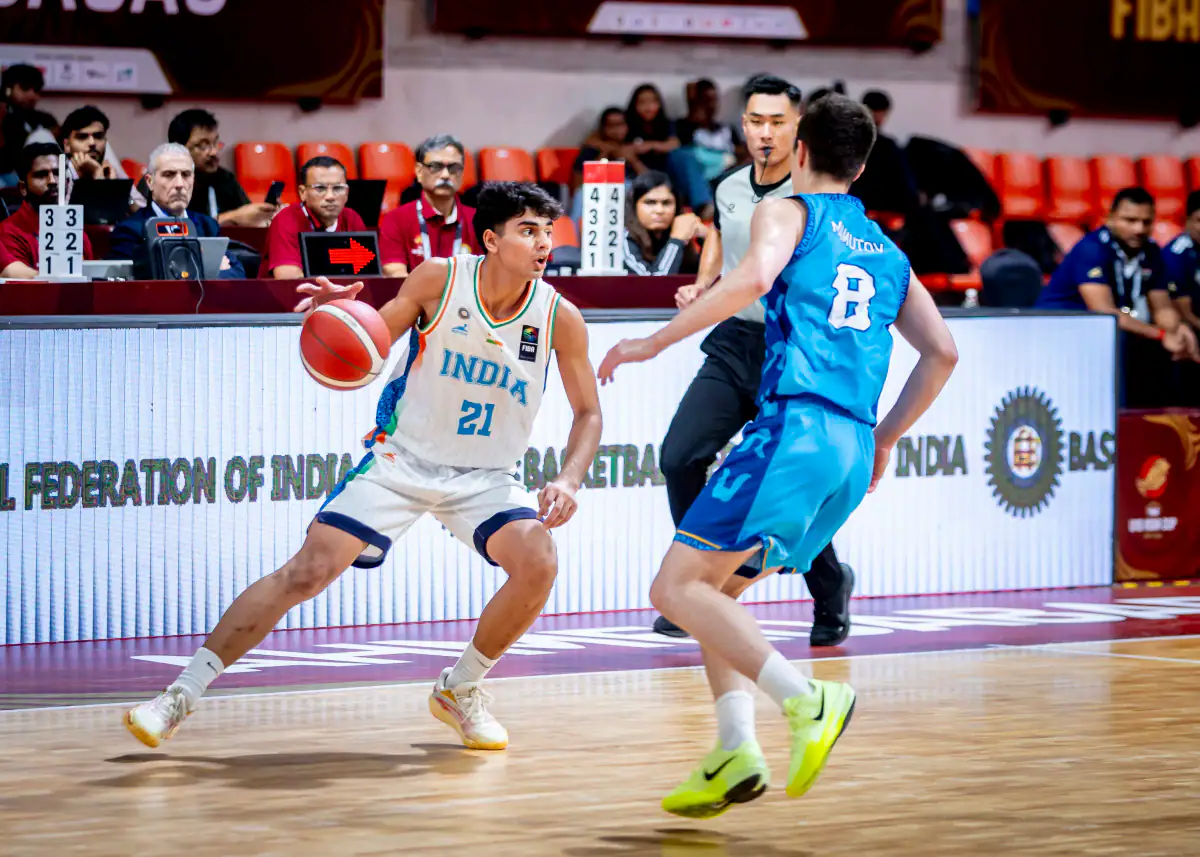
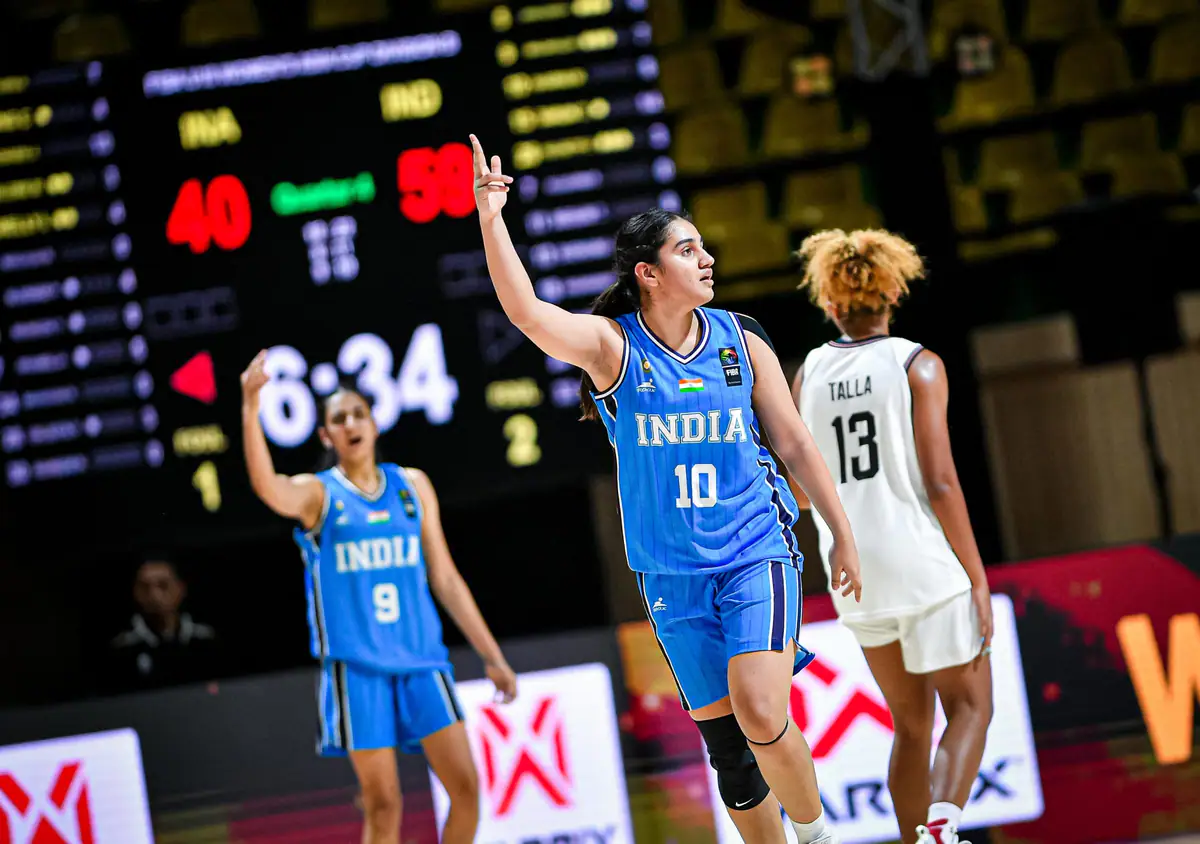
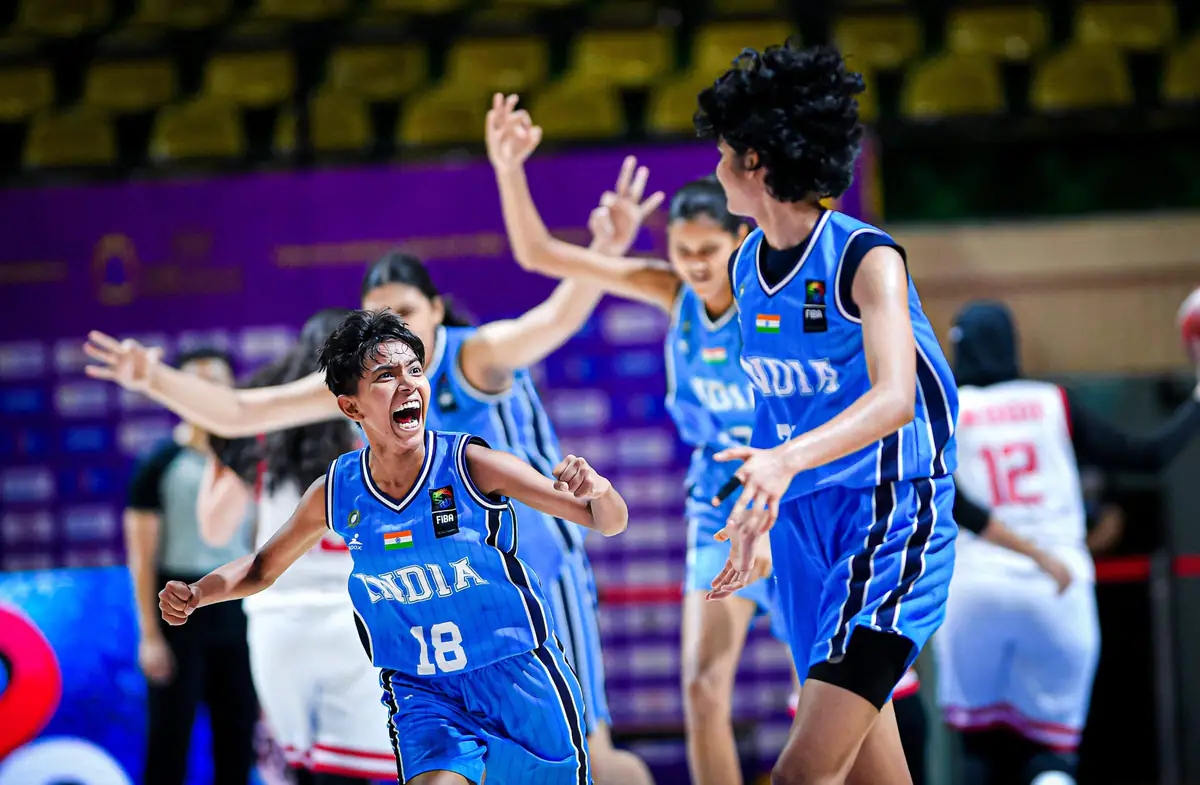
The Indian U18 men’s team followed up their massive opening-game victory against Maldives with another crushing performance, defeating Bangladesh 104-31 in their second match of the competition. Meanwhile, the Indian U18 women’s team also impressed with a commanding 74-44 victory over Sri Lanka. Across all three matches played so far by the men’s and women’s teams combined, India has looked physically superior, tactically organised and far more aggressive than their regional opponents.
After opening their campaign with a dominant 130-60 victory over Maldives, the Indian U18 men once again delivered a one-sided performance against Bangladesh. The 104-31 result highlighted the gulf in quality between the two sides as India completely controlled the game from start to finish.
India’s defensive intensity stood out immediately. Bangladesh struggled to handle the pressure applied across the court, repeatedly turning over possession under India’s aggressive defensive setup. The Indian side also maintained an extremely high pace offensively, pushing in transition whenever opportunities emerged and constantly attacking the rim. What made the victory even more impressive was the collective nature of the performance.
Rather than relying on individual brilliance, India rotated effectively, shared minutes across the roster and continued scoring consistently regardless of personnel changes on court. That depth is particularly encouraging for Indian basketball because youth tournaments often become heavily dependent on one or two standout players. India instead looked like a complete team system.
The numbers themselves underline India’s dominance. Across their opening two games India scored 234 points, Conceded just 91 points & Won by a combined margin of 143 points. Those are extraordinary margins even at youth international level. The Indian team has not only outscored opponents comfortably but also controlled games physically, athletically and tactically.
Perhaps the most positive sign for Indian basketball has been the team’s defensive identity. In modern international basketball, defensive structure and transition discipline are often the clearest indicators of coaching quality at junior level. India’s ability to force turnovers, disrupt passing lanes and maintain energy throughout games has been particularly noticeable in the SABA qualifiers so far.
Bangladesh simply could not find rhythm offensively against India’s pressure.
The Indian players consistently rotated well defensively, contested shots aggressively and converted defensive stops into fast-break opportunities.
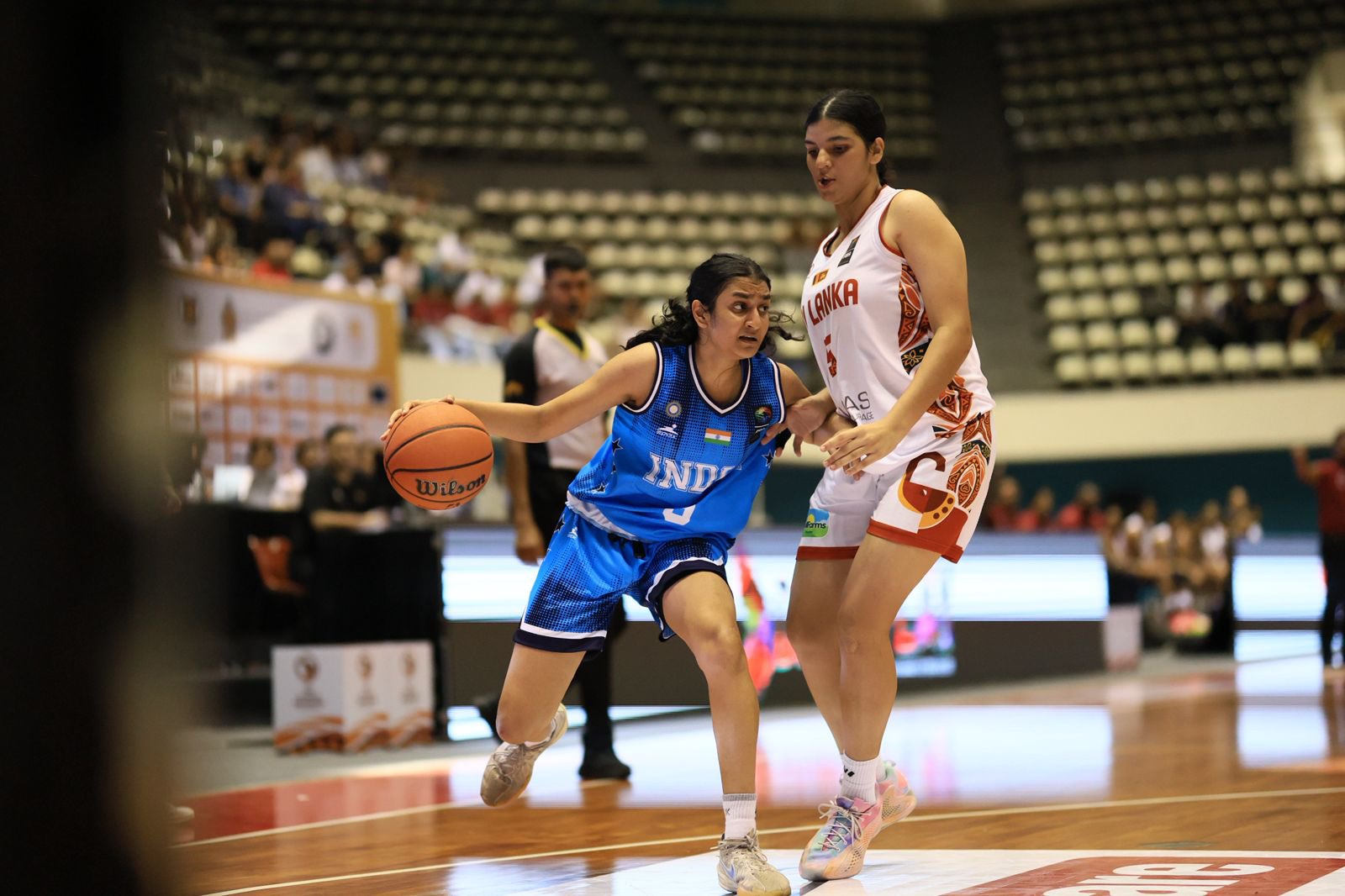
India’s U18 women’s national basketball team also made a strong statement with a dominant 74-44 victory over Sri Lanka. Just like the men’s side, the Indian women controlled the tempo throughout the contest through aggressive defense and quick offensive transitions. The 30-point margin reflected India’s superiority in almost every department.
The team displayed excellent ball movement offensively while also maintaining composure during half-court possessions something often lacking at youth level. India’s fast-break execution particularly troubled Sri Lanka repeatedly during the game, with the Indian players consistently capitalising on turnovers and defensive rebounds.
These results may come against regional opposition, but they still matter significantly for Indian basketball. For years, one of the major concerns around Indian basketball development was inconsistency at youth international level. India would occasionally produce talented individuals but struggled to establish sustained team structures across age groups.
https://www.indiasportshub.com/articles/india-to-host-fiba-u18-asia-cup-2026-in-ahmedabad
That situation now appears to be gradually changing. Over the last few years, India’s youth basketball ecosystem has improved through increased exposure tours, academy systems and more structured grassroots competitions. The benefits of that investment are increasingly becoming visible at tournaments like the SABA qualifiers.
The SABA qualifiers are important not only because they determine qualification but also because they provide crucial international match experience before facing stronger Asian opposition later. Teams like China, Australia, New Zealand, Japan and South Korea operate at a completely different level physically and tactically in Asian basketball.
For India, dominating South Asian opponents is expected. The bigger objective is building confidence, chemistry and competitive habits before facing Asia’s elite programs.
That is where these victories become valuable. One of the most encouraging aspects of India’s performances has been the emphasis on team basketball rather than isolation-heavy play. The players have moved the ball well, defended collectively and shown good understanding in transition situations. At youth level, that reflects strong coaching fundamentals. The Indian men’s team especially has looked disciplined in maintaining offensive spacing and defensive communication two areas that often separate organised international teams from developing programs.
While the victories have been dominant, tougher challenges are undoubtedly coming. Regional dominance does not automatically translate into continental competitiveness.
However, the manner of India’s performances will still give confidence to coaches, players and administrators heading into the later stages of the competition. Most importantly, the young Indian players are beginning to play with authority rather than simply reacting to opposition. That mentality shift is essential if Indian basketball wants to progress consistently at the Asian level.
For now, though, India’s U18 teams have done exactly what strong teams are expected to do dominate the competition in front of them and announce themselves as serious contenders.
Comments (0)
to post comments, replies, and votes.
Loading comments…