Jensi Kanabar Makes History as India's Youngest Professional Tennis Finalist at 14
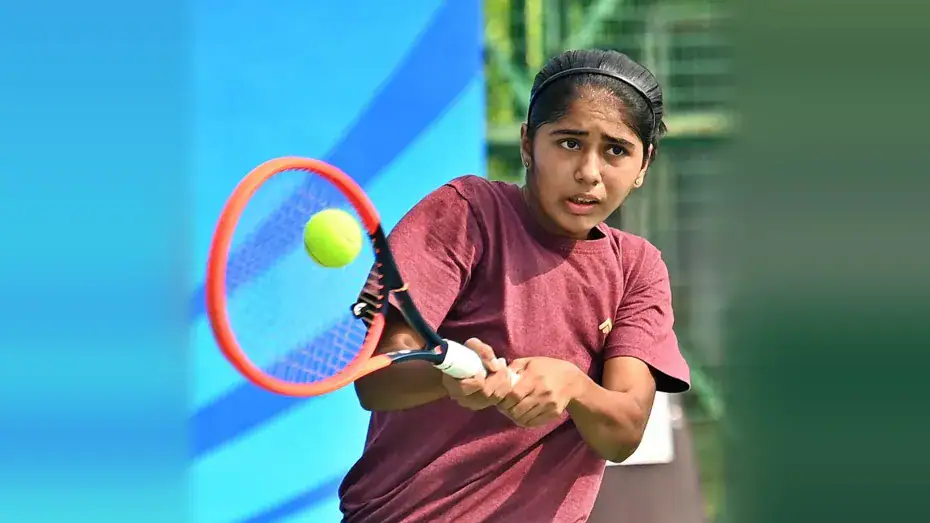
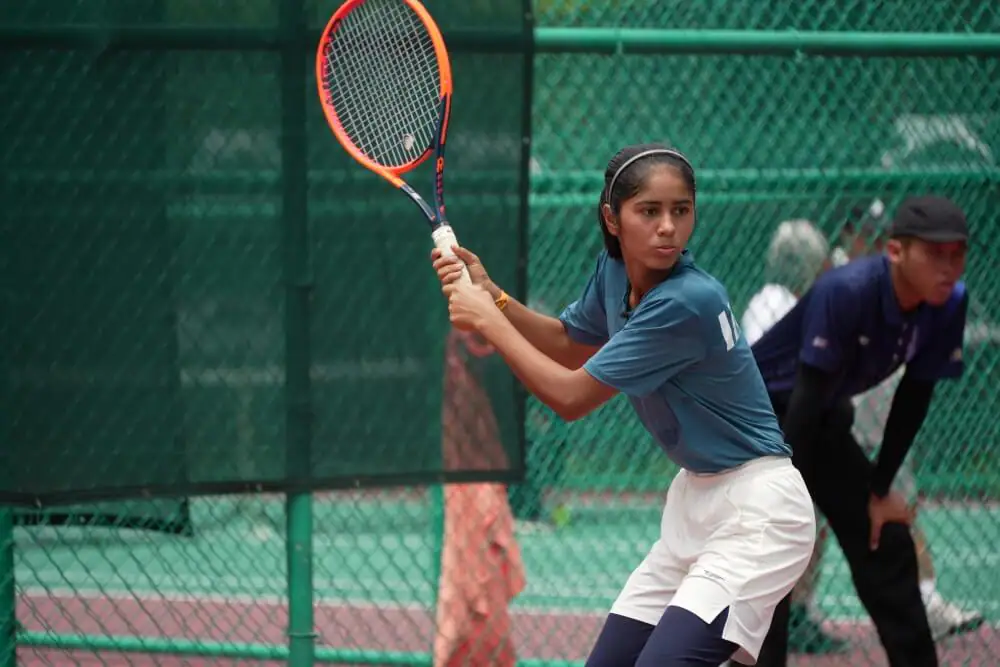
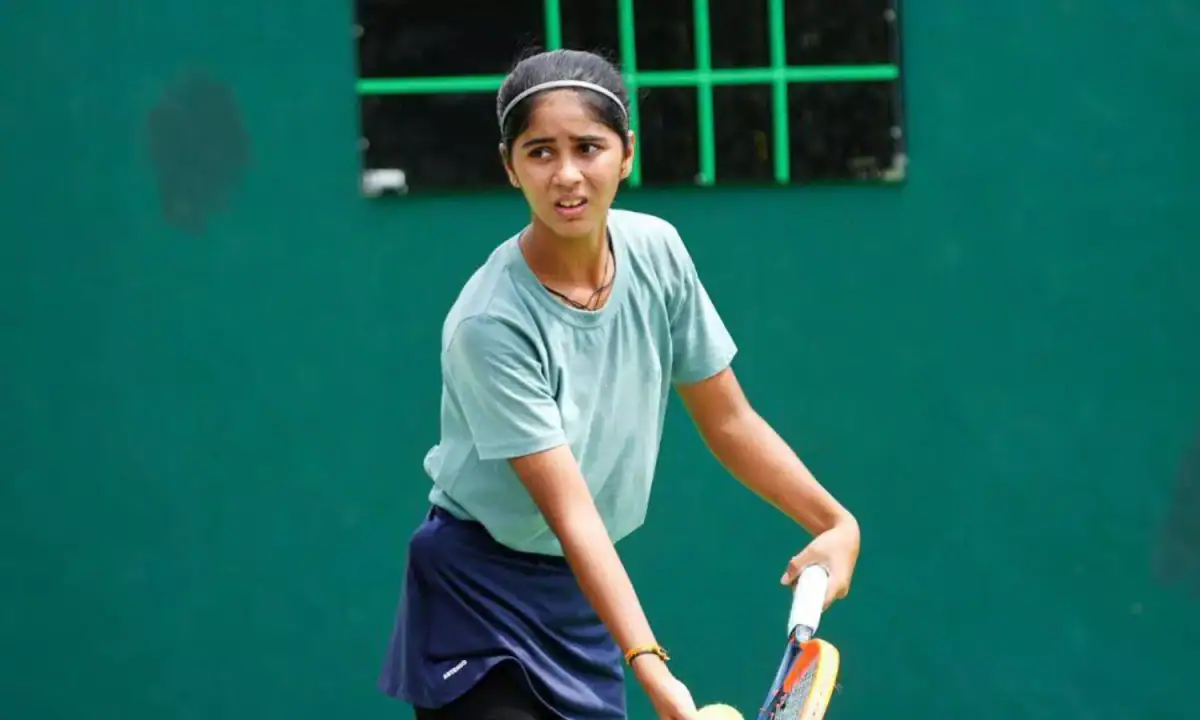
Indian tennis witnessed the emergence of a remarkable young talent at the ITF W15 Kolkata as 14-year-old Jensi Dipakhai Kanabar became the youngest Indian to reach a singles final on the professional tennis circuit.
Although her impressive run ended with a defeat against Indonesia's top seed Priska Madelyn Nugroho, Kanabar's achievement represents a significant milestone for Indian tennis.
Nugroho secured the women's singles title with a 6-3, 6-1 victory in the final, bringing an end to Kanabar's memorable week in Kolkata. The Indonesian, who entered the tournament as the top seed, demonstrated her experience and composure to win in straight sets. But the result could not overshadow the significance of Kanabar's breakthrough.
At just 14 years and 11 months, the Indian teenager has established a new benchmark by reaching a professional singles final at such a young age.
Kanabar's achievement is particularly notable because she has become the youngest Indian woman to reach a professional singles final, surpassing the previous benchmark associated with Sania Mirza. The teenager's journey to the final was built on consistent performances throughout the tournament. She reached the championship match without dropping a set, an impressive accomplishment given the physical and competitive demands of professional tennis.
Her campaign also included a notable victory over the fourth seed, demonstrating her ability to compete against more experienced opponents. For a player still in her early teenage years, reaching a professional final represents an important step in her transition towards senior-level competition.
Kanabar is a left-handed player and is also ranked as the world's leading under-14 player according to the Universal Tennis Rating (UTR) rankings cited in the tournament coverage. Her progress in Kolkata adds another significant achievement to an already promising early career.
Nugroho's experience proves decisive in the final
While Kanabar's run captured attention, Priska Madelyn Nugroho delivered a performance befitting her top-seed status. The Indonesian entered the final with a considerably higher position in the professional rankings, listed at World No. 415, with a career-high ranking of 265. Kanabar, meanwhile, was ranked World No. 1,274.
The difference in experience and ranking was reflected in the final, where Nugroho controlled the contest to win 6-3, 6-1. Kanabar competed well in the opening set but Nugroho gradually established control. The Indonesian used her experience to manage the important moments and secure the first set 6-3.
The second set proved more challenging for the Indian teenager. Nugroho maintained her consistency and limited Kanabar's opportunities to build momentum, closing out the match 6-1 to claim the W15 Kolkata title. For Nugroho, the victory was a successful conclusion to a tournament in which she lived up to her billing as the top seed. For Kanabar, the final provided valuable exposure to the demands of competing against an established professional player.
Professional tennis is a demanding environment, particularly for young players making the transition from junior competition. Reaching a final at an ITF event requires consistency across multiple rounds, the ability to handle different playing styles and the mental strength to perform under pressure.
Kanabar demonstrated those qualities in Kolkata. Her ability to progress through the draw without losing a set before the final was especially encouraging. The victory over the fourth seed further underlined that her progress was not simply a consequence of favourable match-ups.
Her age makes the achievement even more significant. At 14 years and 11 months, she has reached a milestone that places her among the youngest Indian players to make an impact at professional level.
However, it is important to view this achievement as a starting point rather than a guarantee of future success. The next stage will involve building physical strength, improving consistency against senior opponents and gaining experience across different surfaces and tournament levels.
Kanabar's performance in Kolkata offers Indian tennis an encouraging story at a time when the development of young players remains crucial to the country's future in the sport.
Her record-breaking run demonstrates that Indian teenagers can compete in professional tournaments and reach significant milestones at an early age. The experience of playing a final against a top-seeded international opponent will also provide valuable lessons for her development.
The title ultimately went to Nugroho, who proved too strong on the day. But the biggest takeaway for Indian tennis was Kanabar's emergence as a player capable of making history.
At 14, she has already become India's youngest professional singles finalist. The challenge now is to build on that achievement and translate her early promise into sustained success on the international circuit.
Comments (0)
to post comments, replies, and votes.
Loading comments…