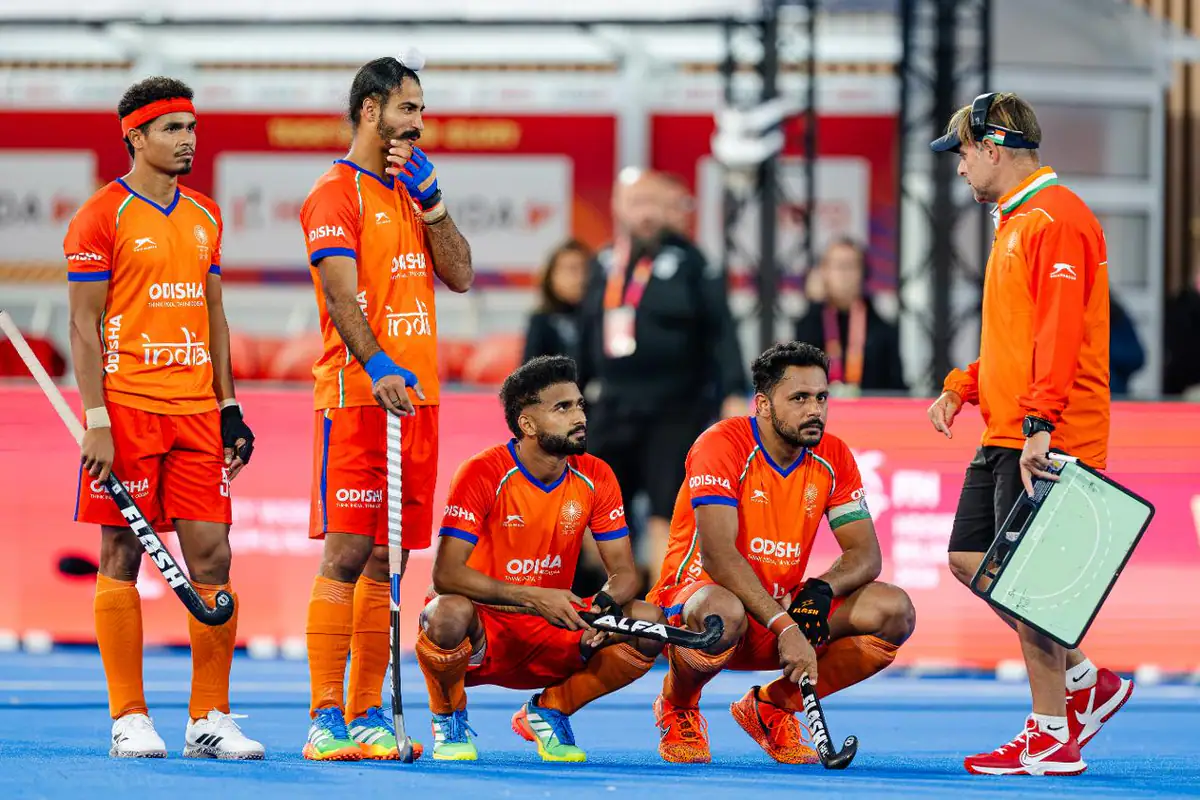
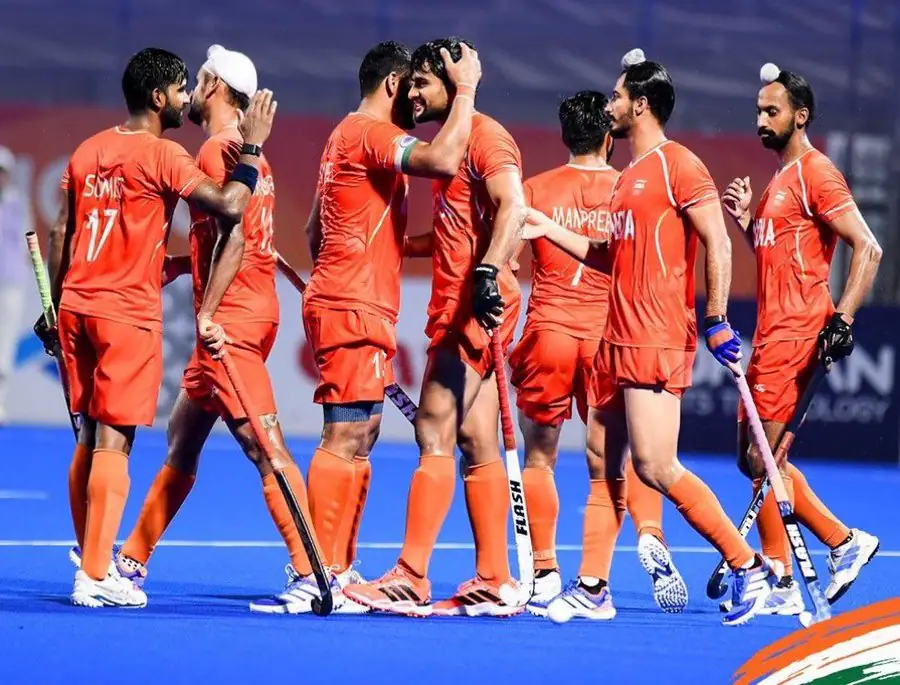
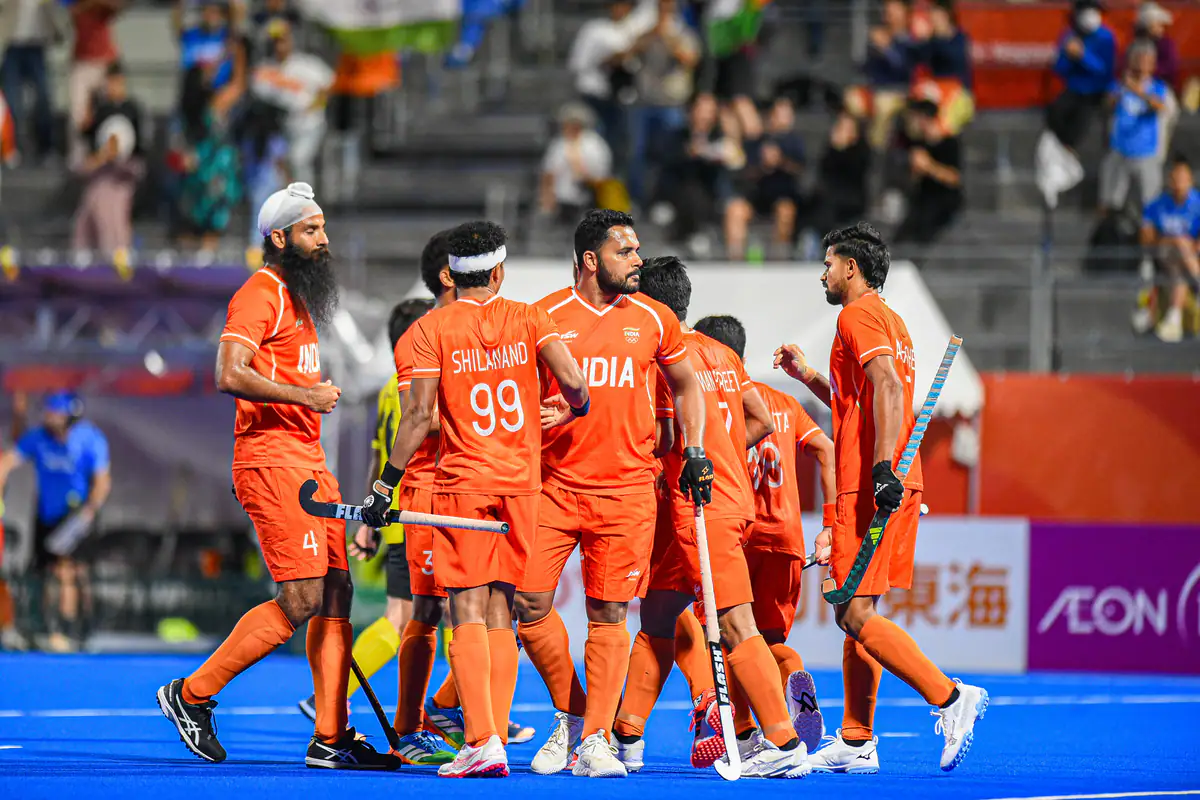
Jugraj Singh is Back for England Clash as India Welcome Back Key Penalty-Corner Weapon
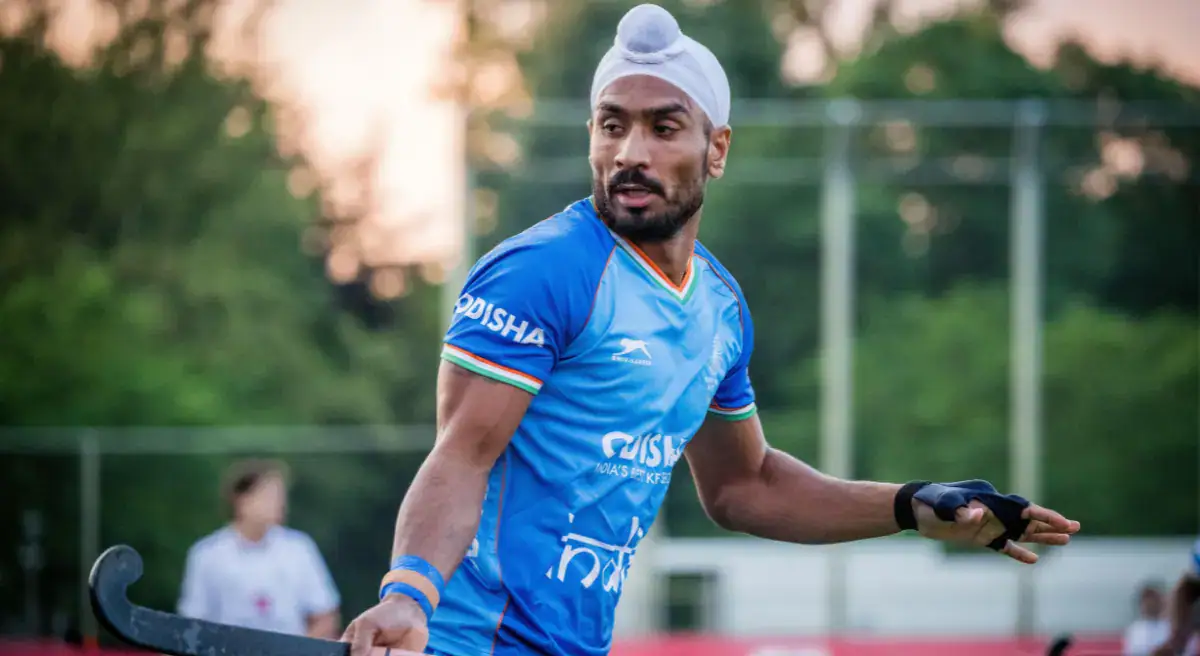
India will have a significant boost in their defensive and penalty-corner options when they face England in their second Pool D match of the FIH Men’s Hockey World Cup 2026 at the Wagener Hockey Stadium in Amstelveen on Monday.
Defender Jugraj Singh, who missed India’s opening 3-1 victory over Wales because of a muscle strain, has recovered and is available for the crucial encounter against England.
Jugraj’s return comes at an important stage of India’s campaign. England, ranked second in the world, also began their World Cup campaign with an emphatic 4-1 victory over Pakistan. With both teams entering the match with three points, Monday’s contest could play a major role in determining the top position in Pool D. For India, having Jugraj back provides an additional weapon at both ends of the pitch.
Jugraj cleared after stick inspection
Jugraj’s availability also resolves another issue that had threatened to complicate his World Cup participation. The 29-year-old has received clearance from the International Hockey Federation’s Technical Committee for his playing stick after his original equipment reportedly failed to meet the required playing conditions.
All players were required to undergo mandatory stick checks before the World Cup opener. The inspections are designed to ensure that equipment is not unsafe or likely to have a detrimental impact on the game. According to the source, Jugraj’s initial stick was not cleared because of concerns surrounding the dimensions of its blade.
His replacement or adjusted stick has now passed the inspection, allowing him to return to the playing group for the England match.
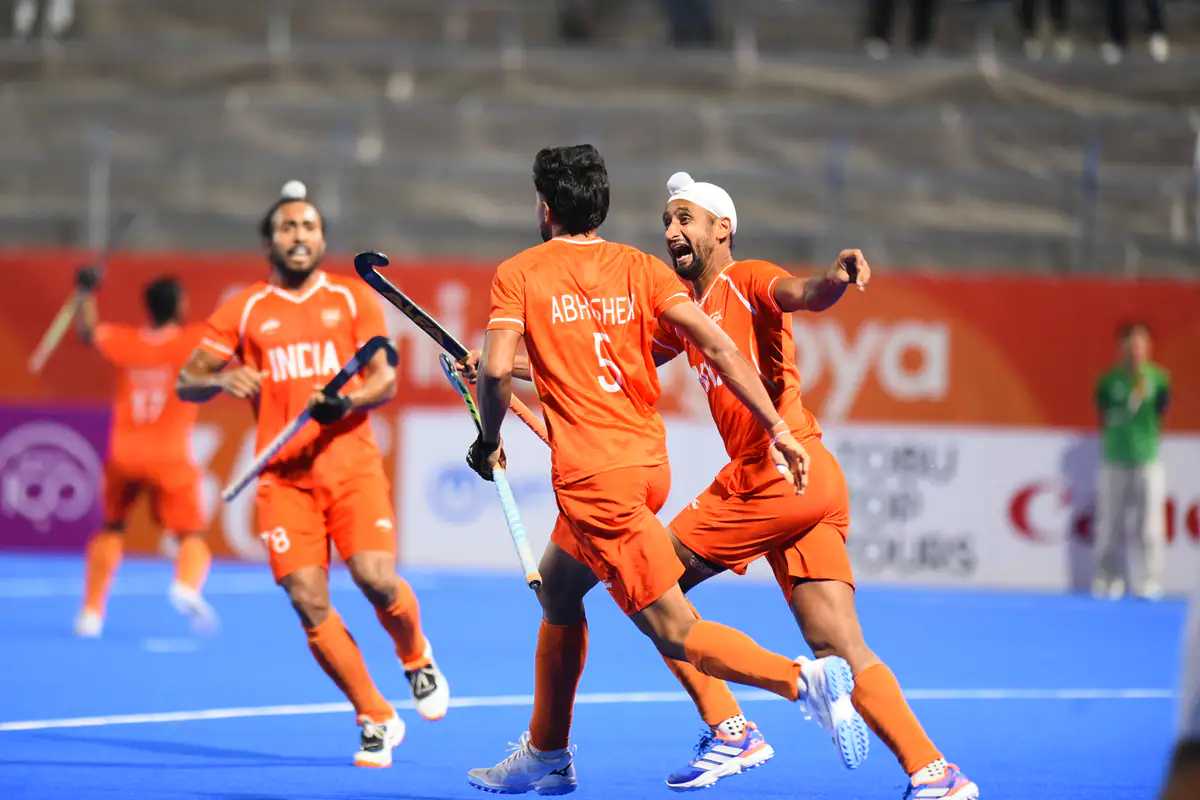
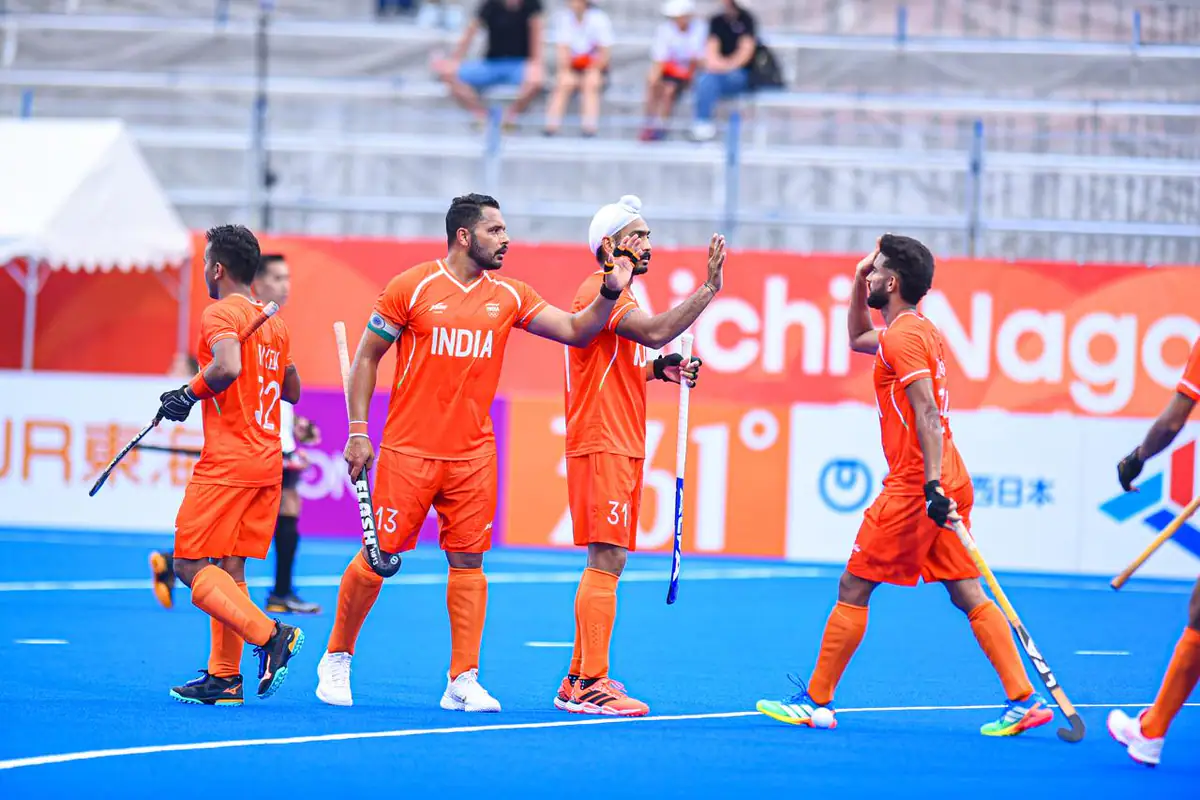
That is important for India because Jugraj is not simply another defensive option. He has established himself as one of the team's key penalty-corner specialists and provides valuable support to captain Harmanpreet Singh. Jugraj has scored 39 goals in 112 senior appearances for India, with 27 of those goals coming from penalty corners.
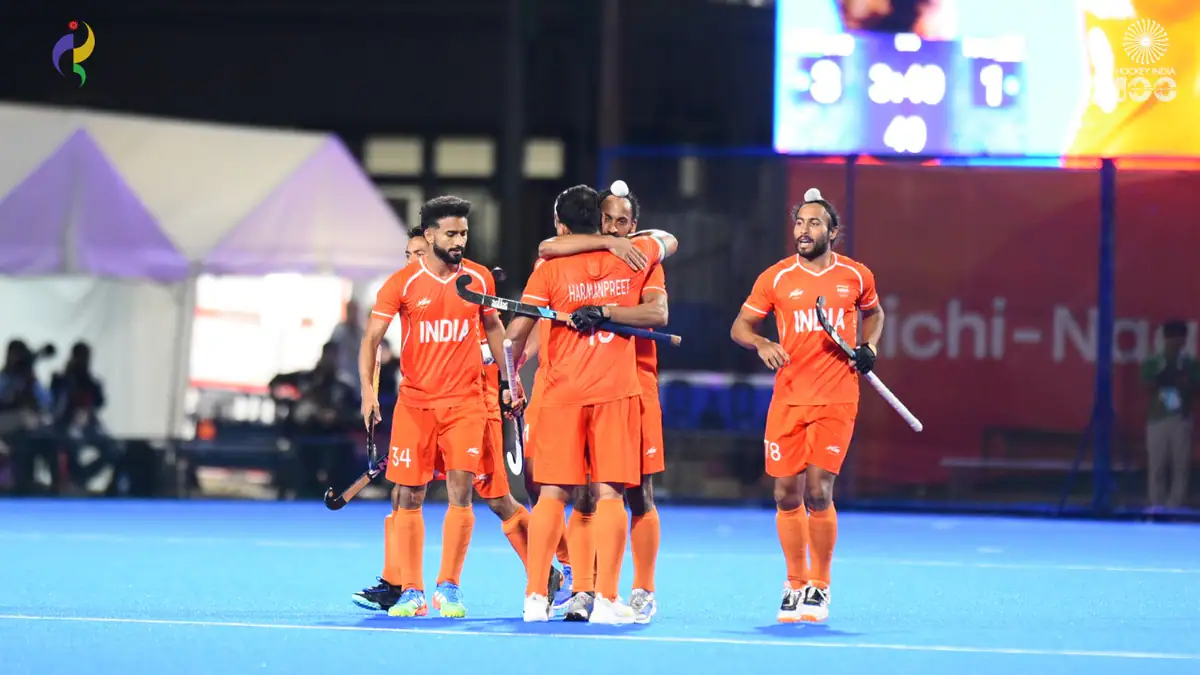
That conversion rate highlights his importance in a team that relies heavily on set pieces. India's opening match against Wales demonstrated precisely how influential penalty corners can be. All three of India's goals came from set plays, with Sanjay opening the scoring before Harmanpreet struck twice.
While Harmanpreet remains India's primary drag-flick option, Jugraj gives chief coach Craig Fulton another specialist capable of converting penalty corners. His ability to provide a secondary threat can make India's attacking structure more difficult to defend, particularly against teams that focus heavily on closing down Harmanpreet's shooting options.
Jugraj also enjoyed a productive domestic season in the Hockey India League in 2024-25. His 12 goals for Bengal Tigers played a major role in the team's title-winning campaign and further underlined his development as an attacking defender.
India need greater attacking variety
The 3-1 victory over Wales was an ideal start in terms of points, but India know they must improve in several areas against England. The biggest concern from the opening match was their inability to score from open play despite creating opportunities. India's penalty-corner execution was excellent, but against an England side of considerably higher quality, relying exclusively on set pieces could prove dangerous.
Jugraj's return can therefore provide India with another option, but the team will need to improve its overall attacking efficiency. England demonstrated their own attacking capabilities by scoring four goals against Pakistan. With both teams possessing quality drag-flickers and experienced defenders, penalty corners could again become decisive.
India will also need to maintain the defensive discipline that helped them control large periods of the Wales match.
The India-England rivalry has produced several memorable encounters in recent years, with the Paris Olympics quarterfinal perhaps the most significant. India overcame a major setback in that match when defender Amit Rohidas received a red card in the 17th minute. Despite playing with 10 players for most of the contest, India showed tremendous defensive resilience to progress.
They eventually went on to win the bronze medal in Paris. The rivalry has remained closely contested since then. India and England met twice in the recent FIH Pro League in London, with neither match being decided during regulation time. Both games went to shoot-outs, with India and England taking one victory apiece.
The recent head-to-head record is similarly tight, with India holding a narrow 10-9 advantage in wins and five matches ending in draws. Hardik Singh believes the competitive nature of the rivalry does not translate into hostility between the players.
“When two evenly matched teams face off, then things can heat up on the pitch,” Hardik said. “But we don’t carry any animosity, as we are friends with many players in the England team.” At the same time, he warned that India cannot afford to underestimate their opponents.
“You have to be better than your opponent on that given day,” he added.
India chief coach Craig Fulton has described England as the highest-ranked team in India's pool and expects a demanding contest. “Since we have started playing the Pro League, it’s been pretty equal. But the World Cup is different. It’s a must-win game for both teams,” Fulton said.
England's structure and individual quality will test India's defense, while India's penalty-corner specialists will look to exploit opportunities at the other end. The top two teams from each pool will advance to the next stage with their semifinal ambitions intact, while the bottom two will be relegated to the classification matches.
That makes the second game particularly important. For India, Jugraj's return could not have come at a better time. His fitness strengthens the defense, adds depth to the penalty-corner battery, and gives Fulton another proven goal threat.
After missing the Wales opener, Jugraj now has the opportunity to make an immediate impact against one of the strongest teams in the tournament.
And if the contest is decided by the smallest of margins, India's additional penalty-corner option could prove crucial.
Comments (0)
to post comments, replies, and votes.
Loading comments…