LA28 Olympics: PV Sindhu Leads India’s Women’s Singles Race as Four Challengers Fight for Second Spot

PV Sindhu leads India's race for two women's singles badminton spots at LA28, with Tanvi Sharma, Ashmita Chaliha, Unnati Hooda and Devika Sihag chasing Olympic qualification.
India’s two women’s singles quota places for Los Angeles 2028 remain up for grabs, with PV Sindhu emerging as the overwhelming favourite to secure the first spot while Tanvi Sharma, Ashmita Chaliha, Unnati Hooda and Devika Sihag look to strengthen their Olympic credentials.
Indian badminton is approaching a crucial generational transition, with the race for women’s singles representation at the Los Angeles 2028 Olympic Games taking shape. PV Sindhu remains the established leader, but the emergence of Tanvi Sharma, Ashmita Chaliha, Unnati Hooda and Devika Sihag has created a competitive domestic landscape ahead of the qualification cycle.
India can secure a maximum of two women’s singles quota places, provided two players meet the Badminton World Federation’s qualification criteria. While Sindhu is expected to be the frontrunner for the first place, the battle for the second could become one of the most intriguing storylines in Indian badminton over the next 18 months.
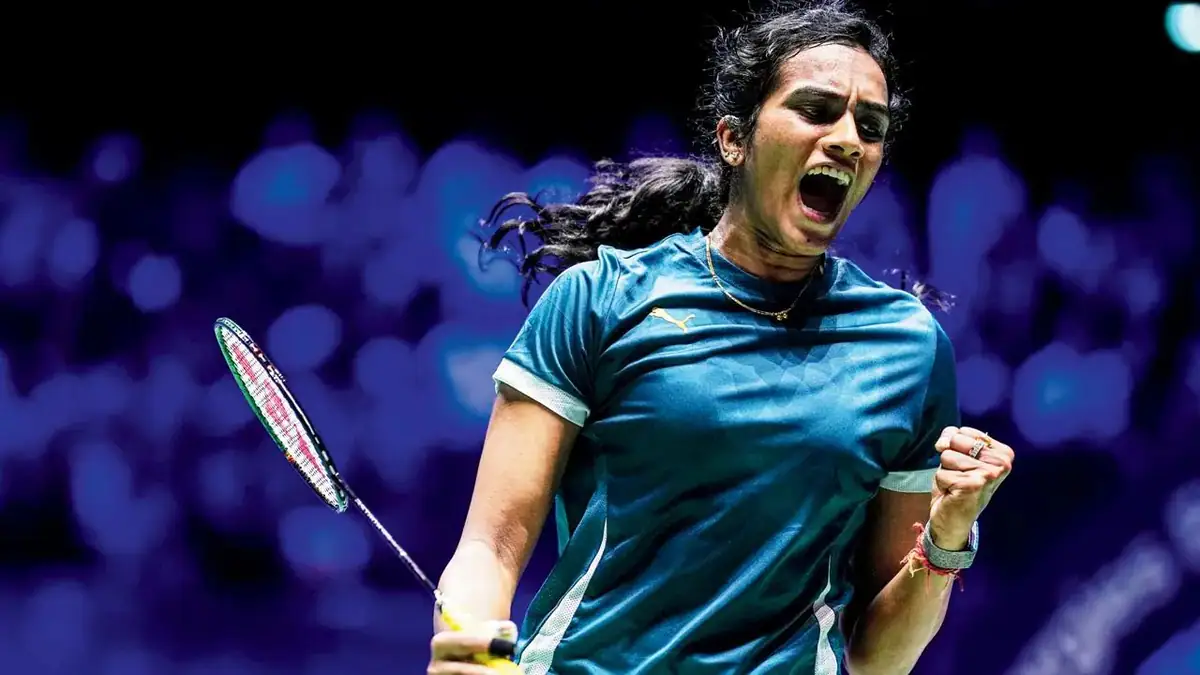
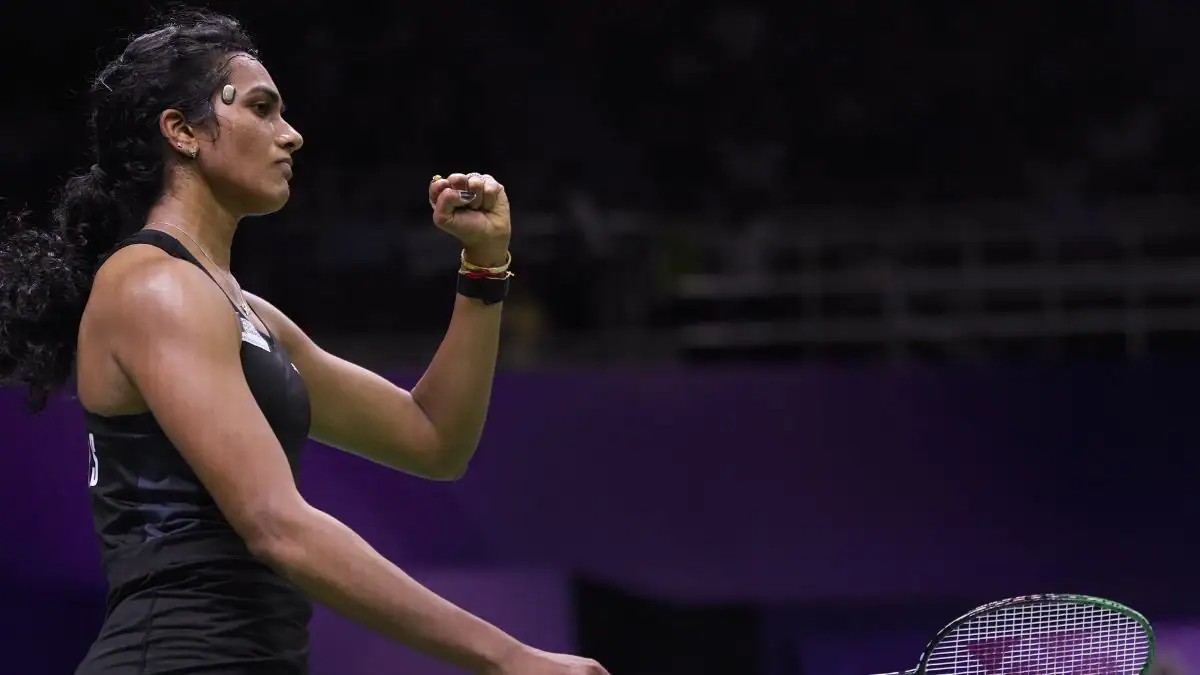
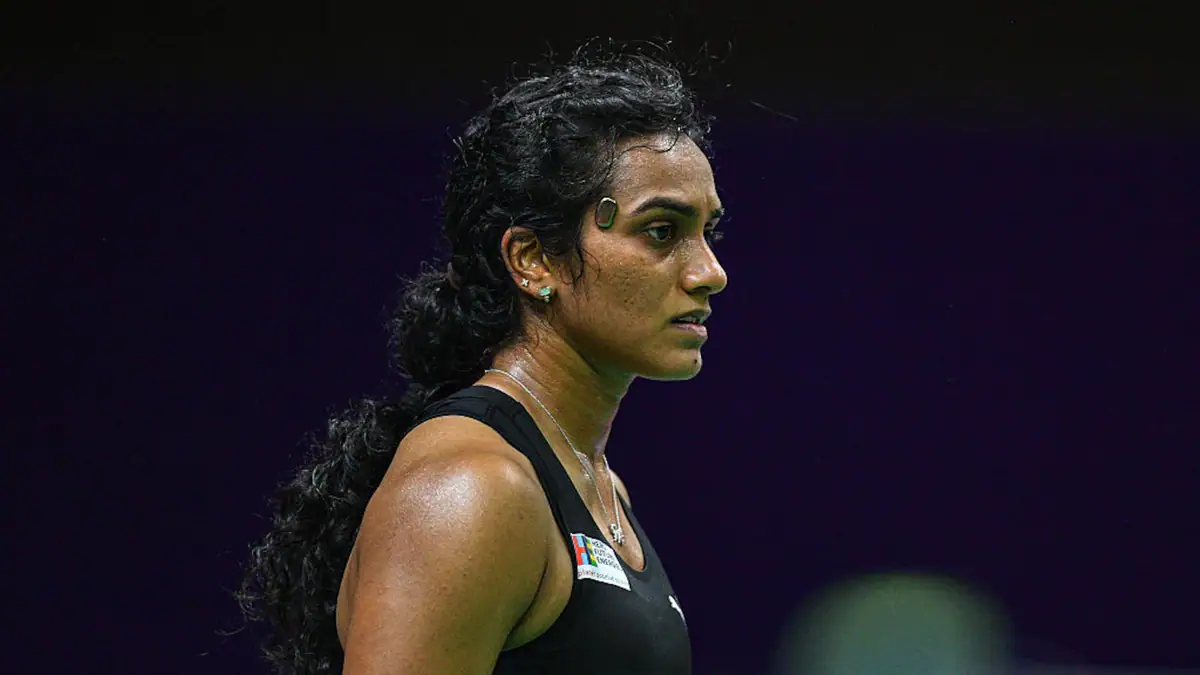
At 31, Sindhu remains India's strongest candidate to secure a place at her fourth Olympic Games. The two-time Olympic medallist has the experience, international pedigree and ability to produce results at the highest level that separate her from the rest of the Indian contingent.
Her recent performances, including a title at the Japan Open and encouraging runs at major international tournaments, underline her continued ability to compete against the world's best. Sindhu should be considered a 90% favourite to emerge as India's top women's singles qualifier, provided she remains fit and maintains her level through the Olympic qualification period.
However, the remaining 10% cannot be dismissed. Olympic qualification is determined by performances during a designated ranking window, not reputation or previous achievements. Injuries, inconsistent tournament results and the demands of an increasingly physical international circuit could complicate her campaign.
Sindhu has previously experienced injury-related interruptions, making workload management a major priority. At 33 during the Los Angeles Games, she will need to balance participation in high-value tournaments with sufficient recovery.
The challenge is not simply to qualify but to arrive at the Olympics in a condition that allows her to compete for another medal.
Tanvi Sharma emerges as a serious challenger
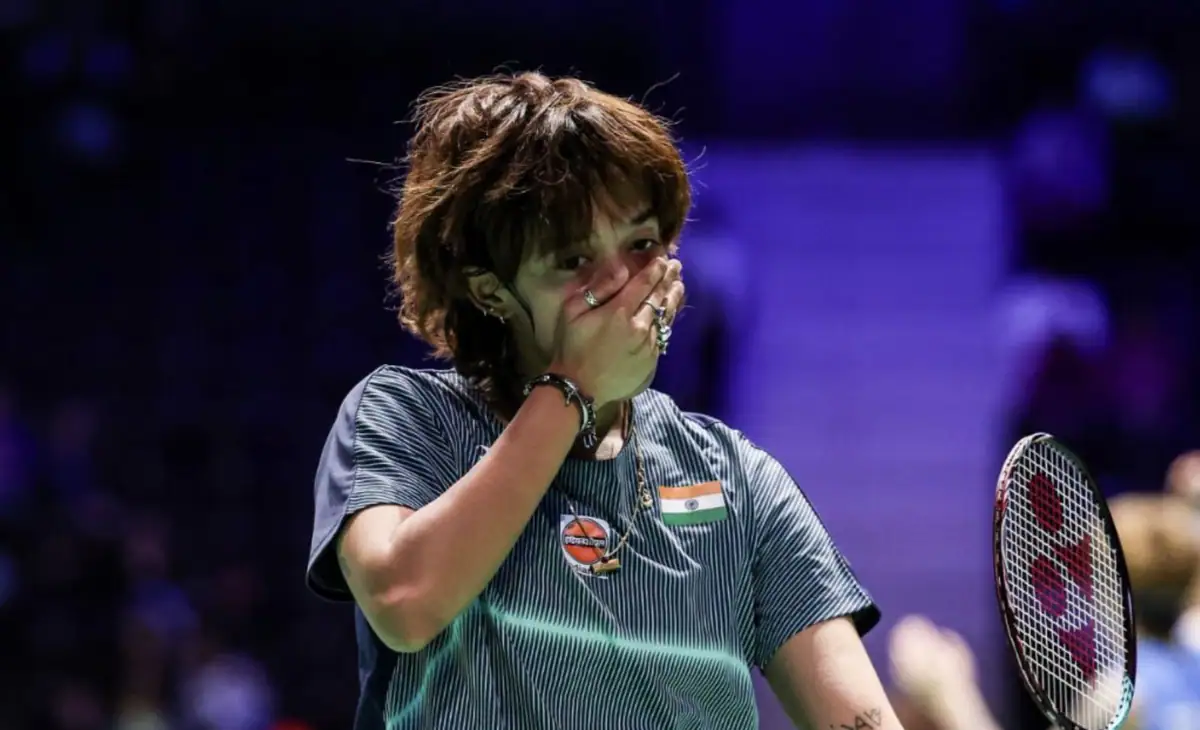
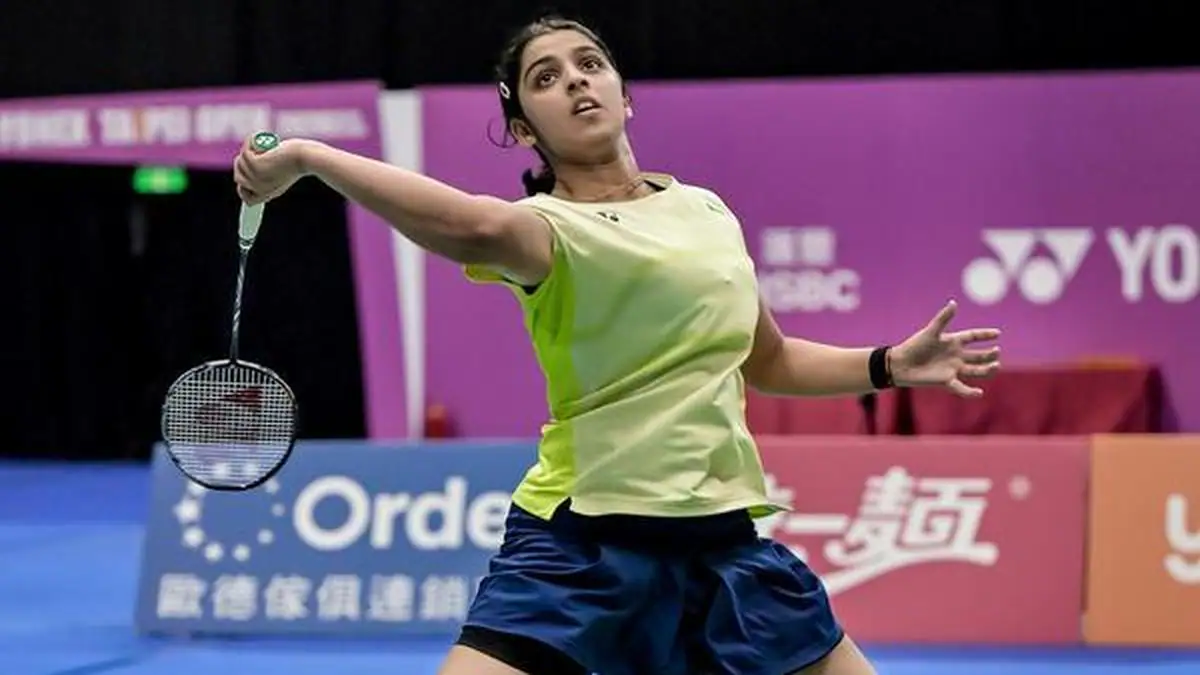
Among India's younger players, Tanvi Sharma has made a compelling case for greater attention. Her rapid rise through the international rankings, World Junior Championships silver and title-winning performance at the 2026 Taipei Open Super 300 have demonstrated that she can translate potential into results.
At just 17, Tanvi possesses valuable time to develop physically and tactically before the Olympic qualification race reaches its decisive stages.
Her attacking instincts, deceptive wrist work and ability to create opportunities at the net provide a foundation for success against established international opponents. Her quarterfinal appearance at the Denmark Open further demonstrated her capacity to compete beyond the lower tiers of the BWF World Tour.
Tanvi's next challenge is consistency against top-15 opponents. Progressing beyond the early rounds of Super 500, Super 750 and Super 1000 tournaments will be essential if she is to convert her promise into an Olympic quota place.
Of the emerging Indian contingent, she has a particularly strong opportunity to challenge for the second spot.
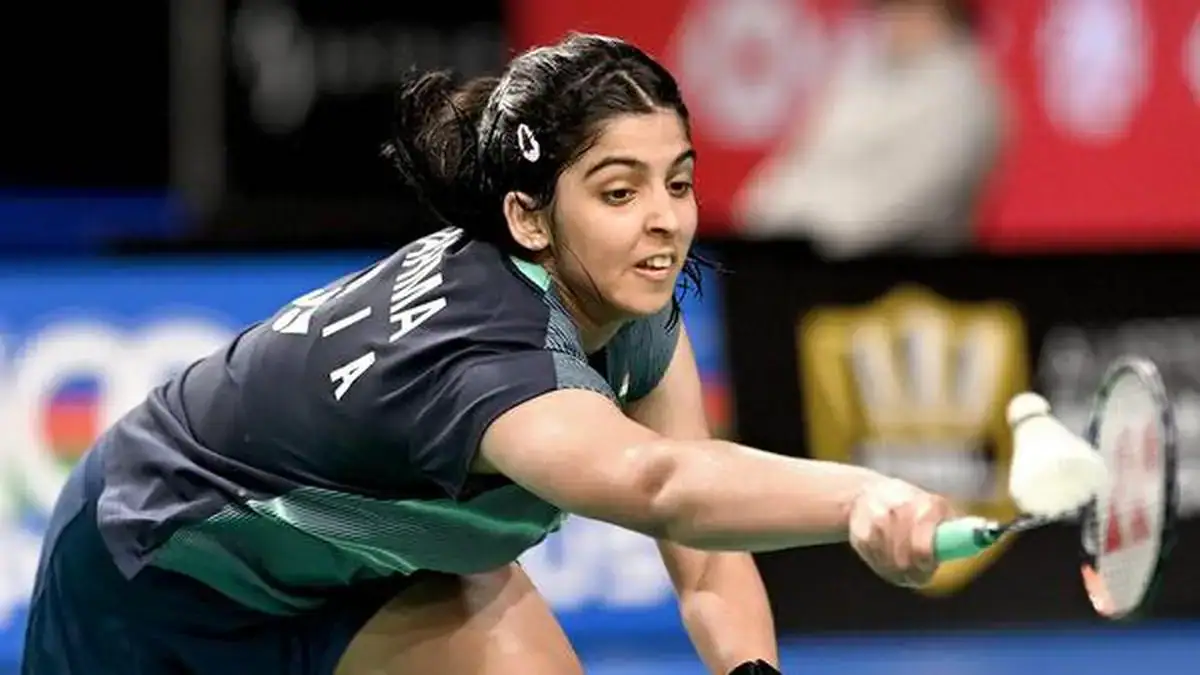
Ashmita Chaliha remains a dangerous contender whose best performances suggest she can trouble players ranked significantly higher than her. Her victory at the Korea Masters Super 300 and her upset of former world No. 1 Akane Yamaguchi at the French Open have highlighted her attacking quality and ability to produce exceptional results against elite opposition.
A left-hander with aggressive shot-making and quick court movement, Chaliha offers a different tactical challenge from Sindhu and the younger Indian shuttlers.
Her difficulty has been sustaining that level across successive tournaments. Early exits and unforced errors have affected her ranking progress, leaving her with ground to make up against the leading contenders.
If she can reduce those fluctuations and string together deeper runs at major events, Chaliha could re-enter the Olympic conversation in a meaningful way.
Unnati Hooda and Devika Sihag have both demonstrated that they belong in the conversation about India's next generation of women's singles players. However, their routes to LA28 currently appear more difficult. Hooda, 19, has built her game around stamina, court coverage and defensive resilience. Her victories against established international opponents, Polish Open title and semifinal appearance at the Taipei Open have demonstrated her competitive ability.
Her performance at the Asian Games, where she reached the quarterfinals after defeating strong opponents, further strengthened her credentials. To move closer to Olympic qualification, Hooda must improve her ability to finish rallies and convert defensive pressure into attacking opportunities.
Devika, meanwhile, has shown considerable progress through her Thailand Masters Super 300 title, US Open semifinal appearance and Senior National Championships success.
Her tactical discipline and ability to limit unforced errors make her a difficult opponent. However, competing consistently against the world's leading players will require greater attacking penetration and more frequent deep runs at higher-level tournaments.
Both players have clearly shown their mettle and potential. Nevertheless, the gap between performing well at Super 300 events and accumulating enough points for Olympic qualification remains substantial. They currently have an outside chance, but sustained progress over the next two seasons could change that assessment.
Two Olympic spots, one demanding qualification race
The Olympic qualification window is expected to run from May 2027 through April 2028. Under the BWF framework, a country can secure two women's singles entries only if both players meet the required top-16 qualification-ranking criteria.
That makes the race more complicated than simply identifying India's two highest-ranked players today. Results during the designated period, tournament selection, injury management and performances at the highest levels of the World Tour will ultimately determine the outcome.
For India, the immediate priority is clear: protect Sindhu's fitness while ensuring that the younger players receive the right opportunities to compete against stronger international opposition.
Tanvi has emerged as a leading challenger, while Ashmita's attacking potential gives her a route back into contention. Unnati and Devika remain outsiders, but their recent achievements show that neither can be discounted.
Sindhu should be India's overwhelming favourite for the first quota. The second place, however, remains open.
The next year will be crucial in determining whether India can send two women's singles players to Los Angeles and whether the emerging generation can turn its promise into an Olympic breakthrough.
Comments (0)
to post comments, replies, and votes.
Loading comments…