Manu Bhaker Enters Race for ISSF Athletes Committee, Outlines Vision for Athlete Welfare and Shooting's Future
India's double Olympic medallist has been nominated in the Pistol category for the 2026–2030 term, with an agenda centred on protecting Olympic disciplines, improving financial opportunities and strengthening athletes' voices in global shooting governance.
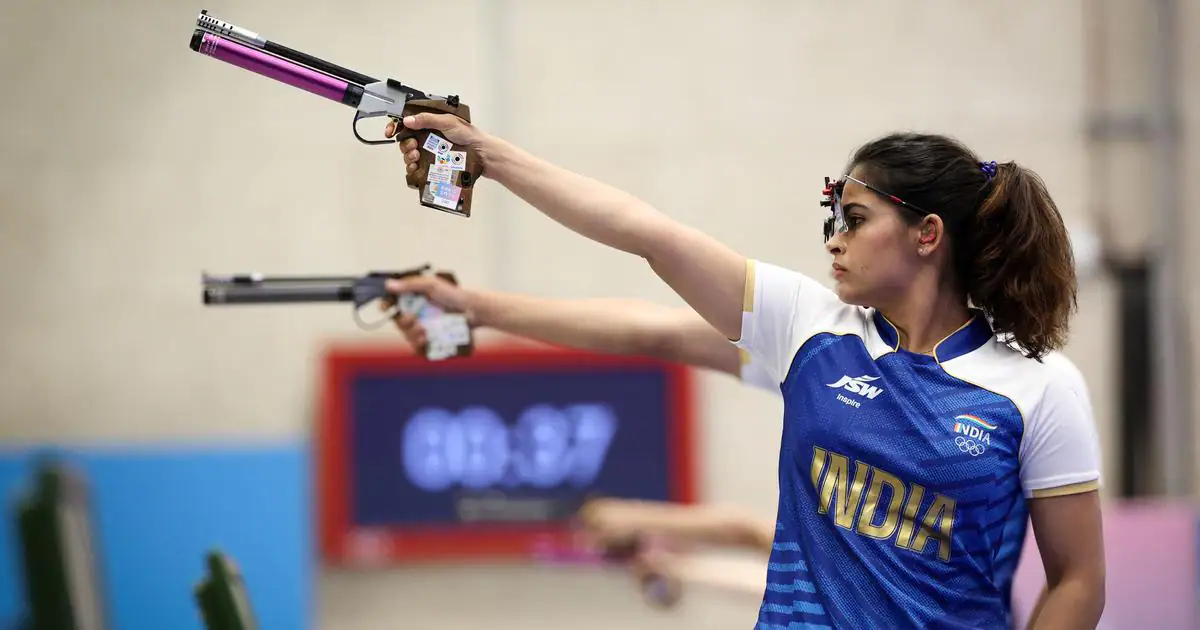
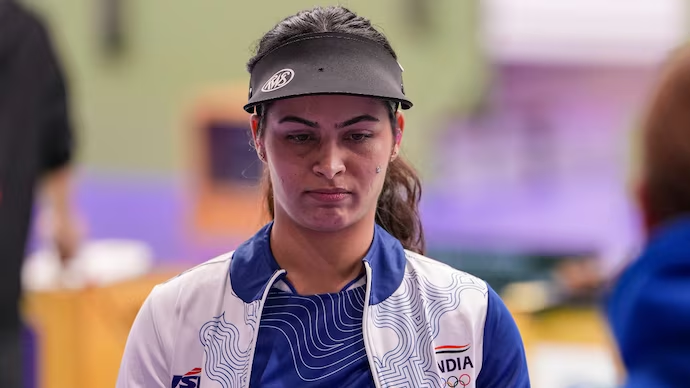
India's double Olympic medallist Manu Bhaker is set to contest elections for the International Shooting Sport Federation (ISSF) Athletes Committee for the 2026–2030 term, adding a new dimension to her career in international shooting.
Nominated as a candidate in the Pistol category, Bhaker is among 10 contenders competing for two elected positions in the discipline. The Indian shooter has outlined an athlete-first agenda that seeks to address several long-standing concerns within competitive shooting, including the future of Olympic events, financial security, mental health and athlete representation in decision-making.
Having experienced the demands of elite international competition, Bhaker believes athletes should have a more meaningful role in shaping the sport's future rather than being limited to their participation on the shooting range.
Her candidature represents an opportunity to bring an active competitor's perspective into the governing structure of one of the world's leading shooting organisations.
One of the central priorities in Bhaker's manifesto is safeguarding the men's 25m Rapid Fire Pistol event and ensuring its long-term future in the Olympic programme. The stability of Olympic disciplines is particularly important for shooters, given the years of preparation, investment and technical development required to compete at the highest level.
Bhaker also wants to advocate for greater consistency in technical regulations across Olympic cycles. Frequent changes to competition rules can affect preparation strategies, equipment requirements and the long-term planning of athletes and their support teams.
Her proposal seeks to create a more predictable competitive environment, allowing shooters to prepare with greater confidence.
Another major focus is improving the financial rewards available to athletes. Bhaker intends to push for better prize money at ISSF World Cups and explore additional commercial opportunities through television-friendly competition formats.
The objective is to make shooting more attractive to broadcasters and sponsors while ensuring that athletes receive a greater share of the sport's commercial value.
Mental Health and Stronger Athlete Representation
Beyond competition formats and financial opportunities, Bhaker's vision places considerable emphasis on athlete welfare. Elite shooting requires exceptional concentration, emotional control and the ability to perform consistently under pressure. Mental preparation is therefore an important component of performance, particularly at major international competitions.
Bhaker proposes stronger mental health support through accessible sports psychology programmes and designated quiet zones at ISSF events. These measures would provide athletes with dedicated spaces and professional support to manage competitive pressure and maintain their psychological well-being.
She also wants to establish a more effective communication channel between athletes and ISSF leadership.
A secure and confidential grievance redressal mechanism forms an important part of her proposal. Such a system would allow athletes to raise concerns and seek timely, transparent resolutions without worrying about the consequences of speaking up.
Bhaker also wants to use social media and digital platforms to make shooting more accessible to younger audiences, improve the sport's visibility and create stronger connections between athletes and fans.
Another important aspect of Bhaker's agenda is the future of athletes after retirement. A professional sporting career can be relatively short, and the transition away from competitive sport often brings financial and professional challenges.
Bhaker wants to advocate for practical financial security measures and structured career-transition pathways that help athletes build sustainable lives beyond competition. This approach recognises that athlete welfare should not end when an individual stops representing their country.
Her proposed agenda therefore extends across the entire sporting journey, from entry into elite competition to retirement and life beyond professional sport.
Speaking about her candidature, Bhaker said: "It is an honour to be nominated for the ISSF Athletes Committee. Having competed at the highest level, I have experienced first-hand both the opportunities and challenges that come with being an international athlete. I believe that athletes should not just be participants in the sport but also active voices in shaping its future."
She added that her objective would be to work towards greater stability in competition rules, improved financial and commercial opportunities, stronger athlete welfare systems and more accessible platforms for athletes to raise concerns.
"I want to contribute towards building an environment where athletes feel heard, supported and secure, both during and beyond their sporting careers," she said.
The ISSF Athletes Committee acts as an important link between competitors and the international governing body. Its responsibilities include collecting athlete feedback, advising on competition rules and regulations, advocating better competition conditions and welfare systems, and contributing to the promotion of clean sport.
The election process will take place during two ISSF World Championship events: the World Championship 300m Rifle in Cairo and the World Championship Rifle/Pistol/Shotgun in Doha.
The voting window is scheduled around the competition days of October 17–19 in Cairo and November 3–13 in Doha. Athletes aged at least 18 years who actively participate in a championship will be eligible to vote. Each eligible athlete can select a maximum of two candidates in each discipline, with elections covering the Pistol, Rifle and Shotgun categories.
Bhaker is one of 10 candidates competing for two elected positions in the Pistol category.
From Olympic Medals to Global Sporting Governance
Bhaker's candidature adds an important leadership dimension to an already historic shooting career. At the Paris 2024 Olympic Games, she became the first Indian athlete in independent India's history to win two dat a single edition of the Olympics.
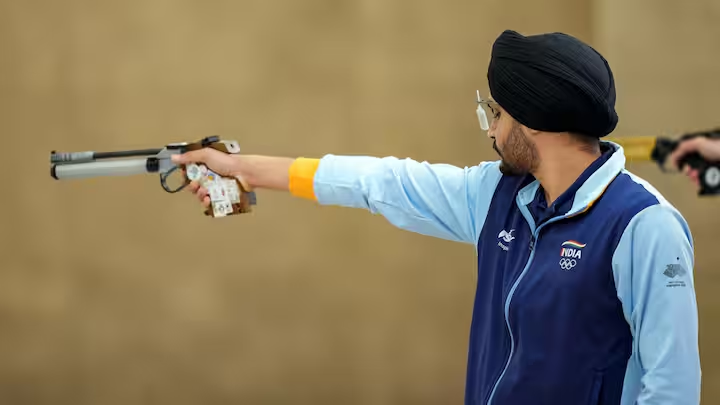
She secured bronze in the women's 10m Air Pistol event before partnering Sarabjot Singh to win another bronze in the 10m Air Pistol Mixed Team competition. Her achievements established her among India's most prominent shooting stars and brought renewed attention to the country's strength in the discipline.
Now, through her ISSF Athletes Committee candidature, Bhaker is seeking to contribute beyond her individual performances. Whether she secures an elected position or not, her manifesto brings attention to issues that extend well beyond one athlete or one discipline.
For shooting to grow sustainably at the international level, athletes need competitive opportunities, financial support, mental health resources and a meaningful voice in decisions affecting their careers. Bhaker's central message is straightforward: athletes should have a say in shaping the sport they dedicate their lives to.
Comments (0)
to post comments, replies, and votes.
Loading comments…