Mukundo Singh Ningthoujam: The Creative Force Making India U-17’s Partnership with Dallalmuon Gangte So Dangerous
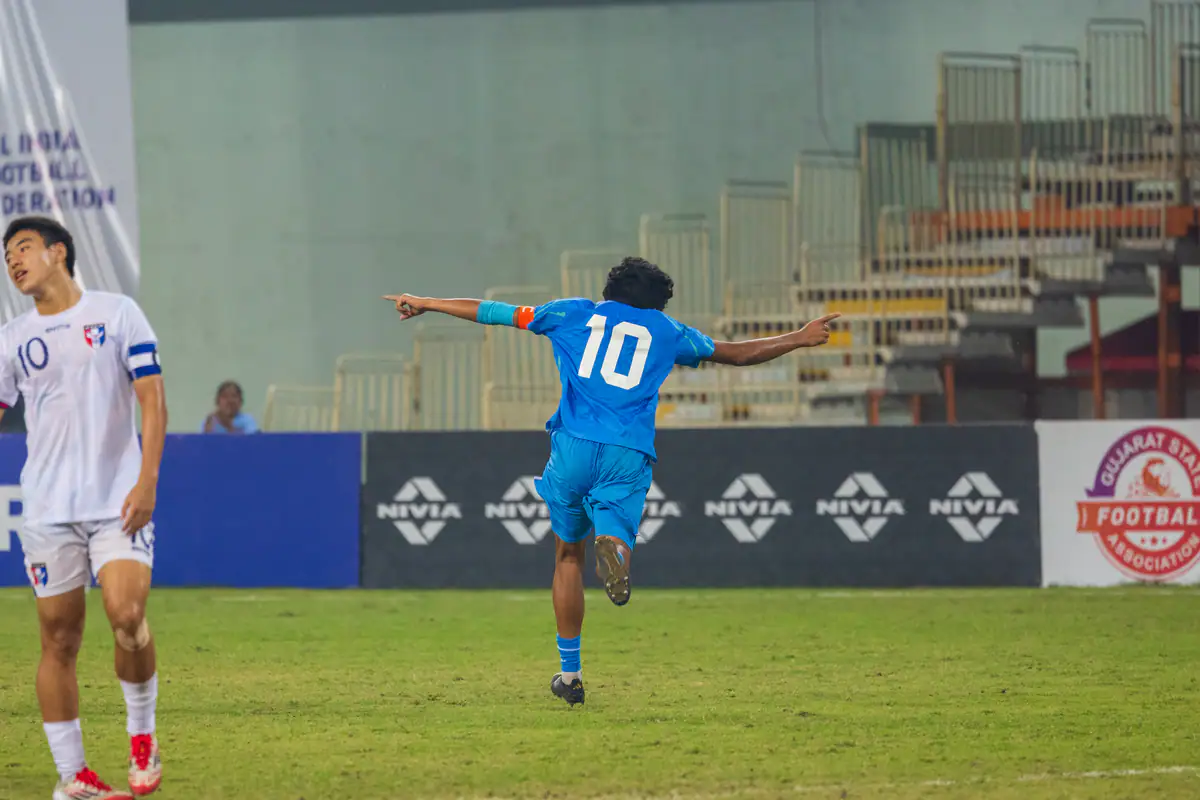
Mukundo Singh Ningthoujam is emerging as a key creative force for India U-17, complementing Dallalmuon Gangte with his technical ability, vision and goal threat.
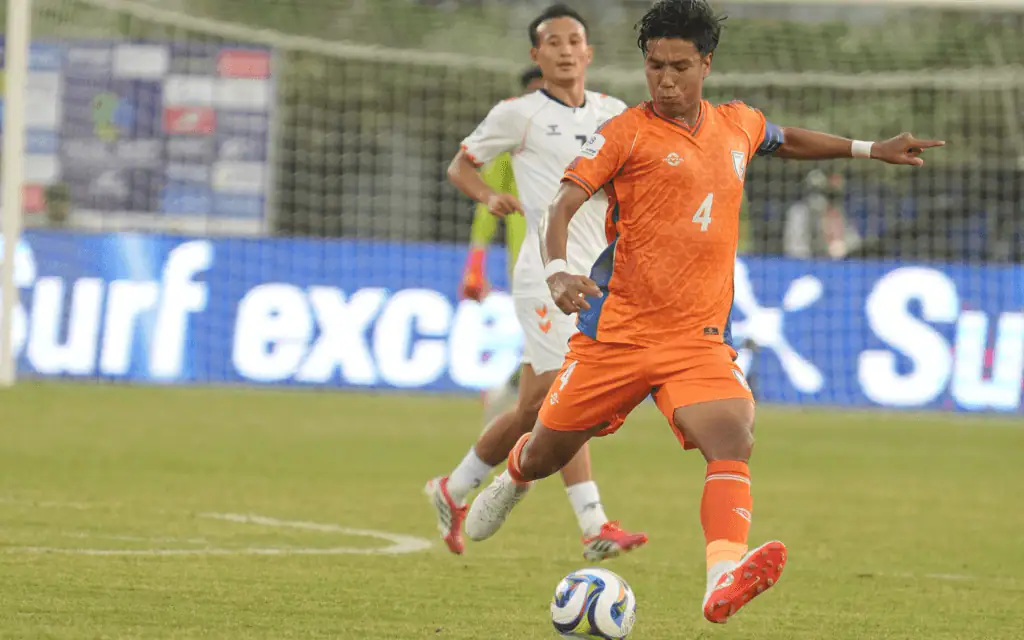
India U-17 captain Dallalmuon Gangte has attracted attention with seven goals in three matches during the AFC U-17 Asian Cup 2027 Qualifiers.
But alongside the prolific NorthEast United FC midfielder, another player has emerged as one of the most influential figures in Mehrajuddin Wadoo’s side: Mukundo Singh Ningthoujam.
For me, Mukundo is among the best players in this India U-17 team, alongside Gangte. His qualities are different from those of the captain, but that is precisely what makes the combination so exciting. Gangte provides the movement, pressing and finishing in advanced areas, while Mukundo brings the technical ability and midfield intelligence to connect the different phases of India's attacking game.
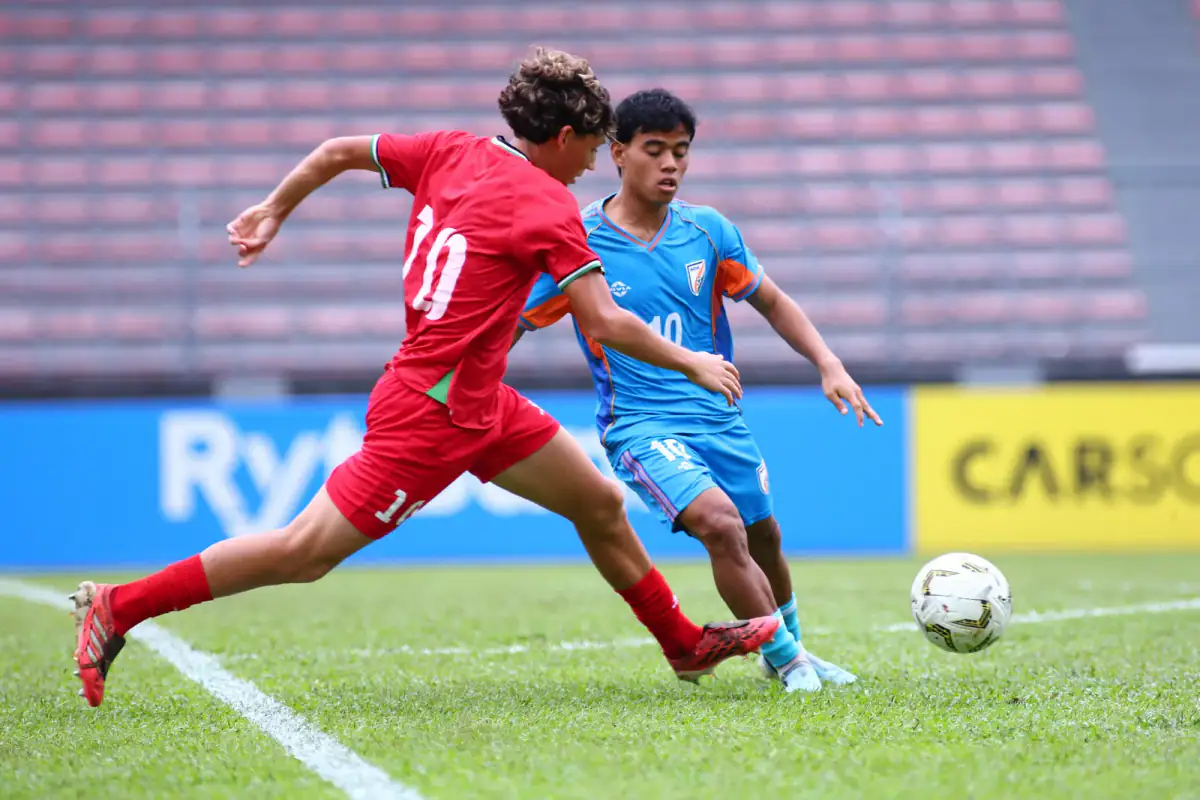
Mukundo has the attributes of a modern attacking midfielder. He is comfortable receiving the ball in crowded areas, can turn quickly under pressure, eliminate opponents with his first touch and carry possession into dangerous spaces. Most importantly, he combines those creative qualities with an ability to strike the ball cleanly and score goals. He is not simply a player who creates opportunities for others; he can also finish moves himself.
The traditional No. 10 is often associated with operating between the opposition's midfield and defensive lines, receiving on the half-turn and creating chances through incisive passes or individual skill. Mukundo displays several of those characteristics.
His ability to receive the ball, turn towards goal and progress play is particularly valuable against compact defensive structures. Rather than relying entirely on sideways circulation, he can use his technical ability to eliminate the first opponent and force defenders to step out of position. That creates opportunities for teammates to exploit the spaces left behind.
However, there is an important tactical distinction. Mukundo is not necessarily a stationary playmaker who spends the entire game occupying the space behind the striker. Under Wadoo, he has also operated as a hybrid No. 8 and No. 10, contributing to India's pressing, contesting second balls and driving forward from deeper midfield positions.
That additional responsibility makes his attacking contribution more impressive. He is involved in the defensive work required to regain possession before becoming an important outlet in the final third.
The Palestine performance showcased his quality
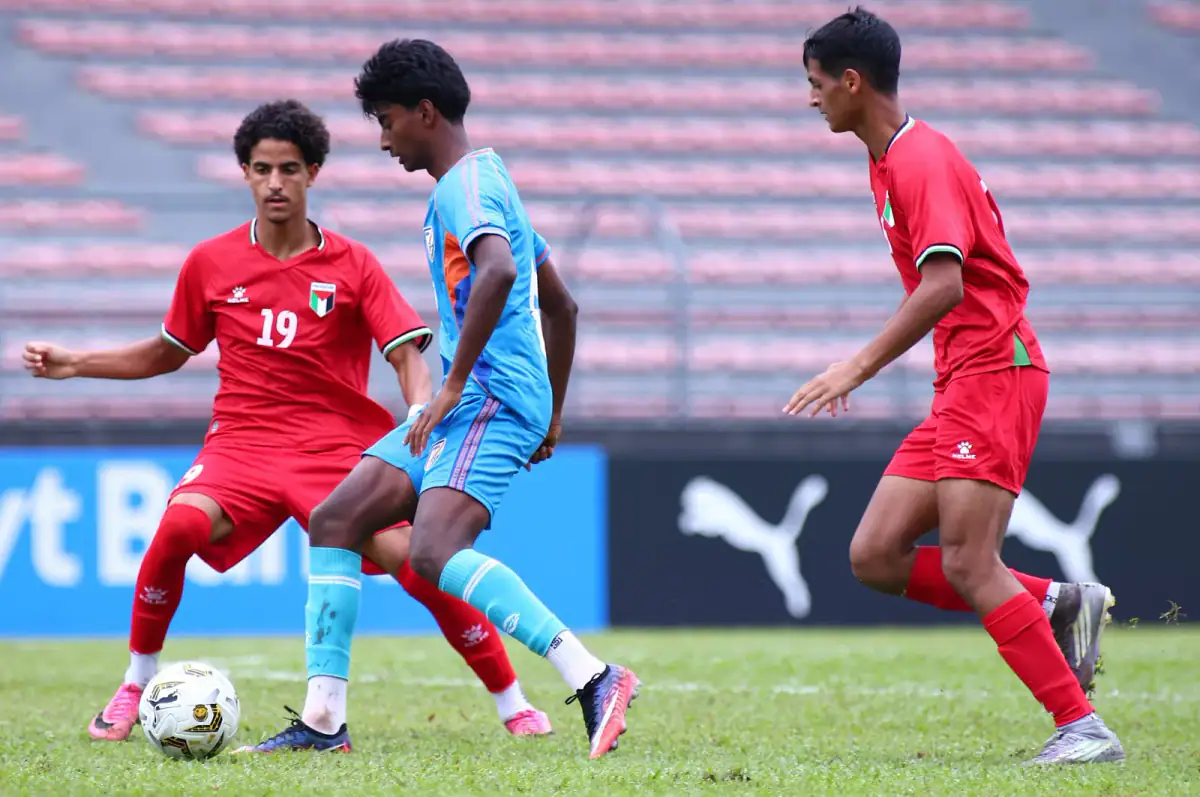
India's 4-1 victory over Palestine on November 17 offered a strong illustration of Mukundo's influence. With India struggling to establish complete control despite playing against ten men for much of the contest, Mukundo became increasingly important after the interval. Palestine's defensive organisation and the difficult, waterlogged playing surface made it challenging for India to build attacks through short passing combinations.
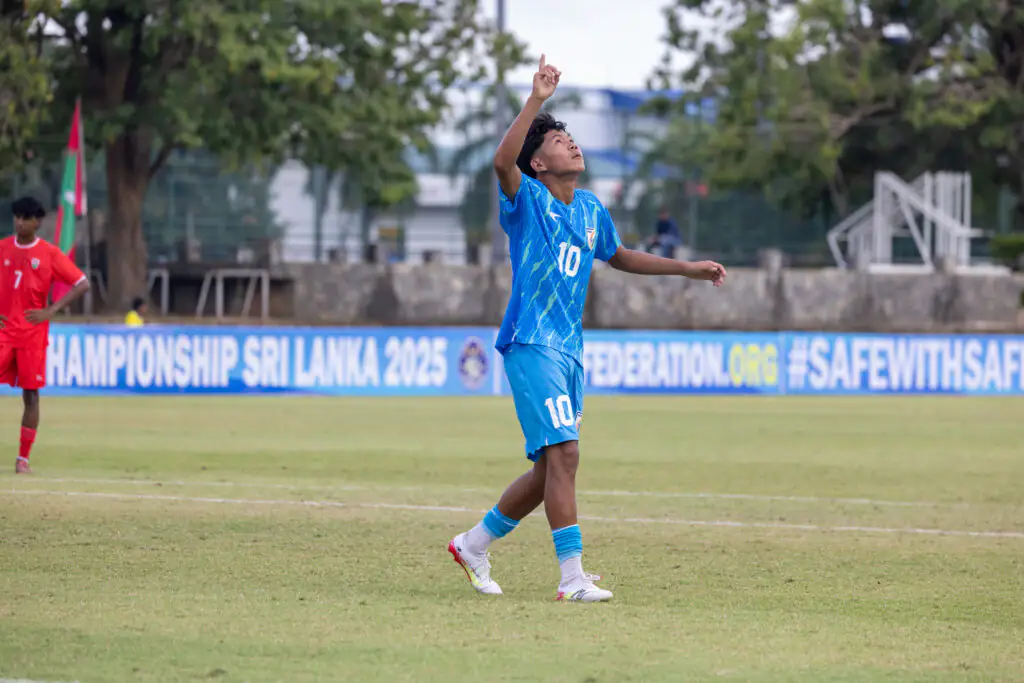
Mukundo provided a different route to goal. In the 52nd minute, he collected the opportunity around the edge of the penalty area and produced a controlled, powerful right-footed finish to put India ahead. The strike demonstrated his ability to recognise space outside the box and turn a loose-ball situation into a scoring opportunity.
His contribution did not end there. Mukundo moved into the right channel in the second half and helped create Gangte's goal around the 59th minute with a delivery into the penalty area. He also took the corner that led to Zoramdinthara's goal in the 89th minute.
One goal and two important goal-creating contributions made it a complete attacking performance. He showed that he could influence a match through shooting, movement, delivery and combination play.
His contribution against Guam had already highlighted his creative instincts. Mukundo supplied the cross for Leo Thongbam's early opening goal in India's emphatic 12-0 victory, demonstrating his ability to create from wider positions rather than operating exclusively through the centre.
The relationship between Mukundo and Gangte could become one of the defining features of this India U-17 side. Gangte is an exceptionally productive attacking presence. His movement into the spaces between centre-backs and full-backs, his timing of runs and his ability to finish cut-backs make him a constant threat. He also leads India's pressing from advanced positions.
Mukundo complements those qualities. His ability to carry the ball forward and draw opponents out of their defensive positions can create the spaces Gangte needs to attack. Equally, Gangte's vertical movement gives Mukundo options when he receives possession in midfield.
The two players do not need to occupy the same spaces to influence an attack. In fact, their different roles make the partnership more effective. Mukundo can progress the ball from midfield, combine in central or wide areas and arrive around the edge of the box, while Gangte attacks the spaces closer to goal.
This division of responsibility gives India more than one attacking route. If opponents concentrate on stopping Gangte's runs, Mukundo can become the player who decides the game through his shooting and creativity. If defenders step out to close Mukundo, Gangte can exploit the space behind them.
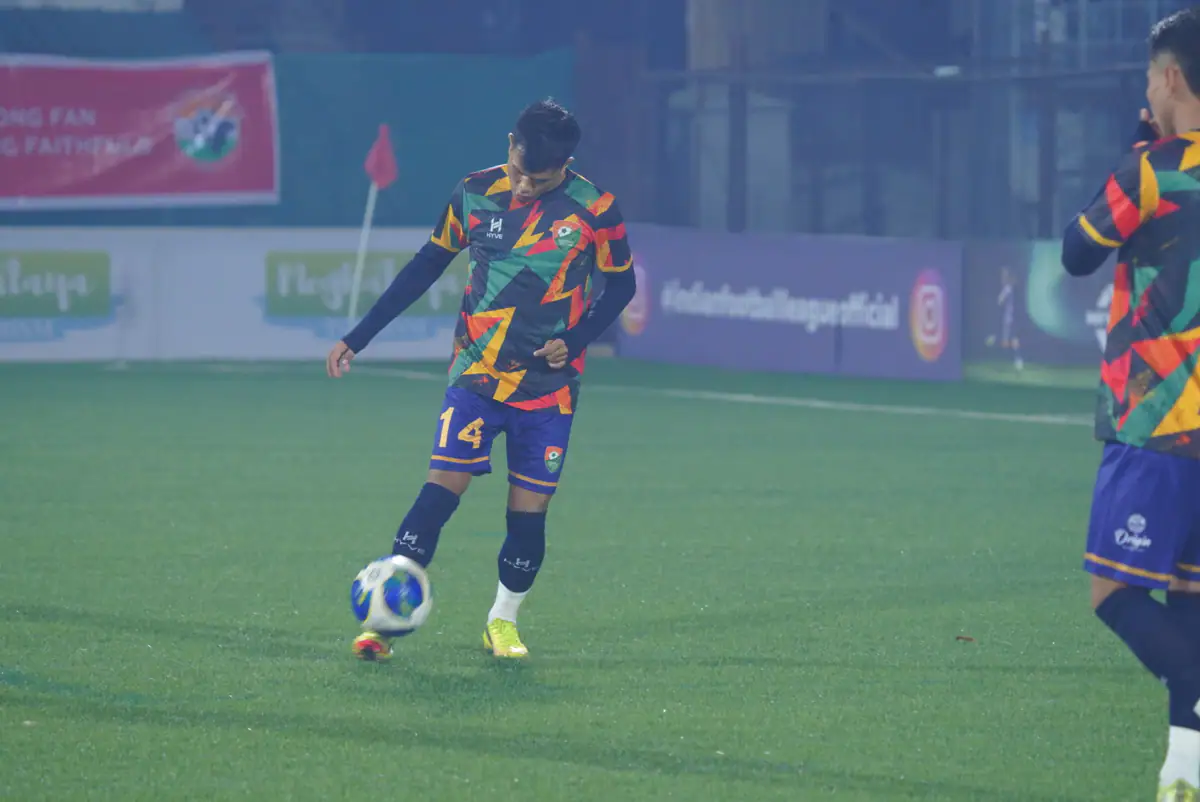
Mukundo's development through Sudeva Delhi FC and his experience in the Reliance Foundation Development League have provided him with valuable exposure beyond age-group football. He has also been part of India's youth international setup across successive qualifying cycles.
The next challenge will be consistency against stronger opposition. Receiving and turning under pressure, making decisions quickly and maintaining defensive discipline will become increasingly important as the level of competition rises.
India still have their final Group E fixture against Malaysia on November 20, with qualification for the 2027 AFC U-17 Asian Cup at stake. The team will need its leading players to deliver once again.
Gangte's goals have made him the headline act, but Mukundo deserves equal attention for the quality and intelligence he brings to India's football. He has the technical foundation to become a genuine attacking midfielder, with the versatility to contribute across the pitch.
If Gangte is India's finishing weapon, Mukundo could be the creative engine that makes the entire attack function. Together, they give the Blue Colts a combination that is not only productive today but potentially exciting for Indian football's future.
Comments (0)
to post comments, replies, and votes.
Loading comments…