Neeru Dhanda Reaches Trap Final in Almaty, Finishes Seventh After Mixed Start

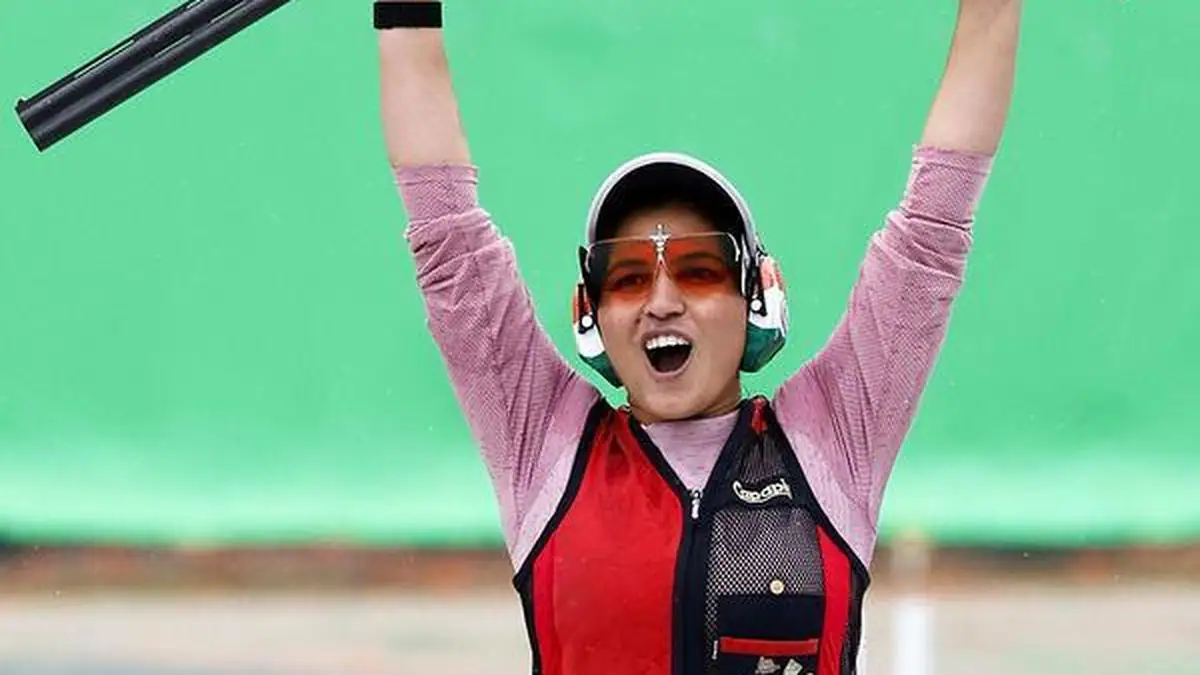
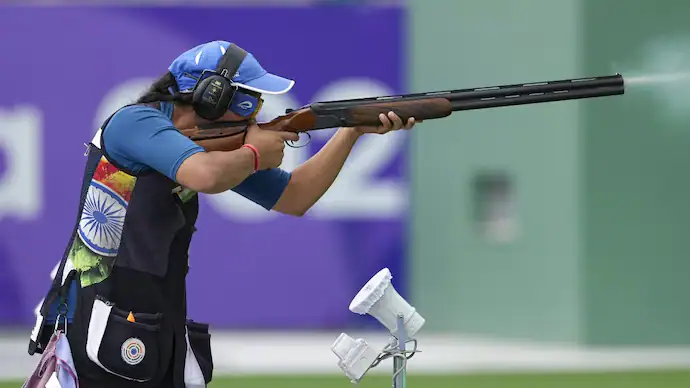
India’s Neeru Dhanda continued her steady rise on the international shooting circuit, reaching the women’s trap final at the ISSF World Cup Shotgun in Almaty before finishing seventh in a high-quality field.
For the Asian Championships gold medallist, the result reflects both progress and the fine margins that define finals at the elite level. This was not unfamiliar territory for Neeru. Just last year at the ISSF World Cup in Lonato, she had made her first-ever World Cup final, narrowly missing out on a medal after finishing fourth. On that occasion, she was edged out due to qualification ranking and bib countback an outcome that highlighted how tight the competition can be once shooters enter the final stage.
In Almaty, she once again showed her ability to navigate through a competitive qualification field and secure a place among the top eight. Making consecutive World Cup finals is, in itself, a marker of consistency something that separates contenders from occasional performers in shotgun shooting.
The final, however, presented a different challenge.
Neeru’s campaign got off to a difficult start. In the opening round of five targets, she managed just two hits, immediately putting herself on the back foot in a format where early rhythm is critical. Trap finals operate on a progressive elimination system, where shooters cannot afford slow starts, as each miss compounds pressure in subsequent rounds. To her credit, Neeru responded strongly in the next series. She registered a perfect 5/5, demonstrating composure and technical correction under pressure. The recovery showed her ability to reset quickly an essential trait in shotgun events where each target is an independent opportunity, but the psychological carryover is significant.
However, the early deficit proved costly. Despite the improved second round, her cumulative score of seven hits was not enough to keep her in contention as eliminations began. With the field maintaining high accuracy levels, Neeru exited the final in seventh place. At the top of the standings when Neeru exited, Australia’s Penny Smith set the pace early with a flawless opening series, while experienced names like Slovakia’s Zuzana Rehák Štefečeková and Spain’s Fátima Gálvez remained firmly in the mix. The level of competition underscored the challenge Neeru faced, with multiple Olympic and world-level shooters delivering consistent scores across rounds.
From a performance analysis perspective, the key takeaway for Neeru will be the importance of starting strong in finals. Qualification rounds allow room for recovery across multiple series, but finals demand immediate precision. A 2/5 opening round creates a deficit that is extremely difficult to recover from, regardless of subsequent perfection. That said, her ability to bounce back with a clean round indicates technical stability. The issue was not a systemic breakdown, but rather a brief lapse in execution at the start something that can be addressed with experience and refinement in competition routines.
Her journey over the past year suggests a clear upward trajectory. Moving from a debut final in Lonato to another final appearance in Almaty reflects growing consistency at the international level. Add to that her gold medal at the Asian Championships, and Neeru has established herself as one of India’s key names in women’s trap shooting. For Indian shooting, particularly in the shotgun discipline, such performances are significant. While rifle and pistol events have traditionally delivered Olympic success, trap and skeet have been steadily building depth. Shooters like Neeru are central to that evolution, bridging the gap between continental success and global podium contention.
Looking ahead, the focus will be on converting final appearances into medal finishes. The difference between seventh and a podium position in trap shooting often comes down to a handful of targets sometimes just one or two hits. Fine-tuning aspects such as pre-shot routine, target acquisition speed, and handling early-round pressure will be critical. Equally important will be exposure to more finals. The more frequently a shooter competes in high-pressure elimination formats, the better they adapt to the pace and intensity. Neeru’s back-to-back World Cup final appearances provide exactly that kind of experience, which could prove invaluable in future competitions.
The Almaty result, therefore, should be viewed in context. While the seventh-place finish may not reflect her full potential, the pathway she is building consistent qualifications, finals appearances, and the ability to recover within rounds points towards a shooter capable of challenging for medals.
As the ISSF circuit progresses and attention gradually shifts towards major multi-sport events, Neeru Dhanda’s performances will be closely watched. If she can align her qualification consistency with sharper starts in finals, the transition from finalist to medallist may not be far away.
Comments (0)
to post comments, replies, and votes.
Loading comments…