Nikhat Zareen Stunned at Trials as India Boxing Returns to Transparent Selection System
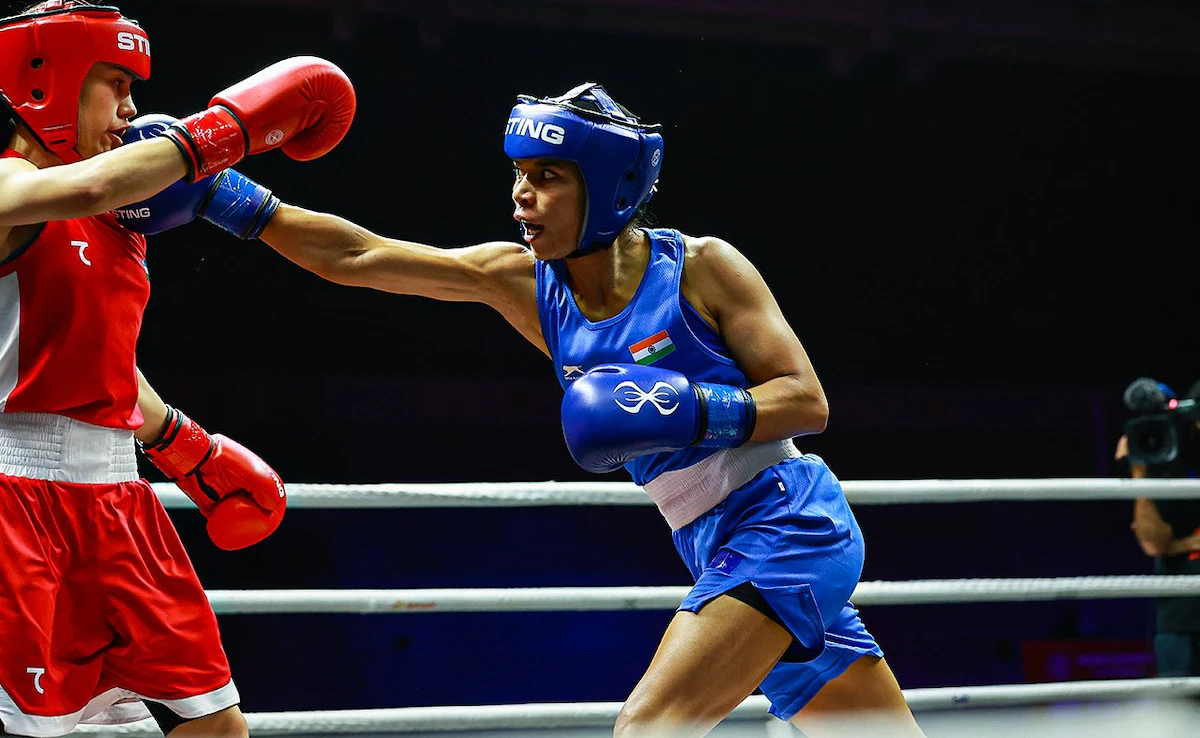
Indian boxing entered a decisive phase this week as the national trials in Patiala delivered both sporting upsets and administrative clarity.
The biggest headline came with two-time world champion Nikhat Zareen crashing out of contention for the Commonwealth Games and Asian Games after a semifinal loss in the women’s 51kg category. However, beyond the result itself, the trials marked a significant shift in India’s boxing ecosystem the return of a transparent, bout-based selection system that athletes had long been demanding.
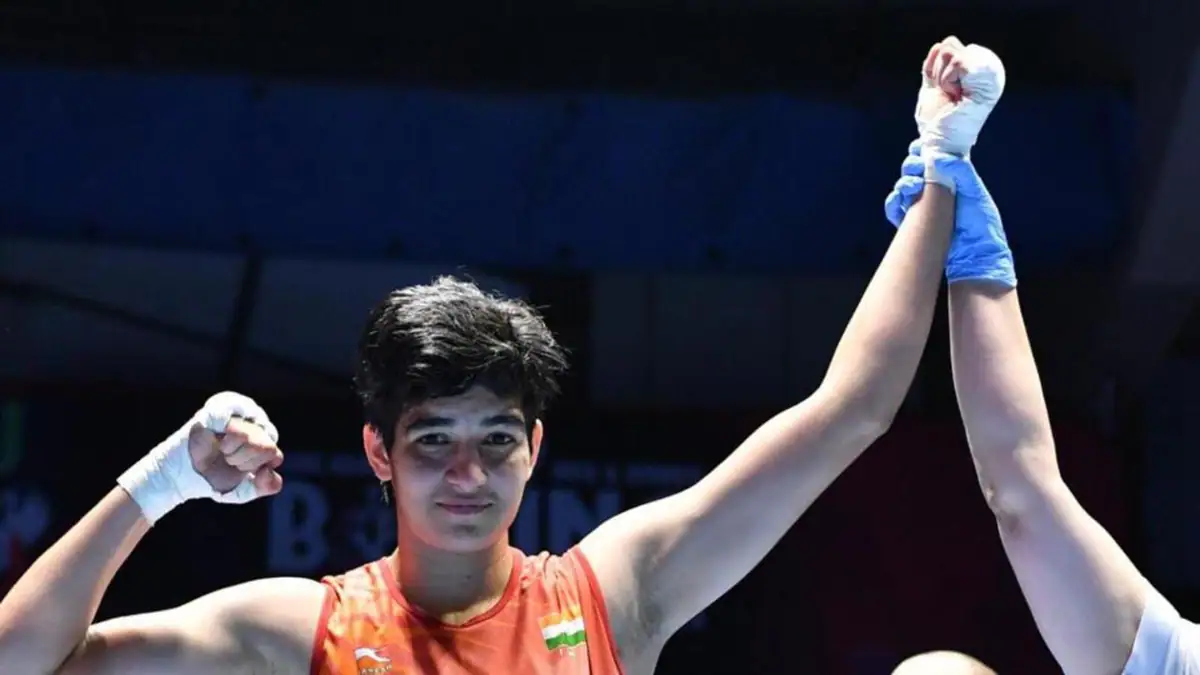
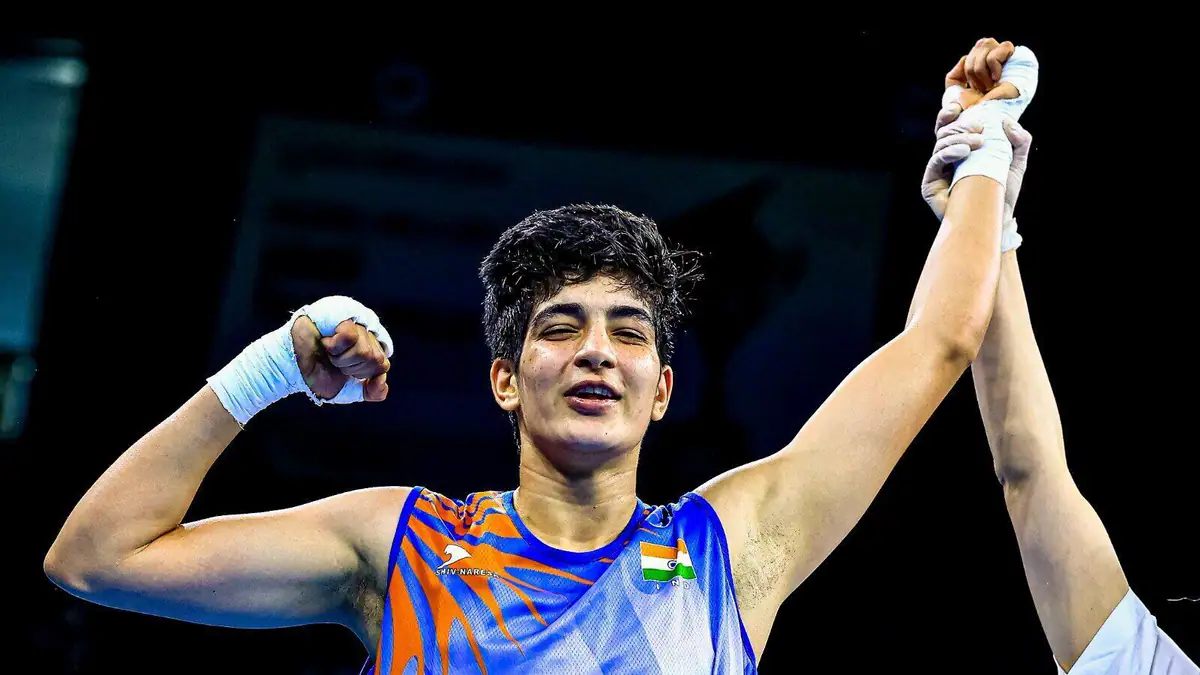
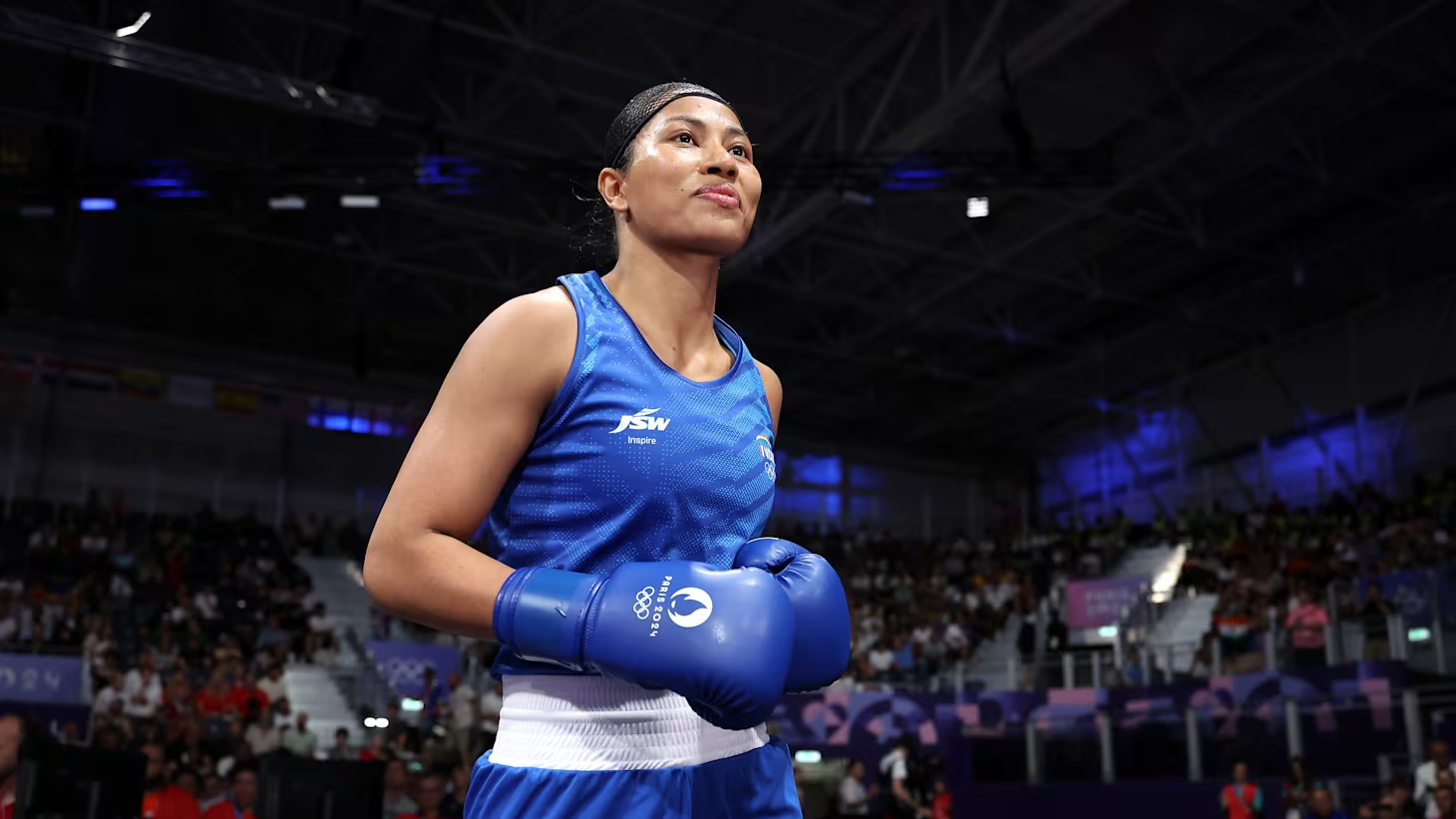
Nikhat Zareen, one of India’s most accomplished boxers in recent years, entered the trials as a strong favourite. The 2022 Commonwealth Games gold medallist and 2023 Asian Games bronze medallist brought both pedigree and experience into the competition. Yet, in the opening bout of the day, she was beaten 1-4 via split decision by Sakshi Chaudhary in the semifinals.
The result was unexpected not just because of Nikhat’s stature, but also due to her consistency at major international events. Sakshi, however, executed a disciplined and tactically sound bout, controlling key exchanges and landing cleaner punches to earn the judges’ nod.
The defeat means Nikhat will miss out on two of the most important multi-sport events of the cycle a significant development in India’s boxing roadmap.
While the result grabbed attention, the larger story lies in the return of the trial-based selection system. The Boxing Federation of India (BFI) had previously introduced an assessment-based selection process in 2023, which relied on performance evaluations rather than direct competition. However, the system remained under scrutiny, with several boxers raising concerns about lack of transparency and possible bias.
The Sports Authority of India (SAI) intervened earlier this week, suspending the assessment-based model and labelling it “opaque”. This decision led to the immediate reinstatement of open trials, conducted under the supervision of a SAI observer.
For the athletes, the change has been widely welcomed.
One international medallist noted that the trial system removes uncertainty, stating that boxers no longer have to wait for selection lists without clarity. Another emphasised that losing a bout in trials provides clear feedback, unlike the earlier system where athletes were left questioning evaluation criteria.
The sentiment is clear performance in the ring is seen as the fairest metric.
Sakshi Chaudhary’s Rise Continues
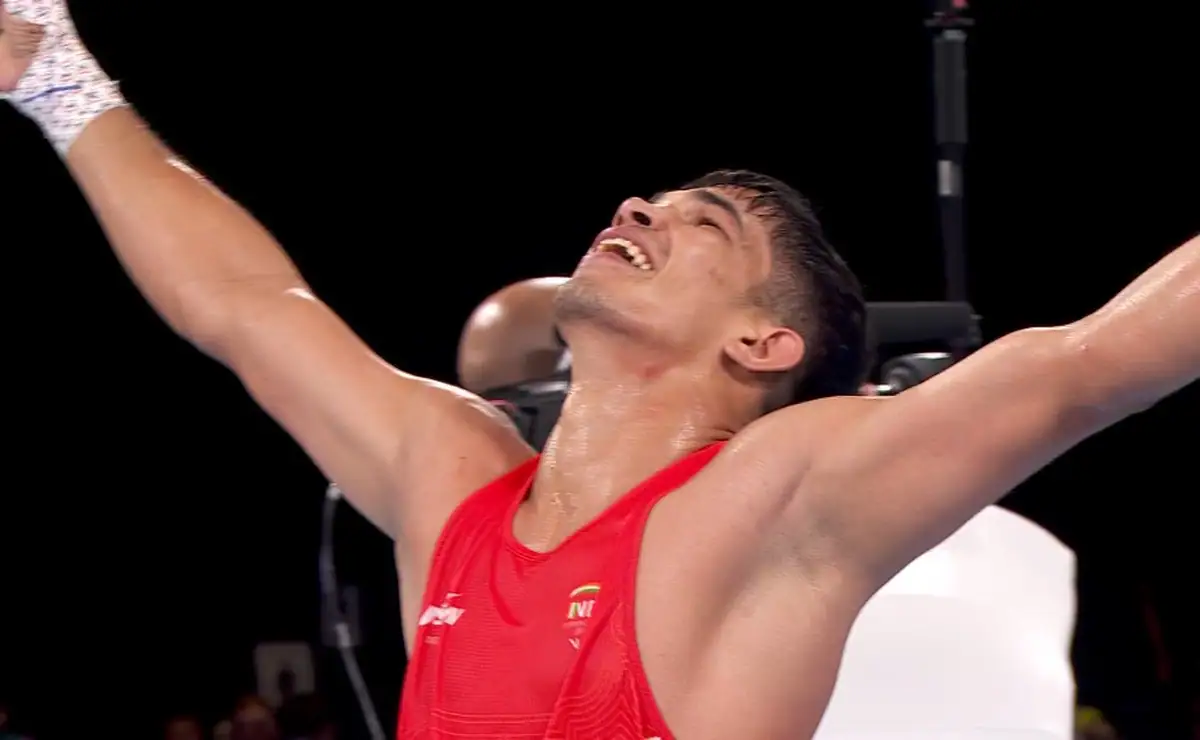
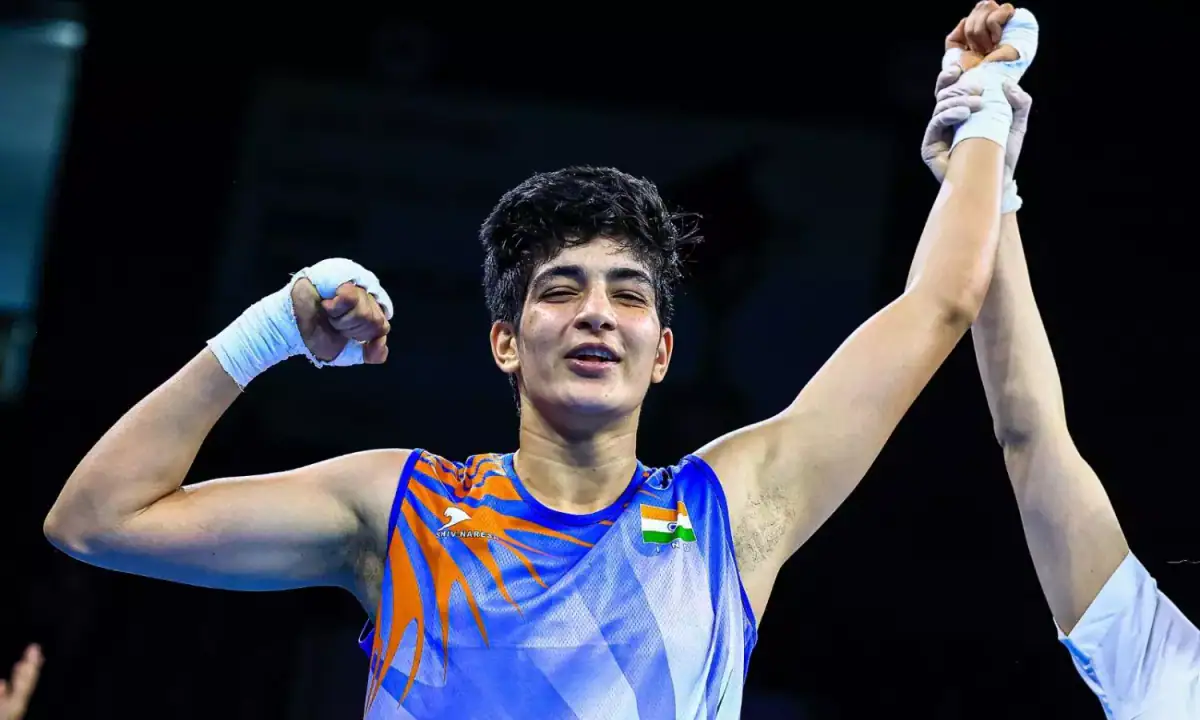
Sakshi Chaudhary emerged as the biggest beneficiary of the system’s return. Having moved down from 54kg, the Services boxer has shown sharpness and control in the 51kg category. After defeating Nikhat in the semifinals, she is set to face reigning 48kg world champion Minakshi in the final.
Minakshi secured her place in the final with a dominant performance over former world champion Nitu Ghanghas, winning by unanimous decision. The 51kg category, traditionally one of India’s strongest, is now witnessing a reshuffle, with new contenders stepping up and established names facing stiff competition.
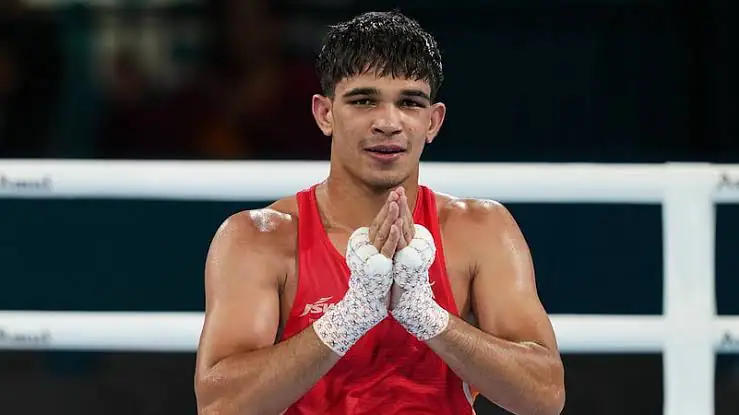
The trials have seen multiple unexpected outcomes across weight categories. In the men’s 70kg semifinals, three-time World Cup medallist Hitesh Gulia suffered a defeat to Sumit, who has also moved down in weight from 75kg. The result underlines how weight adjustments are playing a crucial role in reshaping competition dynamics. In the women’s categories, Parveen Hooda, an Asian Games bronze medallist, advanced to the 65kg final with a win over Ankushita Boro. Meanwhile, in the 80kg division, Pooja Rani faced a setback, losing to Naina in another notable result.
These outcomes highlight the increasing depth in Indian boxing, where no bout can be taken lightly.
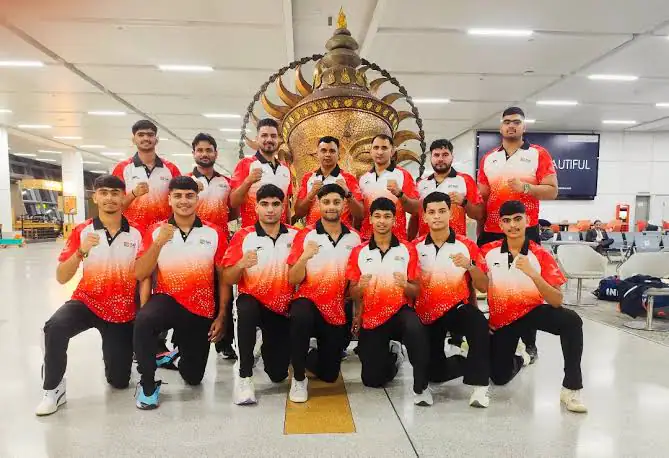
While the trials determine the majority of the squad, some boxers had already secured their places based on recent performances. Sachin Siwach (60kg), Preeti Pawar (54kg), and Priya Ghanghas (60kg) booked their spots for both the Commonwealth Games and Asian Games after reaching the finals of the Asian Championships in Mongolia last month.
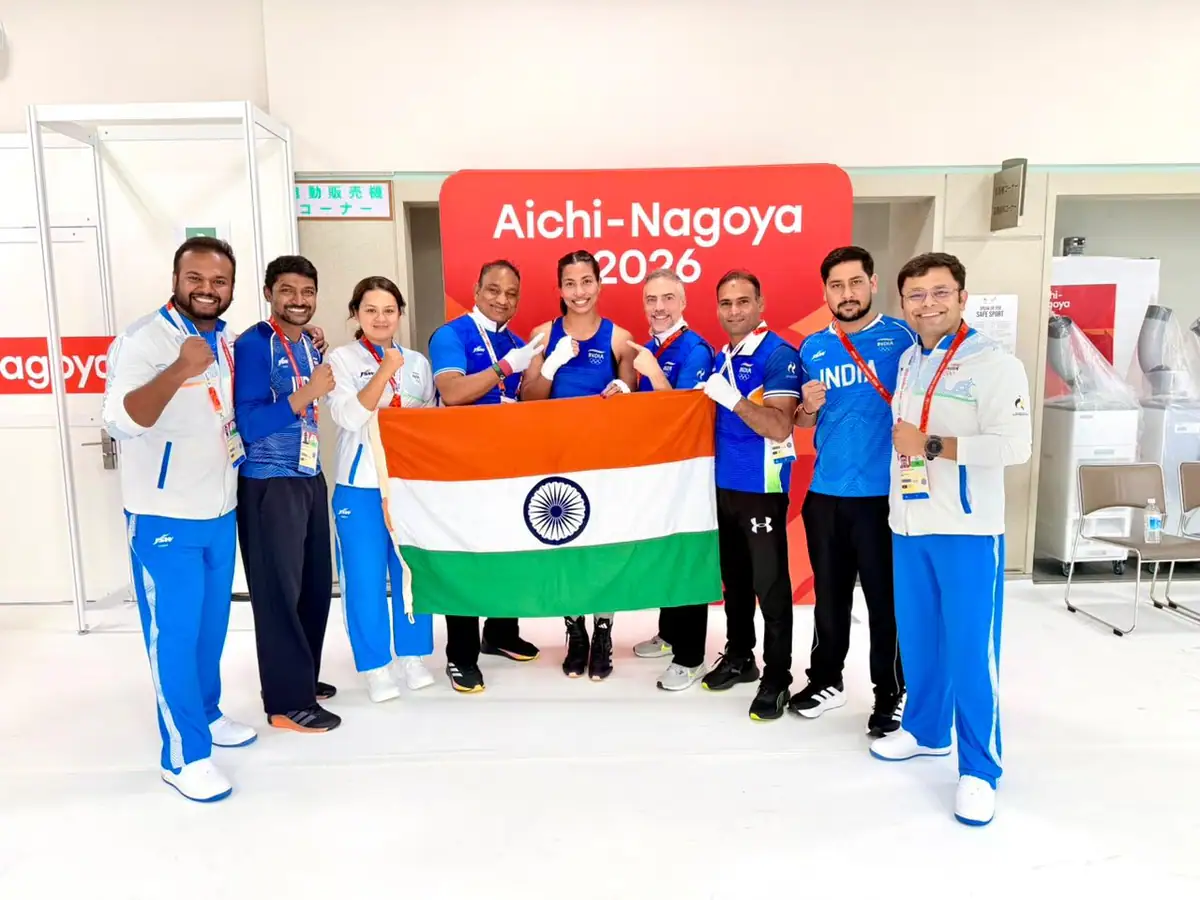
Additionally, reigning world champion Jaismine Lamboria (57kg) and Arundhati Chaudhary (70kg) have secured berths for the Commonwealth Games. However, their categories are not part of the Asian Games programme.
The roadmap following the trials is clearly defined. Boxers who win their respective categories will travel to Czechia for an exposure camp ahead of the Commonwealth Games. Meanwhile, second-ranked boxers will gain international exposure at the World Boxing Cup in Guiyang City, China, scheduled from June 15 to 20.
This dual pathway ensures that both primary and reserve athletes remain in competitive environments leading into the major events.
With the Commonwealth Games set for July-August in Glasgow and the Asian Games scheduled for September-October in Japan, the timing of this system reset could prove crucial. The return to a trial-based structure not only restores athlete confidence but also reinforces meritocracy within the system.
For Indian boxing, the message is clear selection will be decided in the ring. And as the trials have already shown, that approach is capable of producing both clarity and surprise in equal measure.
Comments (0)
to post comments, replies, and votes.
Loading comments…