OCI Players in Indian Football: Why India Needs a Long-Term Blueprint, Not Short-Term Signings
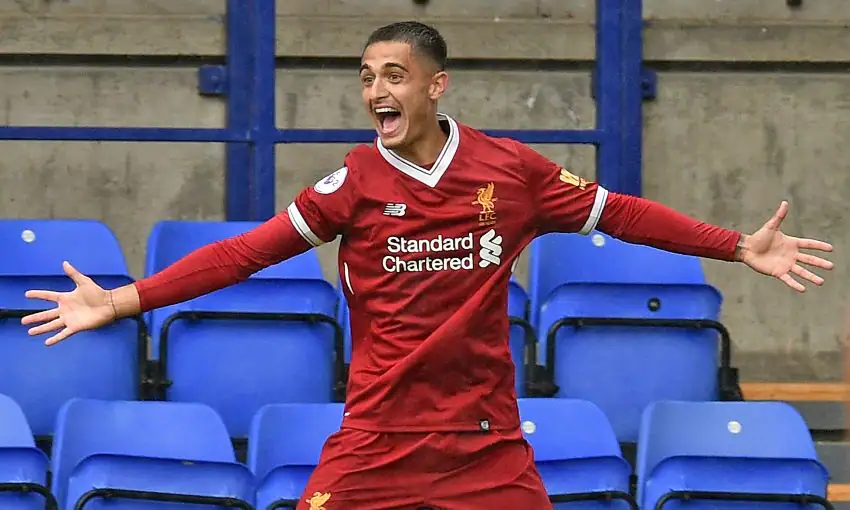
The debate around integrating Overseas Citizens of India (OCI) and Persons of Indian Origin (PIO) into Indian football has gained significant momentum in recent months.
While headlines often focus on individual players or transfer rumours, the larger question is whether India can transform diaspora recruitment into a structured national project rather than a series of isolated signings.
The answer may determine the future trajectory of Indian football.
A policy-oriented approach argues that the inclusion of OCI and PIO players should not be driven solely by clubs or player agents negotiating contracts. Instead, it should form part of a long-term vision aimed at strengthening domestic competitions, raising playing standards and ultimately improving the Indian national team.
Historically, discussions around overseas players of Indian origin have centred on individual negotiations. Clubs identify talent, agents broker deals and financial packages become the deciding factor. However, this transactional model has limitations. Without a broader framework, recruitment risks becoming inconsistent and expensive, with clubs competing for a limited pool of eligible players.
A project-based approach would instead align diaspora integration with long-term football development. Such a strategy would seek to create a sustainable pathway where qualified OCI and PIO players can contribute to domestic leagues while also strengthening the national team setup in the future.
One of the key recommendations emerging from policy discussions is the creation of a verified roster of approximately 15 to 30 committed diaspora players. The reasoning is straightforward. If Indian Super League and I-League clubs are encouraged to recruit OCI or PIO footballers, there must be enough quality players available to avoid inflated transfer markets and excessive dependence on agents.
A centralized talent pool would ensure wider distribution across clubs while providing administrators with a structured database of players genuinely interested in contributing to Indian football rather than making short-term commercial moves.
An important reality often overlooked in public discussions is that attracting elite diaspora footballers requires more than competitive salaries. Many high-quality OCI and PIO players already compete in established football ecosystems across Europe, North America and Australia. Leaving those environments for India represents a significant career decision involving sporting ambitions, competitive standards and long-term development.
To persuade such players, India must present an attractive football project featuring quality infrastructure, professional administration, competitive leagues and a credible pathway to international tournaments. Simply offering financial incentives may not be sufficient.
The potential benefits of integrating overseas talent extend well beyond strengthening individual clubs. Players developed in elite academies abroad often bring advanced tactical understanding, professional habits and high-performance standards that can positively influence teammates and younger players. Daily exposure to such environments could accelerate the development of domestic footballers and encourage clubs to modernize training methods.
Rather than replacing local talent, diaspora players should ideally complement it, creating healthy competition for places while elevating the overall standard of Indian football.
Framing OCI recruitment purely as an emotional return to ancestral roots risks underselling its broader significance. For many players, representing India could provide an opportunity to build a unique international identity while acting as ambassadors for Indian football on the global stage. Their presence can increase international visibility, attract media attention and strengthen connections between Indian football and overseas communities.
From the perspective of supporters, successful diaspora integration also broadens the sport’s appeal by connecting fans across multiple continents.
Successful football nations have demonstrated that diaspora recruitment works best when combined with investment in domestic player development. The objective should never be to rely exclusively on foreign-trained talent. Instead, overseas players should complement grassroots programmes, youth academies and domestic competitions.
A carefully designed framework can create a virtuous cycle in which local footballers benefit from higher standards while diaspora athletes gain opportunities to contribute meaningfully to India’s football ambitions.
The excitement surrounding potential OCI and PIO recruitment is understandable, particularly given India’s desire to improve its competitiveness on the international stage. However, meaningful progress will depend less on high-profile signings and more on careful planning. Developing a verified talent database, ensuring regulatory clarity, expanding scouting networks and creating a professional football environment capable of attracting quality players are all essential components of a successful strategy.
Without those foundations, diaspora integration risks becoming a collection of isolated transfers that generate temporary excitement but fail to produce lasting impact.
If executed thoughtfully, the integration of OCI and PIO players could become one of the most transformative initiatives in Indian football. It offers the possibility of strengthening domestic leagues, increasing competition for places, exposing young Indian footballers to higher standards and expanding the talent pool available to the national setup.
Achieving those outcomes, however, requires vision and coordination. The focus must shift from individual negotiations to institution-building, from short-term publicity to sustainable planning, and from isolated transactions to a genuine national mission.
For Indian football, the opportunity is significant. But real success will depend on creating a robust blueprint that balances diaspora talent with domestic development and positions the sport for long-term growth rather than short-lived headlines.
Inpired by Shaji Prabhakarn post
Comments (0)
to post comments, replies, and votes.
Loading comments…