Pro Wrestling League: From Sushil Kumar to Aman Sehrawat, the Wrestlers Who Built India's Franchise Wrestling Legacy
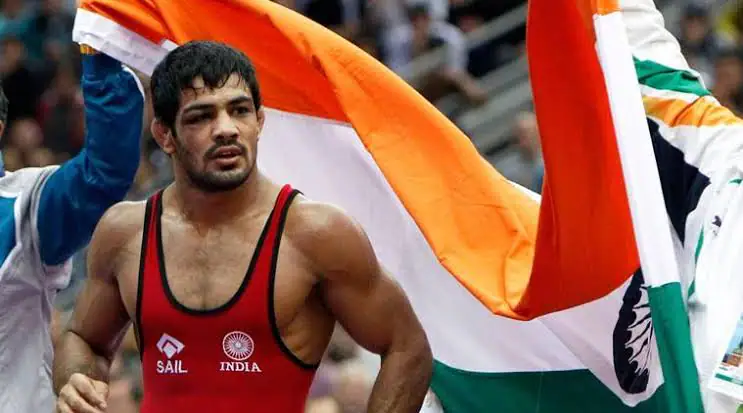
Since its launch in 2015, the Pro Wrestling League (PWL) has occupied a distinctive space in Indian sport.
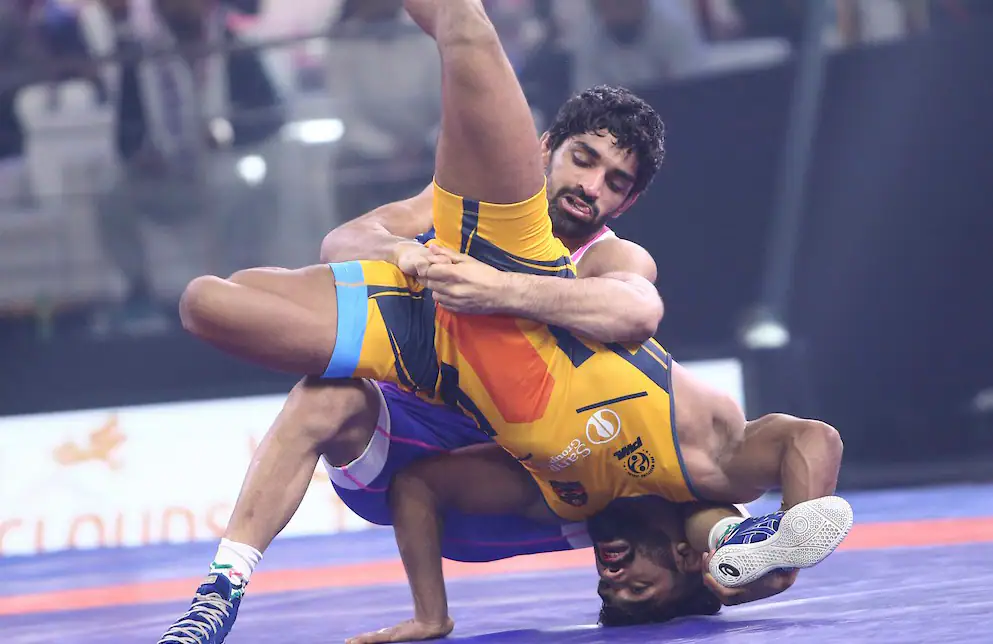
Unlike conventional domestic wrestling competitions, the league brought Olympic medallists, world champions and India's leading freestyle wrestlers into a franchise format, creating match-ups that rarely occur in regular international competition.
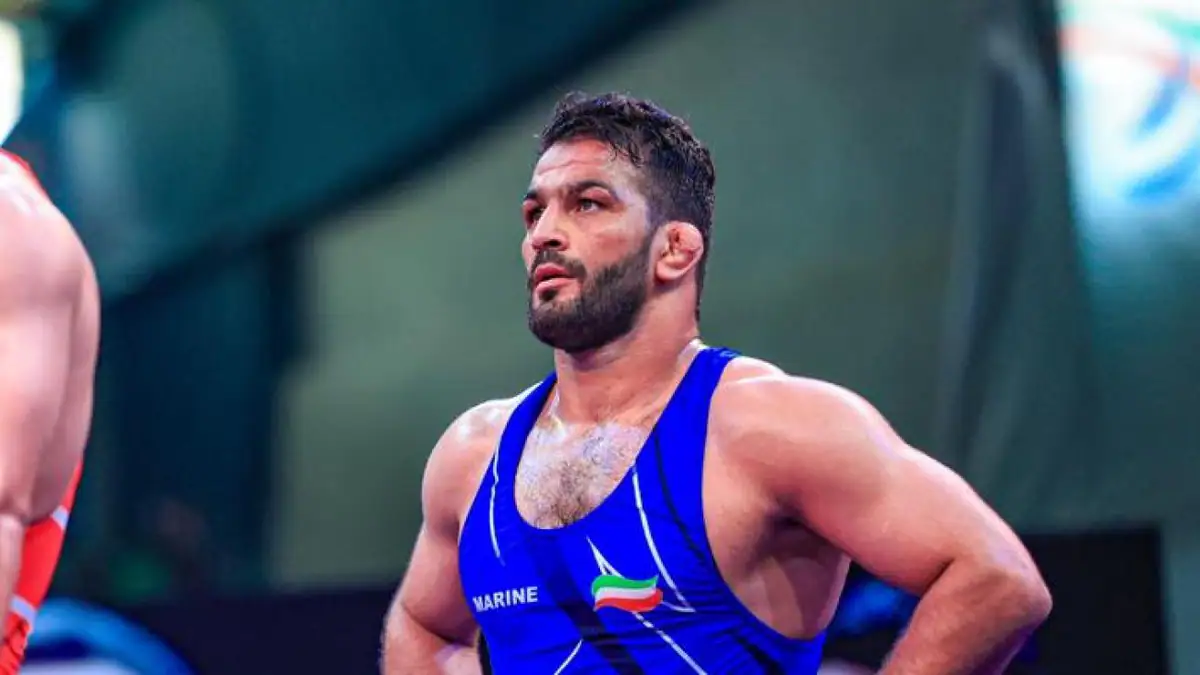
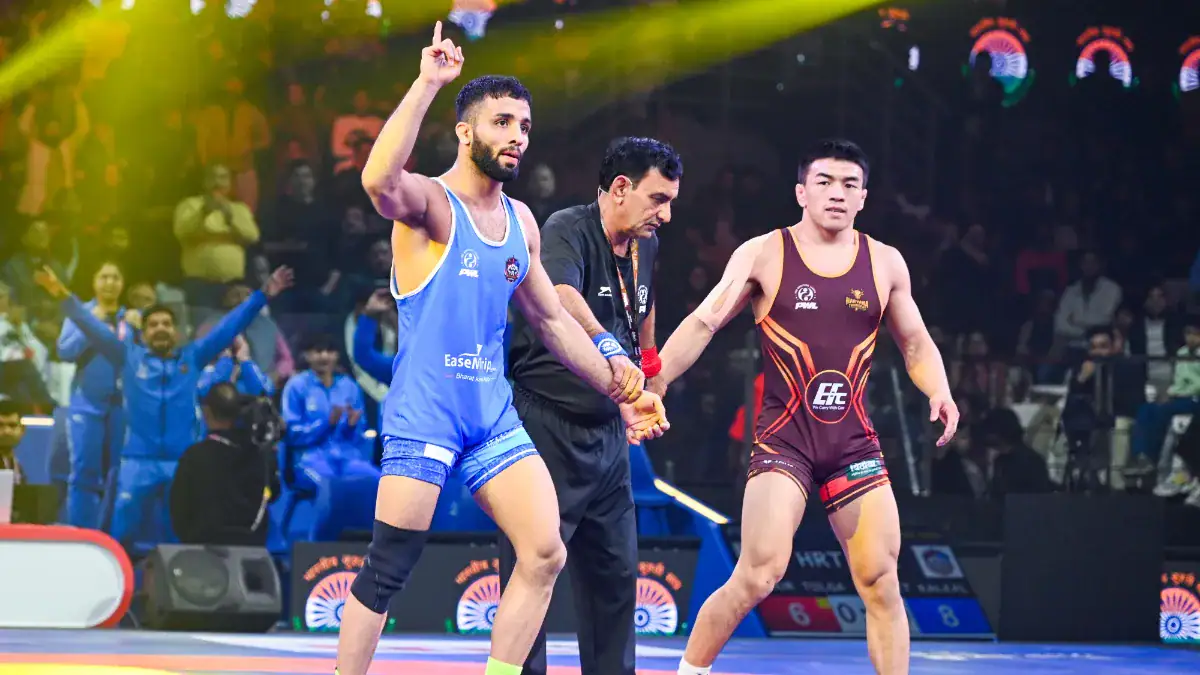
Across five completed editions, PWL has featured three generations of Indian wrestling: the Olympic icons Sushil Kumar and Yogeshwar Dutt; the generation of Bajrang Punia, Sakshi Malik, Vinesh Phogat and Ravi Kumar Dahiya; and the emerging stars of the Paris 2024 cycle, led by Aman Sehrawat, Antim Panghal and Sujeet Kalkal.
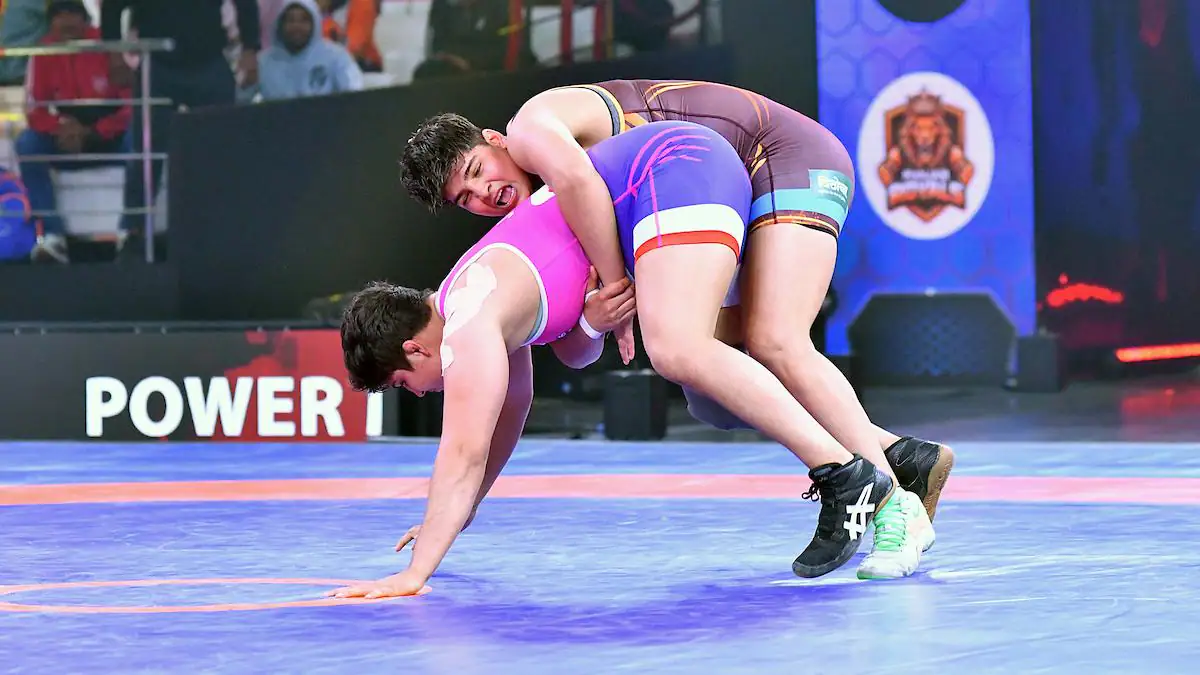
Its significance, however, cannot be measured only by the names that appeared at auction. The league's defining moments came on the mat: domestic wrestlers defeating Olympic champions, young athletes earning opportunities against elite international opposition, and franchise finals being decided by individual bouts under intense pressure.
The inaugural 2015 season was built around the commercial appeal of India's Olympic heroes. Yogeshwar Dutt, the London 2012 bronze medallist, became the costliest Indian wrestler at the auction, joining Haryana Hammers for ₹39.70 lakh. Sushil Kumar, a two-time Olympic medallist, was acquired by Uttar Pradesh Warriors for ₹38.20 lakh.
Their presence established PWL as a serious competitive platform rather than a celebrity-driven exhibition. Yet their league careers also illustrated the physical demands and unpredictability of professional wrestling. Dutt missed the inaugural final through injury, while Sushil's much-anticipated return in 2018 was disrupted by a knee injury and the league's category-blocking rule, which allowed opponents to prevent a particular weight category from being contested during league ties.
Narsingh Yadav provided a more consistent sporting return in the first season. Representing Bengaluru Yodhas, he became the inaugural Wrestler of the Series (Men), demonstrating the value of a dependable domestic performer in a team format.
The rise of India's Olympic generation
PWL's first four seasons coincided with the development of wrestlers who would subsequently become central to India's Olympic campaigns.
Bajrang Punia's journey reflected the league's competitive depth. After representing Bengaluru in 2015, he joined Delhi Sultans in 2017 for ₹38 lakh, becoming the costliest Indian wrestler of that auction. He suffered an unexpected 6–9 defeat to Haryana's Rajneesh, a reminder that domestic competition could be just as demanding as international opposition. In the 2019 final, Bajrang responded by defeating Rajneesh 11–0, although Punjab Royals eventually lost the team contest.
Ravi Kumar Dahiya's trajectory is another compelling example. Initially signed by Dilli Veer for only ₹4 lakh in 2015, he returned in 2019 as an important part of Haryana Hammers' championship campaign. His 8–0 victory over Nitin Rathi in the Grand Final helped Haryana establish a commanding 4–0 lead. Two years later, Dahiya won Olympic silver at Tokyo 2020.
PWL also created opportunities for Indian wrestlers to test themselves against established international champions. Sandeep Tomar's 3–1 victory over reigning Olympic and World Champion Vladimer Khinchegashvili in 2017 was one of the league's most significant domestic upsets. Khinchegashvili subsequently avenged that defeat in the final, winning 3–0.
Women's wrestling: PWL's biggest competitive and commercial success
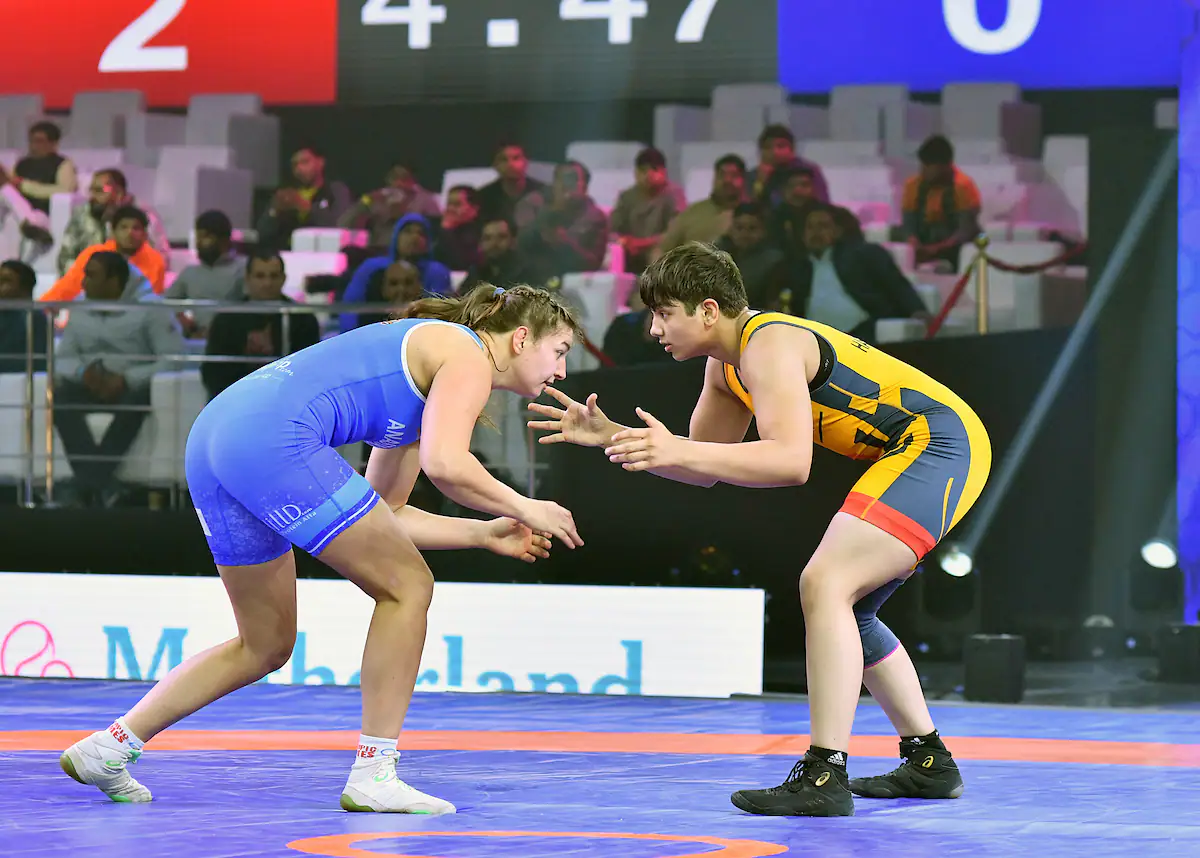
One of PWL's most important contributions has been the visibility and commercial recognition it gave women's freestyle wrestling.
The league consistently featured four women's weight categories in its nine-bout team format, placing female wrestlers at the centre of franchise strategy. Its auction history reflects that importance: international women repeatedly attracted some of the highest bids, with Japan's Yui Susaki eventually setting the all-time record at ₹60 lakh in 2026.
Indian Olympic medallist Sakshi Malik was among the league's most consistent performers. After winning the inaugural title with Mumbai Garuda, she joined Delhi Sultans in 2017 and completed the season unbeaten. Her victories included technical superiority wins of 16–0 over Pooja Dhanda, 10–0 over Manju Kumari and 12–0 over Manisha.
Vinesh Phogat also made an immediate impact, sharing the inaugural season's Wrestler of the Series (Women) honour with Nigeria's Odunayo Adekuoroye.
The Phogat family brought further attention to the competition. Ritu Phogat became the costliest Indian woman at the 2017 auction with a ₹36 lakh bid, while Geeta, Babita and Sangeeta also featured across franchises.
Perhaps the most memorable individual performance came from Pooja Dhanda in 2018. Representing Punjab Royals, she defeated American Olympic and World Champion Helen Maroulis twice, including a dramatic 3–2 victory in the Grand Final. That result helped Punjab establish an unassailable lead on its way to the championship.
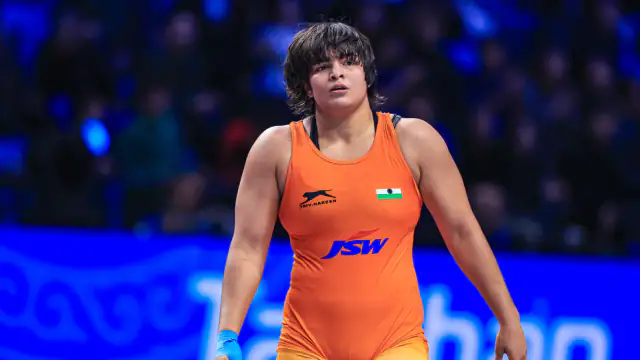
The 2026 revival continued this trend. Antim Panghal commanded ₹52 lakh from UP Dominators, becoming the costliest Indian woman in PWL history. Manisha Bhanwala and young wrestlers such as Kajal Dhochak and Neha Sangwan also demonstrated the depth of Indian women's wrestling.
PWL's international recruitment has been central to its identity. The league has featured Olympic champions, world champions and medallists from Georgia, Japan, the United States, Russia, Ukraine, Azerbaijan, Sweden and several other wrestling nations.
Georgia's Vladimer Khinchegashvili and Geno Petriashvili were among the defining international male performers of the early seasons. Petriashvili was particularly dominant in 2018, finishing unbeaten and recording a 15–0 victory over Sumit Malik in the final.
On the women's side, Oksana Herhel, Mariya Stadnik, Sofia Mattsson, Erica Wiebe and Helen Maroulis brought exceptional international credentials. Herhel's ₹41.30 lakh bid in 2015 made her the auction's overall highest-paid wrestler, while Stadnik and Wiebe delivered unbeaten campaigns in 2017.
The 2026 season raised the financial benchmark again. Susaki's ₹60 lakh signing for Haryana Thunders remains the league's highest auction price. Poland's Robert Baran matched Sushil Kumar's male auction record at ₹55 lakh. On the mat, Delhi's Turan Bayramov was the standout men's performer, completing an unbeaten 7–0 campaign and scoring 59 points to earn Player of the Tournament.
PWL's championship history has been shaped by the strength of its northern franchises. Haryana Hammers lost three consecutive finals between 2015 and 2018 before finally winning the title in 2019 with a 6–3 victory over Punjab Royals. In the 2026 revival, the newly constituted Haryana Thunders continued that legacy by defeating Delhi Dangal Warriors 5–4.
The competition's rules have also evolved. Earlier editions allowed captains to block one opposing weight category during league ties, creating an additional tactical dimension to team selection. The 2026 revival removed that provision and gave the toss-winning captain control over bout order.
The introduction of the Power Minute, in which points scored during the final 60 seconds count double, added another layer of strategic complexity. Coaches must now consider not only technical superiority and match-ups but also how wrestlers manage their energy and scoring opportunities late in a bout.
Season 6: The next chapter
PWL now enters its next phase with Season 6 scheduled for January 3–19, 2027, at the KD Jadhav Wrestling Arena in New Delhi. The auction is scheduled for November 30, 2026, at the Grand Hyatt in Mumbai.
The league's history demonstrates what makes the format valuable: it brings international-standard competition to Indian audiences while giving domestic wrestlers opportunities to compete against some of the world's best. Its strongest legacy is not simply the auction prices or the star names, but the competitive environment created by putting elite wrestlers into a team contest where every bout can influence a championship.
For Indian wrestling, PWL's challenge is to sustain that environment, strengthen its commercial foundations and ensure that the league complements the long-term development of athletes. If it can achieve that balance, its next seasons can become an important part of India's wider wrestling ecosystem.
Comments (0)
to post comments, replies, and votes.
Loading comments…