Rugby Premier League Unveils Auction And Draft Structure Ahead Of Historic Inaugural Season

Indian rugby took another major step towards a professional franchise ecosystem as the upcoming HSBC Rugby Premier League officially revealed its auction and draft guidelines for both men’s and women’s players ahead of the inaugural season.
The league, backed by Rugby India and GMR Sports, is set to introduce a unique player acquisition model that combines an auction system for Indian players and a structured international draft for overseas stars. The move is aimed at ensuring competitive balance across teams while also giving Indian players greater visibility and financial opportunities in the growing rugby landscape. With the inaugural men’s and women’s Rugby 7s leagues scheduled to take place in Hyderabad later this year, the announcement provides further clarity on how squads will be assembled for what is expected to be a landmark moment for the sport in India.
One of the most significant announcements was the introduction of a formal auction system for Indian players across both the men’s and women’s categories. According to the guidelines released by the organisers, bidding for Indian players will begin at a base price of ₹50,000. Franchises will then compete in a step-by-step bidding process, allowing players to discover their market value based on demand and team strategy. The organisers highlighted that the auction model is designed not just to allocate players but also to create financial recognition for Indian rugby athletes, many of whom have historically competed without the commercial ecosystem seen in other sports.
The structure is expected to particularly benefit players from India’s national rugby circuit, where several athletes have consistently represented the country in Asian and international competitions but have had limited exposure to franchise-based professional opportunities.
The inclusion of both men’s and women’s players in the same framework is also being viewed as an important step toward equality and visibility within Indian rugby.
International Players To Be Selected Through Draft
While Indian players will go through the auction route, international players will be allocated through a structured draft process. The league has adopted the globally popular “snake draft” model, which is widely used across professional sports leagues worldwide. Under this system, franchises will select international players in a pre-defined order, with the order reversing after every round.
For example:
Round 1 will run from Team 1 to Team 6
Round 2 will reverse from Team 6 back to Team 1
Round 3 will again move from Team 1 to Team 6
This format is designed to maintain parity among teams and prevent any single franchise from dominating the talent pool. The organisers stated that the draft rewards long-term squad-building strategy rather than simply financial strength. It also ensures that every franchise gets access to quality international talent, which is expected to improve the overall competitiveness of the league. The league believes the draft model will help create balanced squads while maintaining fan interest throughout the season.
One of the major themes behind the newly announced structure is competitive balance. The organisers emphasised that no team should gain an overwhelming advantage during squad building. The combination of auctions, snake drafts, and retention rules is intended to ensure fairness across the competition. Under the retention policy, franchises will be allowed to keep a limited number of players. However, if a particular roster spot has already been filled through retention, that franchise will skip its turn during the draft process.
This prevents teams from stacking their squads unfairly while still allowing some continuity and identity within franchises. The “snake draft” model especially ensures that teams selecting earlier in one round will automatically pick later in the following round, balancing the overall quality of selections. Globally, this system has been successful in maintaining parity in several professional leagues, and Rugby India appears keen to bring similar professionalism into the domestic rugby ecosystem. The Rugby Premier League is being seen as one of the most ambitious projects in Indian rugby history.
While the sport has traditionally remained outside the mainstream compared to cricket, football, badminton, or kabaddi, the new league has the potential to significantly increase visibility for rugby players in India. The introduction of a franchise-based structure, player salaries, televised matches, and international participation could create a completely new commercial pathway for the sport.
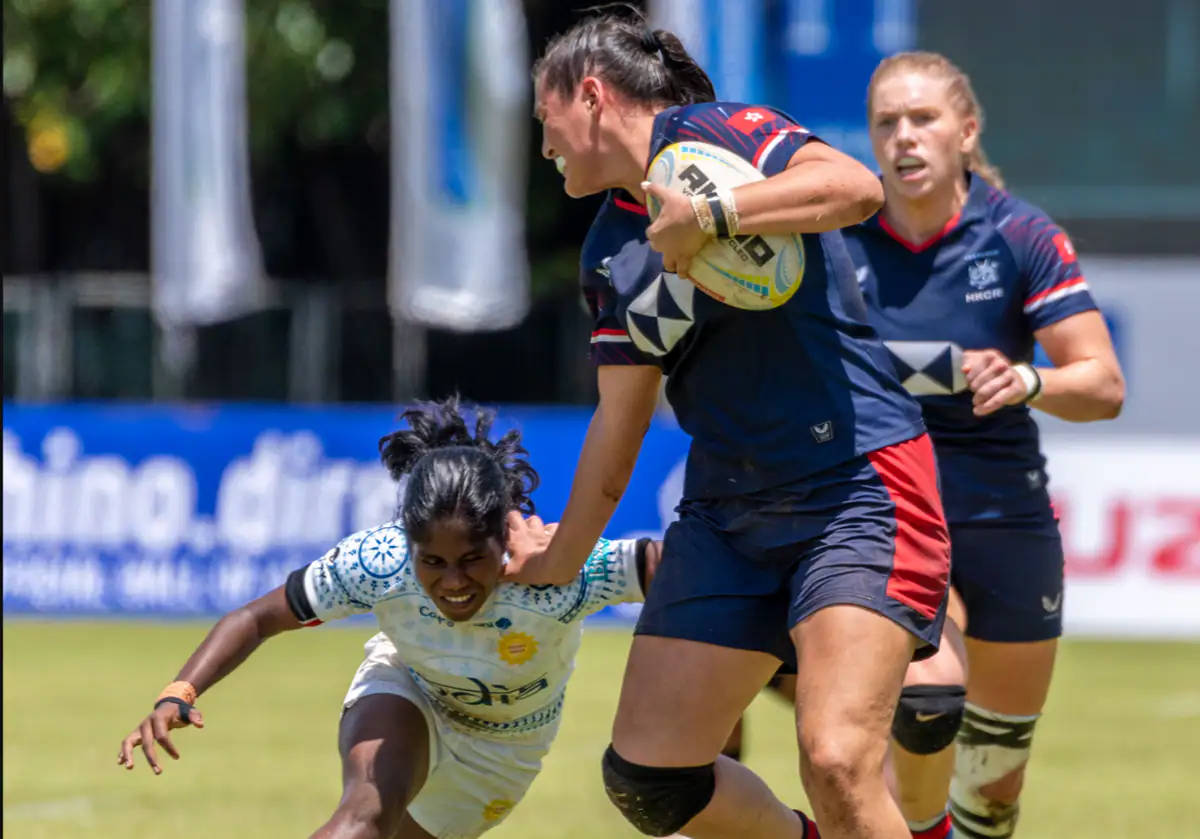
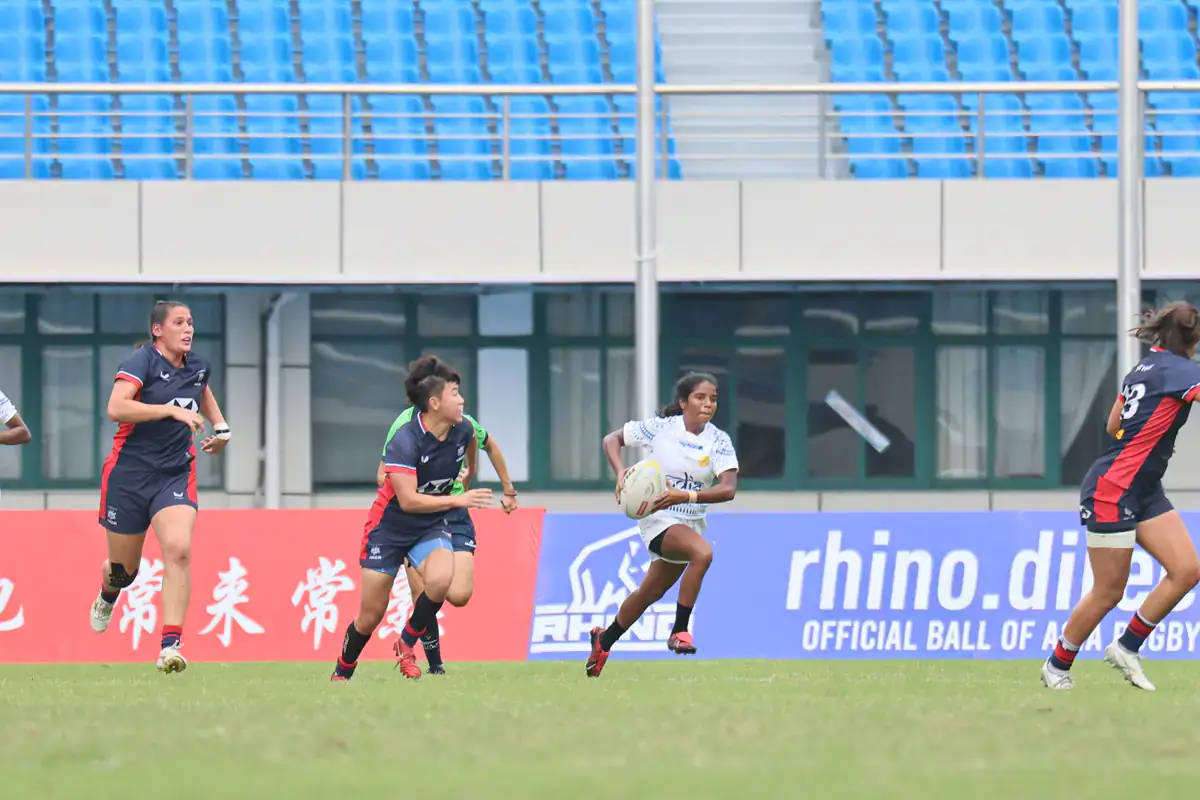
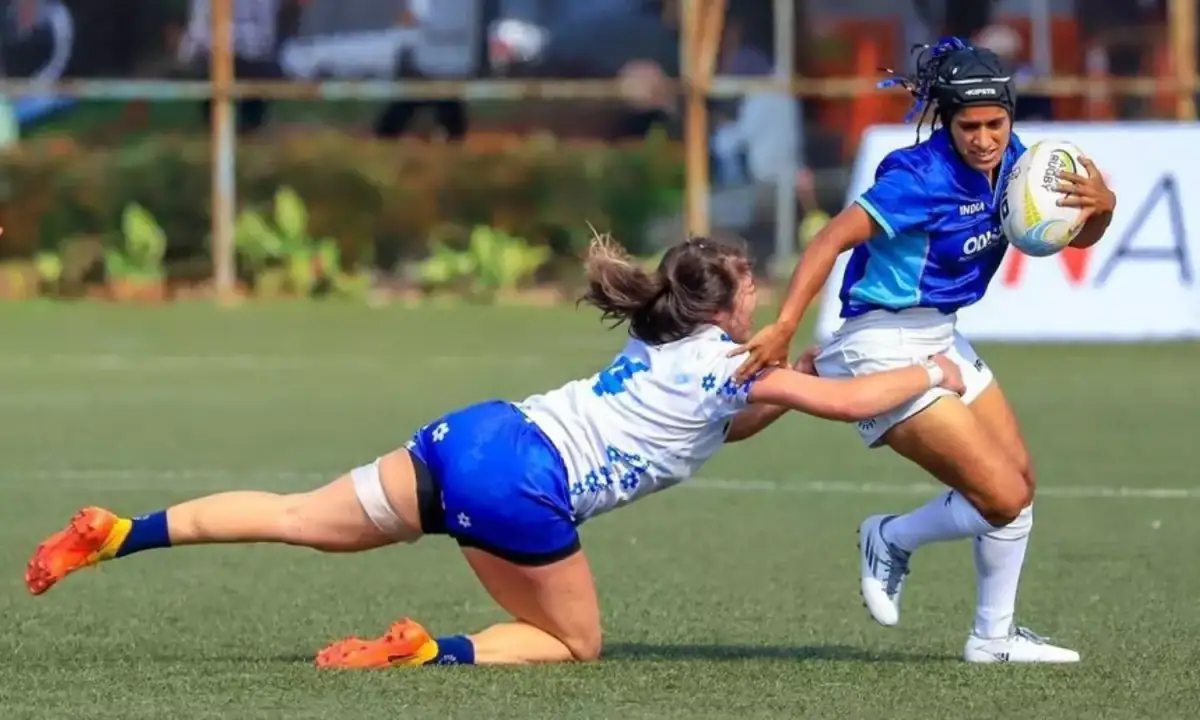
Importantly, the simultaneous inclusion of both men’s and women’s competitions reflects the sport’s strong culture of gender representation. Women’s rugby in India has steadily grown over the past decade, with the national teams regularly competing in Asia Rugby tournaments and the Rugby 7s format gaining popularity. The new league could now provide Indian women players with a larger platform to showcase their talent alongside international stars.
The inaugural Rugby 7s league season for women will be hosted at the Gachibowli Stadium in Hyderabad from June 16 to June 28, 2026.
The women’s competition will feature four franchises:
Delhi Redz
Mumbai Dreamers
Chennai Bulls
Kolkata Banga Tigers
Meanwhile, the men’s competition will include six teams which will have its second season after a successful completion last year. The official draft and auction for all teams is scheduled to take place on April 30 in Hyderabad, where franchises will finalise their squads for the inaugural edition.
For Indian rugby, the coming weeks could represent a defining chapter. The announcement of detailed auction and draft mechanisms signals a serious attempt to build a sustainable and professionally structured league rather than a short-term exhibition tournament. From giving Indian players financial recognition to introducing globally proven drafting systems, the Rugby Premier League appears focused on long-term growth and credibility.
If executed successfully, the league could become a major boost for Rugby 7s in India and potentially inspire a new generation of players to take up the sport professionally.
Comments (0)
to post comments, replies, and votes.
Loading comments…