Rugby Emerges as India’s Fourth Dual-Gender League Sport, Signalling a New Era in Team Sports
India’s sporting ecosystem is undergoing a clear and deliberate transformation. For decades, the country’s professional sports structure revolved almost entirely around cricket.
India’s sporting ecosystem is undergoing a clear and deliberate transformation. For decades, the country’s professional sports structure revolved almost entirely around cricket.
Today, that landscape is shifting rapidly. With rugby now joining cricket, football, and hockey as a sport that offers structured professional leagues for both men and women, India has taken another significant step toward building a balanced, multi-sport ecosystem. The introduction of a Rugby Premier League (RPL) with plans to include both men’s and women’s competitions marks a critical milestone in this evolution. It is not just about adding another league it reflects a deeper structural shift in how Indian sport is being organized, commercialised, and aligned with global standards.
Cricket remains the benchmark for commercial success in Indian sport. The Indian Premier League (IPL) created a blueprint for franchise-based leagues, and the subsequent launch of the Women’s Premier League (WPL) demonstrated that women’s sport could also command serious investment and viewership. Football followed a similar trajectory, with the Indian Super League (ISL) on the men’s side and the Indian Women’s League (IWL) providing a pathway for female athletes. Hockey, after a period of decline at the league level, re-emerged strongly with the revival of the Hockey India League (HIL), which introduced a women’s competition alongside the men’s format.
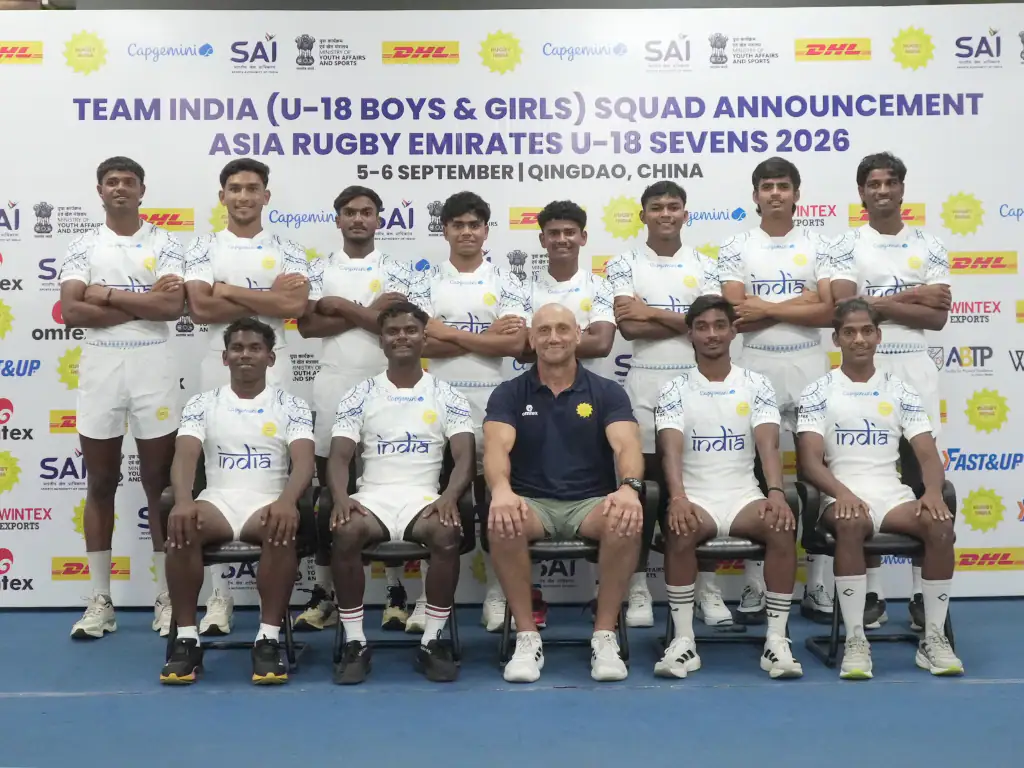
Now, rugby has entered this space, becoming the fourth major team sport in India to adopt a dual-gender professional league structure. This is not an isolated development it is part of a broader movement aimed at creating equal opportunities and sustainable pathways for athletes across disciplines.
Rugby’s Strategic Entry into the League Ecosystem
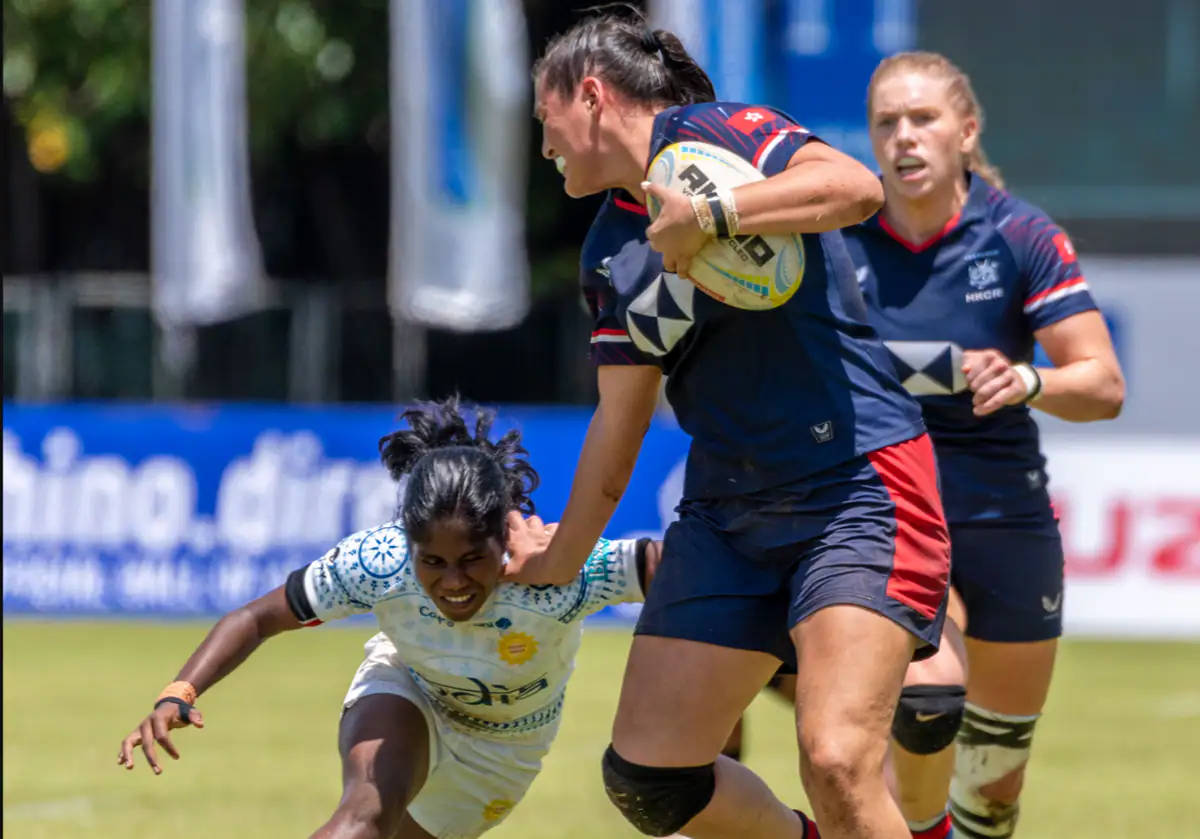
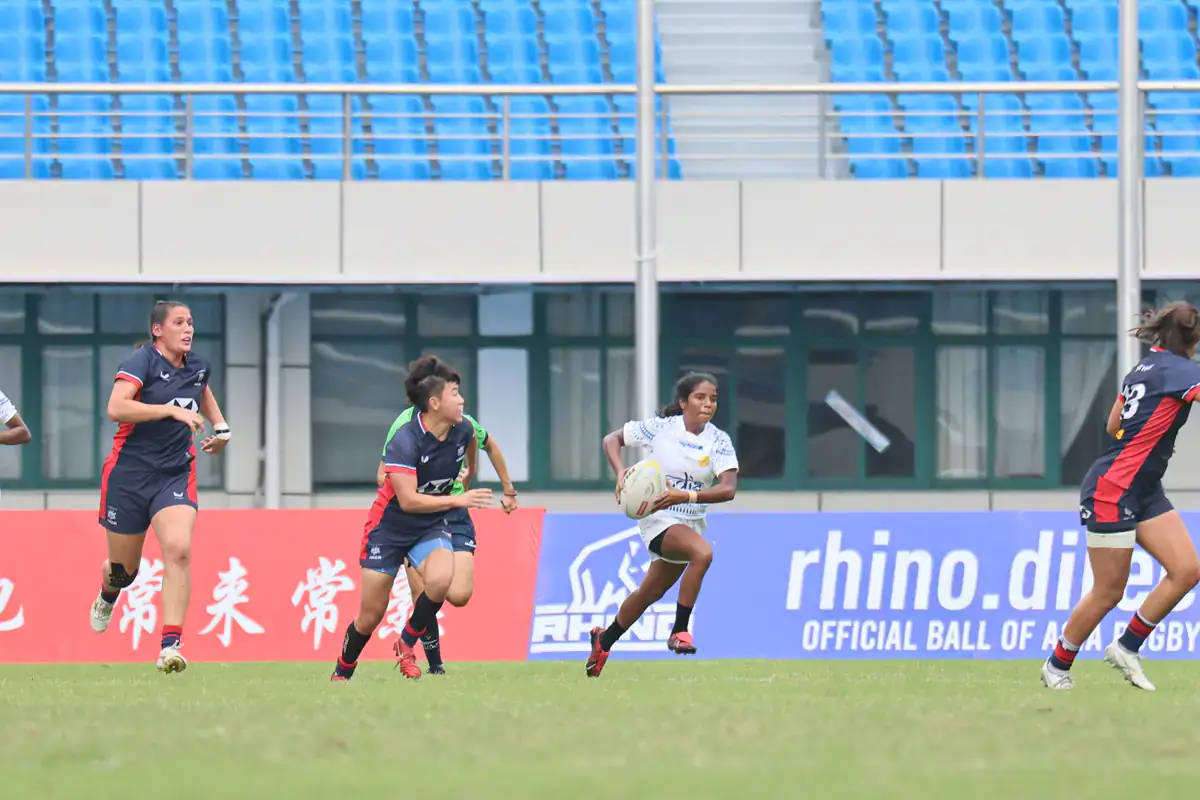
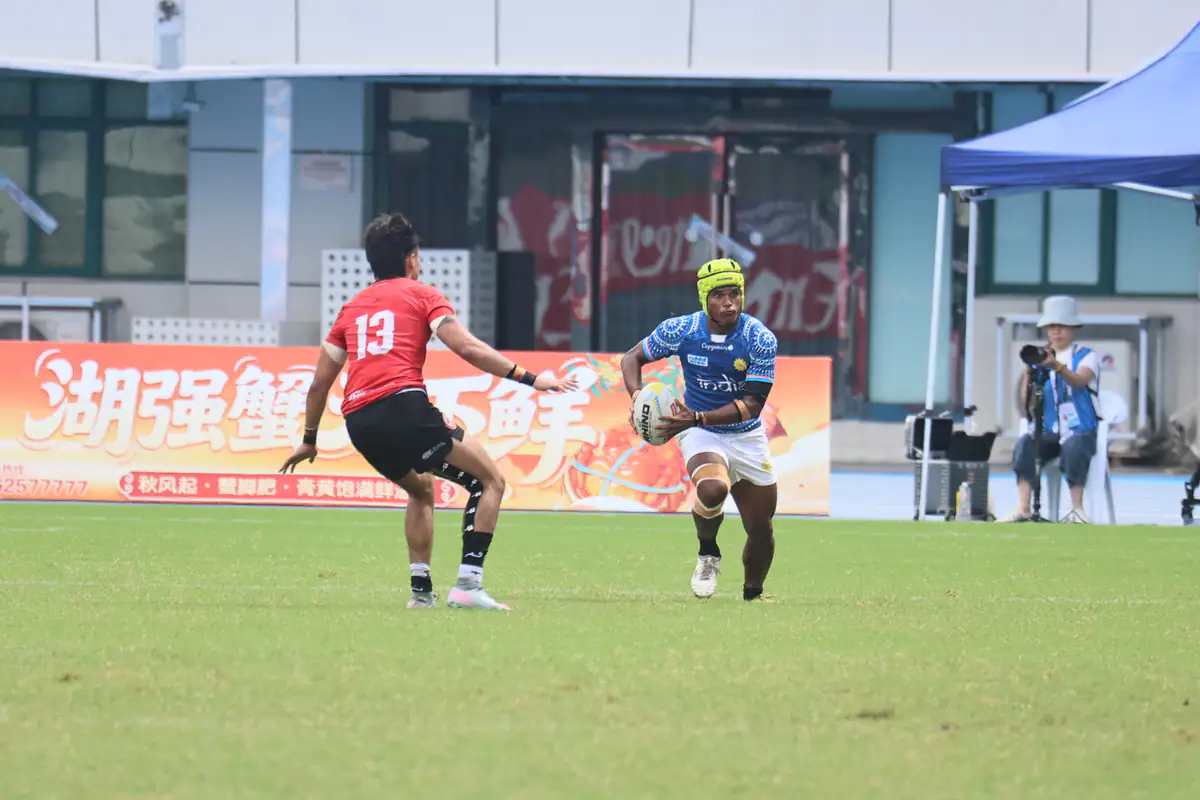
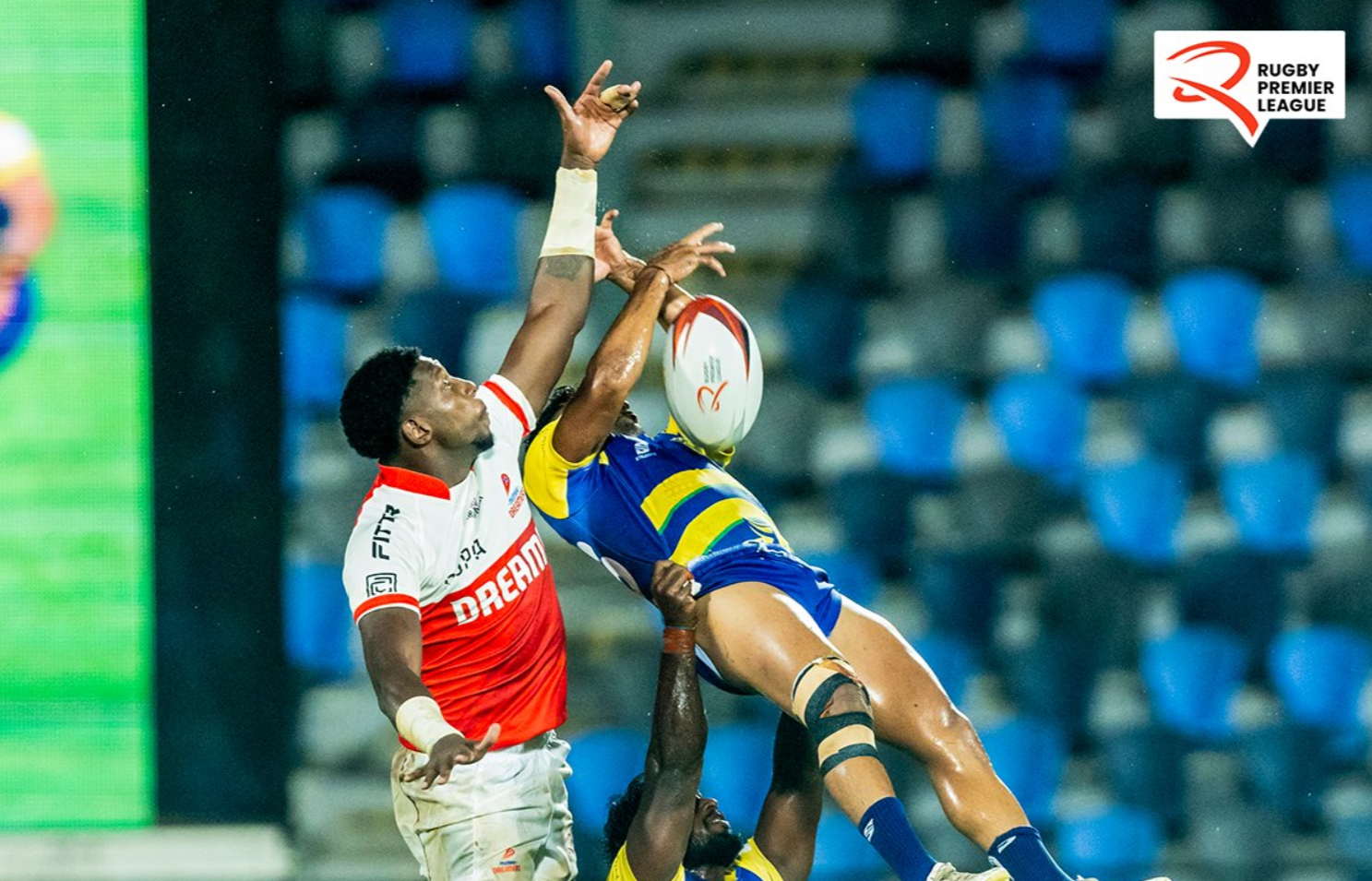
Rugby’s rise in India has been gradual but well-planned. The launch of the Rugby Premier League in 2025 laid the foundation, with a men’s competition featuring six city-based franchises and a mix of domestic and international players. The league’s structure was designed to suit modern broadcast and audience preferences. Shorter match durations, high-intensity gameplay, and a compact tournament window made it more accessible for viewers while maintaining competitive quality.
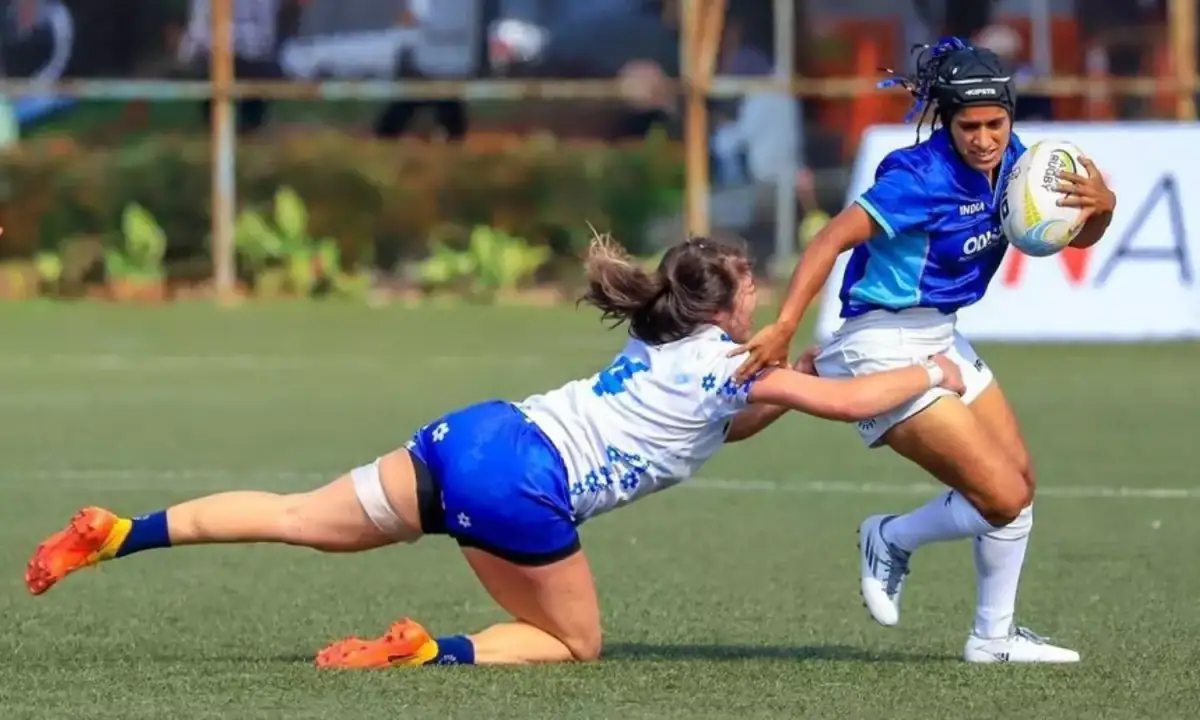
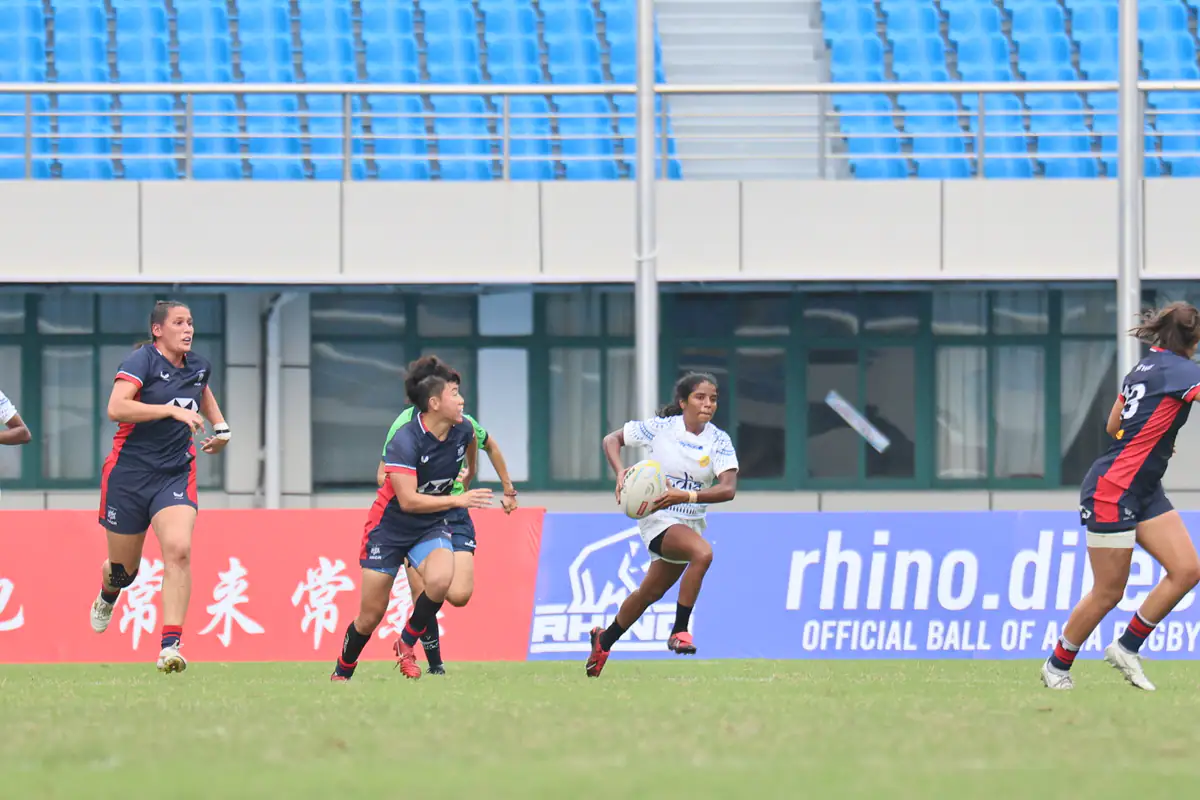
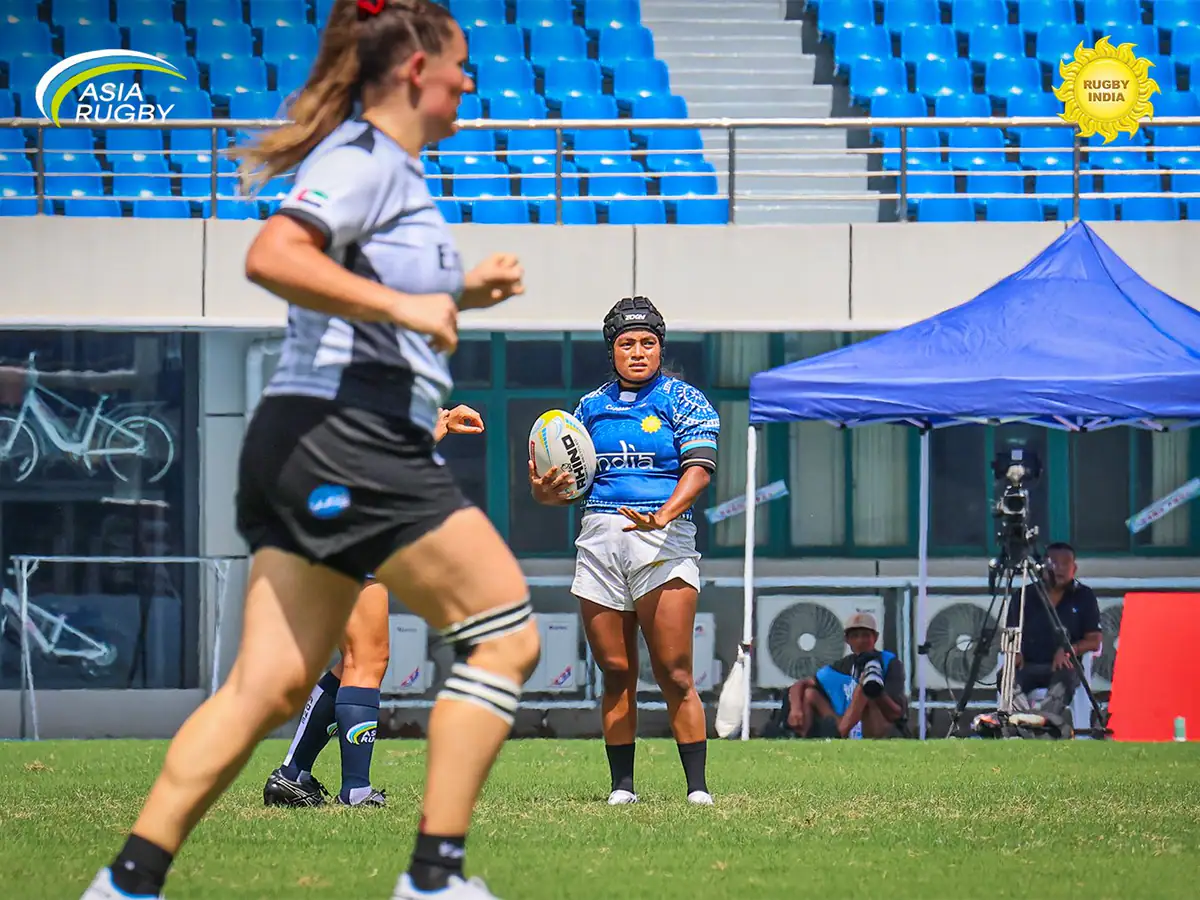
What makes rugby’s entry particularly significant is the planned expansion to include a women’s league from 2026. Unlike many sports where women’s competitions are introduced much later, rugby is moving toward parity early in its development cycle. This approach aligns with global trends, especially in Olympic sports where gender balance is increasingly prioritised.
One of the key drivers behind this transformation is strong corporate involvement. Rugby India’s long-term partnership with GMR Sports has provided the financial and operational backing required to build a sustainable league. In addition, the involvement of global technology partners has introduced a new dimension to league development. Data analytics, performance tracking, and athlete monitoring are now becoming integral to how teams prepare and compete. This level of professionalisation was largely absent in Indian sport outside cricket a decade ago.
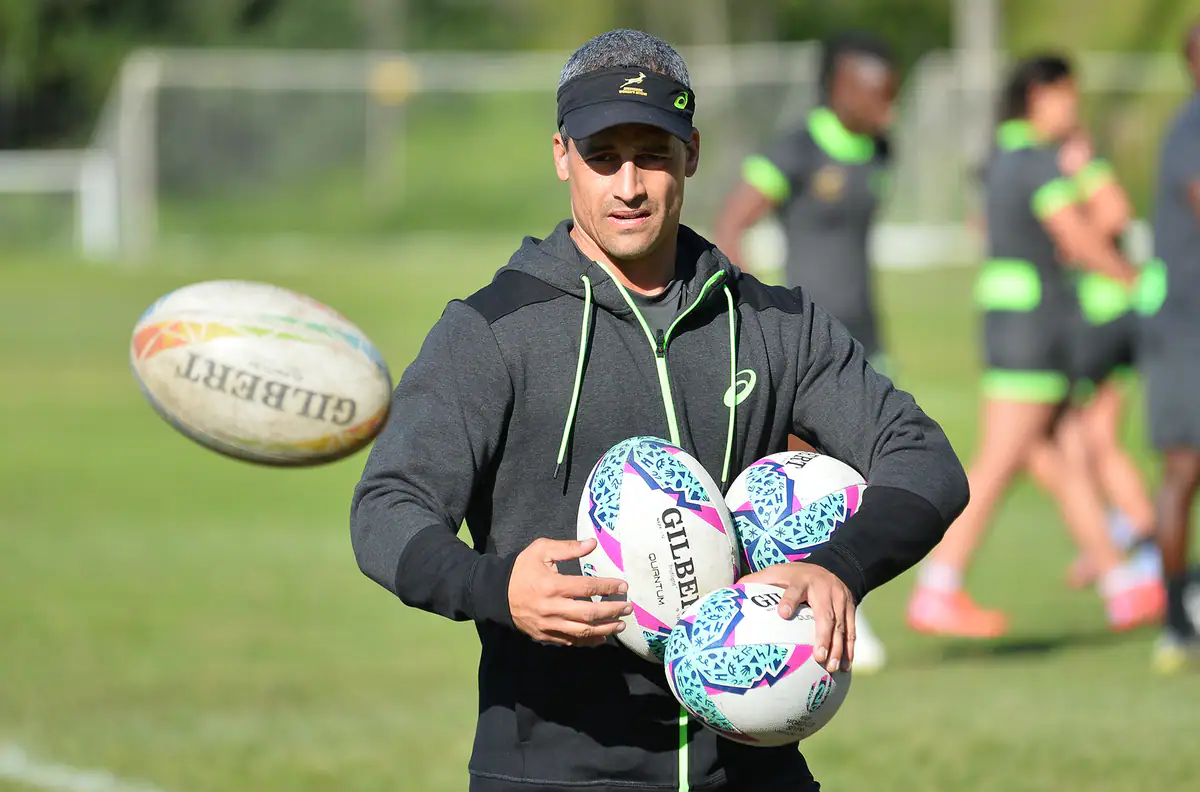
The presence of international players in the RPL has also elevated the standard. Olympic medallists and World Rugby Sevens stars competing alongside Indian athletes have created a high-performance environment, accelerating learning and exposure for domestic players.
https://www.indiasportshub.com/articles/rugby-premier-league-set-for-hyderabad-debut-as-season-2-targets-bigger-impact
Rugby’s emergence as the fourth dual-gender league sport is important for several reasons.
First, it strengthens India’s Olympic ecosystem. Rugby Sevens is an Olympic discipline, and having a domestic professional league provides athletes with the competitive exposure required to perform at that level. Second, it expands the talent pipeline. With structured leagues, young athletes now have a clear pathway from grassroots to professional sport. This reduces the uncertainty that previously discouraged many from pursuing sports careers outside cricket.
Third, it reinforces the idea of gender inclusion. By ensuring that both men and women have access to professional opportunities, these leagues are reshaping the socio-economic profile of Indian sport.
The rise of multiple professional leagues across sports is also transforming the sports economy in India. Franchise-based models are creating opportunities not just for players, but also for coaches, analysts, broadcasters, and sports management professionals. State governments and private stakeholders are increasingly investing in infrastructure, recognising the long-term value of sports as both an economic and social driver. Cities like Bhubaneswar, Ranchi, and Mumbai are emerging as hubs for multiple sports, hosting leagues and international events.
At the same time, fan engagement is evolving. Digital platforms, social media, and streaming services are making it easier for newer sports to build audiences. Rugby, with its fast-paced format, is particularly well-suited to this environment. While rugby’s inclusion is a major step, the journey is far from complete. Sustaining a professional league requires consistent investment, strong governance, and the ability to build a loyal fan base.
Other sports like kabaddi, basketball, and volleyball are also exploring or developing women’s leagues, indicating that the trend toward dual-gender structures is likely to continue. For rugby, the 2026 season will be a crucial test. The successful integration of a women’s competition alongside the men’s league will determine how effectively the sport can establish itself within India’s crowded sporting landscape.
India’s sporting identity is no longer confined to a single discipline. The emergence of rugby as the fourth team sport with professional leagues for both men and women signals a broader transformation one that prioritises diversity, inclusion, and long-term growth. This is not just expansion. It is structural evolution.
And if sustained, it could redefine how sport is played, consumed, and valued in India for years to come.
Comments (0)
to post comments, replies, and votes.
Loading comments…