India Fall 0-5 to China, But Fightback Signals Promise Despite Uber Cup Exit
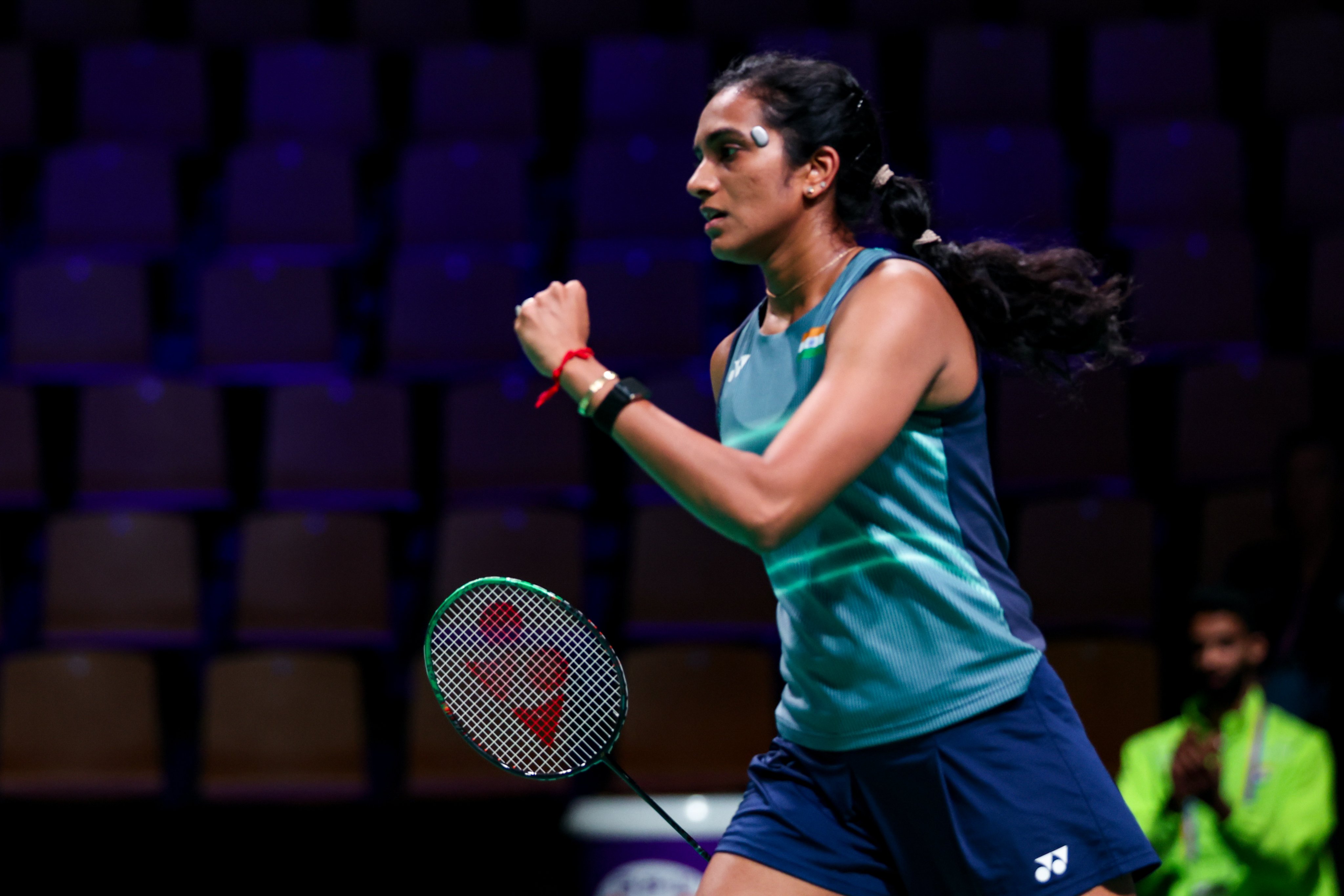
India’s campaign at the Uber Cup Finals 2026 came to a close with a 0-5 defeat against a dominant Chinese side, but the scoreline alone does not capture the intensity and competitiveness of the contest.
In a tie where India needed near perfection to stay alive in the tournament, the women’s team showed resilience, pushing one of the strongest squads in world badminton across multiple tight encounters. The result ultimately meant India failed to qualify for the quarterfinals, but the performance particularly in singles offered encouraging signs for the future.
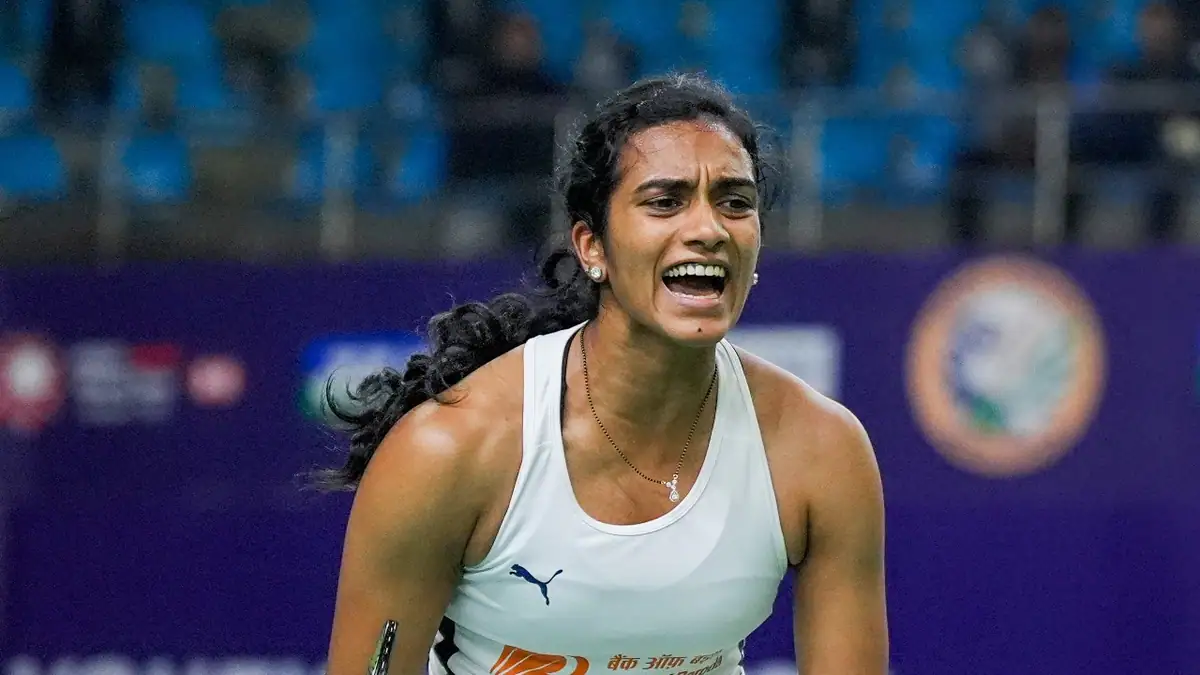
The tie began with a marquee clash as P. V. Sindhu took on world No. 2 Wang Zhi Yi. It turned into one of the most gripping matches of the tie. Sindhu went down 16-21 in the opening game but responded strongly to take the second 21-19, forcing a decider. In the third game, she appeared in control at one stage, leading 18-12, only for Wang to produce a remarkable comeback and close it out 21-19.
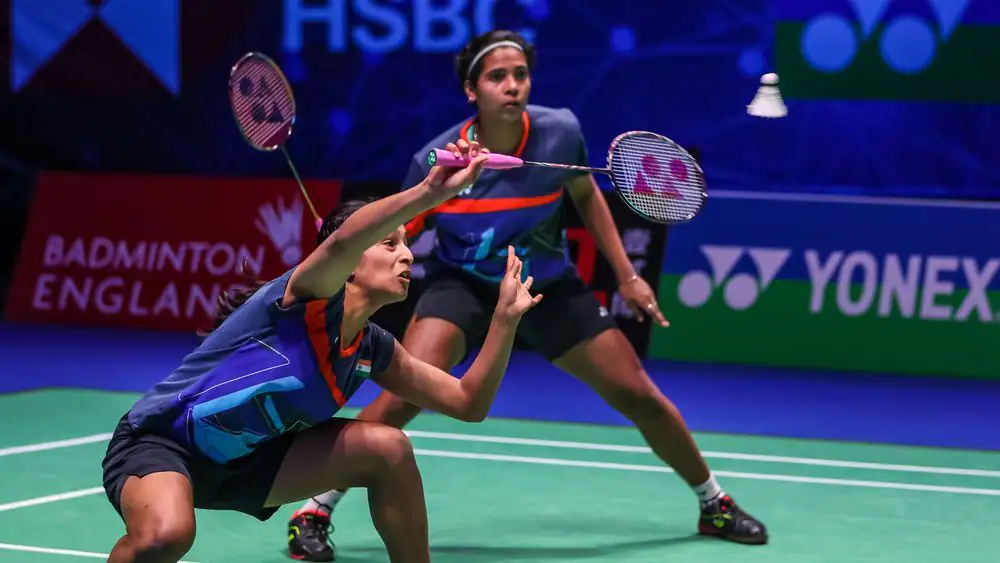
The loss was a turning point. A win here could have shifted momentum, but instead, China took a 1-0 lead. For India, it was a reminder of how fine the margins are at the highest level particularly against elite opponents who thrive under pressure. India’s challenge deepened in the doubles, where the Chinese pair asserted their superiority. The Indian combination struggled to match the pace and precision, going down in straight games.
This has been a recurring theme in team events. While India’s singles players have consistently competed with the world’s best, the doubles department still lacks the depth and consistency required to challenge top-tier nations like China.
At 2-0 down, India’s margin for error was gone.
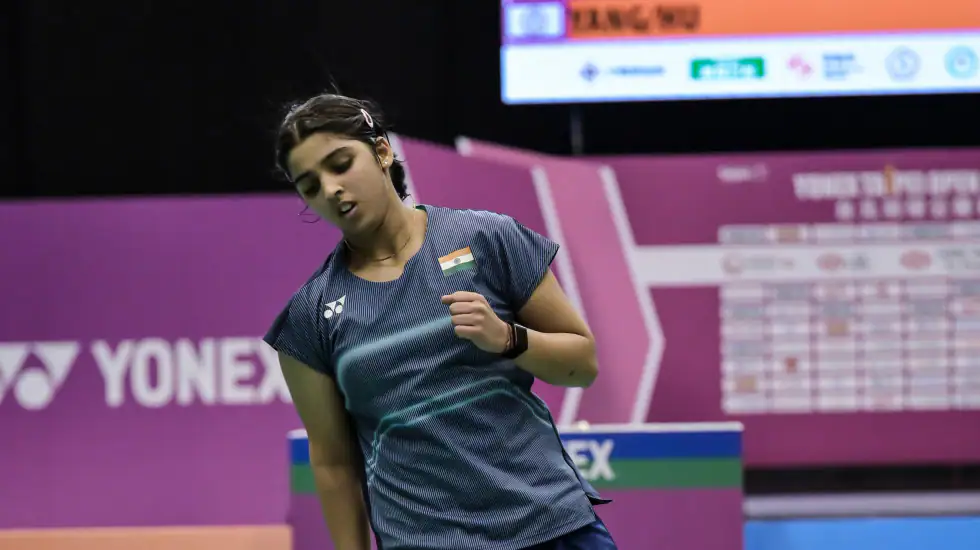
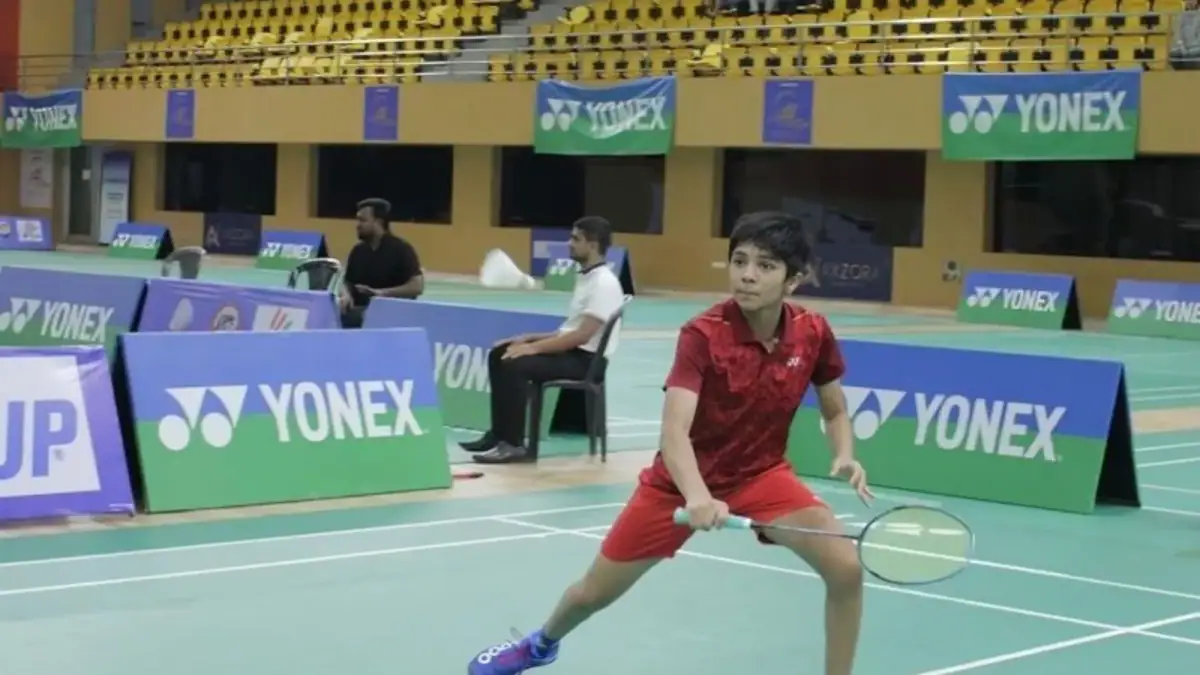
Despite the scoreboard, India’s singles players continued to show fight. Isharani Baruah pushed her opponent in patches, particularly in the opening game, which she narrowly lost 20-22. However, the second game slipped away as China tightened control. Similarly, Devika Sihag showed composure and attacking intent in her match, even taking the first game. But once again, China’s ability to absorb pressure and raise their level in crucial moments proved decisive.
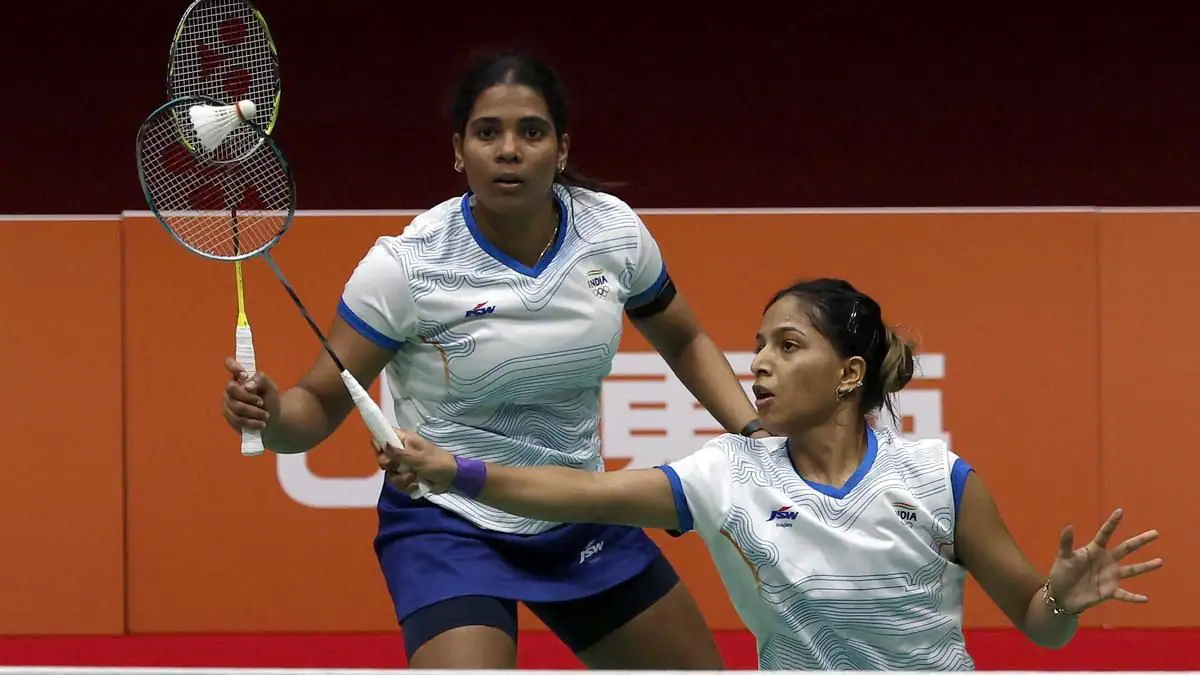
These matches highlighted a key takeaway India’s younger players are capable of competing, but sustaining that level across an entire match remains the next step. In the second doubles fixture, the Indian pair of Tanisha Crasto and Kavipriya Selvam managed to take a game off their Chinese opponents, briefly threatening a comeback.
Winning the opening game 21-10, they showed aggressive intent and control at the net. However, China responded with authority, taking the next two games 21-12 and 21-19 to seal the tie. Even in defeat, this performance stood out. It demonstrated that India’s doubles combinations are evolving and can challenge elite pairs in phases, though consistency remains a work in progress.
A 0-5 defeat typically suggests a one-sided contest, but this tie told a different story. Three matches went to three games, and multiple games were decided by narrow margins. Against a powerhouse like China arguably the strongest team in women’s badminton India showed that the gap is not as wide as it once was. However, the ability to close out tight matches remains the defining difference.
Campaign Overview: Progress with Limitations
India’s Uber Cup journey reflected a mix of promise and missed opportunities. The team showed character in patches, particularly through its singles players, but the inability to convert crucial moments ultimately cost them progression. The defeat to China, combined with earlier results in the group, meant India fell short of a quarterfinal berth a disappointing outcome given the expectations.
With the Uber Cup campaign concluded, attention now shifts to the next major team event the Asian Games 2026, where both men’s and women’s teams will compete. India’s 0-5 loss to China may have ended their Uber Cup campaign, but it also highlighted the team’s growing competitiveness. The fight shown across matches, particularly against elite opposition, indicates a team that is evolving.
The disappointment of missing out on the quarterfinals is real. But so is the progress.
If India can bridge the small but critical gaps exposed in this tie, the foundation is there for stronger results in future team events.
Comments (0)
to post comments, replies, and votes.
Loading comments…