Sahil Jadhav Clinches Bronze at Shanghai Archery World Cup, Continues India’s Strong Run in Compound
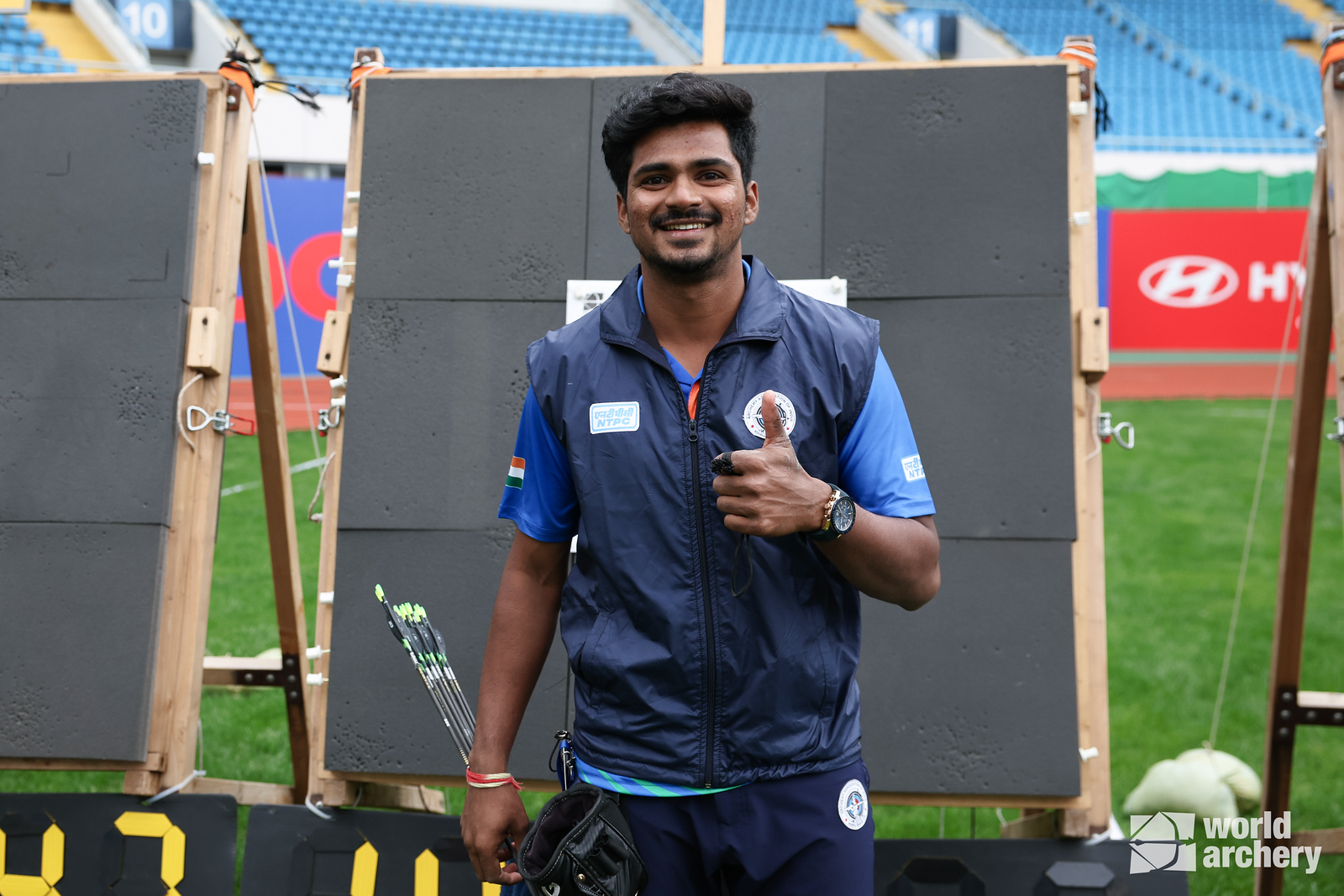
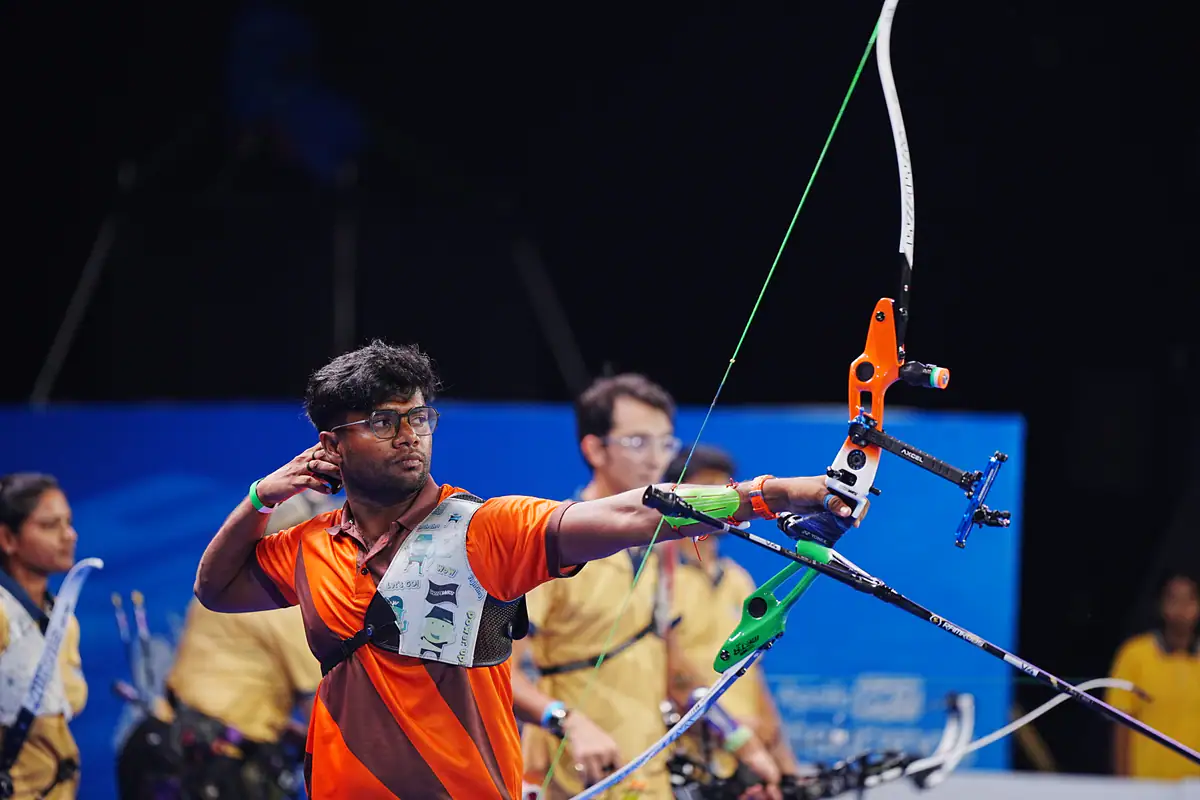
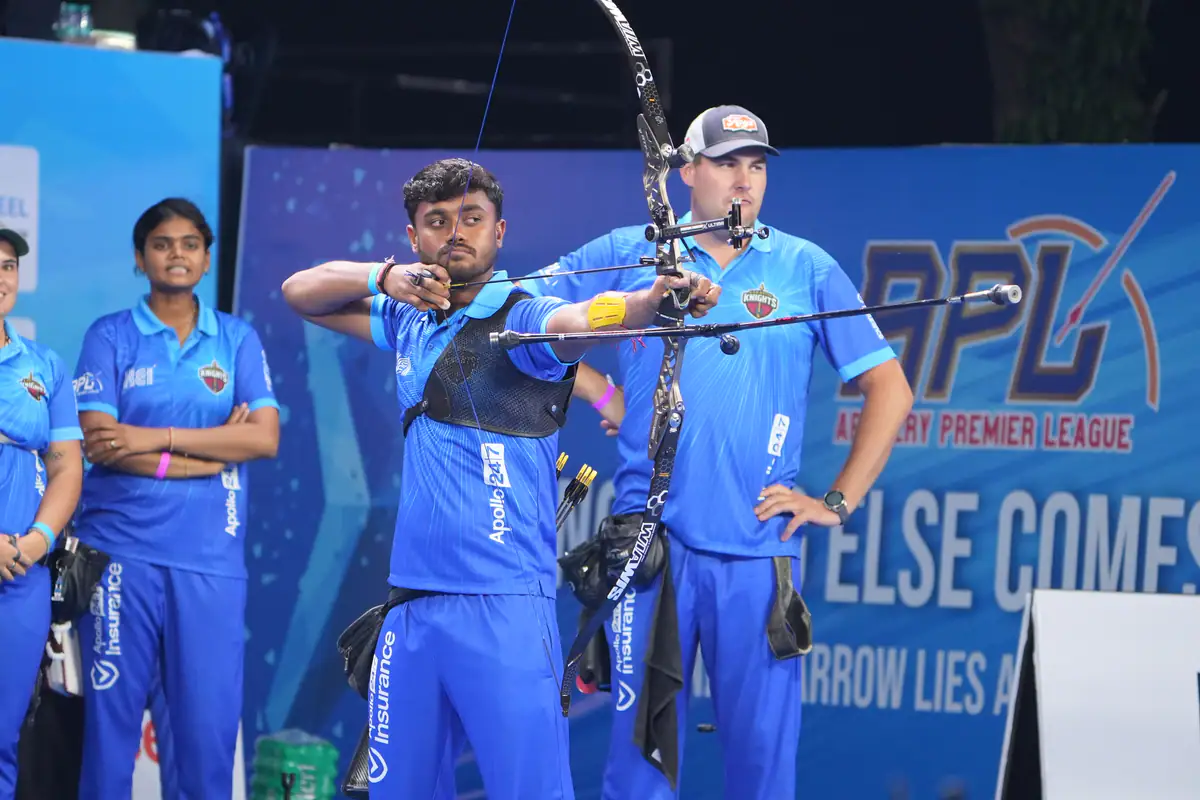
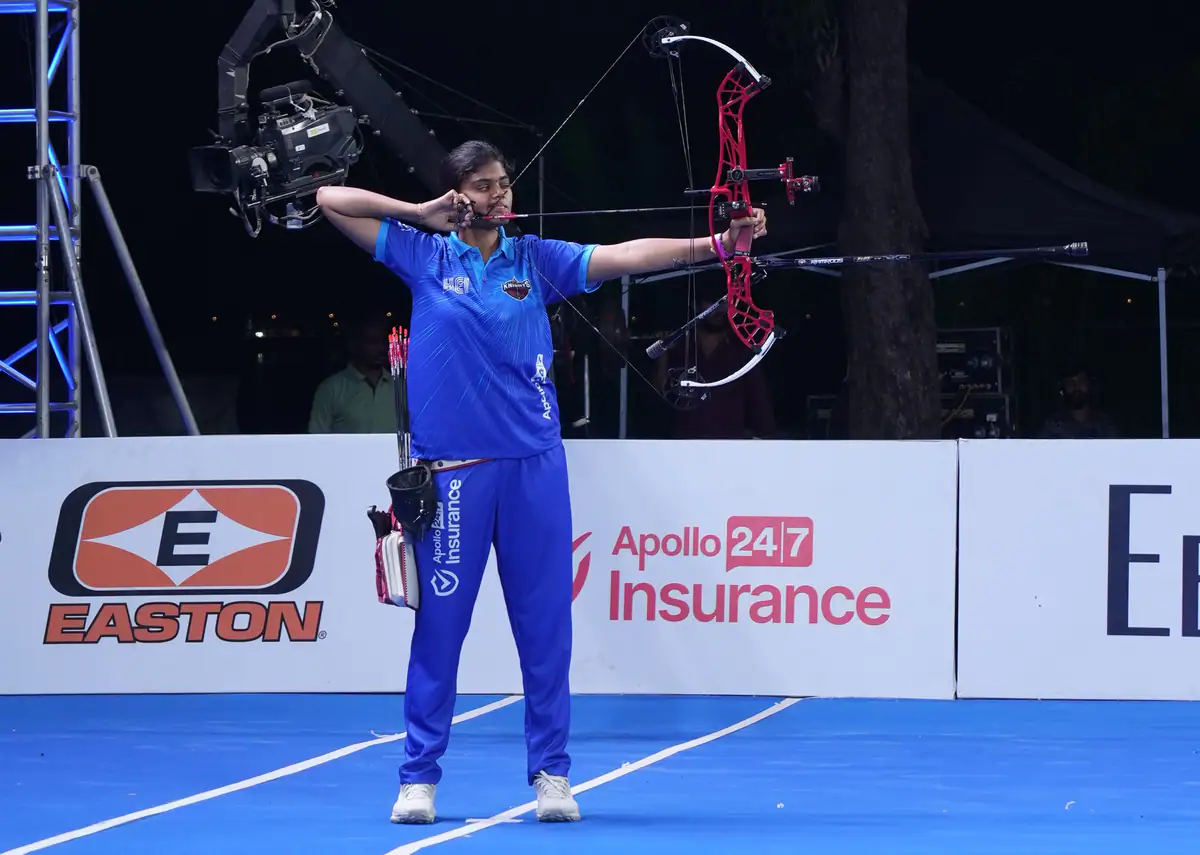
India’s Sahil Jadhav delivered a composed and high-quality campaign to secure a bronze medal in the men’s compound individual event at the Archery World Cup in Shanghai, reinforcing India’s growing consistency in compound archery on the global stage.
Jadhav defeated Denmark’s Martin Damsbo 147-144 in the bronze medal match, closing out the contest with authority after narrowly missing a place in the final. The performance caps a tournament where the Indian archer showcased both scoring consistency and the ability to hold nerve in tight knockout situations. His campaign began with a challenging all-Indian clash in the Round of 32 against Abhishek Verma, one of the most experienced names in Indian compound archery. Jadhav edged the contest 149-147, a high-scoring match that immediately set the tone for his run. Winning an intra-squad contest of that intensity often requires not just technical execution but also mental clarity, and Jadhav handled it effectively.
In the Round of 16, he continued his strong scoring form, defeating Germany’s Ruven Flüß 149-146. Once again, Jadhav operated in the upper 140s, a benchmark typically required to remain competitive at the World Cup level. His arrow grouping and shot rhythm remained consistent, allowing him to maintain control across ends. The quarterfinal presented perhaps his most significant test of the tournament. Up against Austria’s Nico Wiener, a former World Champion, Jadhav found himself in a tightly contested match that went down to the finest of margins.
Both archers finished level at 147, forcing a shoot-off. In compound archery, shoot-offs are decided by the arrow closest to the centre, and Jadhav delivered under pressure, hitting a 10 that edged Wiener’s 9. It was a defining moment in his campaign, demonstrating his composure in high-pressure situations. His run, however, was halted in the semifinal by France’s Nicolas Girard, the reigning World Champion. In another closely fought contest, Jadhav fell short by a single point, losing 146-147. The narrow margin reflects the level of competition at this stage, where even a single slightly off-centre arrow can decide the outcome.
Despite the semifinal loss, Jadhav regrouped effectively for the bronze medal match. Facing Martin Damsbo, a seasoned competitor with extensive international experience, he produced a controlled performance to secure a 147-144 victory. The ability to recover after a semifinal defeat and deliver in the bronze medal match is often a key indicator of competitive maturity, and Jadhav demonstrated that convincingly.
Across the tournament, his scoring pattern remained consistently high, with most matches being decided in the 146–149 range. This level of scoring is essential in compound archery, where the margin for error is minimal and matches are often determined by a single point or even millimetres in a shoot-off. While Jadhav’s individual bronze was a highlight, India also came close to adding a team medal in the men’s compound event. The trio of Sahil Jadhav, Kushal, and Ojas advanced to the bronze medal match but fell short against China in a shootout, finishing fourth. The loss, decided under pressure, once again underlines the fine margins that define compound archery at the elite level.
From a broader perspective, this result continues India’s strong presence in compound archery on the World Cup circuit. Over the past few years, Indian archers have consistently reached the latter stages of international competitions, with multiple podium finishes across individual and team events. Jadhav’s medal adds to that growing body of work. Technically, his performance in Shanghai was marked by stability in execution. His release consistency, grouping accuracy, and ability to maintain scoring rhythm across ends were evident throughout the tournament. Equally important was his performance in pressure moments, particularly the shoot-off win against Wiener, which highlighted his ability to deliver when margins are at their tightest.
Looking ahead, performances like this will be crucial as the international calendar progresses towards major championships. While compound archery is not currently part of the Olympic programme (except Mixed team), the World Cup circuit and World Championships remain the primary platforms for global recognition, and consistent podium finishes are key to establishing long-term dominance. For Sahil Jadhav, the Shanghai World Cup represents both a milestone and a stepping stone. Winning a medal at this level confirms his ability to compete with the best, but the narrow semifinal loss also indicates that there is still room to convert strong runs into gold medal finishes.
As Indian compound archery continues to build depth, with multiple athletes capable of reaching advanced stages, internal competition will further push standards higher. In that context, Jadhav’s bronze medal is not just an individual achievement, but part of a larger trend of sustained excellence.
In a sport defined by precision and composure, Sahil Jadhav’s performance in Shanghai stood out for both.
Comments (0)
to post comments, replies, and votes.
Loading comments…