Tanvi Sharma Faces Supanida Katethong in Syed Modi Final: A Clash of Youth, Experience and Tactical Precision
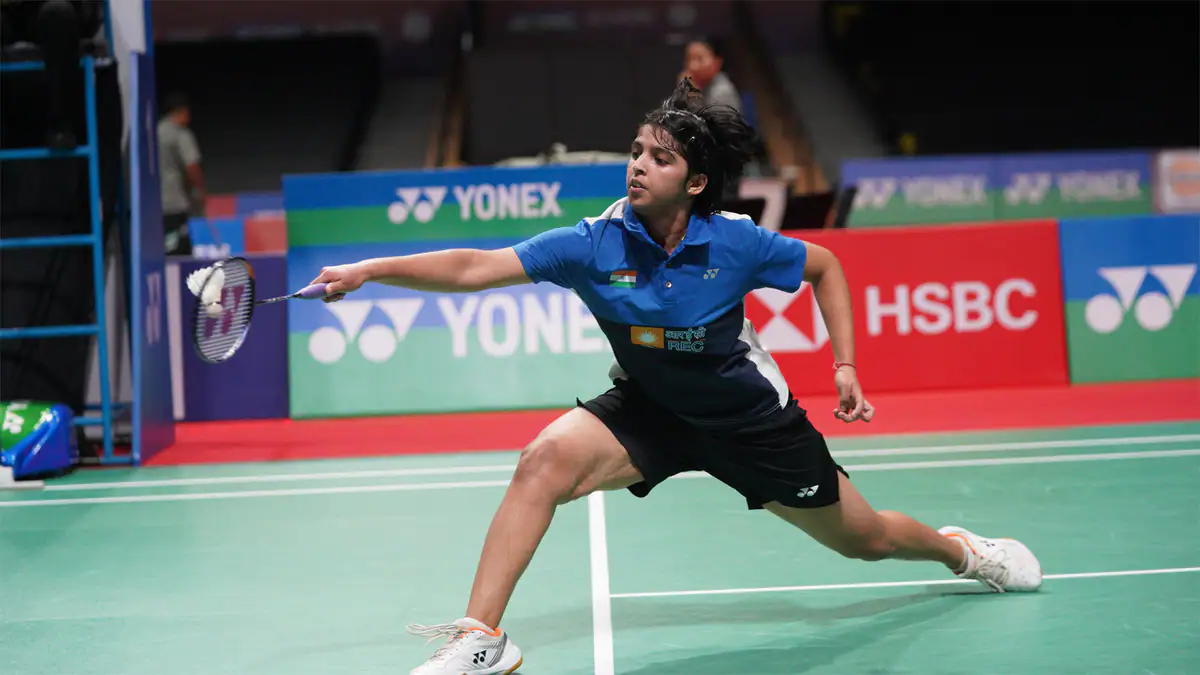
Tanvi Sharma faces Supanida Katethong in the 2026 Syed Modi International final in Lucknow. Analyse their head-to-head record, form, fitness and tactical battle.
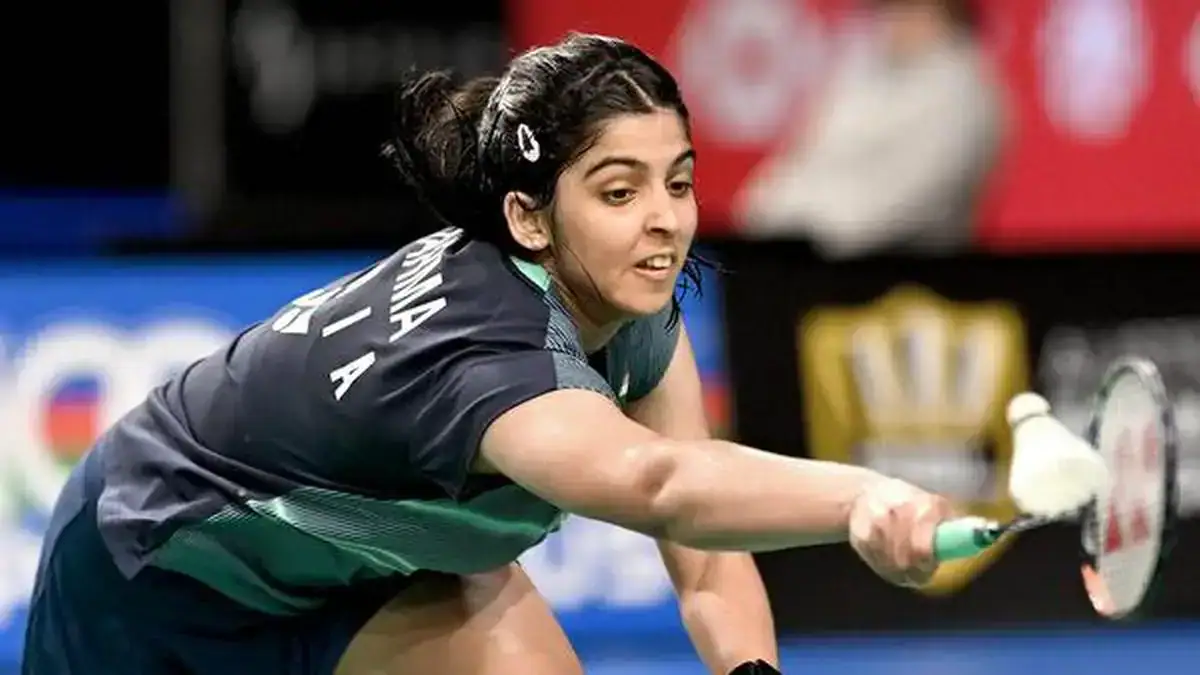
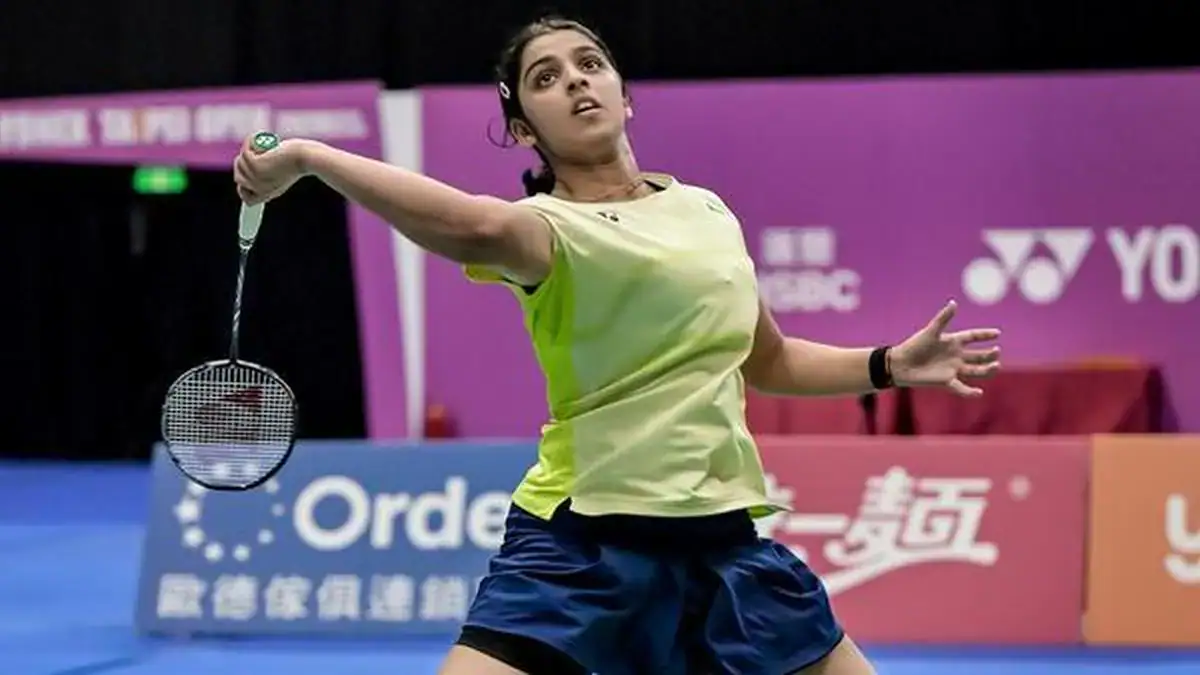
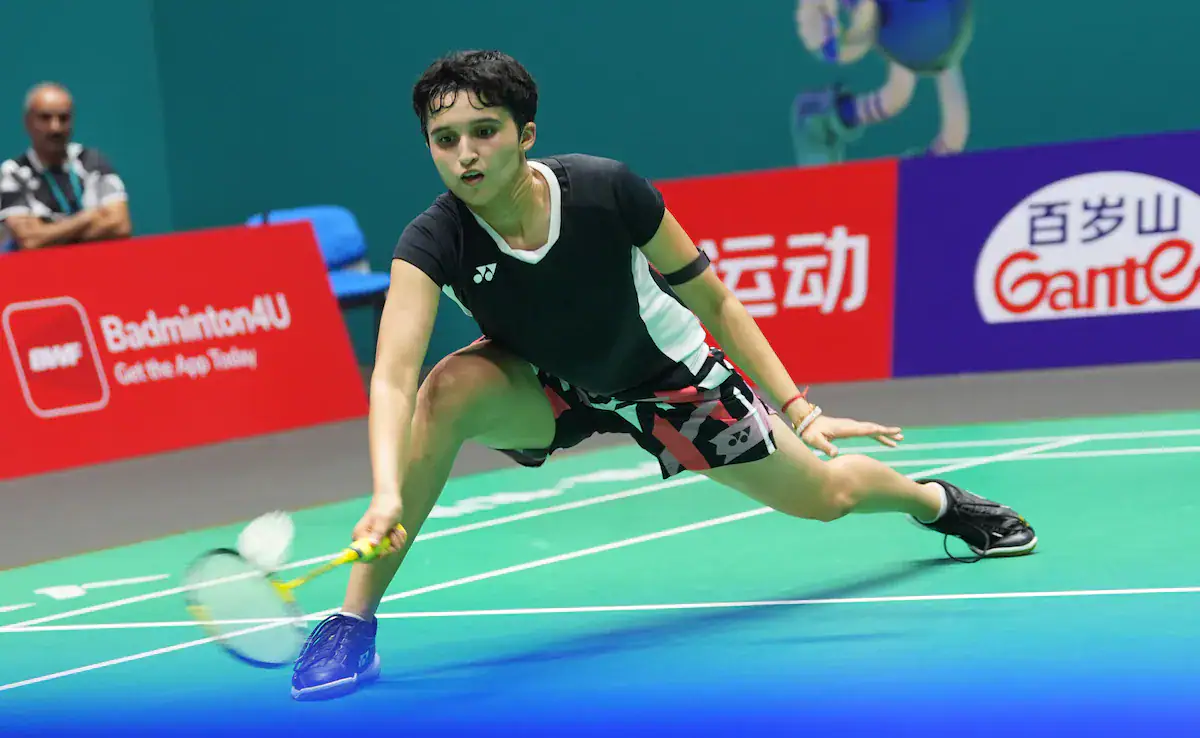
The women's singles final of the 2026 Syed Modi India International presents a compelling contest between India's rising star Tanvi Sharma and Thailand's experienced Supanida Katethong.
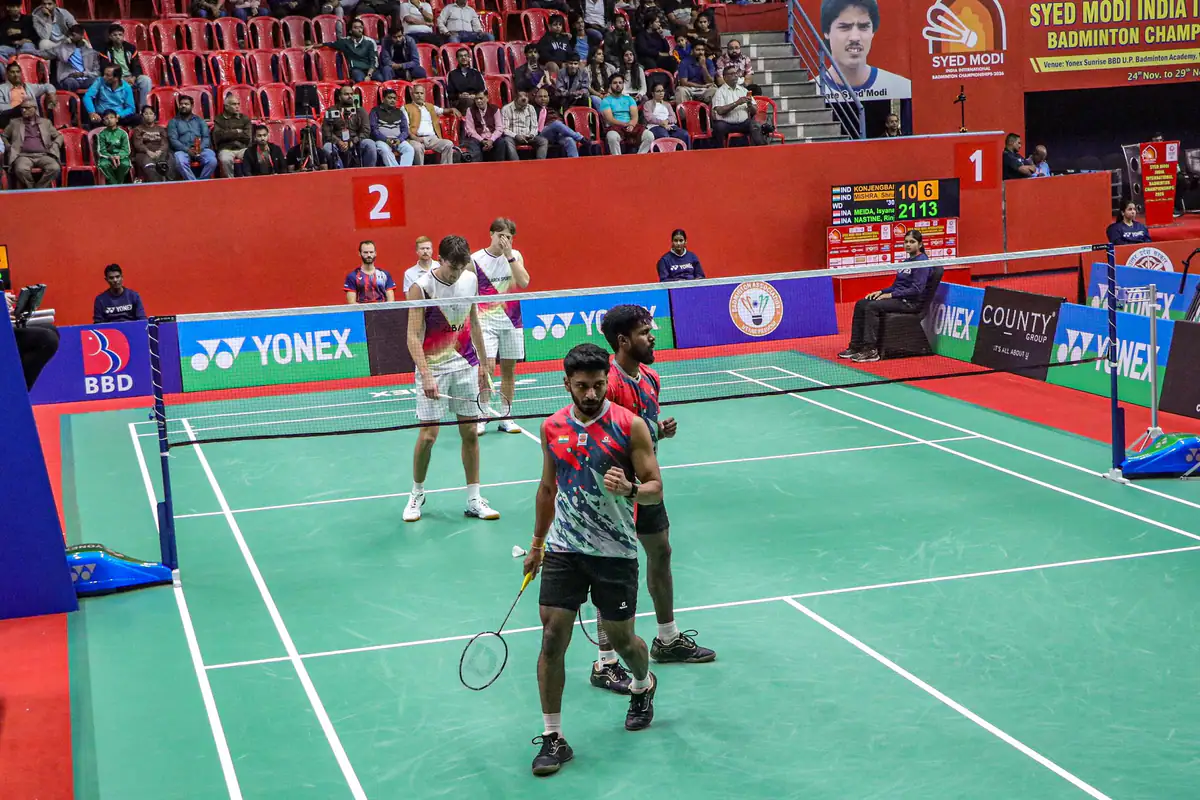
The two will meet on Sunday at the Babu Banarasi Das Indoor Stadium in Lucknow, with both players targeting their second BWF World Tour Super 300 title of the season.
The contrast is striking. Sharma, 17, is ranked World No. 21 and seeded second, while the 29-year-old Katethong is World No. 26 and the fourth seed. Sharma has home support and a 2–0 head-to-head advantage from their meetings this year. Katethong, however, arrives in the final with considerably less time spent on court and an impressive run through the Lucknow draw.
The final also carries significance for the tournament itself. The 2026 edition is the last time the Syed Modi International will be staged as a Super 300 event before its downgrade to Super 100 status in 2027.
Sharma's route to the championship match has tested both her physical endurance and mental resilience. After Malaysia's Goh Jin Wei retired in the opening round, Sharma had to negotiate three consecutive three-game contests.
She came from behind to defeat Indonesia's Mutiara Ayu Puspitasari in 68 minutes, overcame Ni Kadek Dhinda Amartya Pratiwi in 63 minutes and then produced another comeback against third seed Unnati Hooda in the semifinal. Against Hooda, Sharma lost the opening game 11–21 before recovering to win 21–10, 21–13 in 51 minutes.
That semifinal revealed an important aspect of her development. Sharma acknowledged that she was not feeling well during the opening game, with coach Park Tae-sang even giving her the option to withdraw. She chose to continue and changed her approach, focusing on moving faster and playing inside the court.
Her ability to recover from difficult positions has been a defining feature of the week. Across her three deciding games, Sharma outscored her opponents by a combined 63–45.
Katethong's campaign has followed a very different pattern. The Thai shuttler won her first three matches against Mansi Singh, Yataweemin Ketklieng and Malaysia's Wong Ling Ching without dropping a game. Her semifinal against top seed Riko Gunji was more demanding, going to three games, but Katethong finished emphatically with a 21–10 victory in the decider.
She has spent 167 minutes on court since the opening round, compared with Sharma's 183 minutes across her four appearances. More importantly, Katethong has played 53 fewer minutes than Sharma since Thursday, giving the experienced Thai a potential physical advantage heading into the final.
Head-to-head favours the Indian teenager
Sharma leads Katethong 2–0 in their career meetings, with both encounters taking place in 2026.
Their first meeting came at the Orléans Masters in March, where Katethong retired during the second game after losing the opening game 18–21. The Thai player had completed a demanding Swiss Open title campaign just days earlier.
The more significant result came at the Taipei Open quarterfinals in July. Katethong was fully involved in the contest, taking the second game 21–18 after losing the first. Sharma responded strongly in the decider, winning 21–14 before going on to claim the tournament title.
That victory demonstrated Sharma's ability to handle Katethong's left-handed attacking game over a full three-game contest.
However, the Thai player has also shown strong form at Super 300 level this season, compiling a 13–3 record and winning the Swiss Open. Her results at higher-tier Super 500, 750 and 1000 tournaments have been less consistent, but her performances in Lucknow suggest she has rediscovered her rhythm.
The most interesting dimension of Sunday's final is the difference in their playing styles.
Katethong is a left-handed attacking player who uses sharp angles, changes of pace and deceptive shots to create openings. Against a right-handed opponent, her down-the-line smashes can target Sharma's backhand sideline, while cross-court slices can force the Indian to cover substantial ground.
Her best opportunity may be to exploit Sharma's slow starts. The Indian teenager dropped the opening game in both her second-round and semifinal matches, while Katethong has won the first game in all four of her Lucknow matches.
An early lead would allow Katethong to dictate the tempo and force Sharma to spend energy chasing the match.
For Sharma, the key will be to take the shuttle early and maintain an aggressive position close to the net. Her ability to play inside the court, intercept flat exchanges and follow up with straight-line smashes can reduce Katethong's time to construct attacking angles.
The Indian also needs to manage her unforced errors. Coach Park Tae-sang has previously highlighted her tendency to rush when building a lead. Against an experienced opponent, giving away inexpensive points could quickly shift the momentum.
The stakes extend beyond the trophy. India has won six women's singles titles at the Syed Modi International, with Saina Nehwal and PV Sindhu accounting for all six. A victory would make Sharma the first Indian women's singles champion at the tournament outside those two established stars.
For Katethong, the opportunity is equally important. Thailand's only previous women's singles champion at the event was Ratchanok Intanon in 2011. A victory would give Katethong her fourth career World Tour title and second Super 300 crown of 2026.
The final is finely balanced. Sharma has the head-to-head advantage, home support and the confidence of having recovered from difficult situations throughout the week. Katethong has been more efficient, has a significant workload advantage and possesses the experience to exploit any physical limitations.
If Sharma recovers fully and starts aggressively, her attacking game can trouble the Thai. If fatigue affects her movement, Katethong's angles and ability to control rallies could prove decisive.
It is a final that will test not just shot-making, but recovery, tactical discipline and decision-making under pressure.
Comments (0)
to post comments, replies, and votes.
Loading comments…