Thailand Open 2026: Sindhu Cruises, Anmol & Unnati Fall After Fighting Performances
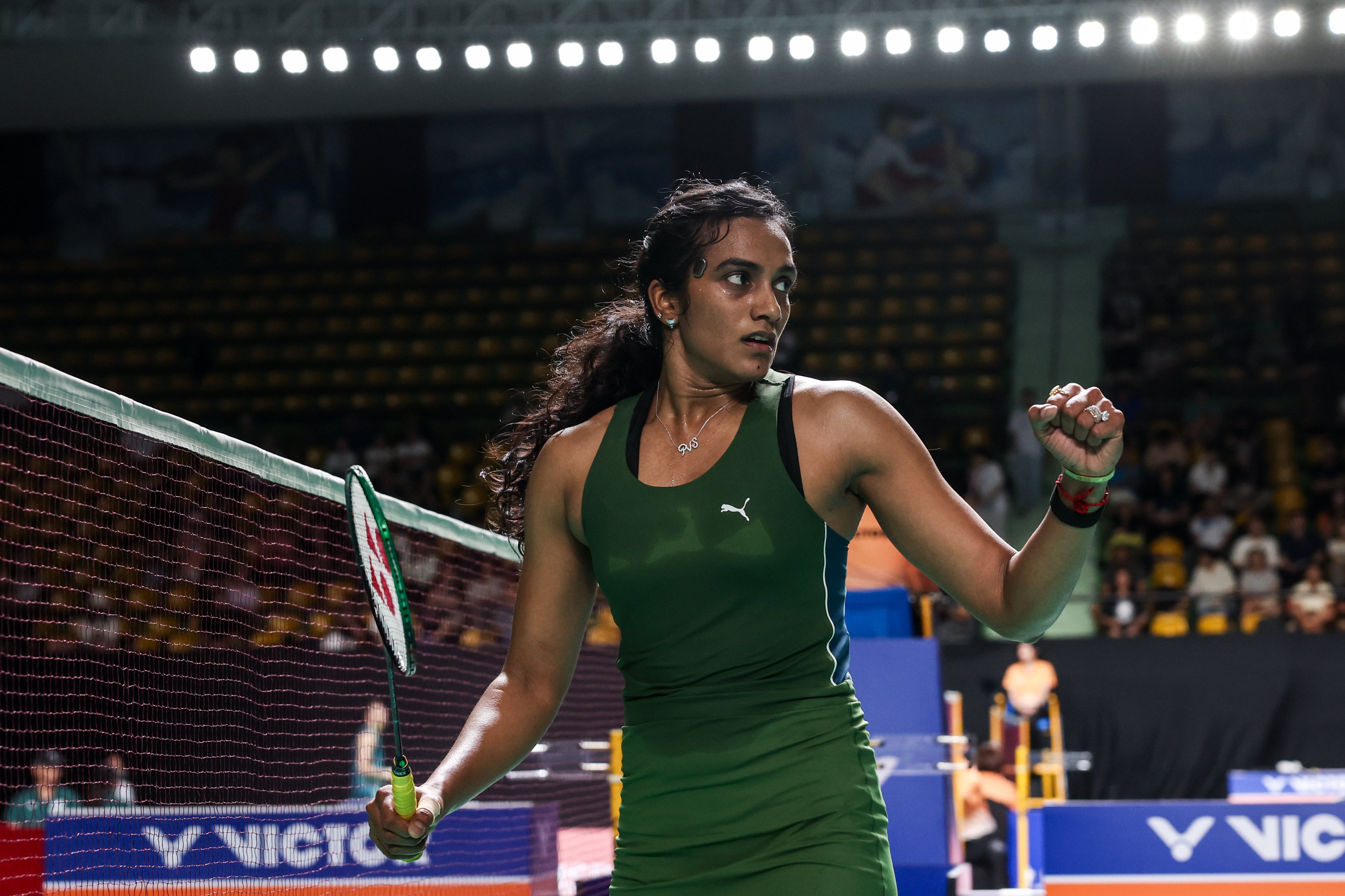
PV Sindhu entered R16 with a dominant win at Thailand Open 2026, while Anmol Kharb and Unnati Hooda lost in close three-game matches despite strong performances
India’s women’s singles campaign at the Thailand Open 2026 delivered a mix of dominance at the top and heartbreak among the next generation, reflecting both the strength and the gaps within the current setup.
While PV Sindhu progressed comfortably into the pre-quarterfinals, young shuttlers Anmol Kharb and Unnati Hooda exited after closely contested three-game matches that exposed a recurring issue closing out deciders.
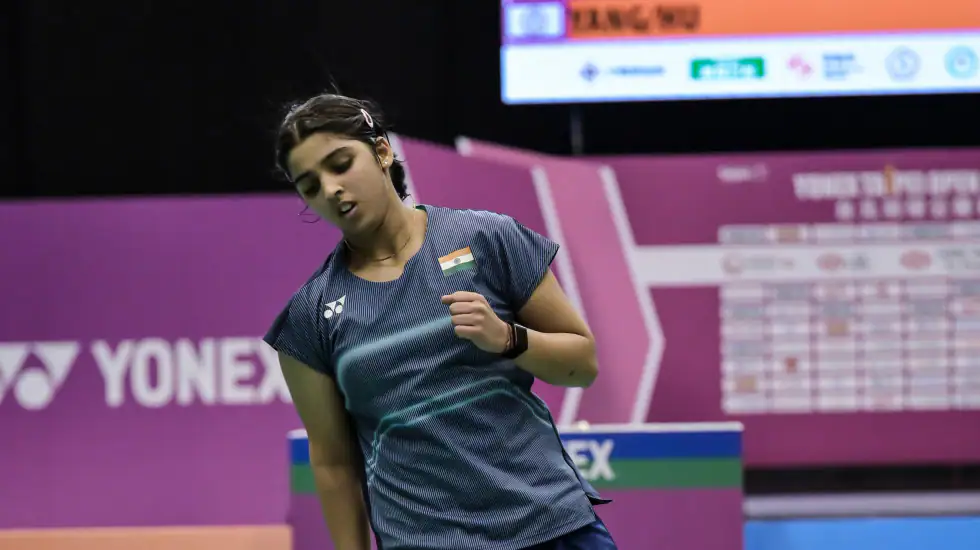
PV Sindhu began her campaign with a commanding straight-game win over Tung Ciou-Tong of Chinese Taipei, securing her place in the Round of 16 with a 21-9, 21-12 victory. Ranked world No.12 and India’s top women’s singles player, Sindhu controlled the match from start to finish. She dictated rallies with precision, maintained a high tempo, and ensured that her opponent never settled into rhythm.
The opening game was particularly one-sided. Sindhu’s attacking intent and court coverage overwhelmed Tung, allowing the Indian to build an early lead and close it out comfortably at 21-9. The second game followed a similar pattern. While Tung attempted to extend rallies, Sindhu’s superior shot selection and control at the net ensured there were no momentum shifts. This was exactly the kind of performance Sindhu needed efficient, clinical, and physically undemanding. With tougher rounds ahead, conserving energy while maintaining sharpness will be crucial.
Chen Yu Fei def Anmol Kharb 19-21, 21-13, 21-18
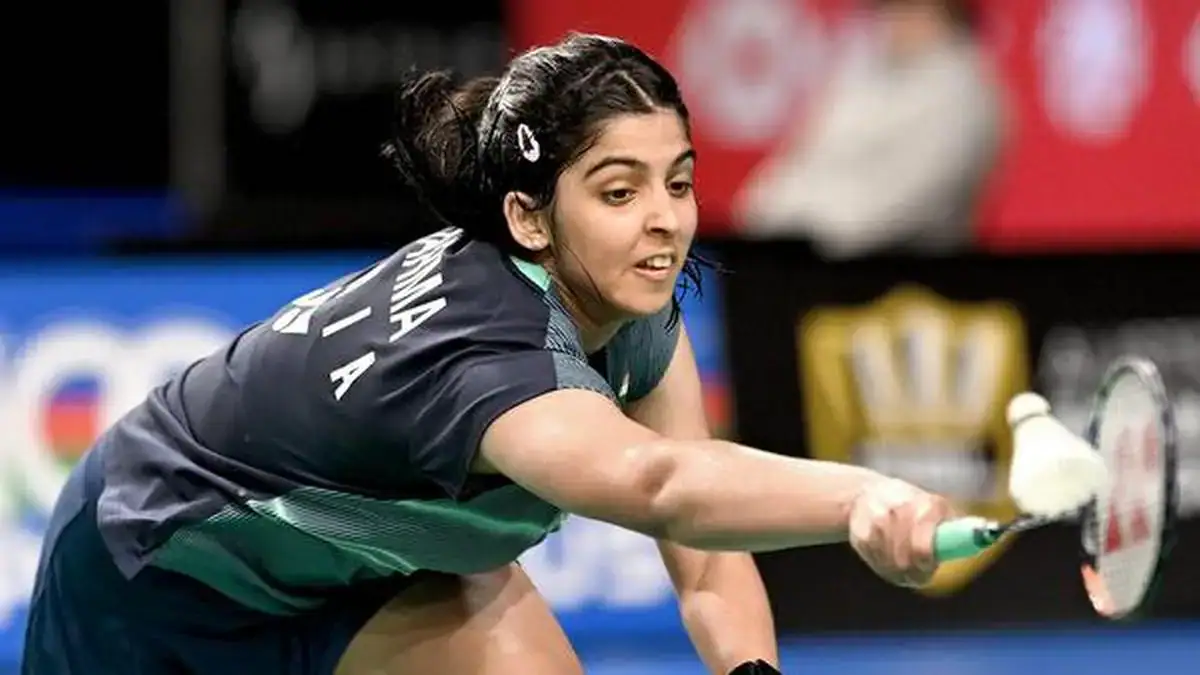
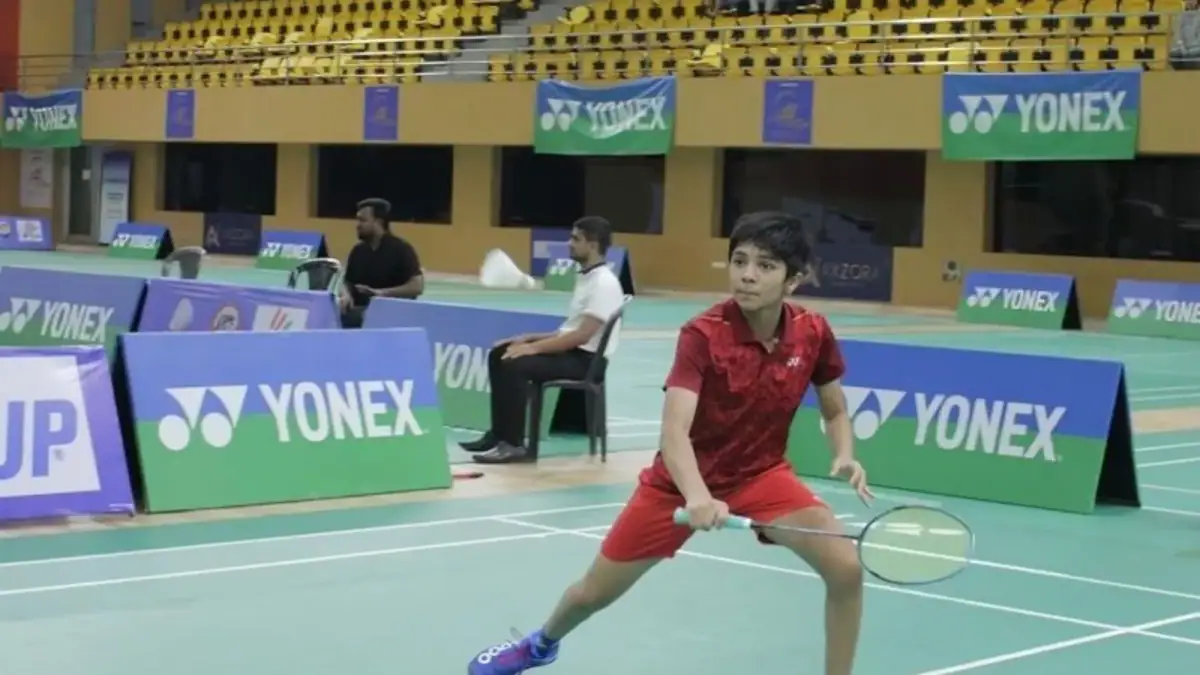
If Sindhu’s match reflected control, Anmol Kharb’s contest highlighted the fine margins at the elite level. The 19-year-old produced one of the most promising performances of her young career against Olympic champion Chen Yu Fei, but ultimately fell short in three games.
Kharb started strongly, taking the opening game 21-19 with confident shot-making and composure under pressure. She matched Chen in rallies and showed the ability to absorb pace while creating attacking openings. After losing the second game 13-21, Kharb appeared to have regained control in the decider.
At one stage, she led 11-2 a position from which the match should have been closed out. However, the momentum shifted dramatically. Chen Yu Fei raised her intensity, tightened her defense, and forced longer rallies, gradually eroding Kharb’s lead. The Indian struggled to regain control, and despite pushing towards the end, she eventually went down 18-21.
This match encapsulated both sides of India’s emerging talent pool—natural ability to compete with the best, and the lack of experience in closing out high-pressure situations.
Pornpawee Chochuwong def Unnati Hooda 11-21, 21-17, 21-16
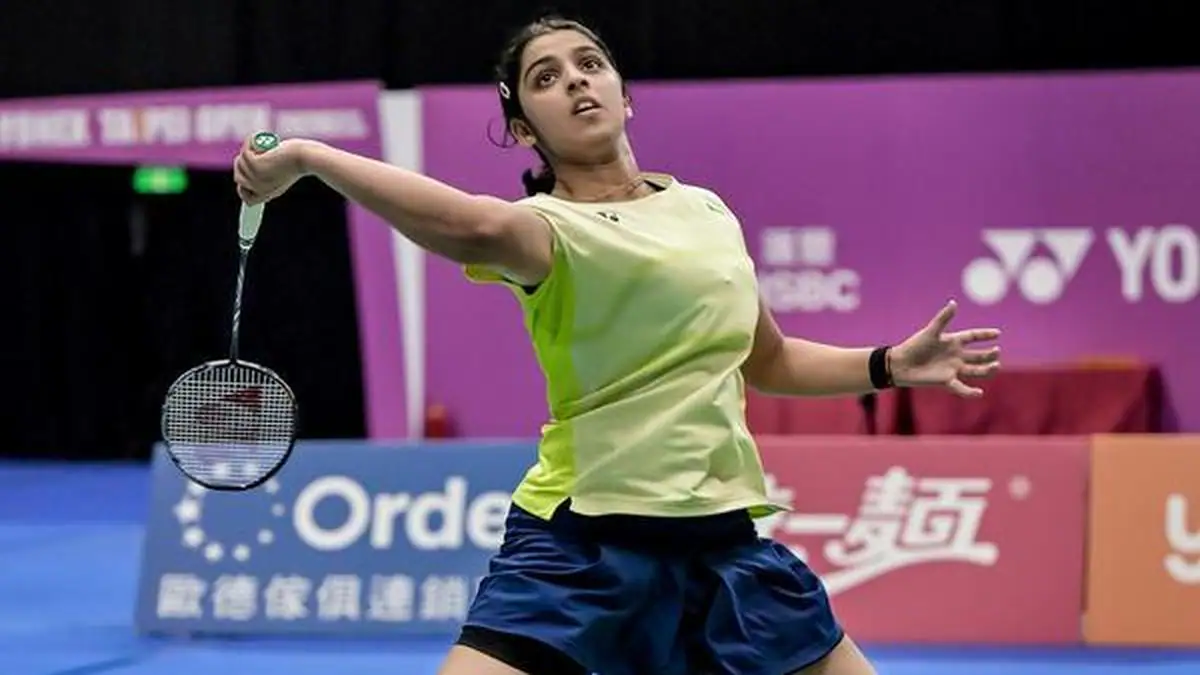
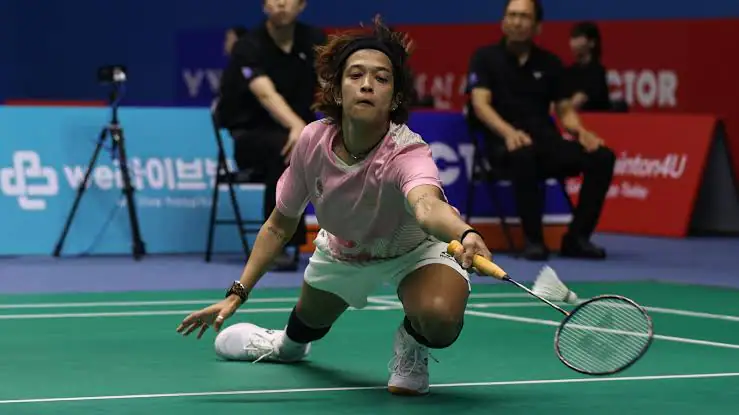
Unnati Hooda delivered another spirited performance but ended on the losing side against world No.8 Pornpawee Chochuwong. Hooda started impressively, taking the opening game 21-11 with aggressive play and sharp control in rallies. Her ability to dictate pace early put the higher-ranked Thai player under pressure. However, as the match progressed, Chochuwong adjusted tactically. Increasing rally length and reducing errors, she forced Hooda into defensive positions.
The second game slipped away 17-21, and the decider followed a similar trajectory. Despite staying competitive, Hooda could not maintain consistency in key moments, eventually losing 16-21.
https://www.indiasportshub.com/articles/thailand-open-2026-sindhu-lakshya-sen-eye-top-10-comeback
Like Kharb, Hooda showed that she can compete at this level but also highlighted the gap in sustaining performance across three games. A key takeaway from India’s women’s singles results is the recurring issue in three-game matches. Both Anmol Kharb and Unnati Hooda won their opening games and were in strong positions during their matches. Yet, neither could convert those advantages into victories.
This points to a broader pattern Indian shuttlers are increasingly capable of matching top players in phases, but consistency across an entire match remains a challenge. At the elite level, matches are often decided not by peaks, but by the ability to sustain control and minimize errors over extended periods.
For India, the day reinforces a dual narrative. At the top, PV Sindhu continues to provide stability and remains a strong contender capable of deep runs. Her experience and control set the benchmark. Below that level, the next generation is showing clear potential. Performances from players like Anmol Kharb and Unnati Hooda indicate that the talent pipeline is strong. However, the next step is evident translating competitive performances into wins.
As the tournament progresses, the focus will now shift to Sindhu’s campaign. But equally important will be how quickly the younger players learn from these narrow losses and close the gap at the highest level.
Comments (0)
to post comments, replies, and votes.
Loading comments…