Thailand Open 2026: Srikanth Stuns Loh Kean Yew, Ayush & Tharun Exit Early
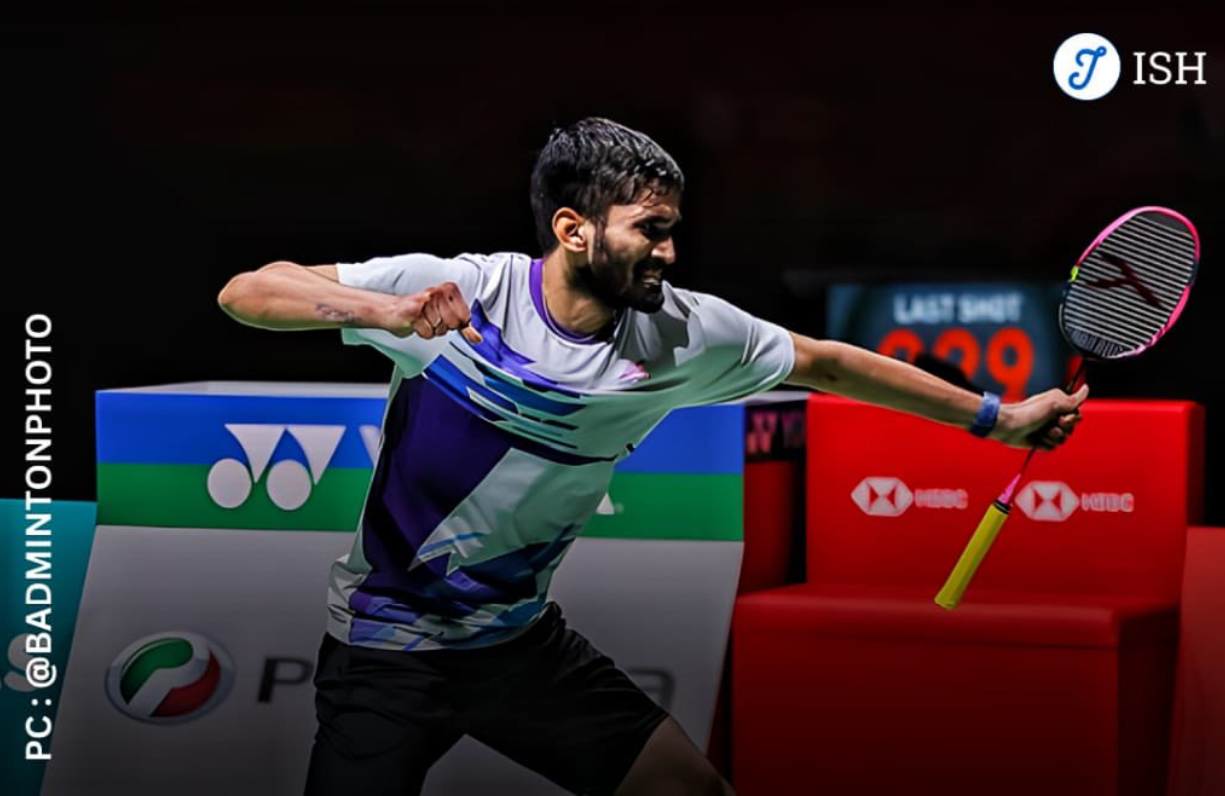
Kidambi Srikanth defeated Loh Kean Yew 21-14, 21-15 at Thailand Open 2026. Ayush Shetty and Tharun Mannepalli exited after losses to Naraoka and Watanabe.
India experienced a mixed day at the Thailand Open Super 500, headlined by a vintage performance from Kidambi Srikanth, who pulled off one of the biggest upsets of the opening round.
While Srikanth rolled back the years with a commanding win over a former world champion, the next generation Ayush Shetty and Tharun Mannepalli fell short against higher-ranked Japanese opponents.
Srikanth def Loh Kean Yew 21-14, 21-15
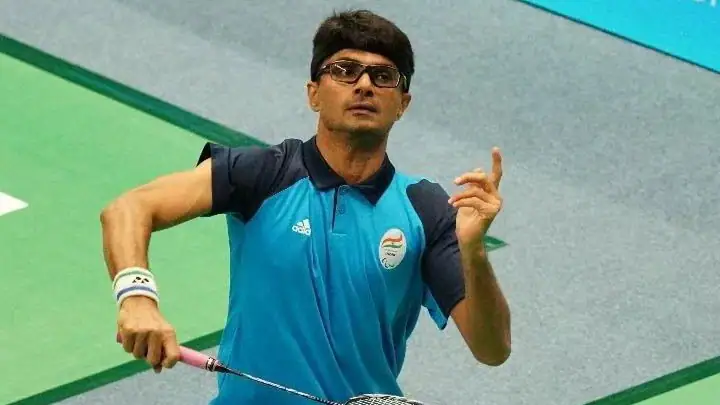
In what can only be described as a statement performance, Kidambi Srikanth defeated world No.13 Loh Kean Yew in straight games, 21-14, 21-15, to progress to the Round of 16. Coming into the match, Srikanth had not beaten Loh since April 2018, having lost their last three encounters. The Singaporean, a former world champion and the 8th seed in the draw, was widely expected to progress.
Instead, it was Srikanth who dictated proceedings from the outset.
The Indian veteran controlled rally pace, mixed his shot selection effectively, and most importantly, kept unforced errors to a minimum an area that has often troubled him in recent seasons. His ability to take the shuttle early and disrupt Loh’s attacking rhythm proved decisive. Both games followed a similar pattern. Srikanth built early leads, maintained pressure through mid-game phases, and closed out strongly without allowing momentum shifts.
This was not just a win it was a reminder of his enduring quality. While questions around consistency remain, performances like this underline that Srikanth’s technical ability still stands out, even against top-tier opponents. He now moves into the Round of 16, where he is set to face a Chinese Taipei opponent, presenting another opportunity to build momentum.
Kodai Naraoka def Ayush Shetty 21-13, 17-21, 21-4
Ayush Shetty showed glimpses of promise but eventually went down to world No.9 Kodai Naraoka in a three-game contest. The match started with Naraoka asserting control, taking the opening game 21-13 with his trademark defensive solidity and retrieval skills. The Japanese shuttler’s ability to extend rallies and force errors was evident early.
Ayush responded strongly in the second game. Increasing his attacking intent and playing with greater urgency, he managed to break Naraoka’s rhythm and level the match with a 21-17 win. However, the decider saw a complete shift in momentum. Naraoka tightened his control, while Ayush struggled to sustain intensity. The third game slipped away quickly, with the Japanese sealing it 21-4 in dominant fashion.
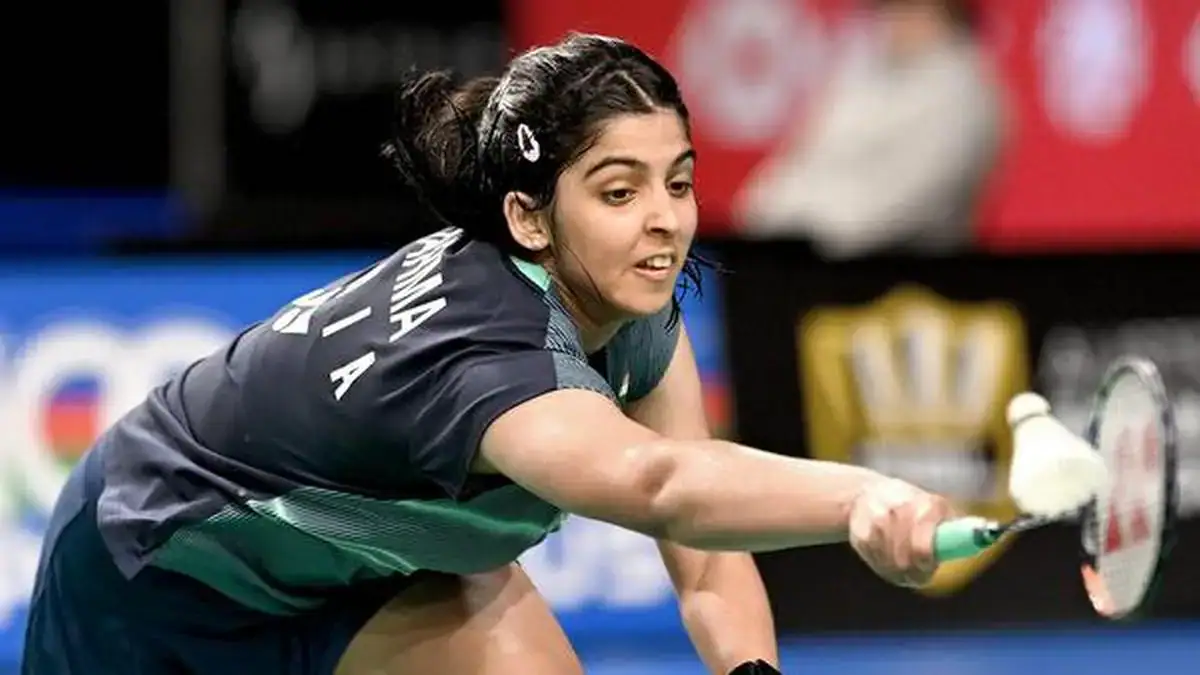
The match highlighted both Ayush’s potential and the gap that still exists at the highest level particularly in maintaining consistency against elite defensive players. Tharun Mannepalli also exited in the opening round, losing to world No.21 Koki Watanabe. Tharun entered the contest with a reputation for pushing higher-ranked opponents, but Watanabe’s control and experience proved too strong.
As seen in Ayush’s match, the Japanese style built on high shuttle retrieval, patience, and minimal errors once again posed a significant challenge. Tharun struggled to convert attacking opportunities and was unable to sustain pressure over long rallies.
From an Indian perspective, the day encapsulated both ends of the spectrum. On one side was Srikanth a veteran in the latter stages of his career producing a high-quality performance against a top-15 opponent. On the other were younger players like Ayush and Tharun, who showed flashes but lacked the consistency required to close out matches at this level.
The contrast is telling.
India continues to rely on experienced names for big-match results, while the next generation is still navigating the transition to elite-level consistency. The challenge ahead lies in bridging this gap.
For now, the spotlight firmly remains on Srikanth, whose resurgence if sustained could add an interesting dimension to India’s campaign at the Thailand Open 2026.
Comments (0)
to post comments, replies, and votes.
Loading comments…