The Courtroom Dojang: Inside the Governance Crisis Holding Indian Taekwondo Hostage
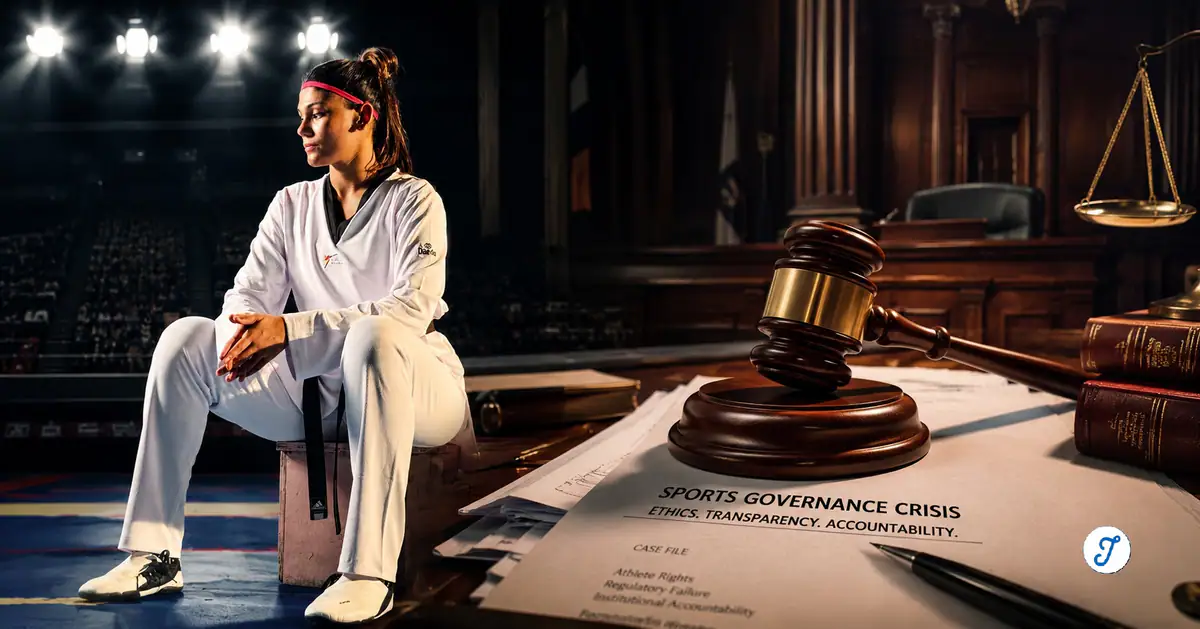
Inside the administrative crisis in Indian taekwondo. Learn how selection rows and court battles are holding elite athletes like Rodali Barua hostage.
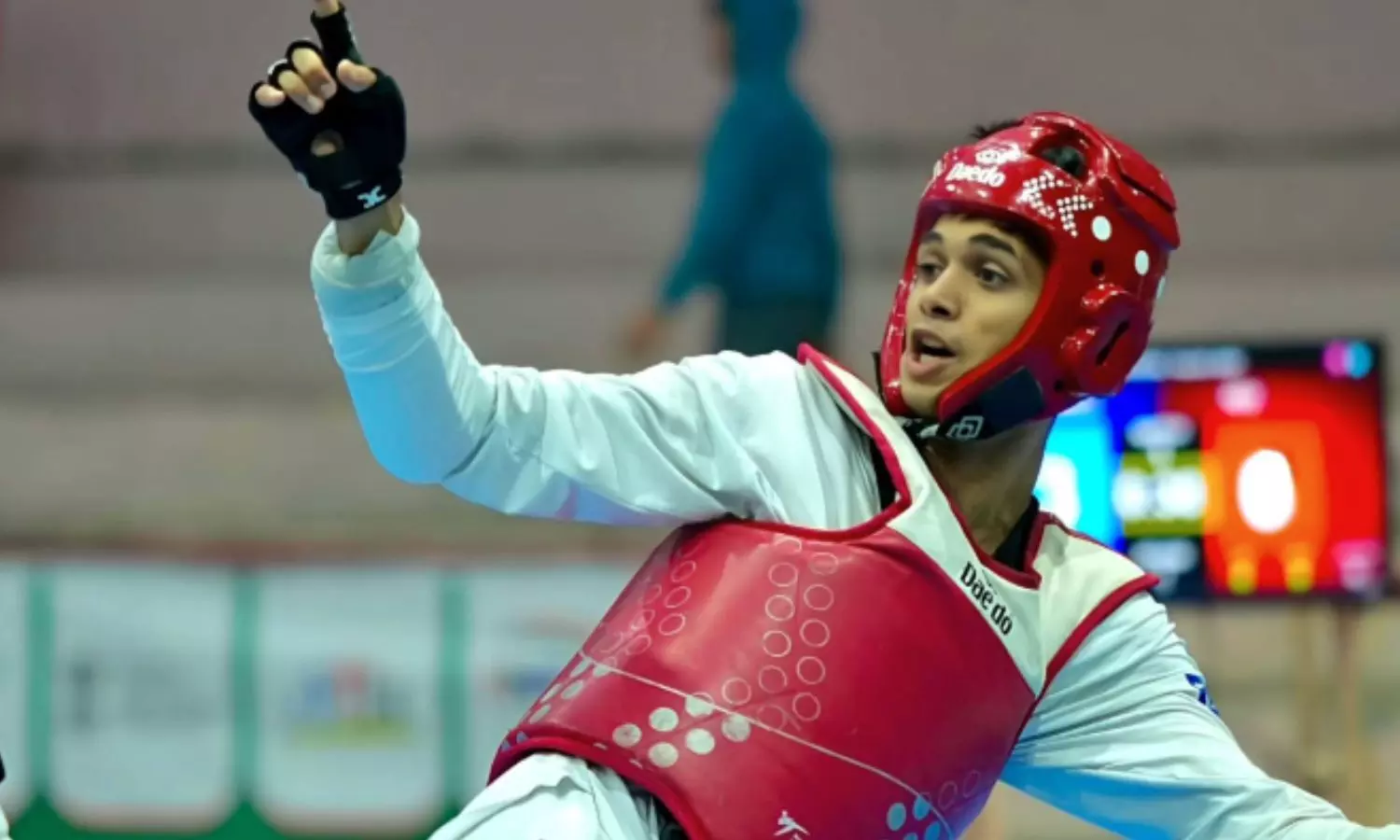
In May 2024, Rodali Barua stood on the podium in Da Nang, Vietnam, clutching a historic bronze medal.
The Outrage in Guwahati: Excluded on the Road to Aichi Nagoya
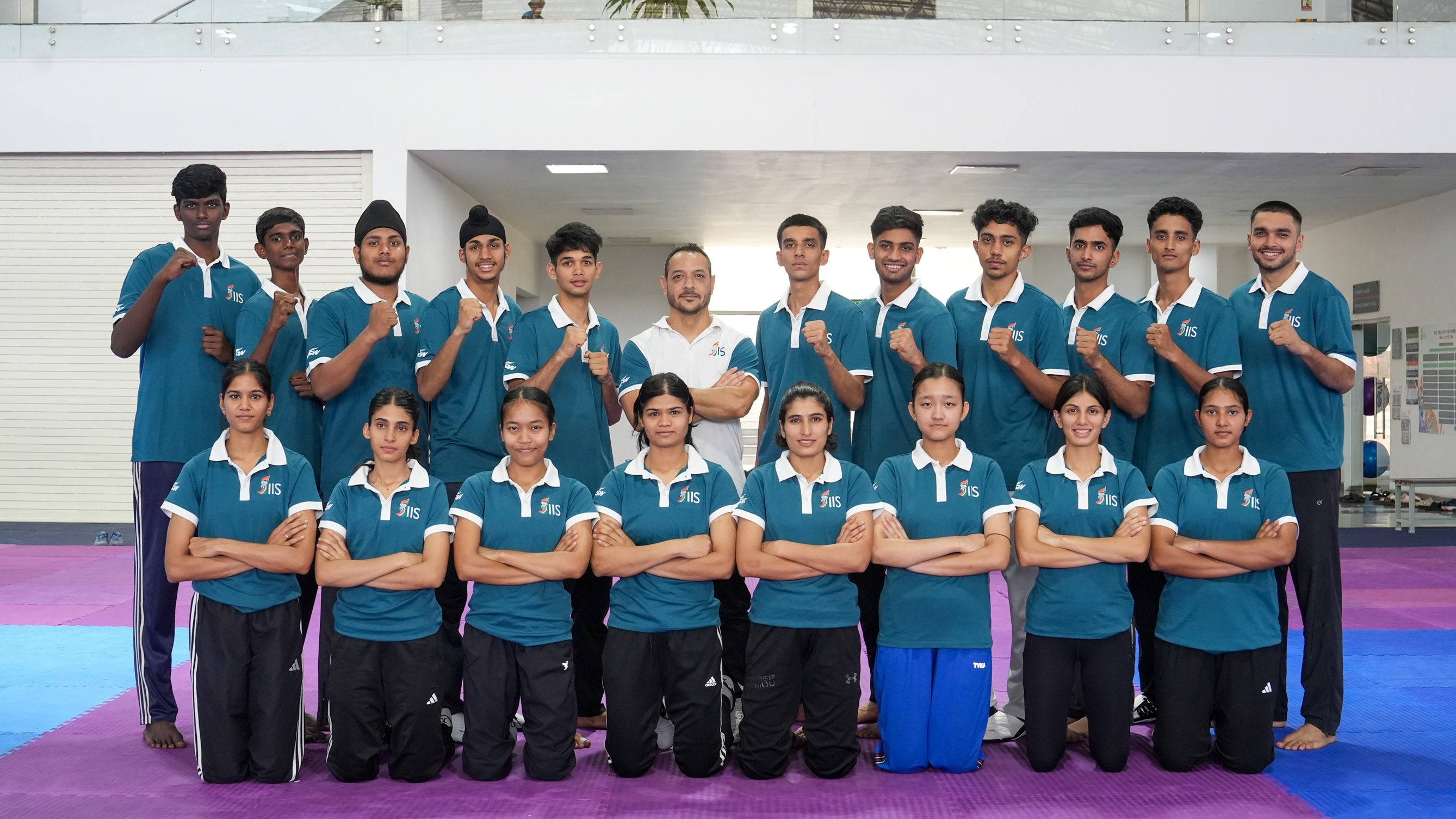
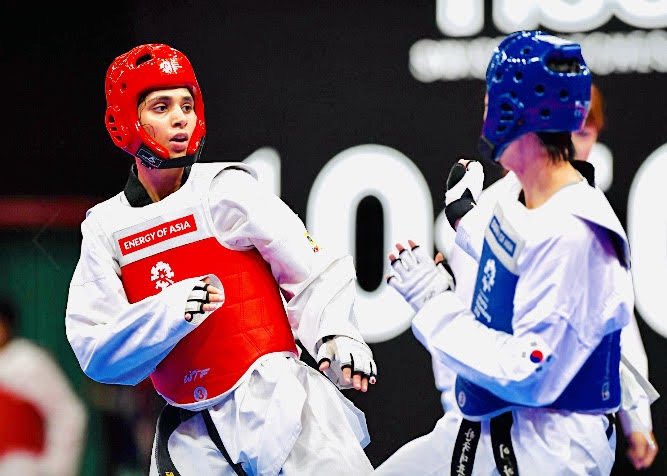
The immediate crisis erupted when India Taekwondo, despite having its government recognition withdrawn, allegedly conducted an exclusive selection camp in Pune on June 15, 2026. This camp systematically denied several leading athletes, including Barua, the opportunity to participate [Image]. Barua, ranked 67th in the world in the women's heavyweight category of over 73 kg, is a prominent member of the Target Asian Games Group, a high-performance scheme directly funded by the central government.
In response to her exclusion, the All Assam Taekwondo Association sought the urgent intervention of Assam Chief Minister Himanta Biswa Sarma. Association president Bolin Chetia and general secretary Hiranya Saikia formally declared the Pune selection camp illegal. They asserted that the trials openly violated the National Sports Development Code of India, the guidelines of the Indian Olympic Association, and explicit directives from the Delhi High Court. To protect her career, Barua filed a petition in the Delhi High Court challenging the legitimacy of the selection process.
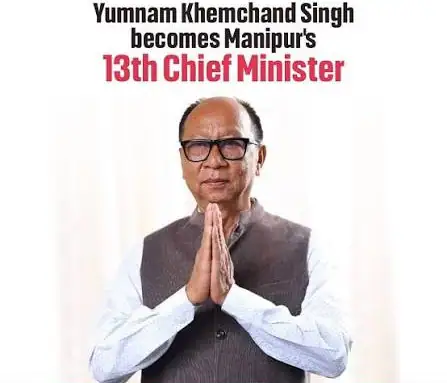
A fascinating political irony highlights this regional struggle. The All Assam Taekwondo Association was originally founded in 1982 by Yumnam Khemchand Singh, a pioneer who introduced the martial art to the northeast.
Who Governs What: The Split Administration
At the core of this institutional paralysis is a dual governance dispute between two rival factions claiming to be the rightful custodians of the sport.
Taekwondo Federation of India (TFI)
Founded in 1976 by Jimmy R. Jagtiani; led by democratically elected office bearers in court-ordered elections. Recognition was withdrawn on February 27, 2026, by the Sports Ministry due to non-compliance with the national Sports Code.India Taekwondo (IT)
Formed in 2019 by an IOA-appointed ad hoc committee; led by president Namdev Shirgaonkar. Recognition was withdrawn on February 27, 2026; accused of conducting illegal selection trials in Pune while derecognised.
This split traces back to 2015, when the Ministry of Youth Affairs and Sports derecognized the legacy federation for failing to comply with the national Sports Code. To resolve the deadlock, the Indian Olympic Association appointed an ad hoc committee in 2018 to temporarily manage the sport and register a new legal entity. However, the committee, chaired by Namdev Shirgaonkar, incorporated India Taekwondo in 2019 and subsequently installed its own members as permanent office bearers, with Shirgaonkar assuming the presidency.
The older federation fought back, organizing democratic, court supervised elections in November 2022 to reclaim its status as the true national governing body. This created an ongoing stalemate where the international body, World Taekwondo, recognized India Taekwondo, while domestic courts repeatedly upheld the legal claims of the legacy federation.
Judicial Orders and Financial Shadows
On February 27, 2026, complying with a directive from the Delhi High Court, the Ministry of Youth Affairs and Sports officially withdrew recognition from both India Taekwondo and the Taekwondo Federation of India. The Ministry ruled that neither organization fully met the criteria of the national Sports Code, leaving the sport in an absolute administrative vacuum with no recognized national federation. Despite this formal derecognition, India Taekwondo proceeded to conduct the controversial Pune selection camp on June 15, directly triggering the current legal battle with Barua.
Adding to the chaos, serious financial scandals have emerged. In late October 2025, as reported by journalist Owen Lloyd for Inside the Games, the Pune police registered an FIR against Namdev Shirgaonkar for allegedly misappropriating Rs 12.45 crore of government funds. The complaint alleged that Shirgaonkar cheated the state government by inflating purchase prices for poor quality athletic gear during various National Games. India Taekwondo issued an official clarification refuting any link between these criminal allegations and the national taekwondo administration, claiming the dispute was restricted to the internal politics of the Maharashtra Olympic Association.
The Cost of Conflict: Athletes Caught in the Crossfire
The primary victims of this institutional warfare are the athletes. In July 2026, the Delhi High Court was forced to intervene in the case of another elite taekwondo player, Kashish Malik. As reported by sports journalist Sabi Hussain, the Sports Ministry had initially refused to clear Malik for the Asian Games, citing a failure to meet eligibility criteria after her weight division was merged with another category. The Delhi High Court set aside the Ministry's decision, ruling that an athlete cannot be penalized or declared ineligible simply because international rules merged her qualified weight category after the selection process completed.
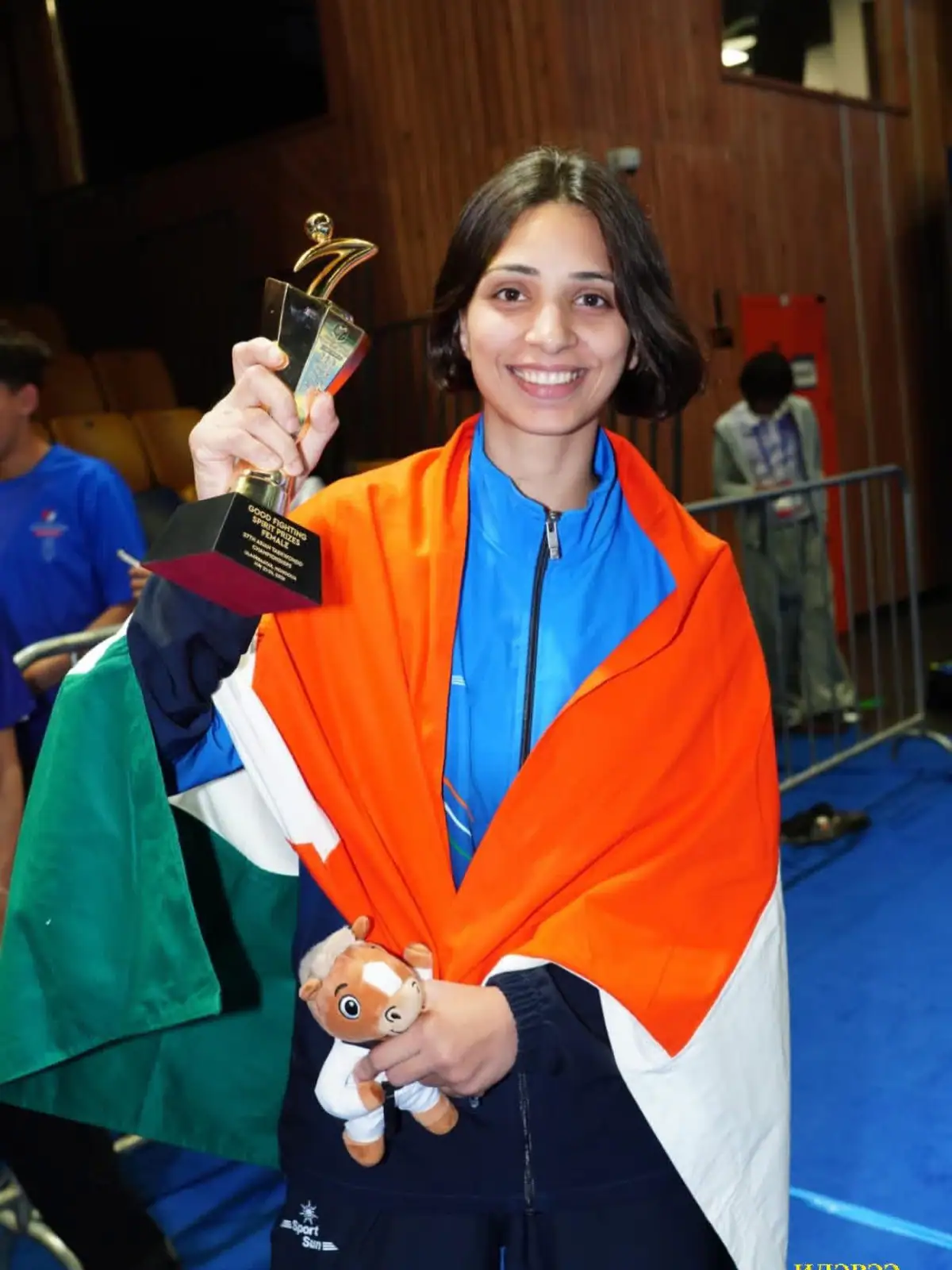
For Barua, whose journey began in the corridors of Kendriya Vidyalaya in Tezpur where she originally took up the sport to bunk classes, as documented by journalist Abdul Gani, the domestic administrative blockade stands in stark contrast to her international backing. The central government's Mission Olympic Cell approved a substantial budget of Rs 21.20 lakh in early 2026 to fund her international training and tournament exposure across Europe and Oceania. Yet, while the government funds her global pursuit of Olympic ranking points, domestic factional disputes deny her the simple right to participate in national selection trials.
This systemic crisis severely cripples grassroots development. As reported by journalist Abhijit Nair, the state association's ambitious plans to establish local training centers and train skilled instructors are completely stalled by the ongoing legal battles. Until the central government and the courts establish a single, legally compliant, and transparent governing body, the future of Indian taekwondo remains hostage to administrative greed, leaving its finest champions to fight their way through courtrooms instead of winning medals for their country.
Comments (0)
to post comments, replies, and votes.
Loading comments…


.jpg)