IIS and SAI Launch Residential Taekwondo Programme to Strengthen India’s Olympic Pathway
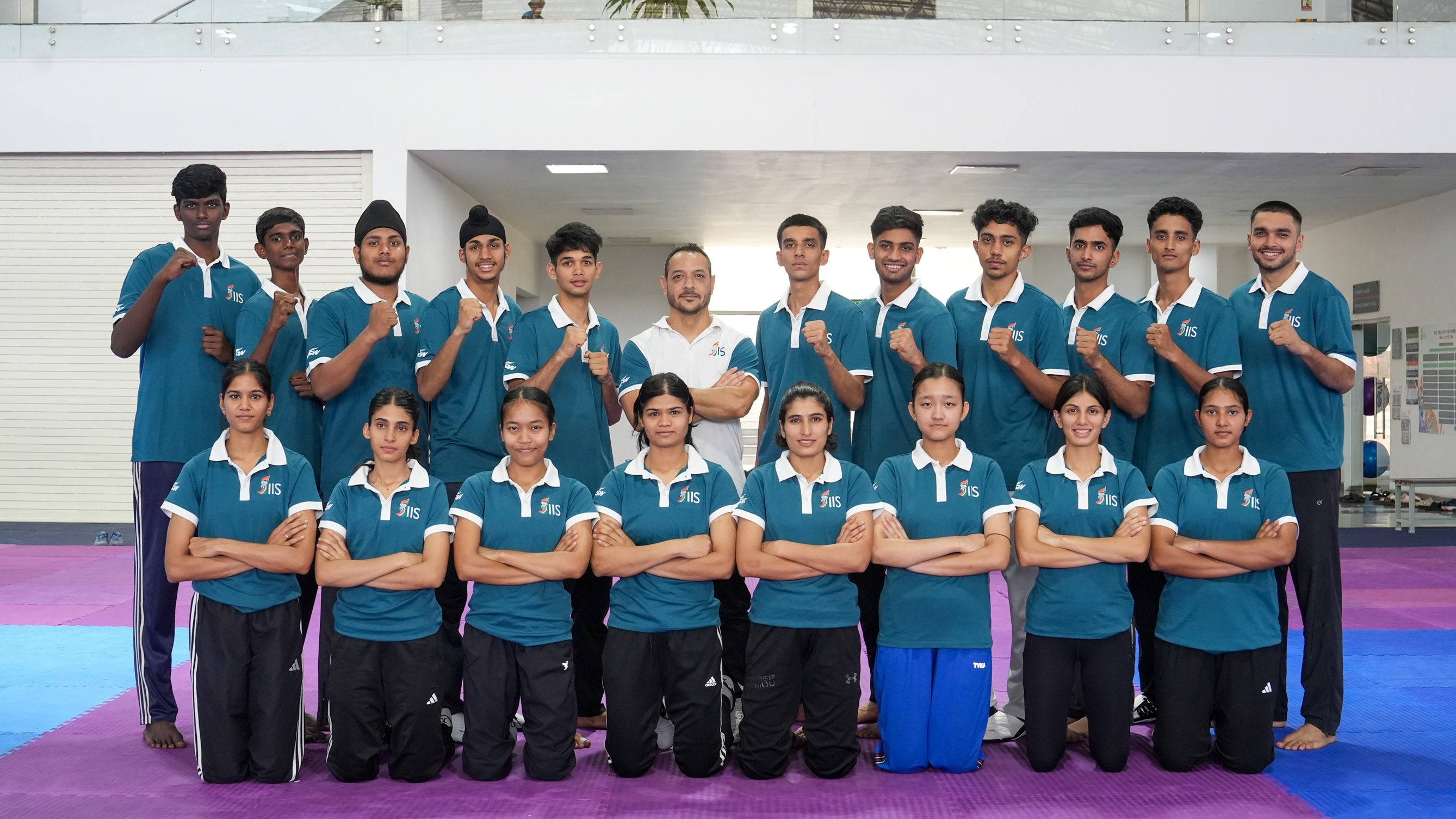
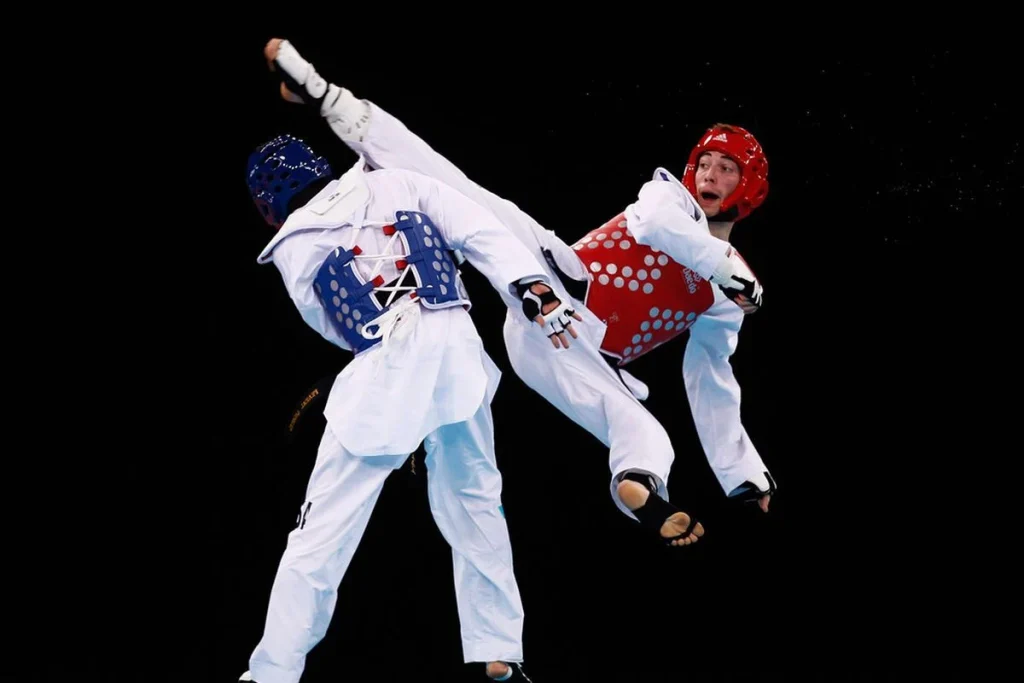
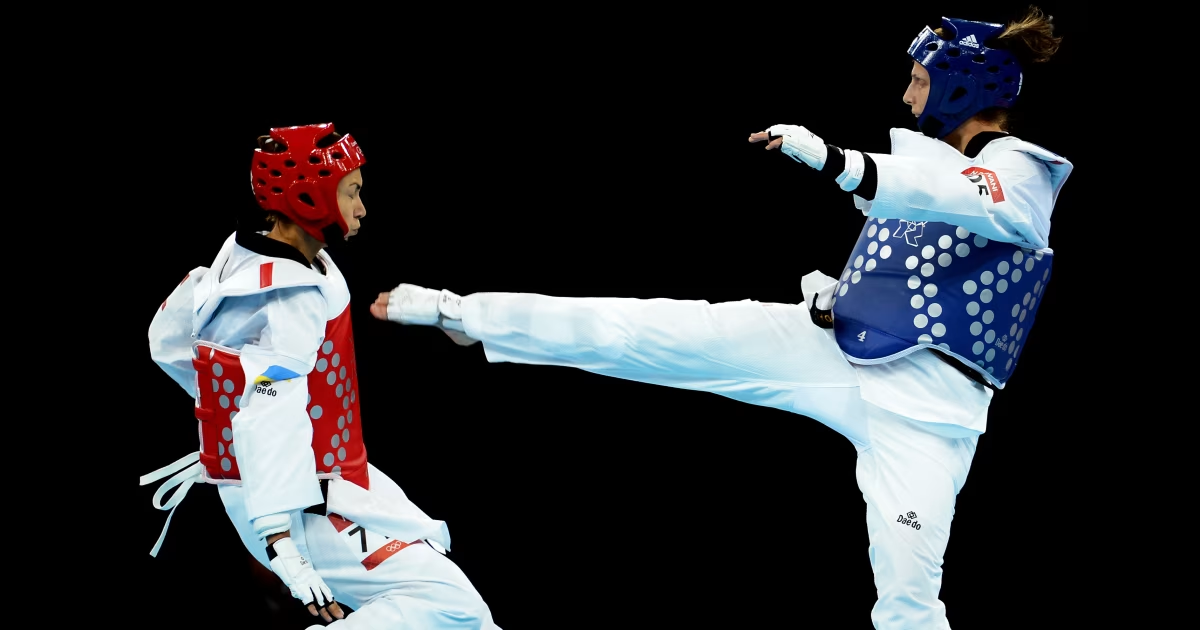
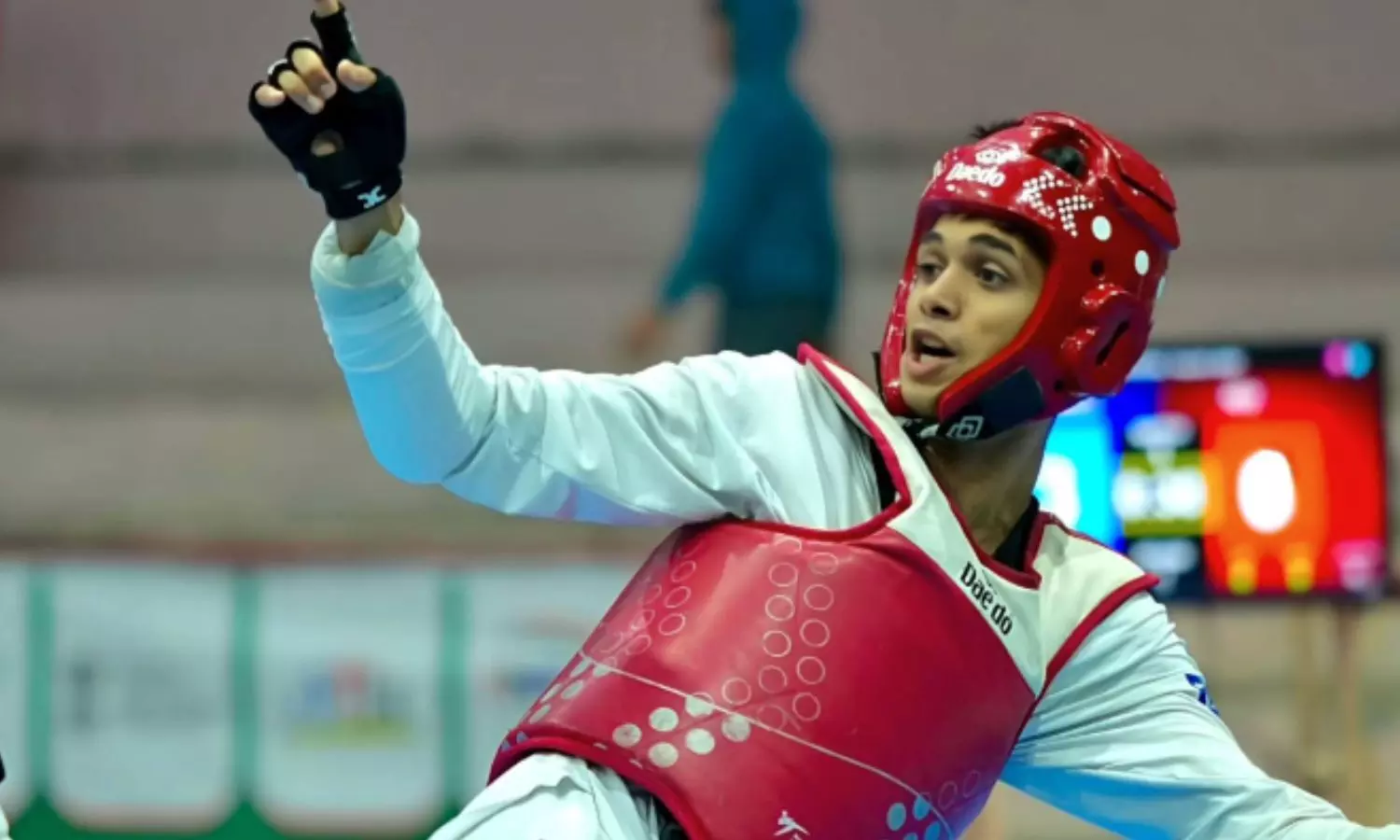
India’s push to build a stronger Olympic pipeline has taken another significant step with the launch of a residential taekwondo programme at the Inspire Institute of Sport (IIS) in Bellary.
Developed in collaboration with the Sports Authority of India (SAI), the initiative is designed as a long-term, high-performance pathway aimed at preparing athletes for the Los Angeles 2028 Olympic Games.
The programme brings together 24 athletes 12 men and 12 women selected through an extensive nationwide scouting process. With participants aged between 16 and 26, the focus is clearly on identifying athletes who are at a critical stage of development and can be shaped into elite international competitors over the next Olympic cycle. Despite increasing participation and visibility, India is yet to win an Olympic or World Championship medal in taekwondo. This gap has persisted not due to a lack of talent, but largely because of the absence of a structured, high-performance ecosystem that can consistently nurture athletes at the elite level.
The IIS-SAI programme aims to directly address this issue. By centralising training, providing access to international expertise, and ensuring consistent monitoring, the initiative is built to replicate systems that have worked successfully in other countries.
The selection of the 24 athletes was not incidental. Over a four-month period, IIS and SAI conducted a multi-phase scouting programme that covered national competitions and specialised trials. More than 200 athletes were evaluated across three national championships, followed by two dedicated selection camps. The final shortlist was determined based on performance metrics, physical attributes, technical ability, and long-term potential.
What adds credibility to the process is the involvement of internationally renowned experts. Two-time Olympic champion Jade Jones and world champion Jaouad Achab played key roles in assessing talent, alongside experienced coaches Toni Tomas and Lovre Brečić. This level of scrutiny ensures that the selected athletes are not just current performers, but individuals capable of adapting to the demands of elite international competition.
https://www.indiasportshub.com/articles/rupa-bayors-rise-how-an-athlete-from-arunachal-pradesh-redefined-indian-taekwondo
The programme will be led by head coach David Arturo Davis Díaz, who will oversee daily training and athlete development. His role will be supported by a structured coaching and support staff system designed to cover all aspects of performance. At a strategic level, the programme operates under the guidance of Gary Hall, High Performance Director at IIS. Hall’s experience is particularly relevant he previously implemented a similar model in the United Kingdom that contributed to Olympic success in taekwondo.
This connection is important. Rather than building a system from scratch, IIS is effectively adapting a proven framework, customised to Indian conditions and athlete profiles. One of the defining features of the programme is its integrated approach. Athletes will not only receive technical coaching but also benefit from sports science, strength and conditioning, nutrition, recovery protocols, and psychological support.
Residential programmes are critical in this regard. By bringing athletes into a controlled, high-performance environment, consistency can be maintained across all aspects of training and recovery. This is often the difference between national-level performers and athletes capable of competing on the global stage. The programme is supported by Innocean, a Brand Experience Solutions company, which will partially fund the initiative over the next two years. This partnership highlights the growing role of corporate investment in Olympic sports.
Sustained funding is essential for long-term success. Unlike short-term training camps, Olympic preparation requires continuous investment in infrastructure, coaching, and athlete welfare. The involvement of a corporate partner adds stability and allows the programme to operate without interruptions. The timing of the programme is aligned with the Olympic cycle. With the Los Angeles 2028 Games as the primary target, athletes now have a clear four-year window to develop, compete, and peak at the right moment.
This long-term approach is a shift from earlier models, where preparation often began too late or lacked continuity. By starting early, the programme allows for gradual progression technical refinement, exposure to international competitions, and adaptation to high-pressure environments.
The addition of taekwondo also reflects IIS’s broader strategy of expanding into multiple Olympic disciplines. The institute has already established itself in sports like athletics, boxing, and wrestling, and recently introduced rowing as a residential programme. Taekwondo’s inclusion is a logical extension, especially with the presence of experienced leadership and a clear performance roadmap. While immediate results are unlikely, the success of this programme will be measured over time. The objective is not just to produce one or two standout athletes, but to create a sustainable pipeline of talent capable of consistently competing at the highest level.
For Indian taekwondo, this could be a turning point. With the right structure, exposure, and support, the gap between potential and performance can finally be bridged.
India’s Olympic ambitions have expanded significantly in recent years, with a focus on diversifying medal prospects beyond traditional sports. Initiatives like this residential taekwondo programme are central to that vision. By investing in systems rather than short-term outcomes, Indian sport is gradually moving towards a model that prioritises preparation, consistency, and long-term success.
The road to Los Angeles 2028 is still long, but with programmes like this in place, India’s chances of making a breakthrough in taekwondo have become more realistic than ever before.
Comments (0)
to post comments, replies, and votes.
Loading comments…



.jpg)