All Badminton Rackets are Not the Same
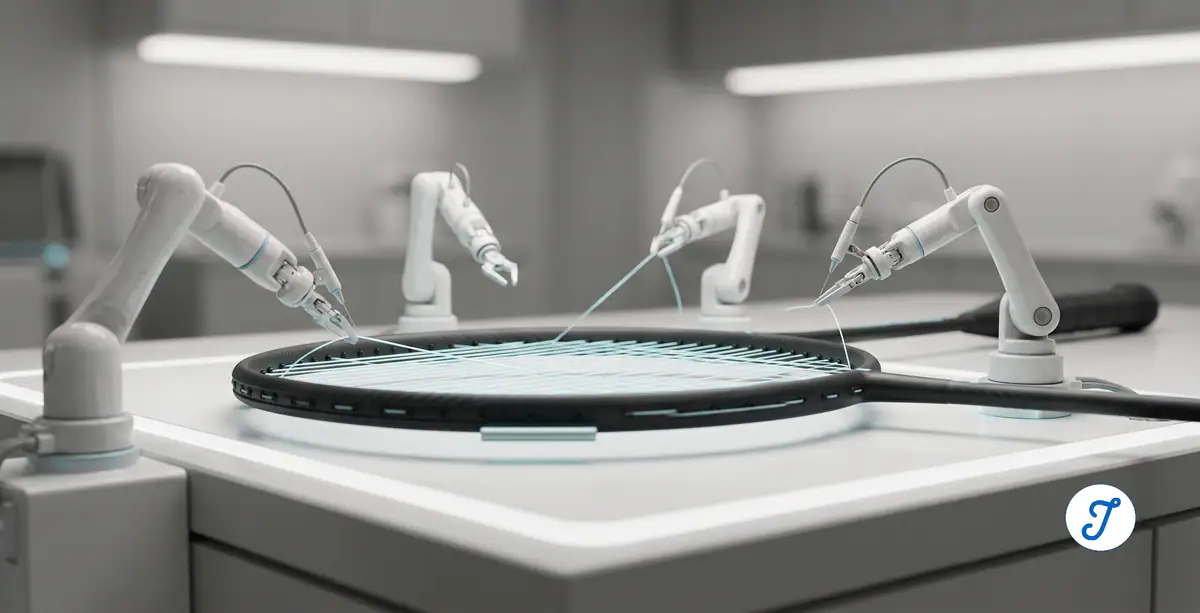
Modern competitive badminton operates at the convergence of human reflexes, biomechanical efficiency, and materials science. At state, national, and Badminton World Federation (BWF) tournament levels, a badminton racket is a finely calibrated instrument designed to manipulate shuttlecock aerodynamics, deliver instantaneous energy transfer, and execute millimetre-level shot placement.
The global competitive landscape, especially within badminton strongholds such as India, Japan, Indonesia, and China, is predominantly shaped by Yonex engineering. Understanding how racket weight classifications, frame cross-sections, shaft stiffness profiles, string dynamics, and tension thresholds interact is fundamental to comprehending how elite athletes optimize their performance across competitive disciplines.
Structural Classifications and Technical Nomenclature
To analyze high-performance racket dynamics, one must first decode the standardized engineering classifications used to define mass, balance, geometry, and grip dimensions.
Weight Classifications (The "U" Matrix)
The total static mass of a professional badminton racket is designated by the letter "U". On this scale, lower numerical values represent heavier frames, while higher numerical values denote lighter frames:
1U (95 to 99.9 grams): Heavily weighted frames primarily used for strength training and resistance conditioning rather than live tournament matchplay.
2U (90 to 94.9 grams): Traditional heavy frames that have largely phased out of modern high-speed circuit play due to the physical fatigue they cause during multi-match tournaments.
3U (85 to 89.9 grams): The power standard for competitive singles athletes and rear-court doubles smashers who possess the forearm strength to accelerate heavier frames for steep downward smashes.
4U (80 to 84.9 grams): The dominant international tournament standard, providing a versatile balance of swing speed, structural mass, and rapid defensive recovery.
5U (75 to 79.9 grams): Lightweight frames engineered specifically for front-court doubles interceptors seeking fast reaction times.
6U / F (70 to 74.9 grams): Featherweight frames engineered for specialized agility.
In top-tier tournament competition, matchplay is almost exclusively contested between 3U and 4U frames. A 3U racket possesses greater linear momentum during full swings, translating into heavier smashes. Conversely, a 4U frame allows athletes to accelerate the racket head much faster across compact swing arcs, making it suitable for flat counter-drives, net kills, and reflex defense.
Grip Sizing (The "G" Metric)
Grip circumference is designated by the letter "G", where an inverted numerical scale applies 0 the higher the number, the thinner the handle:
G4 (84 mm circumference): A medium-large grip favored by athletes with larger hands or players who prefer palm-anchored power hitting.
G5 (81 mm circumference): The international and Indian professional tournament standard.
G6 (78 mm circumference): An extra-thin handle allowing maximum finger manipulation and delicate net rolling.
Professional players overwhelmingly select G5 or G6 handles. A thinner handle creates physical clearance between the player’s fingers and palm. This space enables athletes to apply quick finger twitches (known as "finger power") and shift racket bevels between forehand, backhand, and panhandle grips during high-speed exchanges. Players can enlarge a thin handle using synthetic polyurethane overgrips or cotton towel grips, whereas a thick wooden handle cannot be thinned without damaging its structural integrity.
Frame Geometry: Oval versus Isometric Heads
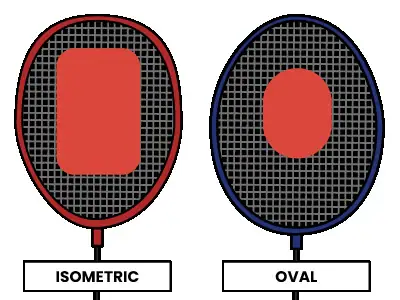
Legacy badminton rackets featured oval head shapes characterized by a small, centralized sweet spot - the specific zone on the string bed that produces maximum power and minimum vibration.
Modern professional rackets are exclusively Isometric. Developed by Yonex, the square-like Isometric architecture equalizes the lengths of vertical main strings and horizontal cross strings, expanding the sweet spot by approximately 7%. In professional play, where shots are frequently struck off-center at acute angles, an expanded sweet spot prevents sudden drops in shuttle velocity and dampens torsional frame twisting.
Shaft Stiffness and Kinetic Whip Mechanics
Shaft flexibility refers to how much the carbon-graphite rod bends during swing acceleration:
Extra-Stiff and Stiff Shafts: Essential for national and international tournament athletes. Because elite players swing the racket with high acceleration, a stiff shaft bends slightly and snaps back instantaneously at impact, transferring kinetic energy directly into the shuttlecock. This quick snapback prevents the racket face from lagging, ensuring pinpoint shot trajectory.
Medium and Flexible Shafts: Bend easily with lower swing speeds, acting like a slingshot to help developing players clear the shuttle from baseline to baseline. In elite hands, however, a flexible shaft flexes too deeply and recoils slowly, causing the racket face to lag behind the swing and spraying shots wide.
Structural Joints: Built-In Single-Piece T-Joints
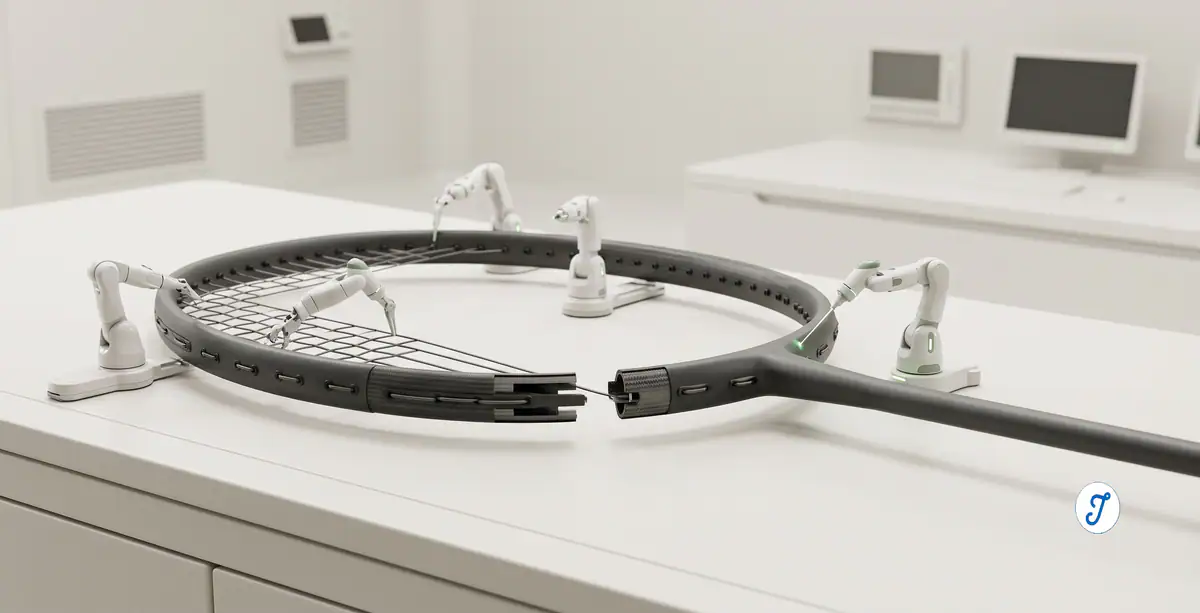
Two-piece rackets joined with external sleeves are absent from professional play due to energy dissipation and mechanical failure. Modern tournament rackets feature built-in, single-piece T-joints molded into the carbon composite layers where the frame meets the shaft. This solid core eliminates rotational twisting during off-center hits, stabilizing the frame face against aerodynamic drag.
Yonex Professional Racket Ecosystem: Astrox, Nanoflare, and Arcsaber
Yonex organizes its professional racket architectures into three core performance categories: Power, Speed, and Control.
1. Astrox Series: The Head-Heavy Power Engine
Performance Focus: Aggressive attacking play, steep downward smashes, and continuous baseline pressure.
Weight Distribution: Head-Heavy, placing the physical balance point toward the top of the frame to maximize angular momentum.
Rotational Generator System (RGS): Astrox frames employ counterbalance weighting. By distributing precise counterweights across the top of the frame, the central T-joint, and the base of the handle, the racket produces a smooth flywheel effect. This allows a head-heavy racket to swing through with maximum momentum during a smash while recovering quickly for subsequent shots.
Advanced Carbon Chemistry: Integrated with Namd carbon graphite, which directly bonds carbon nanotubes into composite resins. This enables the shaft to store elastic energy under high swing acceleration and snap back rapidly, generating steeper smash angles and higher exit velocity.
Flagship Professional Models: Astrox 100ZZ (compact frame with a solid-core slim shaft used by Olympic champion Viktor Axelsen), Astrox 99 Pro (extended shuttle dwell time for heavy power), and Astrox 88D/88S Pro (doubles-specific rear and front court frames).
2. Nanoflare Series: The Head-Light Aerodynamic Speed Specialist
Performance Focus: Rapid frame swing speed, lightning-fast reflex defense, and mid-court drive dominance.
Weight Distribution: Head-Light, centering mass toward the handle to minimize aerodynamic swing resistance.
Sonic Flare System: Constructed with high-modulus TORAYCA M40X graphite at the base of the frame and Super HMG graphite at the crown. This material pairing provides high frame rigidity, transforming incoming shuttle energy into immediate rebound speed.
Aerodynamic Contouring: Nanoflare frames use sharp, wind-slicing cross-sections that reduce drag. This design enables high smash speeds through rapid racket head acceleration rather than heavy static mass, as seen in the 565 km/h smash world record achieved with the Nanoflare 1000Z.
Flagship Professional Models: Nanoflare 1000Z (ultra-stiff compact speed frame), Nanoflare 800 Pro, and Nanoflare 700.
3. Arcsaber Series: The Even-Balance Precision Controller
Performance Focus: Pinpoint shuttle placement, extended string dwell time, and controlled counter-attacking.
Weight Distribution: Even-Balance, distributing weight uniformly from the frame tip to the end cap.
Shuttle-Pocketing Frame: Arcsaber frames feature variable frame rigidity; the frame sides flex slightly on contact while the top and bottom remain rigid. This structural behavior increases "dwell time" (the milliseconds the shuttlecock stays embedded in the string bed), giving players physical feedback to place cross-court drops, tight net spins, and deceptive drives.
Flagship Professional Models: Arcsaber 11 Pro (elite control standard endorsed across singles and doubles) and Arcsaber 7 Pro.
4. Legacy and Crossover Frames: The Duora Series
Dual Optimum System: Incorporates an asymmetric frame design featuring a rigid Box shape on the forehand side for solid impact feel and an aerodynamic Aero shape on the backhand side to accelerate defensive swings.
Flagship Professional Model: Duora Z-Strike (extra-stiff shaft with a compact sweet spot engineered for hard-hitting accuracy).
http://thegodofsports.com/yonex-astrox-vs-nanoflare/
TACTICAL EQUIPMENT CONFIGURATIONS BY DISCIPLINE
Men's Singles
- Racket Profile: 3U / 4U, Head-Heavy or Aero-Speed (Astrox 100ZZ, NF 1000Z)
- Shaft & Tension: Extra-Stiff Shaft | 30 to 34 lbs Tension
- Strategic Focus: Full-court clears, baseline smashes, precise angles
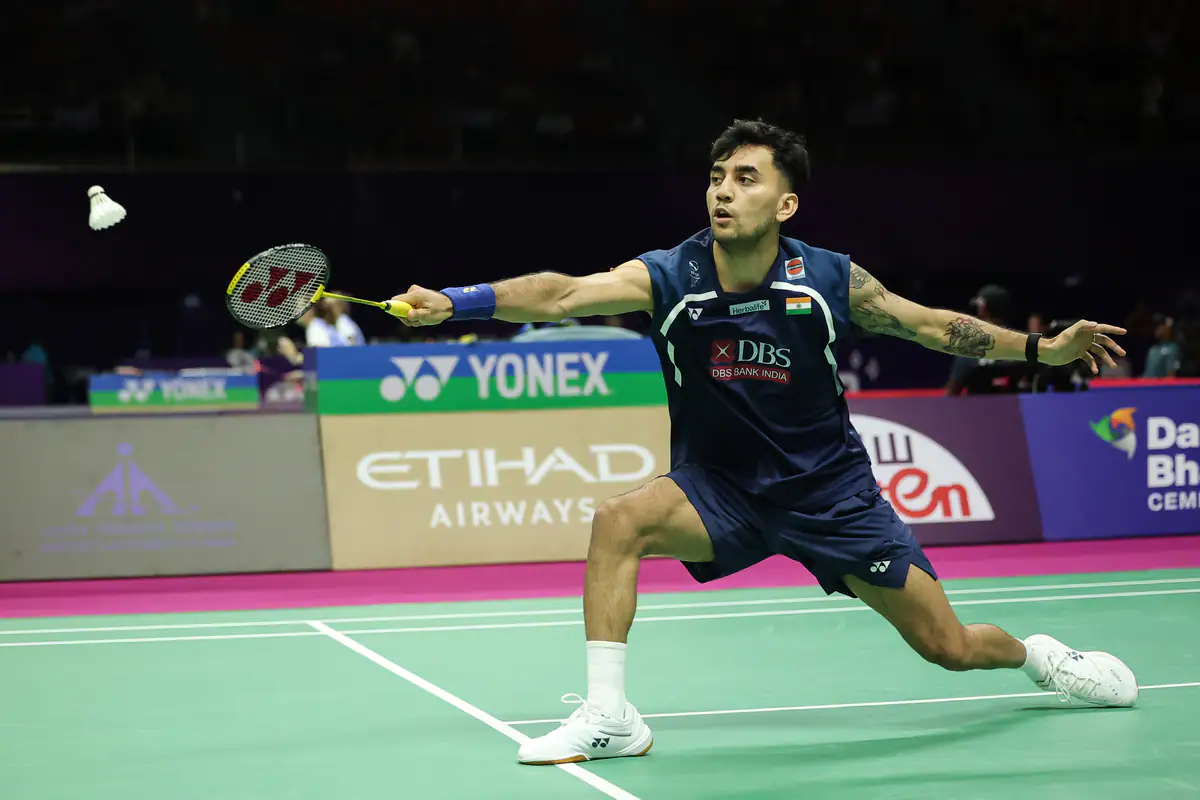
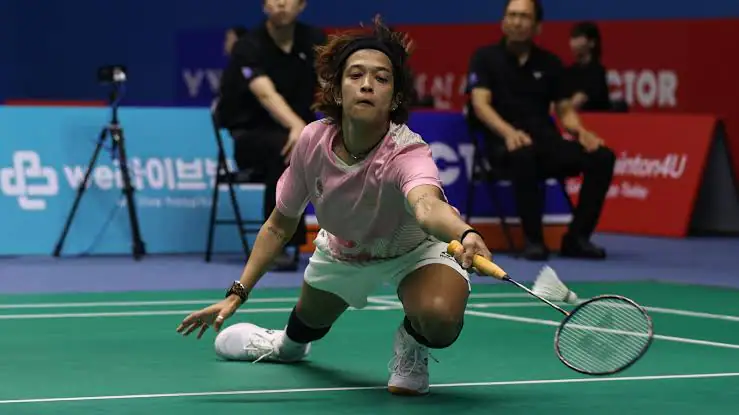
Men's singles rallies are built around precise court construction. Using high baseline clears, pinning lifts, and low tumbling net drops, punctuated by explosive jumping smashes. Competitors rely on 3U or 4U head-heavy or aerodynamic speed frames paired with stiff shafts (e.g., Astrox 100ZZ, Astrox 99 Pro, Nanoflare 1000Z). These are strung tightly between 30 and 34 lbs, giving athletes the precision to place clears within centimeters of the baseline while maximizing downward smash speed.
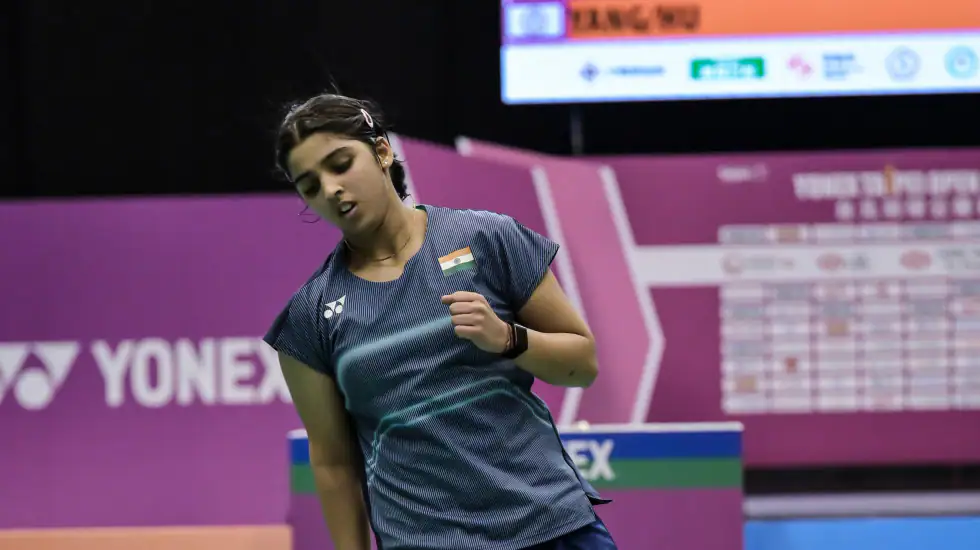
Women's Singles
- Racket Profile: 4U, Even-Balance to Head-Heavy (Astrox 77 Pro, NF 700/1000Z)
- Shaft & Tension: Stiff / Medium-Stiff Shaft | 27 to 31 lbs Tension
- Strategic Focus: Extended tactical rallies, deceptive slice drops, recovery
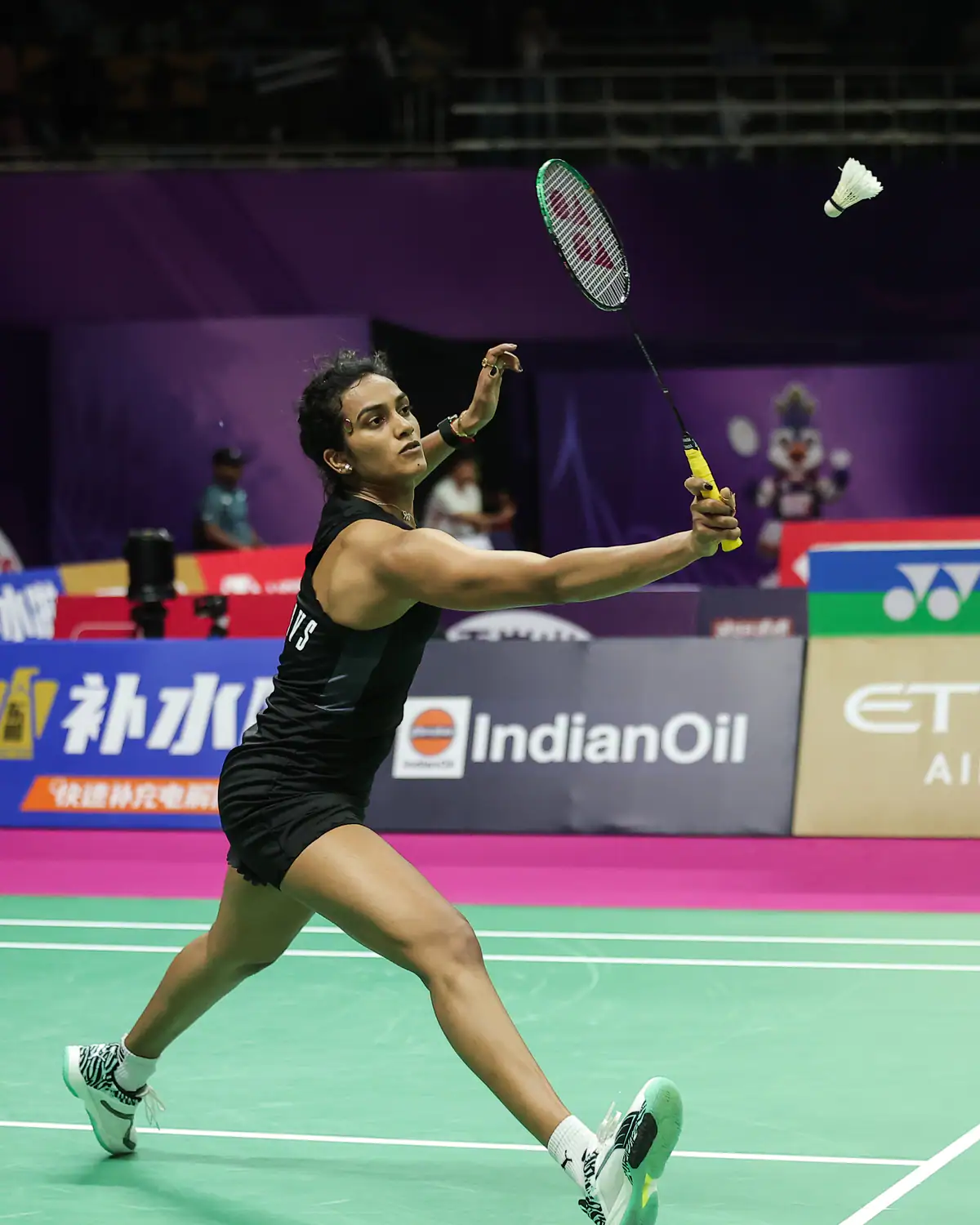
Women’s singles matches are characterized by long, multi-shot tactical rallies built around consistent movement, deceptive slices, and counter-attacking clears. Competitors favor 4U frames with head-heavy to even-balance weight profiles and stiff shafts (e.g., Astrox 77 Pro, Arcsaber 11 Pro, Nanoflare 700/1000Z). These are typically strung between 27 and 31 lbs, preserving a slightly larger sweet spot that ensures players can clear end-to-end even late in deciding third sets.
Men's Doubles (Rear Court)
- Racket Profile: 3U / 4U, Head-Heavy (Astrox 88D Pro, Astrox 100ZZ, NF 1000Z)
- Shaft & Tension: Extra-Stiff Shaft | 30 to 33 lbs Tension
- Strategic Focus: Continuous downward power smashes, attacking clears
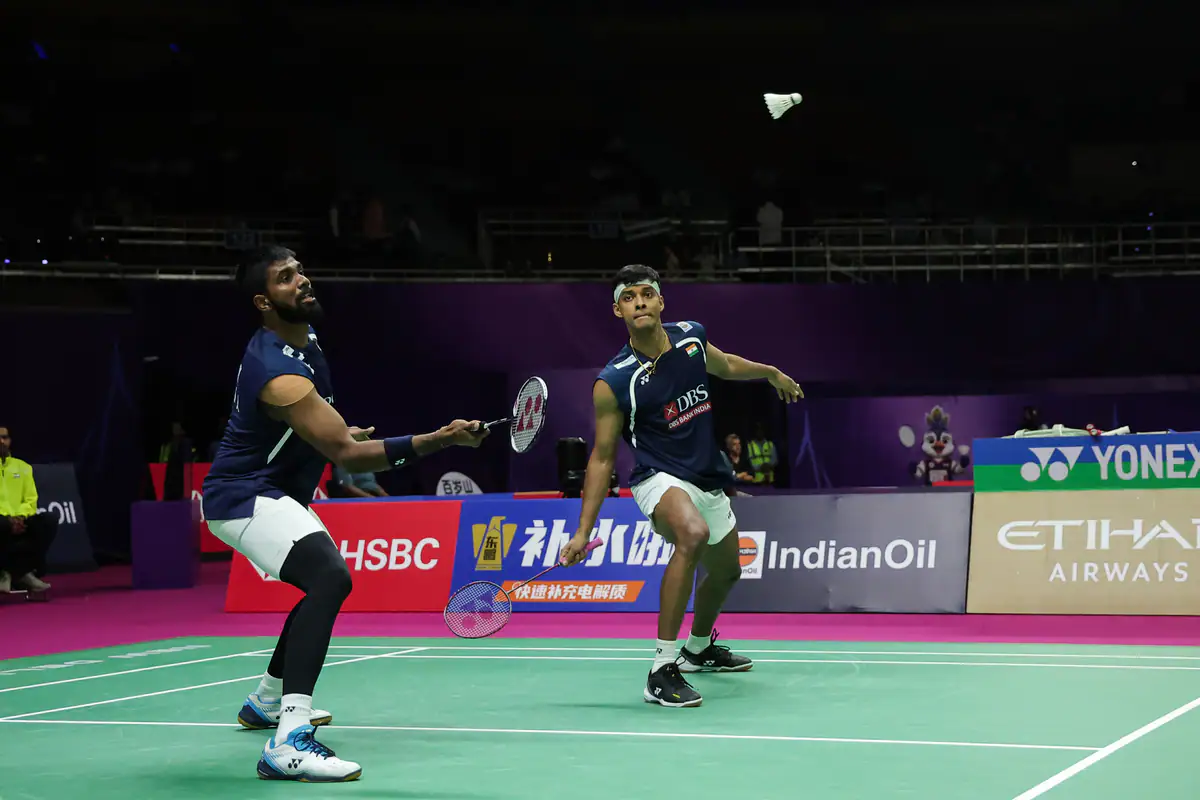
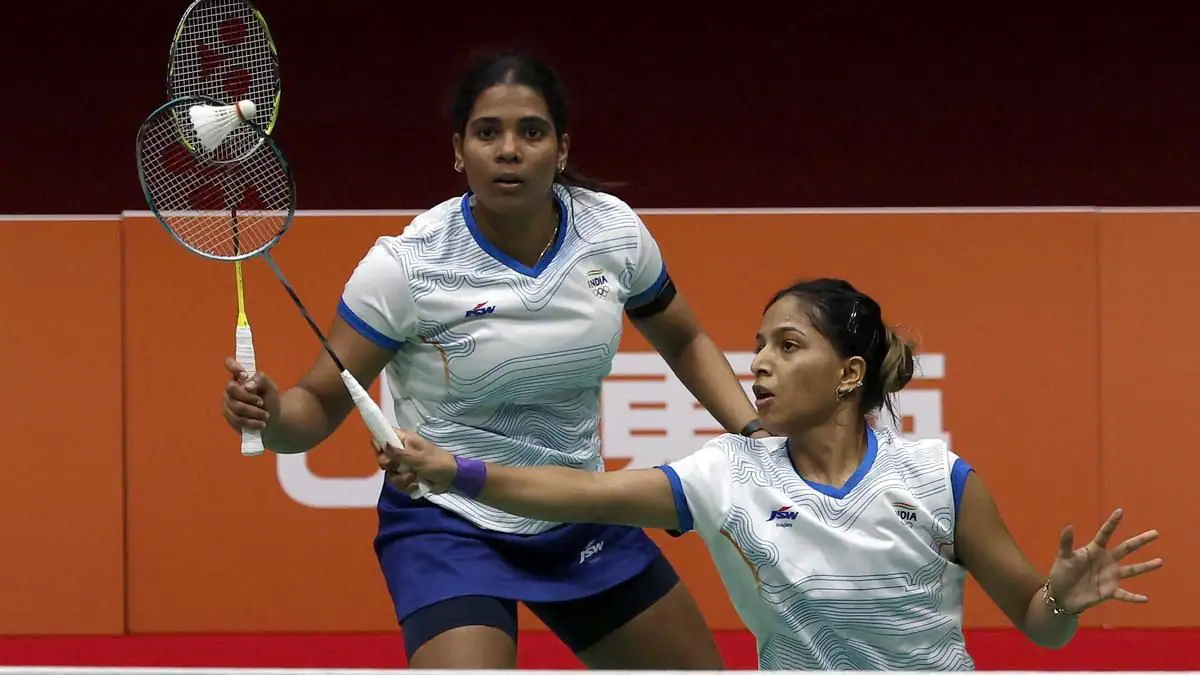
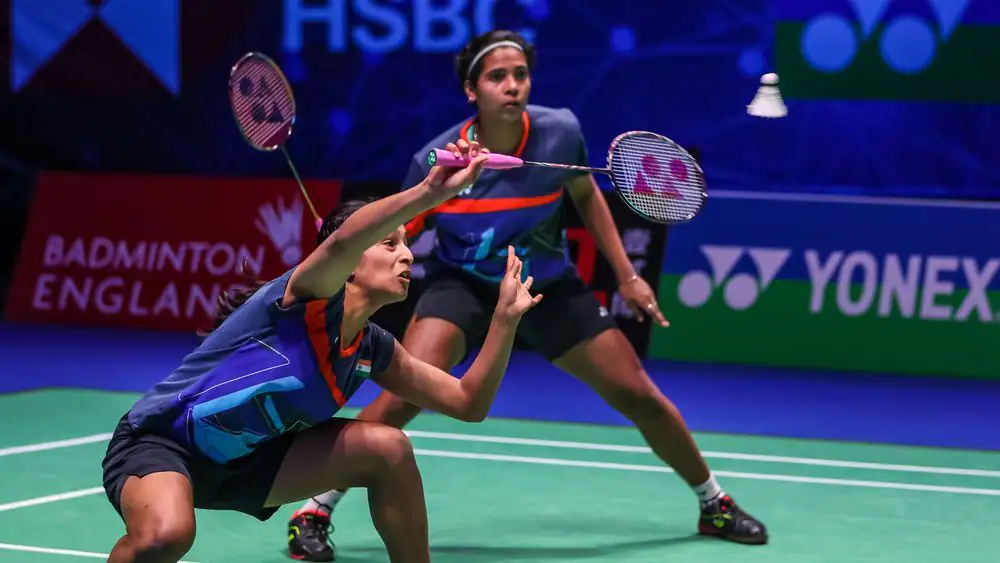
Men's doubles is the fastest format in badminton, defined by flat mid-court drive exchanges, reflex defense against smashes exceeding 400 km/h, and relentless attacking aggression.
Rear-Court Power Specialist: Uses 3U or 4U head-heavy frames (e.g., Astrox 88D Pro, Astrox 100ZZ, Nanoflare 1000Z) strung at 30 to 33 lbs to hit heavy, continuous downward smashes from the back line.
Front-Court Playmaker: Opts for 4U head-light or even-balance frames (e.g., Astrox 88S Pro, Arcsaber 11 Pro, Nanoflare 800 Pro) strung at 29 to 32 lbs to win flat drive exchanges, block incoming smashes, and intercept loose shuttles at the net.
Men's & Mixed Doubles (Front Court)
- Racket Profile: 4U / 5U, Head-Light to Even-Balance (NF 800/1000Z, Arcsaber 11 Pro)
- Shaft & Tension: Stiff Shaft | 29 to 32 lbs Tension
- Strategic Focus: Flat drive exchanges, net tape kills, quick interceptions
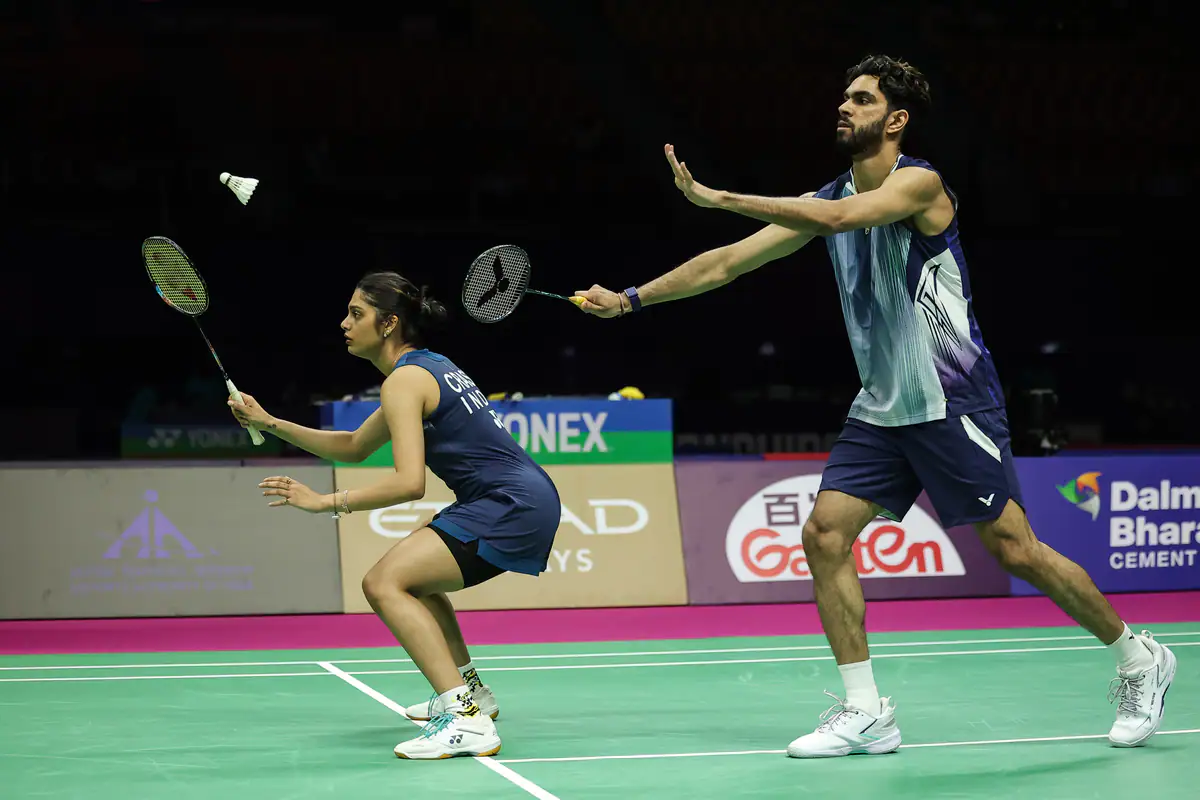
Mixed doubles relies on defined tactical positioning, where the male player typically covers the deep rear court while the female player controls the front T-junction.
Rear Attacker: Employs 3U or 4U head-heavy power rackets (Astrox series) at 30 to 33 lbs to apply sustained downward pressure from the back of the court.
Front Net Controller: Selects 4U or 5U head-light or even-balance rackets (Nanoflare 700/800, Arcsaber 7/11 Pro) strung between 27 and 30 lbs, providing the rapid handling needed to intercept flat drives and spin tight net tumbles.
Manufacturing Tiers: Pro, Tour, Game, and Play
Pro Tier: Built exclusively at Yonex’s manufacturing plant in Niigata, Japan. These models use top-grade Namd graphite, solid-feel internal cores that dampen shock vibrations, ultra-slim stiff shafts, and strict weight tolerances. They are built to withstand the physical demands and high string tensions of elite tournament circuits.
Tour Tier: Manufactured in Taiwan with cosmetic liveries identical to the Pro models. They feature premium graphite with slightly more forgiving shaft flex profiles, serving as high-performance alternatives for elite junior and national contenders.
Game Tier: Produced with standard high-modulus graphite and medium-flex shafts, engineered to provide accessible power for intermediate competitors.
Play Tier: Entry-level graphite constructions with flexible shafts and forgiving balances designed for recreational play, lacking the structural reinforcement needed for professional string tensions.
String Dynamics, String Gauges, and Tension Physics
The string bed is the sole component that directly impacts the shuttlecock. In elite tournament play, string tension and gauge selection dictate the balance between shot repulsion, placement precision, and physical arm impact.
HIGH TENSION (28 – 34+ lbs)
Board-like, rigid string bed
Microscopic sweet spot
Maximum exit speed (on clean hits)
High shock load transmitted to arm
Frequent string wear and breakage
LOW TENSION (20 – 25 lbs)
Trampoline-like, elastic string bed
Large, forgiving sweet spot
Moderate exit speed, effortless depth
Low vibration transmission to joints
High string durability
The Mechanics of String Tension
String tension is measured in pounds (lbs) or kilograms (1 kg≈2.2 lbs). While casual play occurs between 18 and 24 lbs, competitive state, national, and international players string between 28 lbs and 35 lbs:
The Trampoline Effect (Below 25 lbs): At lower tensions, the string bed deflects deeply upon shuttle impact. This extended contact time acts like a trampoline, launching the shuttlecock deep into the opposing court with minimal effort. However, because the shuttle lingers on the strings, precise angle control is lost, and the shuttle rebounds with a lower peak exit speed.
The Rigid Board Effect (28 to 34+ lbs): At elite professional tensions, the string bed behaves like a flat, rigid board. Dwell time is reduced to milliseconds. When struck cleanly within the sweet spot by a fast swing, kinetic energy transfers instantly into the shuttlecock, producing explosive smash speeds and crisp acoustic feedback. The lack of string displacement allows athletes to execute delicate tumbling net shots and sharp slice drops.
The High-Tension Trade-Off: High tension shrinks the effective sweet spot to a small central zone. If a player strikes a 32-lb string bed off-center, the racket transfers minimal energy to the shuttle, while the unabsorbed impact sends harsh vibrations into the player's arm. Furthermore, tightly stretched strings wear out quickly and break frequently during tournament matches.
Biomechanical and Racket Adjustments for Shoulder Injury
Badminton smashes require the body to channel power through an overhead kinetic chain: drive forces travel from the lower legs through hip rotation, trunk flexion, shoulder internal rotation, forearm pronation, and final wrist flexion.
When athletes strike the shuttlecock repeatedly using heavy, stiff, high-tension setups, any off-center impact sends high-frequency shock waves directly into the musculoskeletal system. Over long tournament seasons, this repetitive stress can cause rotator cuff tendinitis, subacromial impingement, and joint fatigue.
SHOULDER INJURY MITIGATION FRAMEWORK
1. String Tension Reduction: Lower tension by 2 to 4 lbs (32 lbs -> 28 lbs)
- Re-engages the elastic trampoline effect, enlarging the sweet spot and absorbing harsh impact vibrations before they reach the shoulder.
2. Static Mass Reduction: Transition down one weight class (3U -> 4U)
- Decreases overall racket mass, easing the muscular load required to decelerate the arm during explosive smash follow-throughs.
3. Balance Point Redistribution: Shift from Head-Heavy to Even/Head-Light
- Lowers dynamic swing weight, reducing joint torque on the rotator cuff during continuous overhead smashes.
4. Shaft Compliance Tuning: Move from Extra-Stiff to Medium-Stiff
- Enables carbon whip recoil to generate shuttle velocity, reducing the muscular force the shoulder must supply.
5. Vibration Dampening: Adopt Softer Multifilaments and Foam Under-Wraps
- Filters out high-frequency mechanical shock before it travels up the arm.
https://www.indiasportshub.com/articles/all-badminton-bwf-title-holders-from-india
For state, national, and international competitors, success depends on aligning these equipment variables with personal playing styles, physical strengths, and tactical disciplines—ensuring every gram of weight and pound of tension contributes directly to winning points on court.
Comments (0)
to post comments, replies, and votes.
Loading comments…