Asian Games 2026: India Among the Biggest Contingents Heading to Aichi-Nagoya
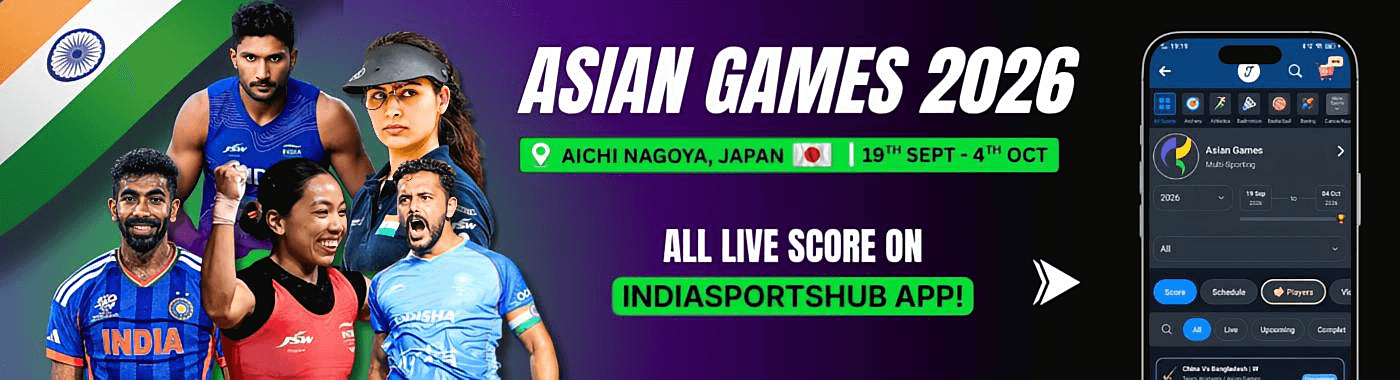
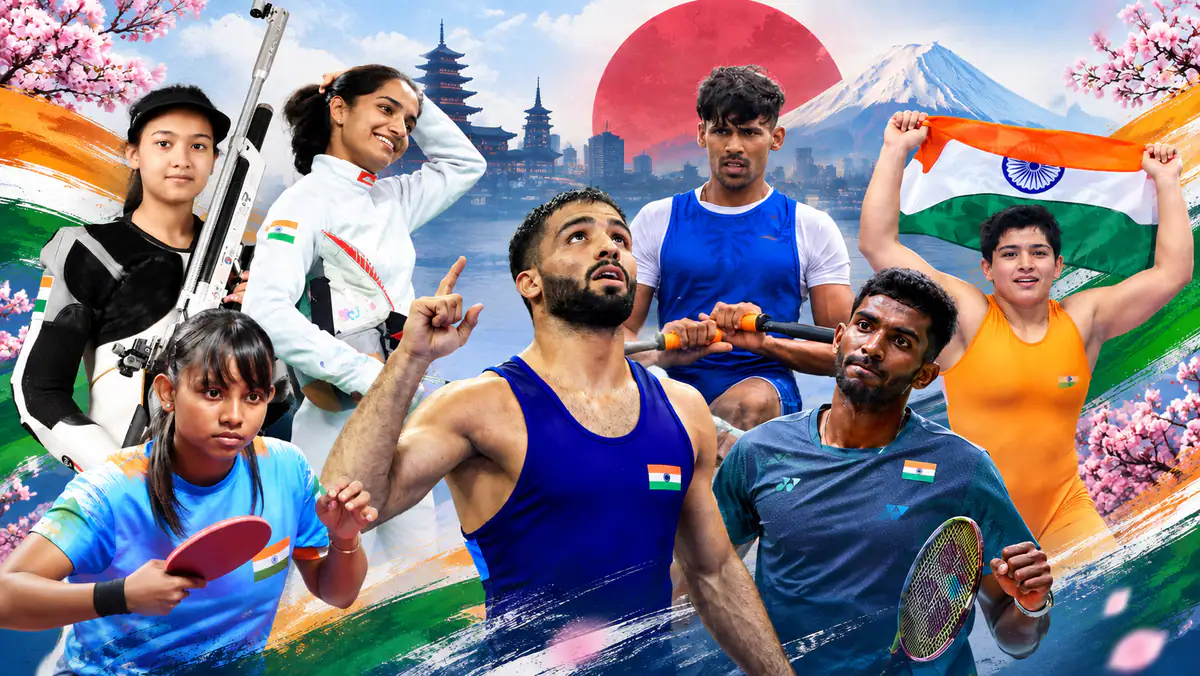
The Asian Games 2026 in Aichi-Nagoya will bring together some of the biggest sporting delegations in Asia, with the host nation Japan leading the contingent-size charts. India will also be among the largest delegations at the Games, with 497 athletes expected to represent the country across a wide range of sports.
The leading contingents include Japan, China, South Korea, Thailand, Hong Kong, Kazakhstan, India, Chinese Taipei and the Philippines. The scale of these delegations reflects the breadth of sporting programmes across Asia and the varying approaches adopted by national Olympic committees in selecting athletes for the continental multi-sport event.
As the host nation, Japan will field the largest contingent with 927 athletes. China follows with 811 athletes, while South Korea has 787. Thailand is next with 690 athletes, followed by Hong Kong with 581 and Kazakhstan with 557. India's reported contingent of 497 athletes places it seventh among the nine largest delegations, ahead of Chinese Taipei and the Philippines.
The reported figures are:
Rank | Country | Athletes |
|---|---|---|
1 | Japan | 927 |
2 | China | 811 |
3 | South Korea | 787 |
4 | Thailand | 690 |
5 | Hong Kong | 581 |
6 | Kazakhstan | 557 |
7 | India | 497* |
8 | Chinese Taipei | 480 |
9 | Philippines | 452 |
India’s Nearly 500-Member Athlete Contingent
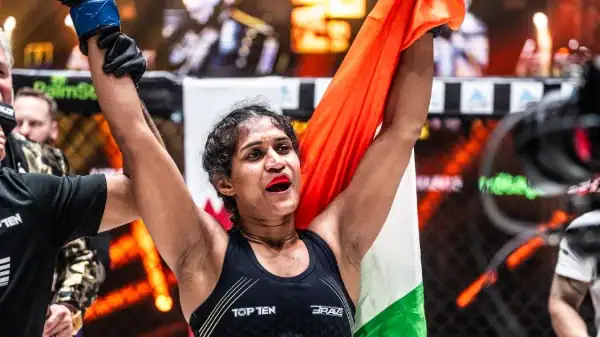
India's participation at Aichi-Nagoya represents a significant presence across the Asian Games programme. The delegation is spread across 36 sports disciplines, covering established Olympic sports as well as disciplines that have gained prominence in the Asian Games programme. Athletics is the largest individual sport contingent, with 75 athletes 35 men and 40 women.
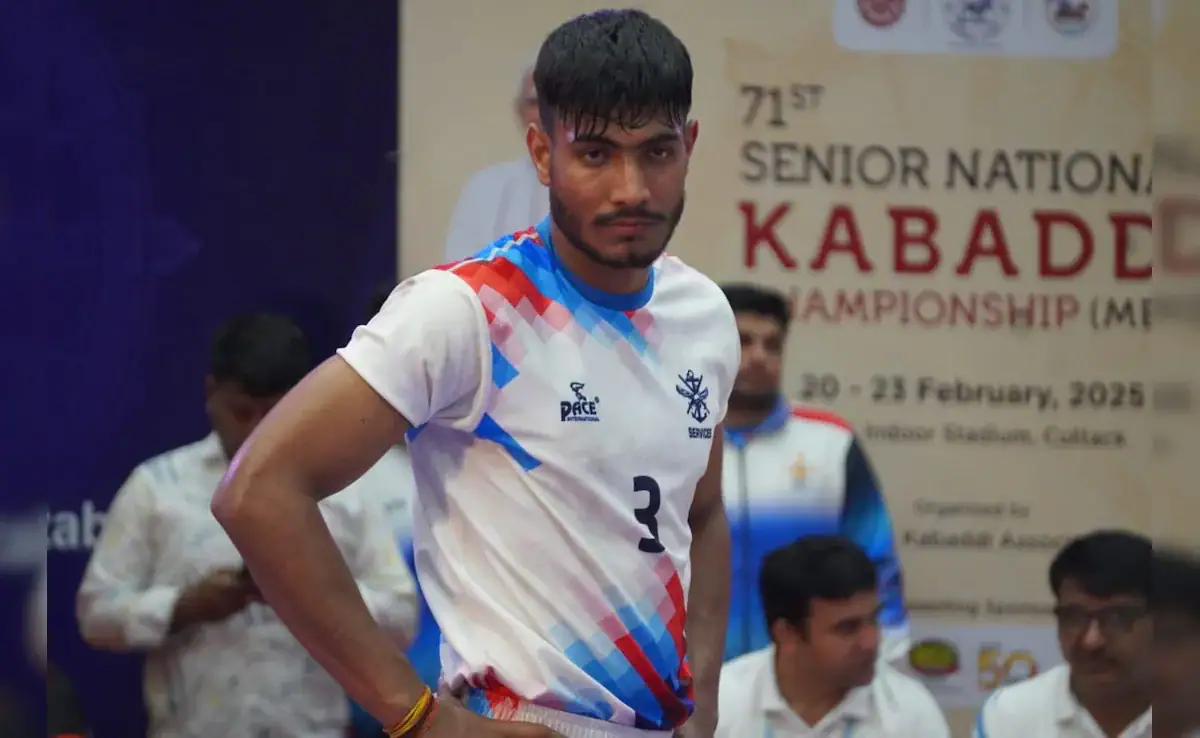
Field hockey follows with 40 athletes, while shooting has 30. Cricket accounts for 29 athletes and kabaddi has 24. Rowing has 22 competitors, while badminton and fencing have 20 each. Other sizeable Indian contingents include canoeing and kayaking with 19 athletes, wrestling with 15, esports with 15, cycling with 14 and archery with 12.
The distribution illustrates the breadth of India's participation rather than simply concentrating athletes in a handful of sports.
Athletics and Shooting Among the Largest Groups
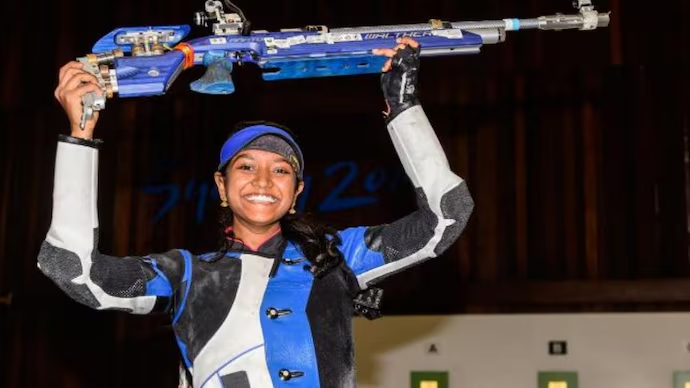
Athletics forms India's biggest contingent at the Games, with 75 athletes competing across track and field events. The group includes established names such as Avinash Sable, Tajinderpal Singh Toor and Jyothi Yarraji. Shooting, another important medal-producing discipline for India, has a 30-member contingent comprising 15 men and 15 women. The squad includes Olympic medallist Manu Bhaker, along with Esha Singh, Rudrankksh Patil and Aishwary Tomar.
Badminton's 20-member contingent features some of India's biggest names, including PV Sindhu, Lakshya Sen, Satwiksairaj Rankireddy and Chirag Shetty.
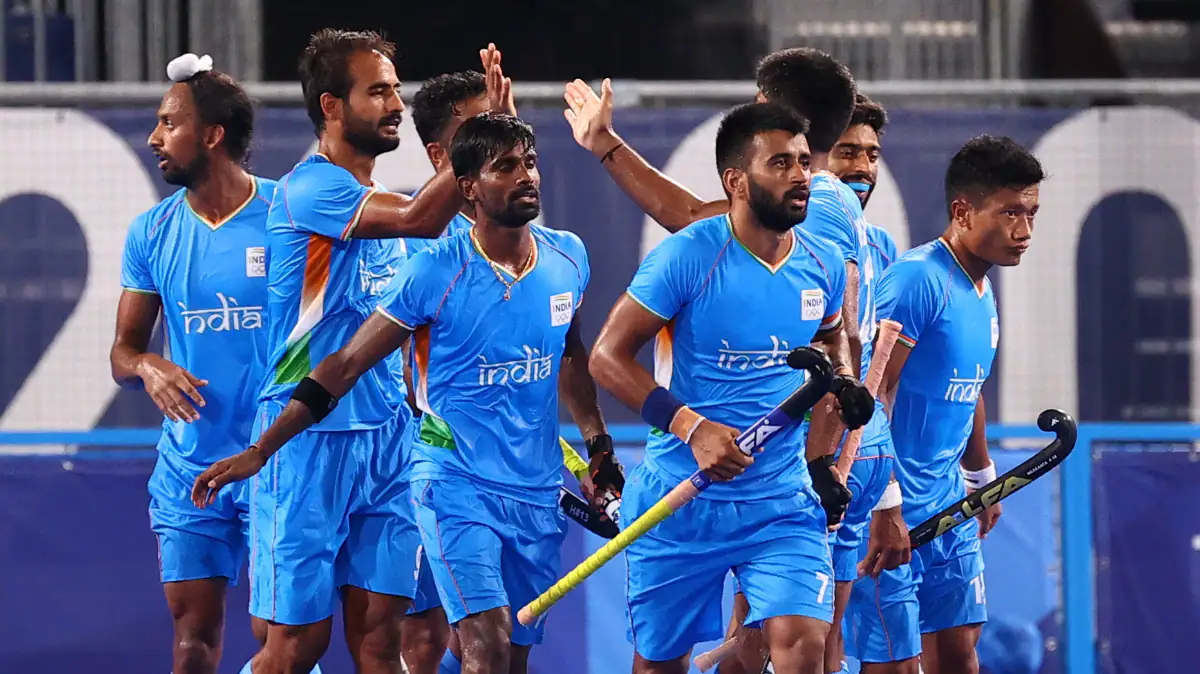
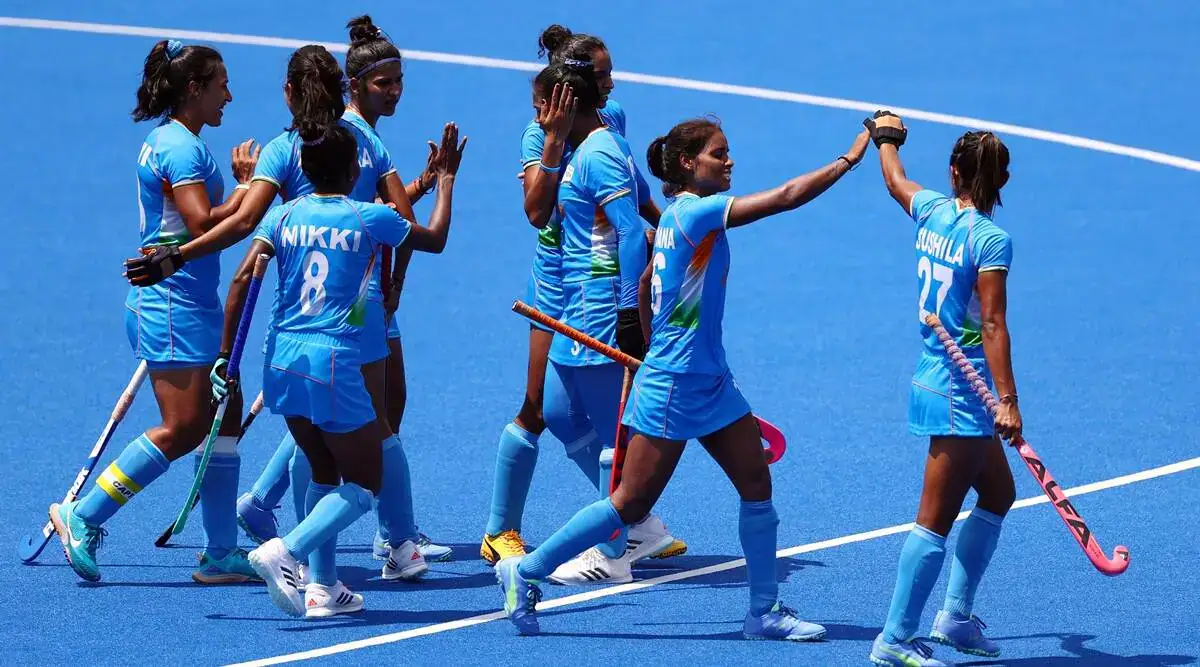
Hockey, meanwhile, has 40 athletes across the men's and women's teams, with both squads carrying significance beyond the Asian Games medal race because of the qualification implications for the Los Angeles 2028 Olympic Games.
While India remains among the largest delegations heading to Japan, its contingent is smaller than the one that travelled to Hangzhou. India sent 655 athletes to the 2022 Asian Games, held in 2023, compared with the approximately 500-athlete delegation for Aichi-Nagoya. The source material attributes the reduction primarily to stricter selection criteria introduced for multi-disciplinary events.
Under the selection framework, individual athletes were required to meet specified performance benchmarks or maintain a position within the Asian top six, while team events required a demonstrated continental ranking within the top eight.
This resulted in several notable changes to India's participation, including the exclusion of the men's and women's football teams after they failed to meet the stipulated ranking criteria.
Host Nation Advantage Reflected in Numbers
Japan's position at the top of the contingent rankings is also linked to its status as host. The historical comparison shows how host nations can field significantly larger delegations because of greater access to quotas across sports and team events. Japan's contingent of 927 athletes is substantially larger than the 762 athletes it sent to Jakarta-Palembang in 2018.
China, by comparison, has reduced its contingent from 886 athletes at Hangzhou to 811 in Aichi-Nagoya, while Kazakhstan has expanded from 440 in 2018 to 557 in 2026. India's nearly 500-athlete contingent therefore places it firmly within the leading group of Asian sporting nations.
The size of India's contingent provides representation across a broad spectrum of sports, from athletics, shooting and hockey to badminton, wrestling, archery, rowing, cricket and kabaddi.
While the number of athletes does not directly determine medal outcomes, a large and diverse contingent gives India representation across hundreds of events at Aichi-Nagoya.
With Japan leading at 927, China at 811 and South Korea at 787, India enters the Games with one of the continent's largest athlete groups. The approximately 500-member Indian contingent will now look to translate that representation into performances and medals when competition begins in Aichi-Nagoya.
Comments (0)
to post comments, replies, and votes.
Loading comments…